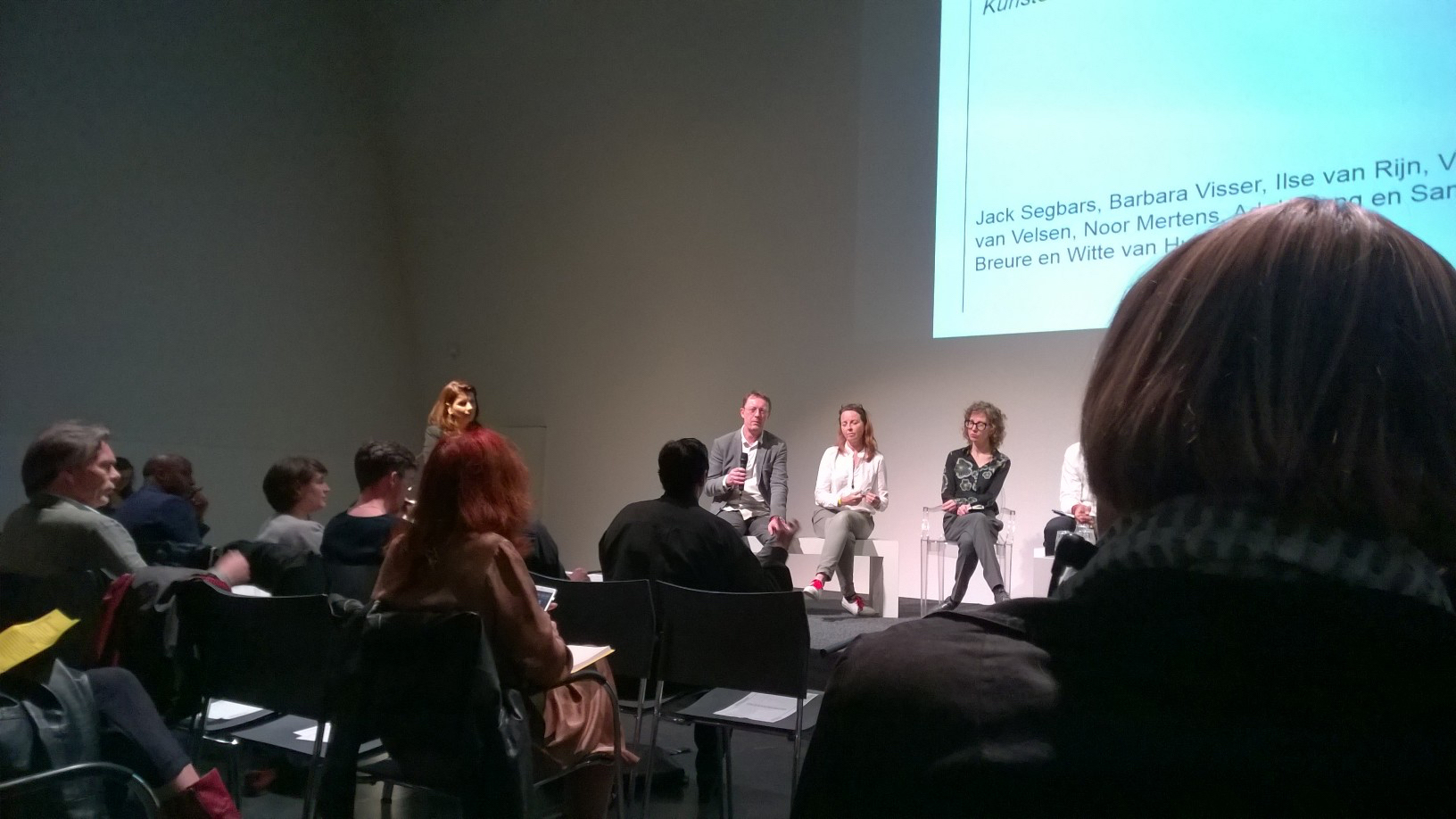
Jack Segbars is an artist, writer, and researcher. He is primarily engaged with the structural set up of art production, the relation between artist, institution and political economy, and especially the role discourse plays in the framework of communicative capitalism. Within this condition where critical ability and creativity have, to a large extend, become subsumed in the economy at large, Segbars argues that we thus must speak of an extended and distributed co-authorship of the artistic object. It becomes therefore important to identify and (re)trace its political authorship. To this end, Segbars investigates within his practice, the different positions and aspects that formally shape art: the role of autonomy, the role of language/art discourse, the role of the curator and the heteronomy set by governance and politics. The interconnections between the different positions – critic, curator, writer/researcher and visual artist – are mobilized as form of artistic investigation.
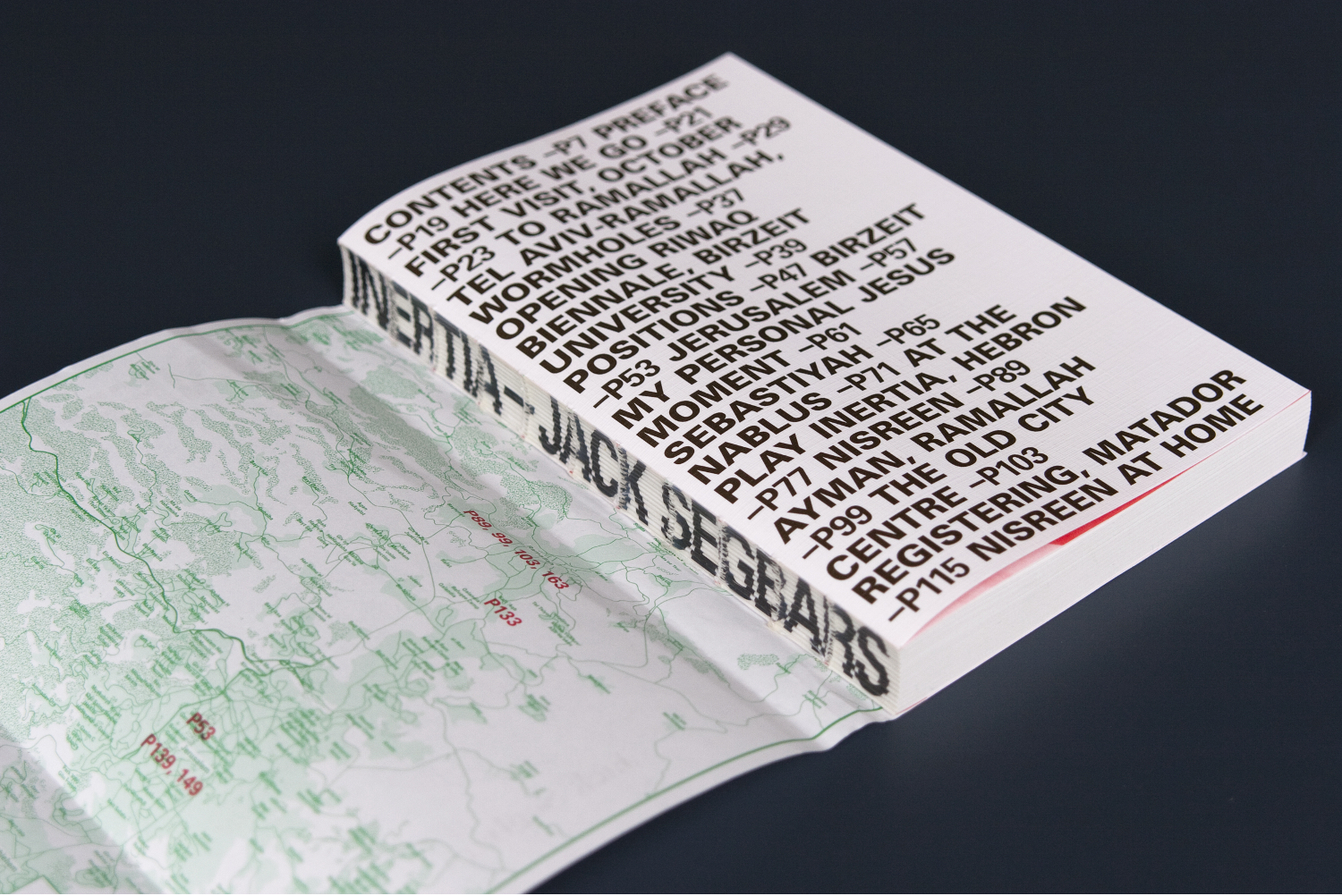
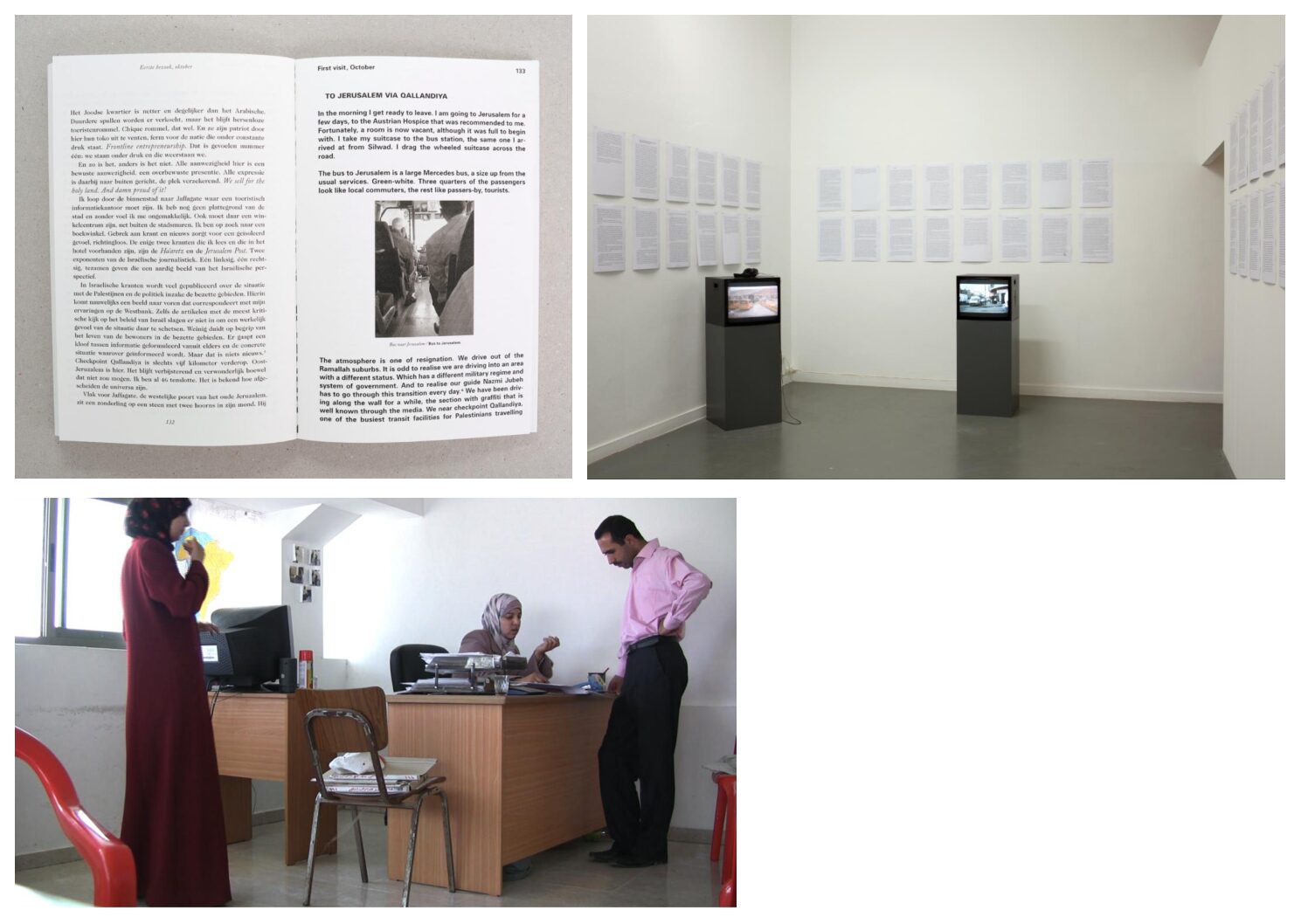
In 2009 he produced the publication Rondom / All Around the Periphery (Onomatopee) that deals with the overlap of positions and domains within the field of art. In 2012 this was followed by Inertia (Onomatopee), a travelogue of visits to Palestine that is set in the context of artistic production. Recent research-projects focus on the not-for-profit art sector within the economy at large. Segbars regularly writes reviews and articles on art and art-related subjects Metropolis M., Parse and Open! and organizes events with a public character as strategic part of his artistic profile.
He is one of the initiators of Platform Beeldende Kunst / Platform Visual Art an art's advocacy and research initiative in The Netherlands.
His PhD research (concluded 2021, PhDArts University Leiden), is an investigation of the infrastructure and constellation of the contemporary art paradigm.
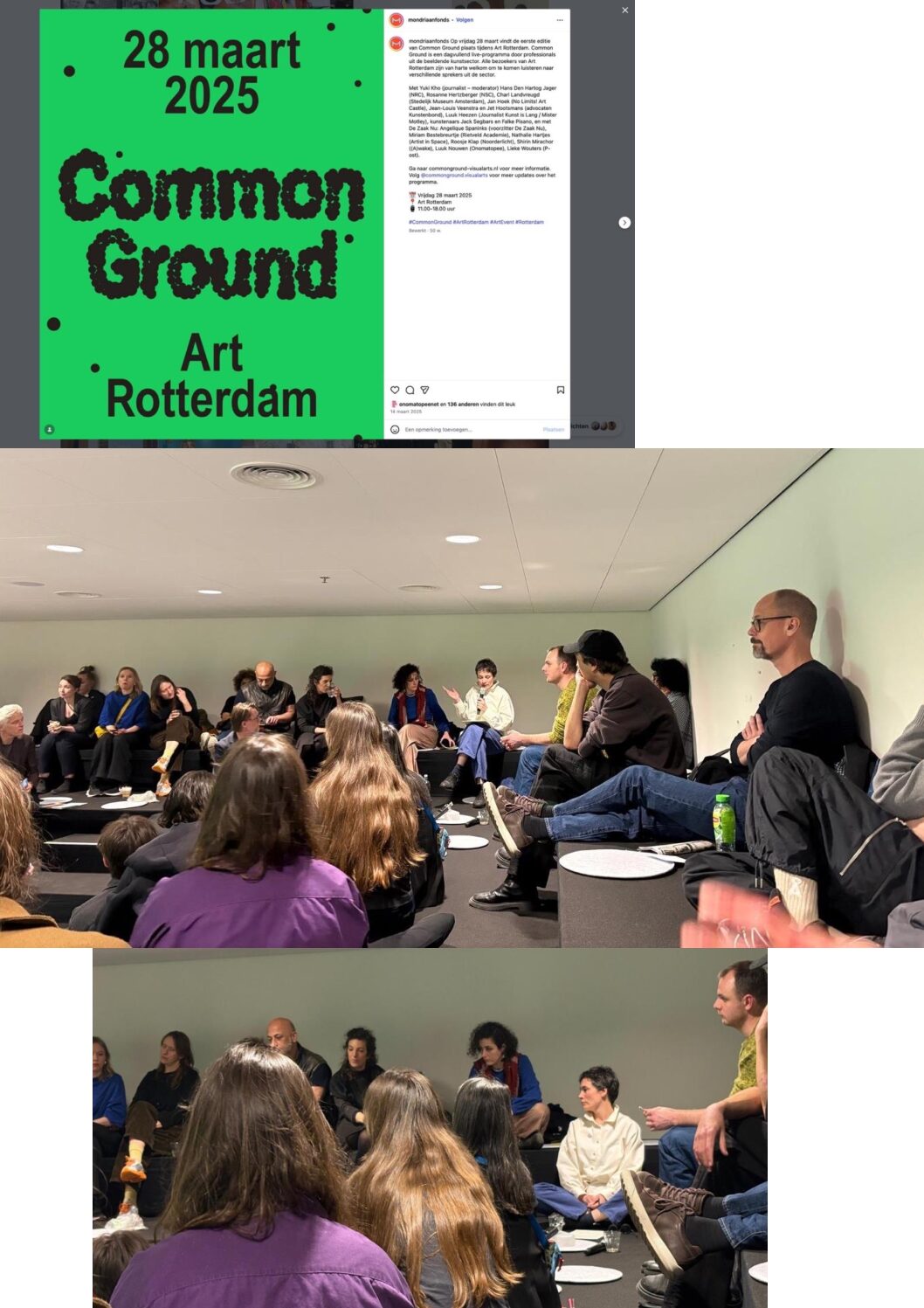
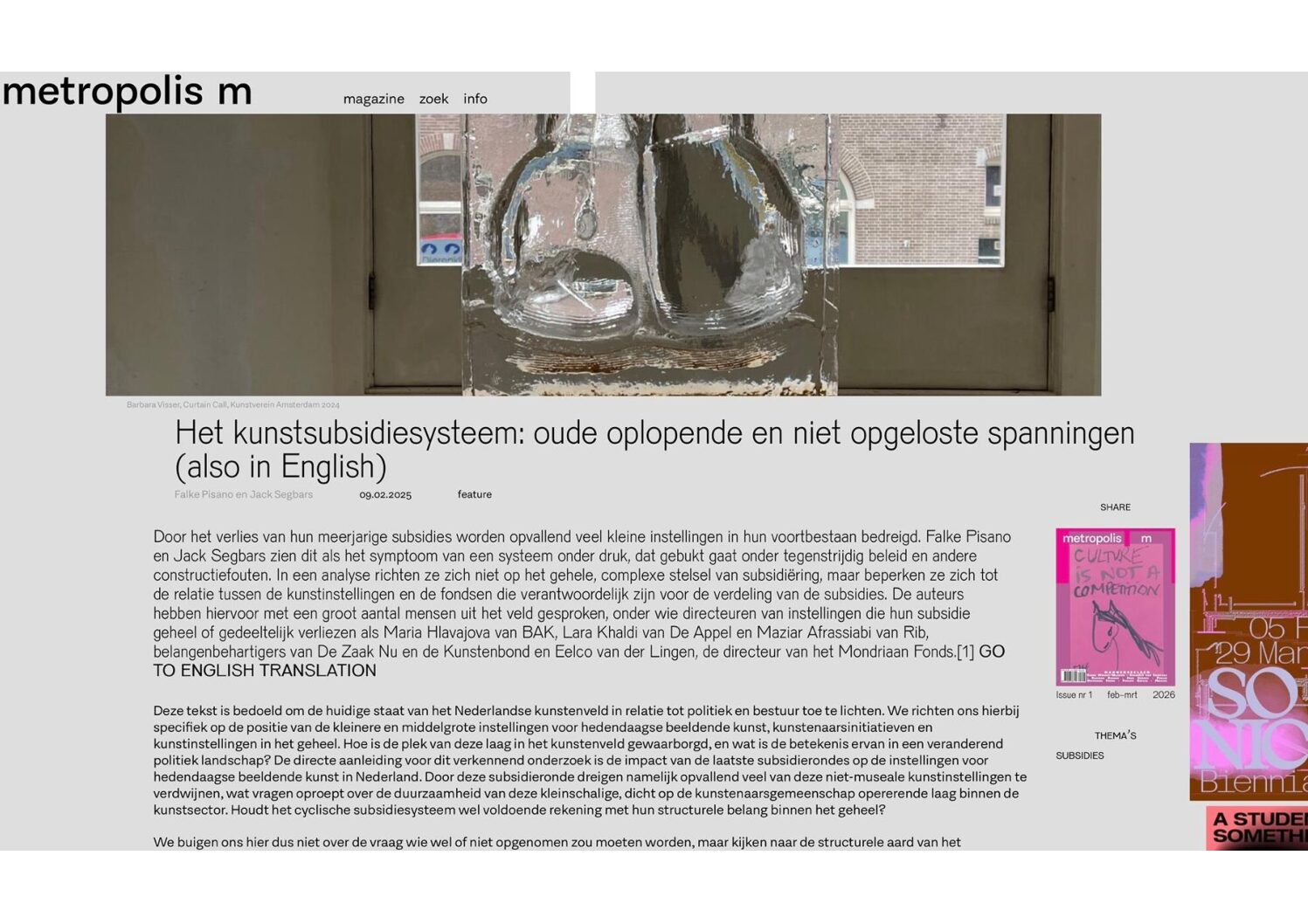
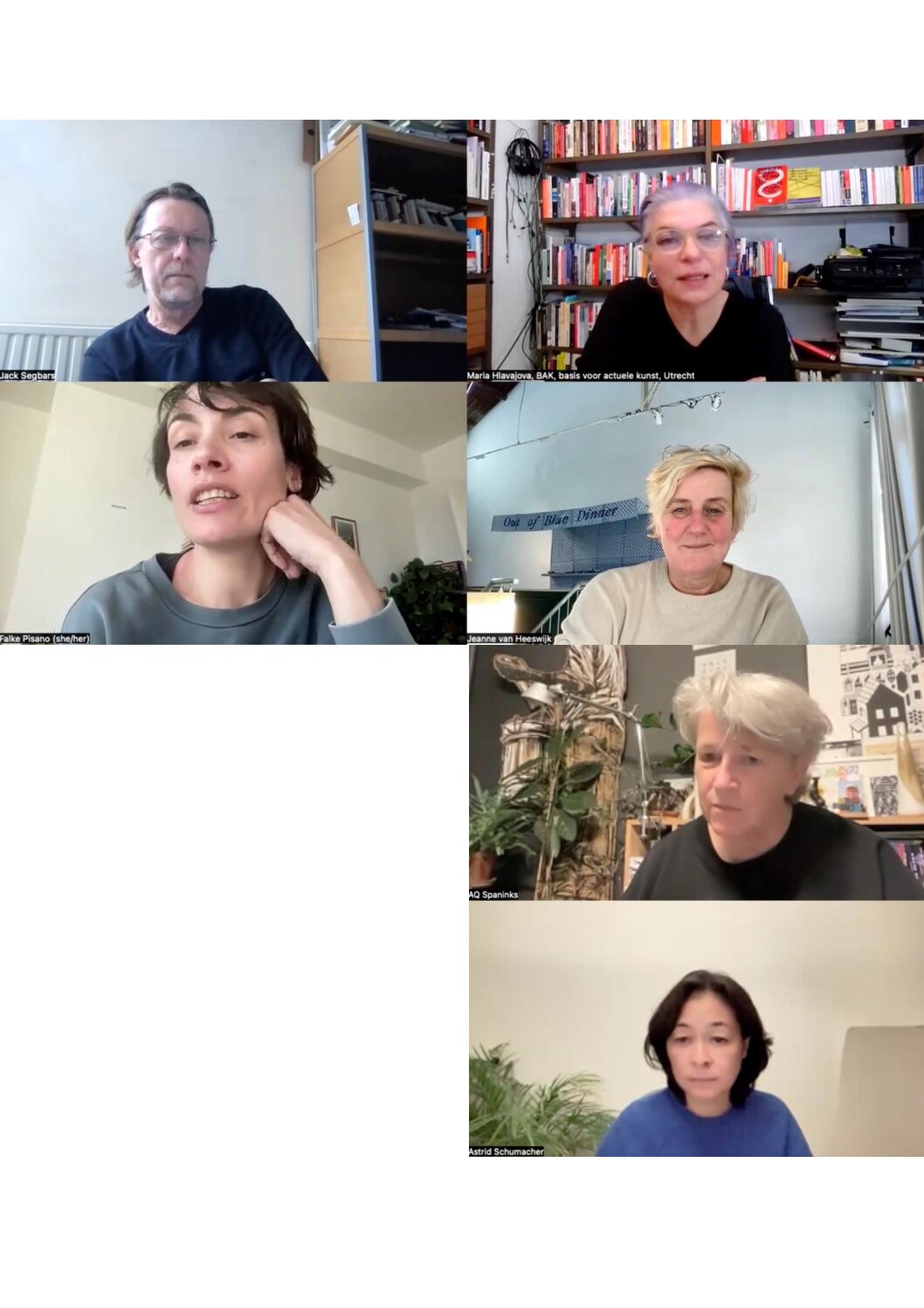
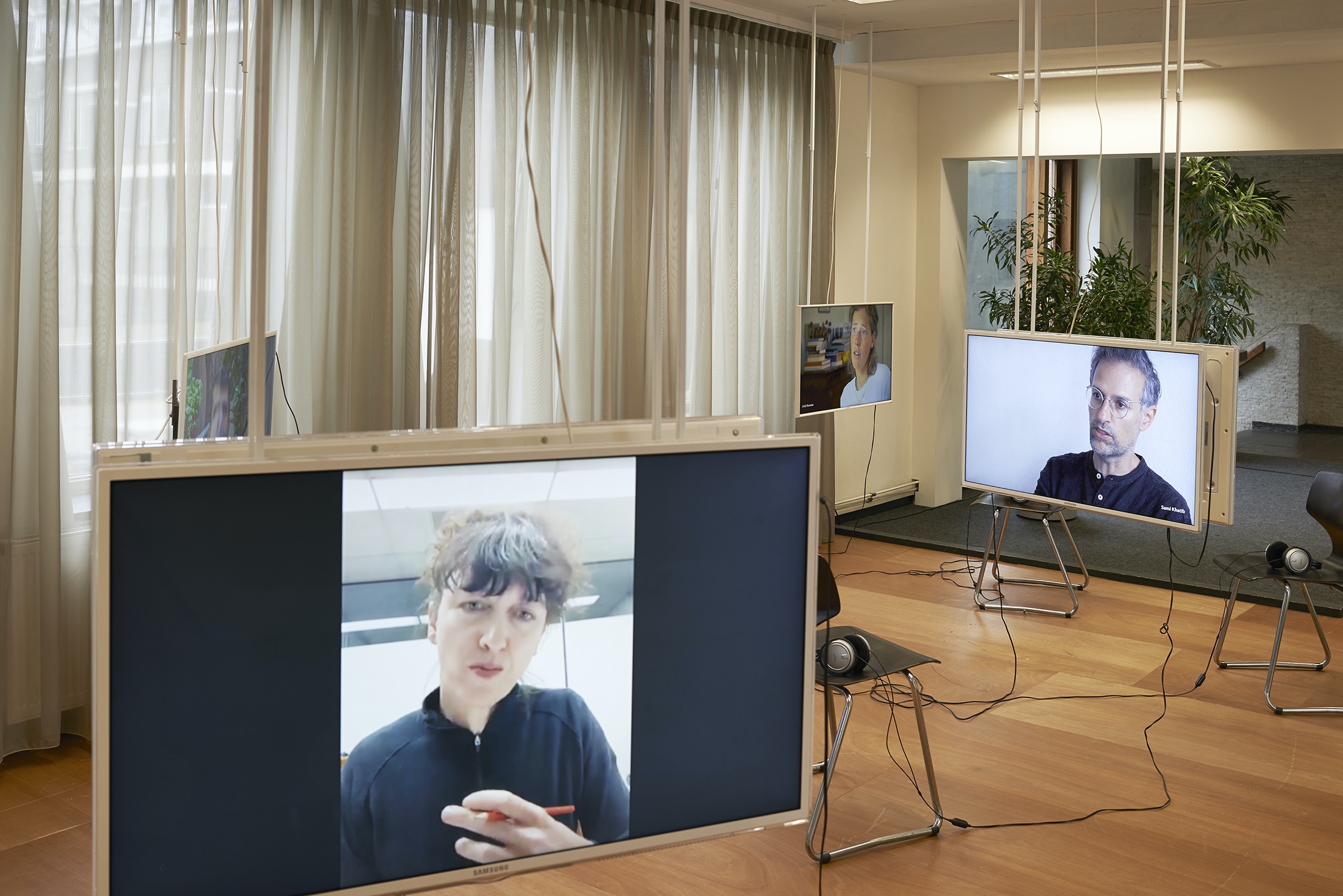
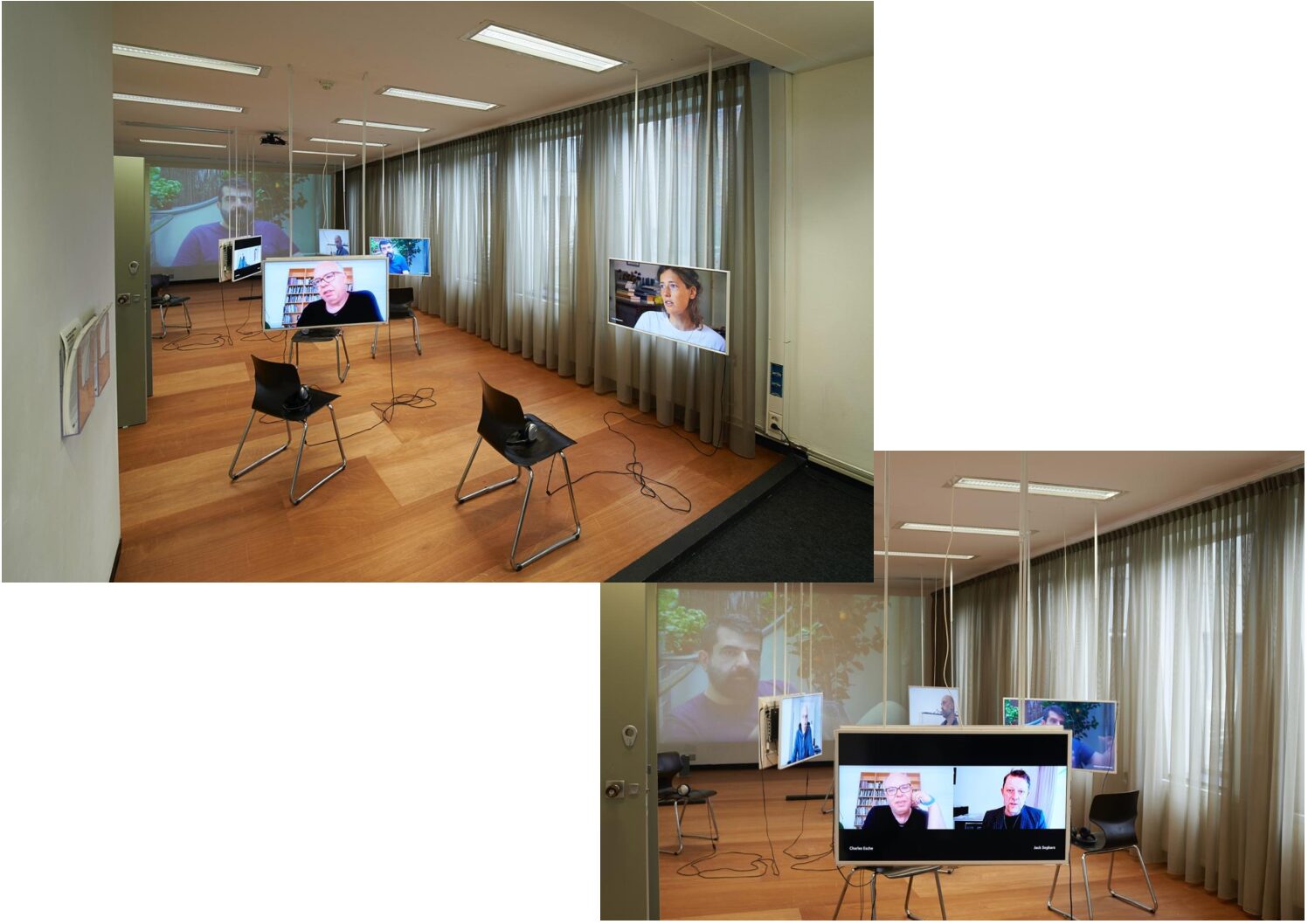
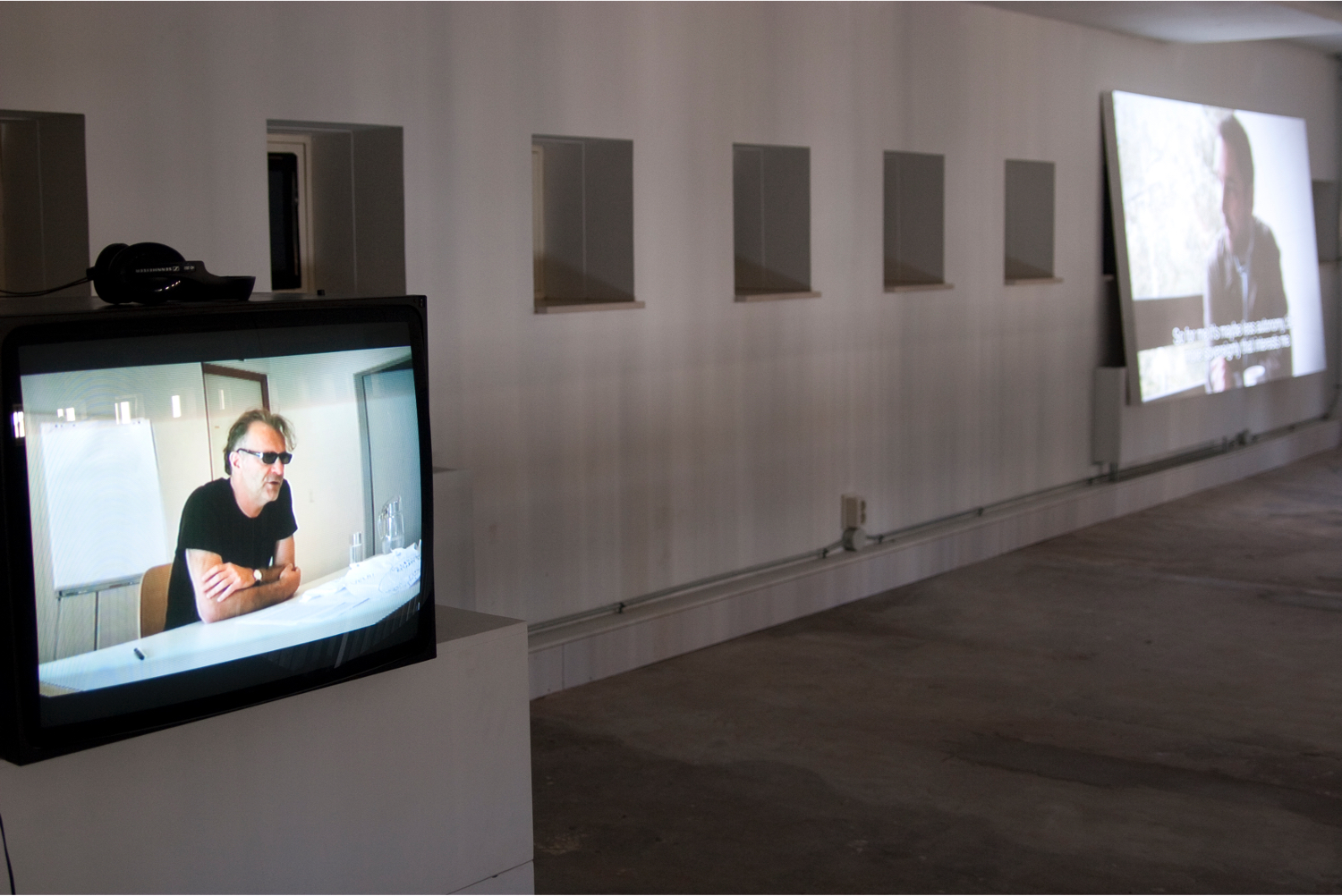
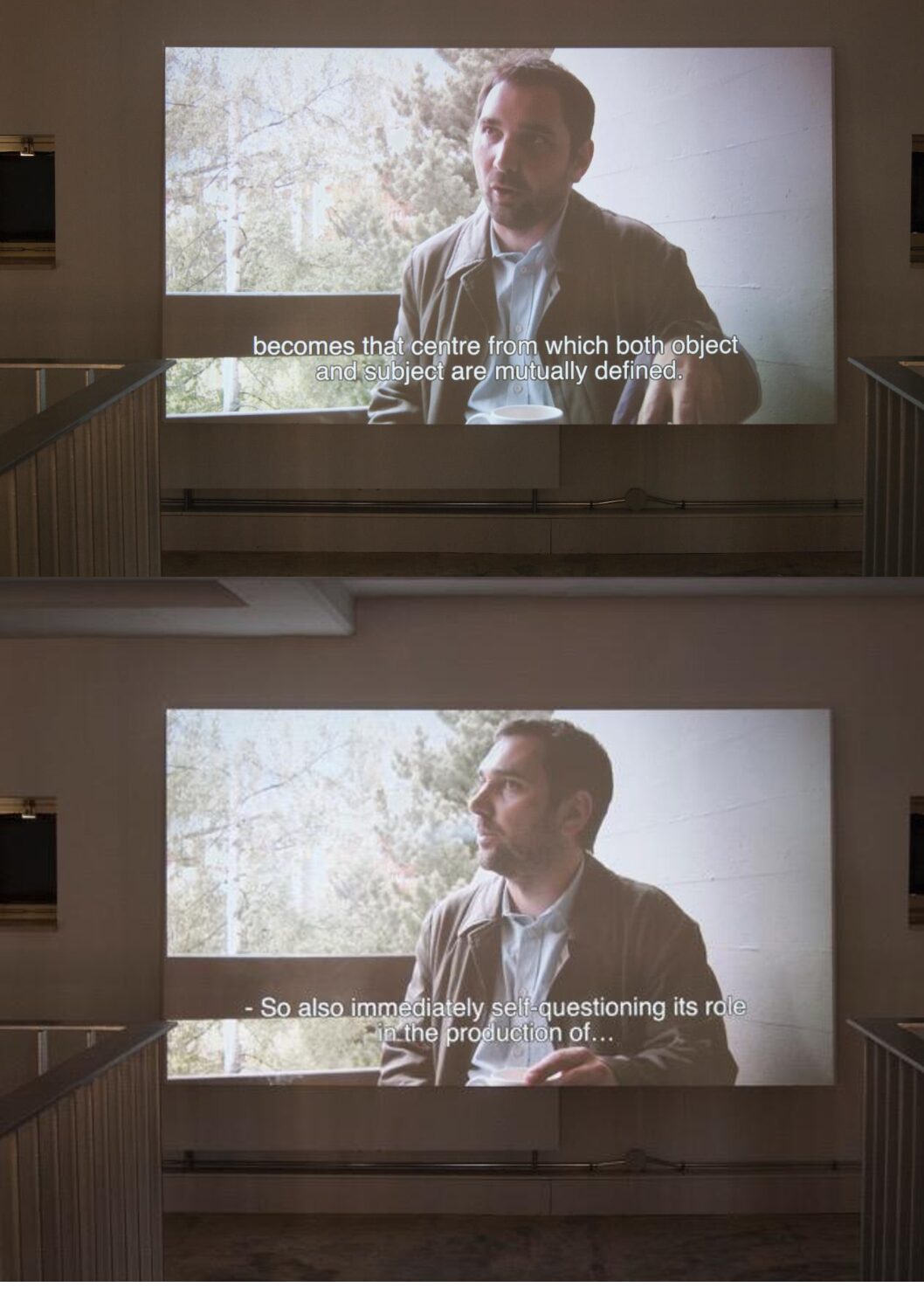
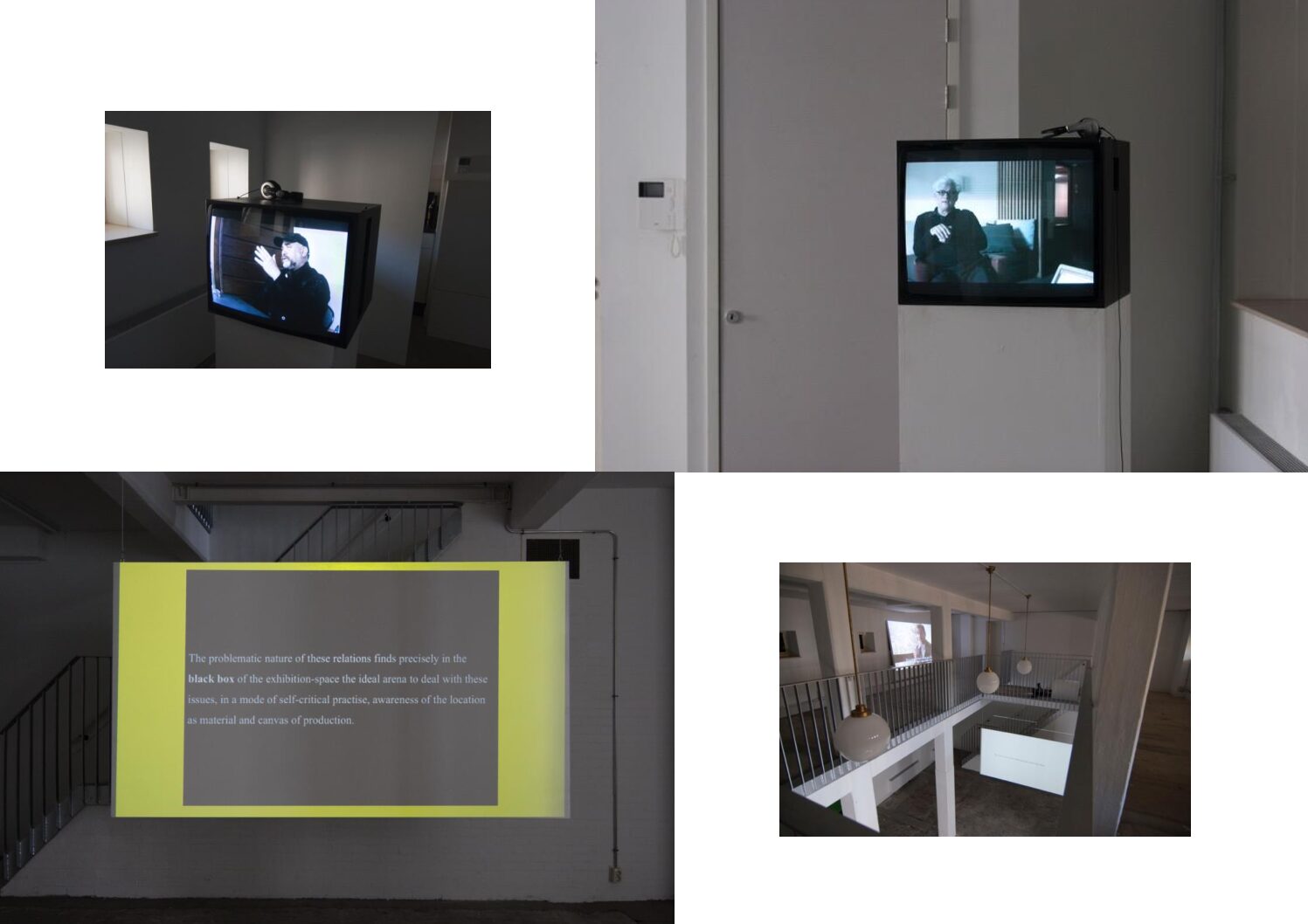
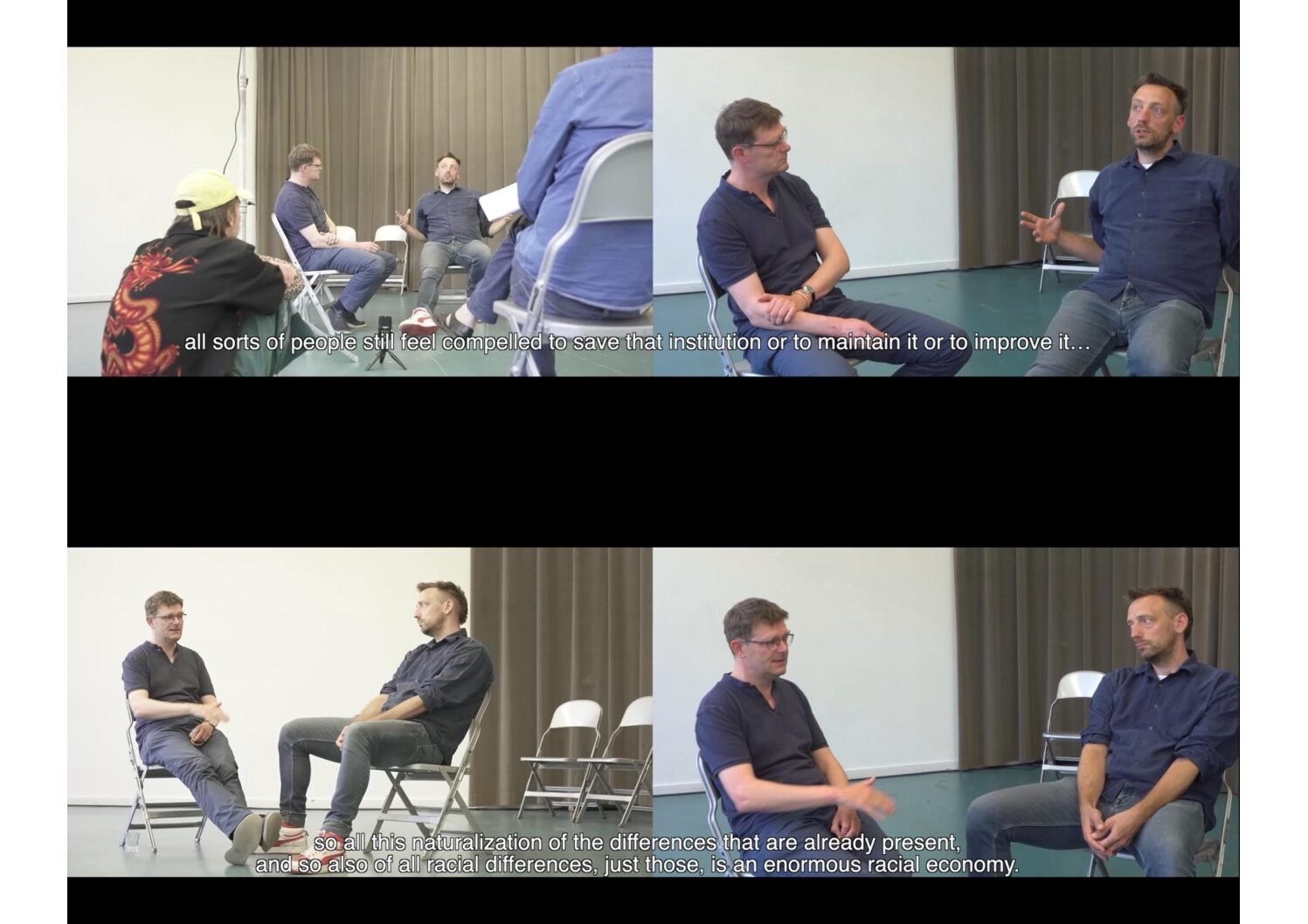
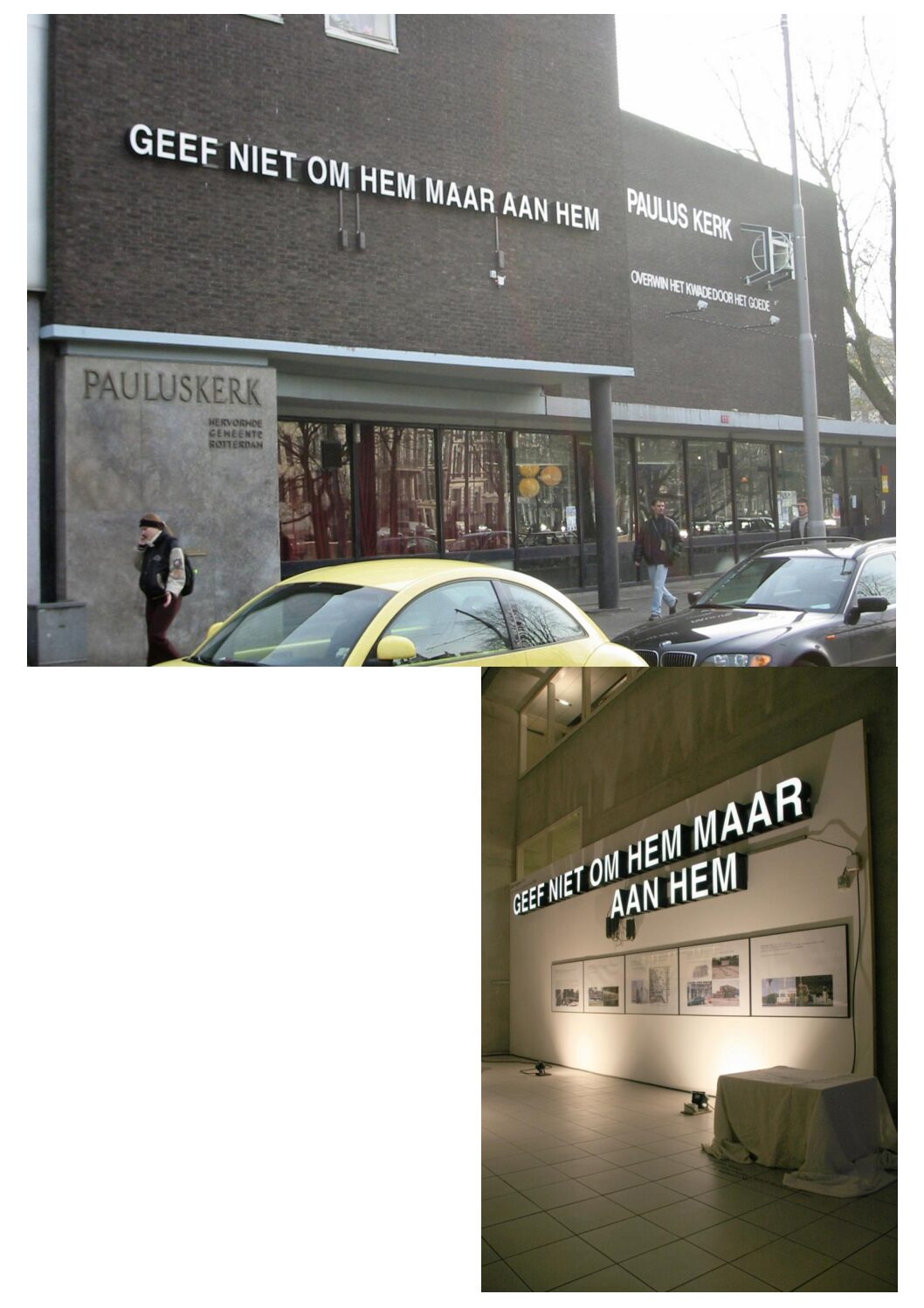
Artspace and governance, a precarious history
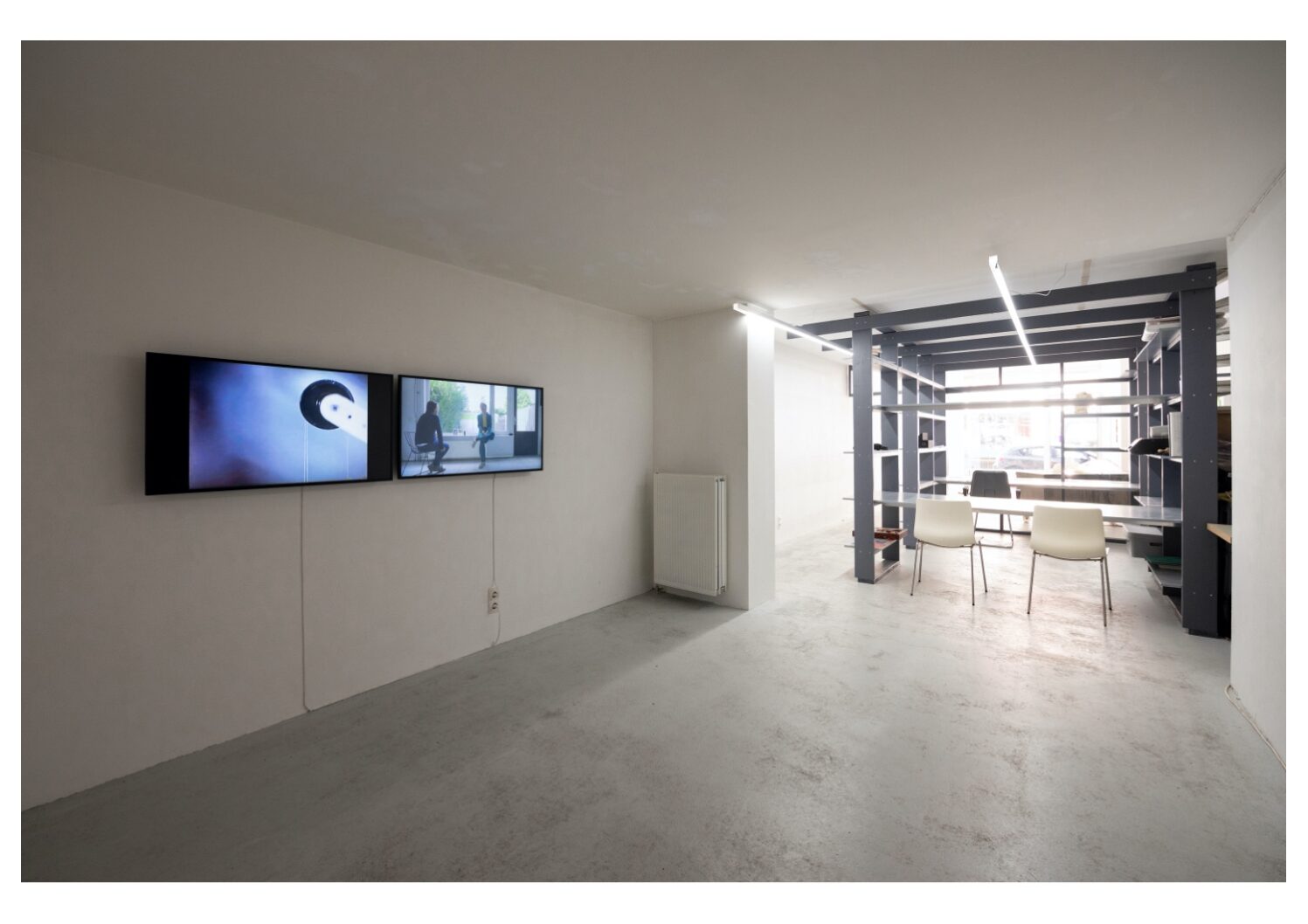
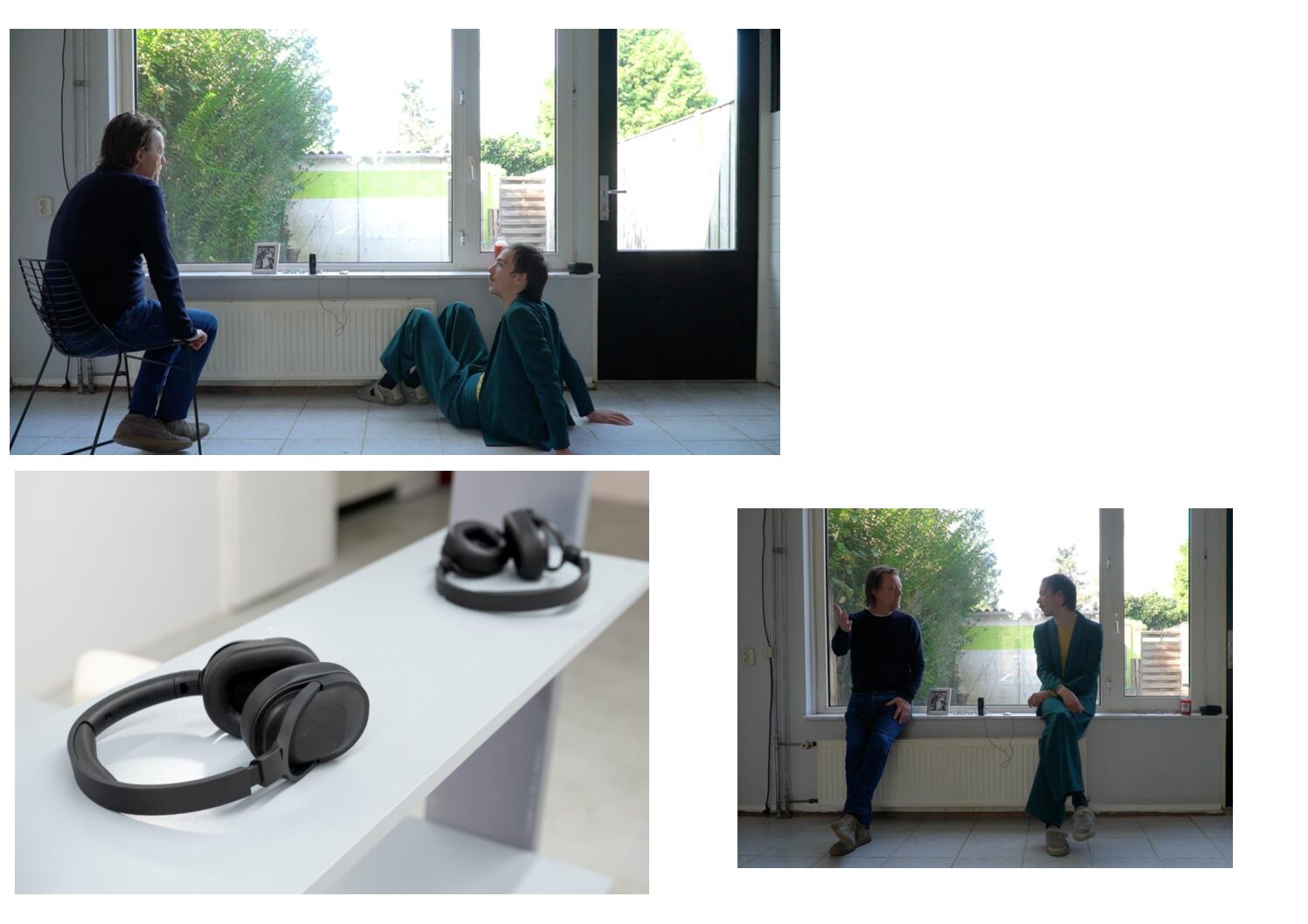
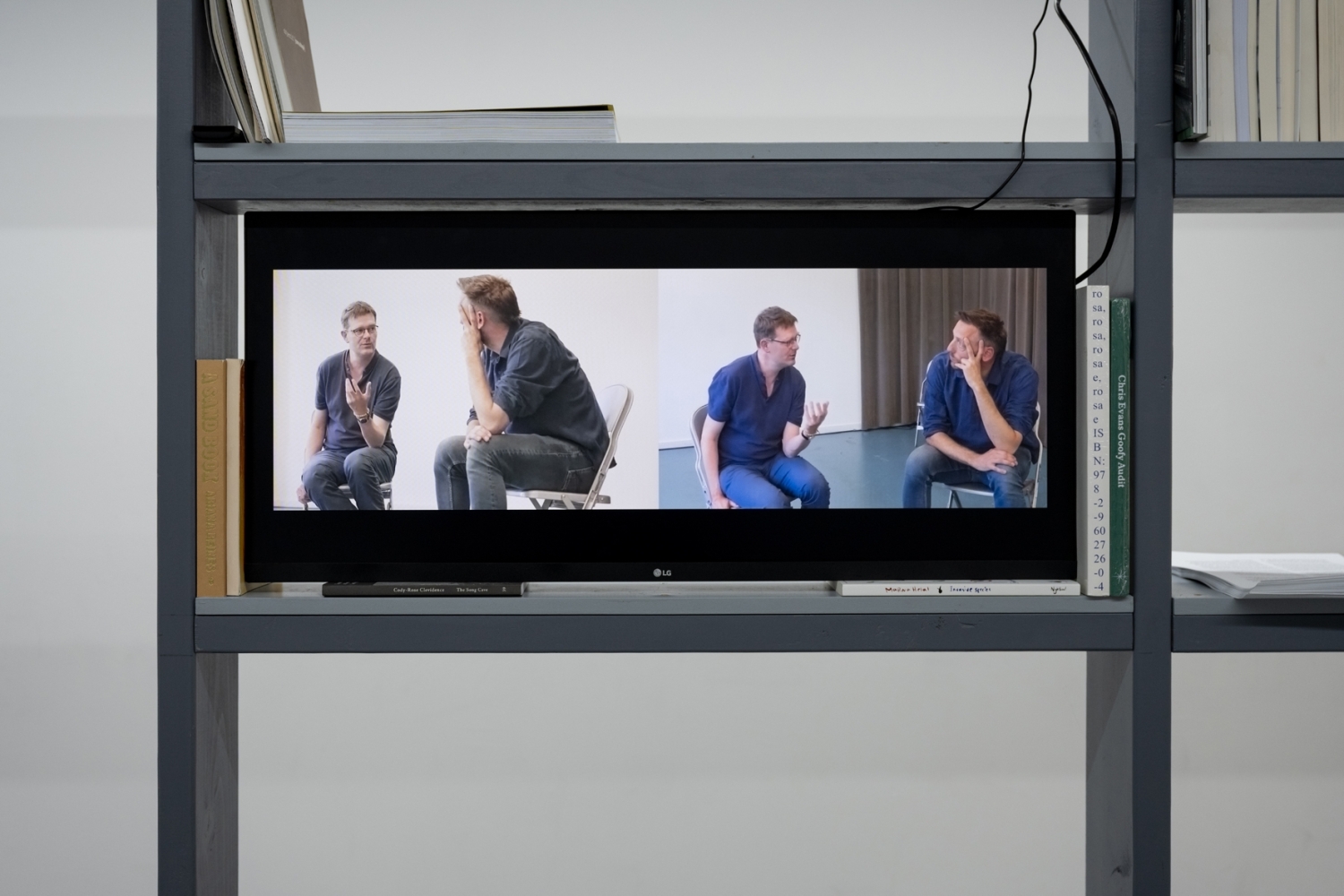
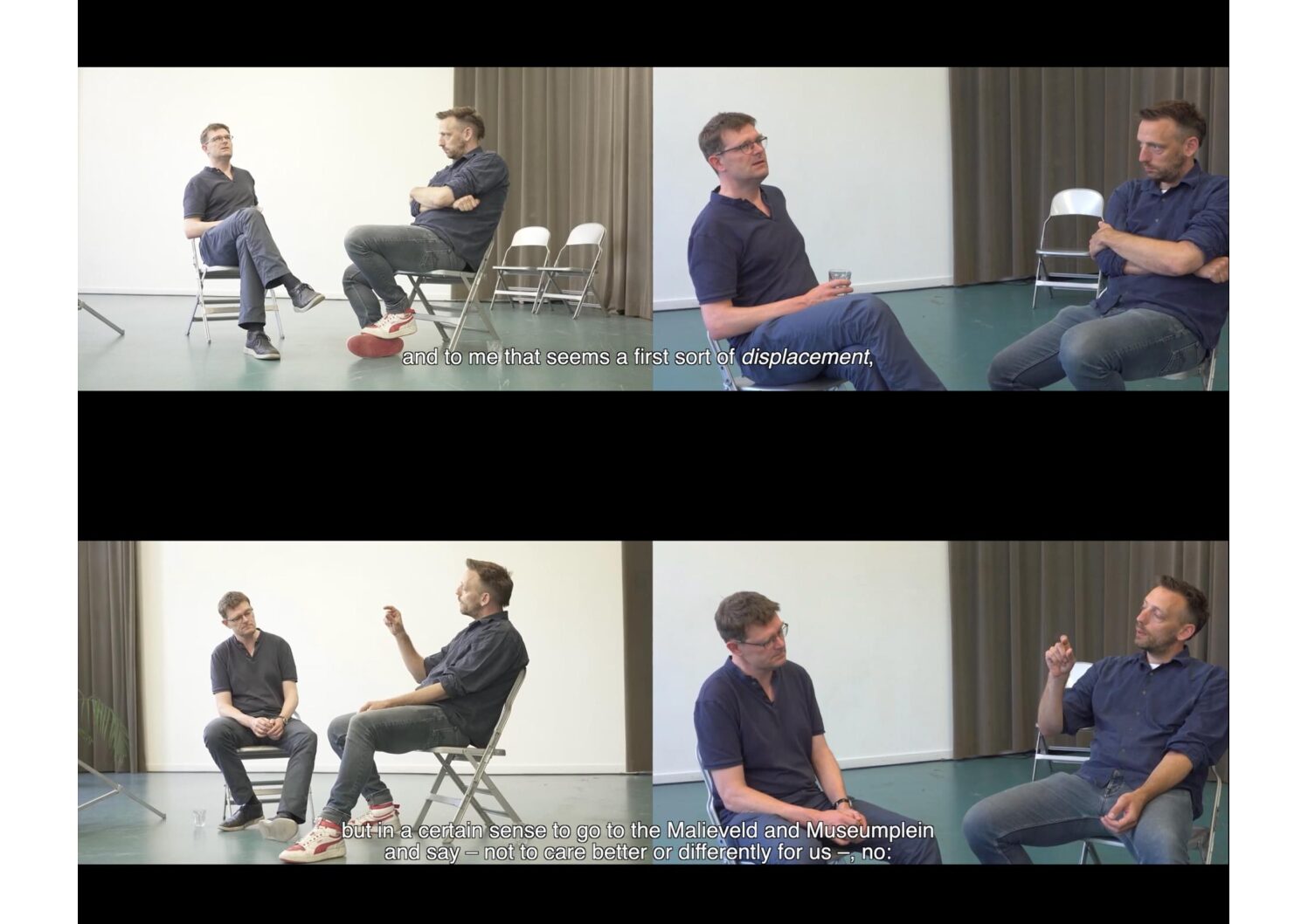
In 2025 Falke Pisano and Jack Segbars studying the Appel's archive, have focused on how the structural precarity of the relation to governance, defines and shapes the art institute, and how it is dependent on the many layers and scales of the conditional infrastructure of which it itself is part. This initial research will be extended in 2026 by establishing working groups with co-workers in the field and public programming, further examining the political place of art.
researchproject Free Space and commoning
Research project with Nous Faes, on the development of the not-for-profit arts organizations vis a vis the support- and funding system in The Netherlands. Through interviews with art's organization leaders we map how the unfolding of terms and concepts, has acted in shaping the forms of of artistic organizations and equally framed those of governance.
(Curator/Beschouwer grant, MondriaanFonds)
A Survey: Infrastructural Critique Performing Against the Division of Labor
Lecture Marina Vishmidt tribute panel.
In this paper I explore how the notion of Infrastructural Critique as proposed by Marina Vishmidt can be considered a methodological tool addressing the political economy in our mode of artistic production, and in production in general. In accepting that all artistic labor (as all labor) is subsumed under capitalism, supported by the Division of Labor, the primary task is to analyze and address the structure and generality of this political division.
Preface 2: Abstraction in Thought and Art
Workshop, organized by Maziar Afrassiabi, Sonia de Jager and Ties van Gemert, where I led the discussion on Reza Negarastani's texts The Labor of the Inhuman and The Human Centipede. The reading group's aim, through the work of Ray Brassier, Inigo Wilkins and Reza Negarestani, was to consider and interrogate where art and philosophy converge and diverge when reflecting the meaning of (current) political struggle.
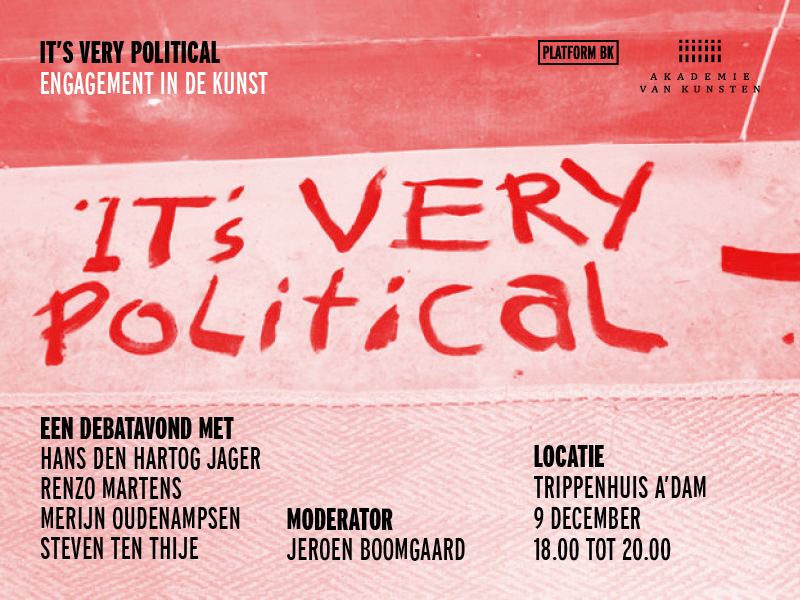
It's very political
I was editorial organizer of debate ‘It’s very political’, KNAW (Netherlands Academy of Arts and Science) with Merijn Oudenampsen, Renzo Martens, Hans den Hartog Jager and Steven ten Thije. Triggered by a polemical article by den Hartog Jager in Dutch newspaper NRC, questioning the political ambitions of art, the debate was organized to discuss and question this narrative.