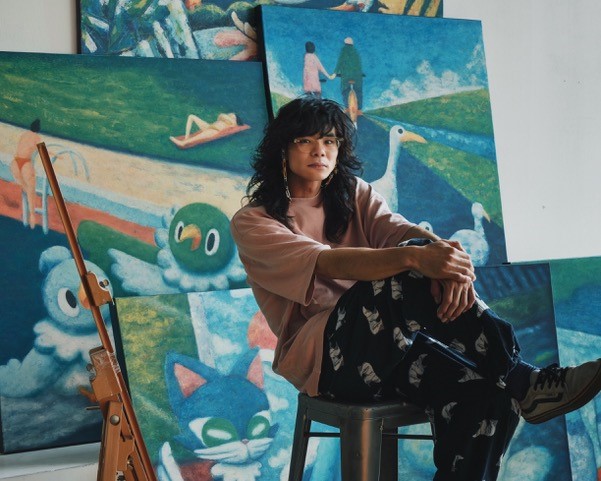
Kouhei Fukushima is a Rotterdam-based artist who has developed an idiosyncratic painterly practice driven solely by bodily necessity and internal urgency, independent of formal academic frameworks. Grounded in his innate ambidexterity, his body operates as a physical arena where reason and emotion meet. While his right hand strives to construct logic and structure, his left hand instinctively responds, welcoming unexpected noise and physical friction across the canvas. Rather than forcing these conflicting impulses into a rigid order, his process focuses on mutual acceptance—allowing opposing forces to coexist on the surface. Since relocating to the Netherlands, his practice has deepened through a direct confrontation with the subtle light and daily rhythms of Rotterdam. By building up layers of pigment and physically engaging with the canvas, he creates dense, tactile works embedded with time, breath, and a living sense of presence.
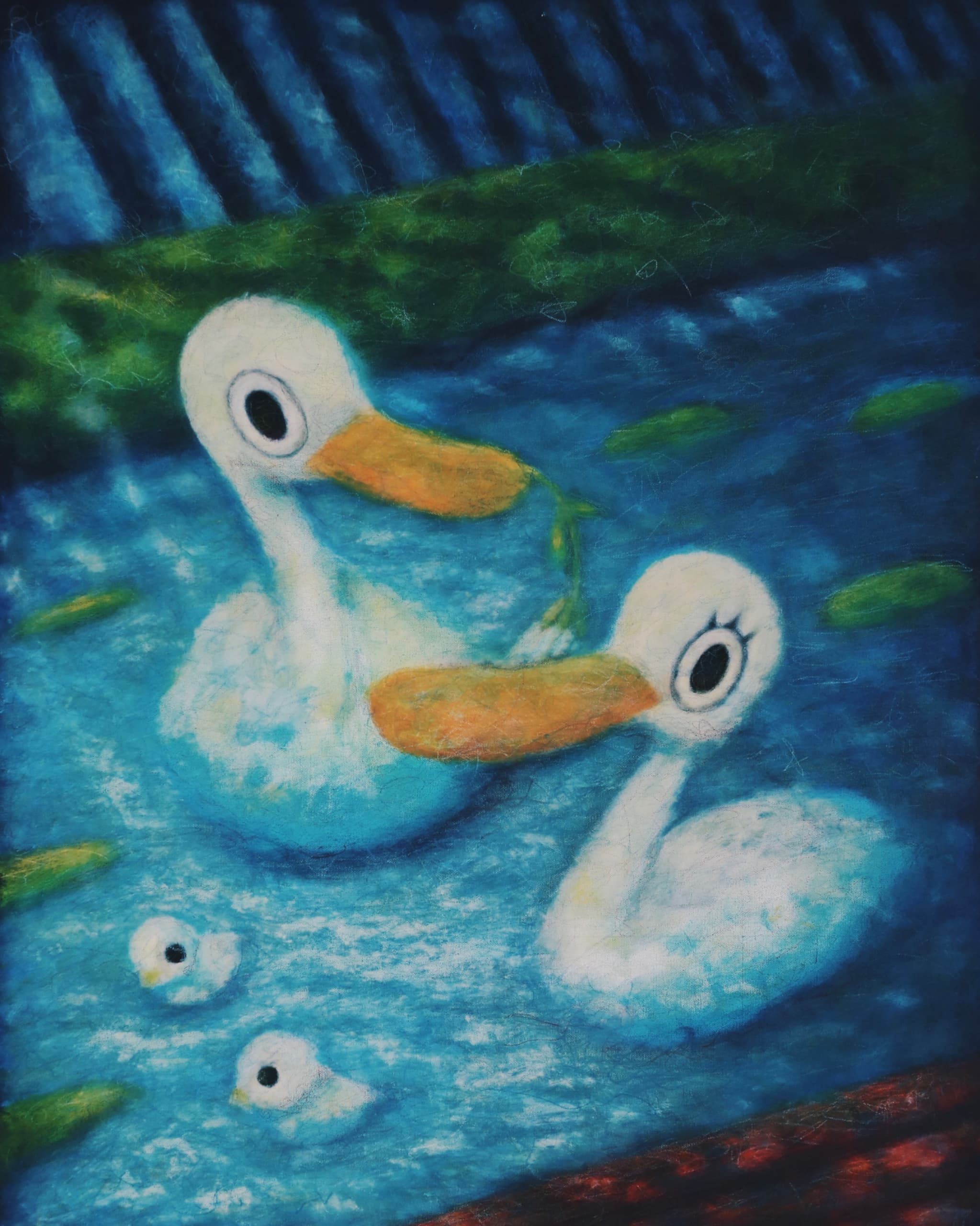
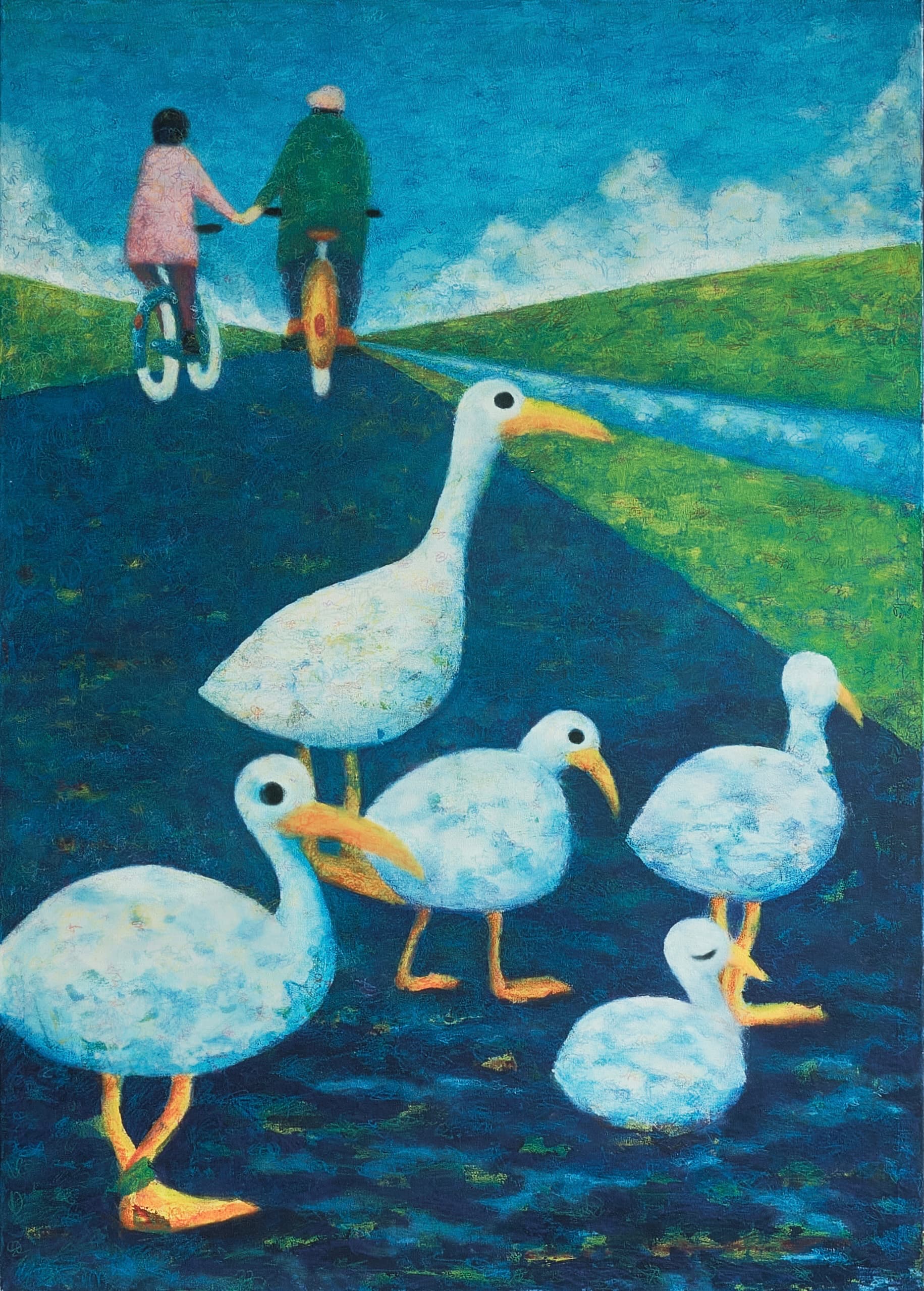
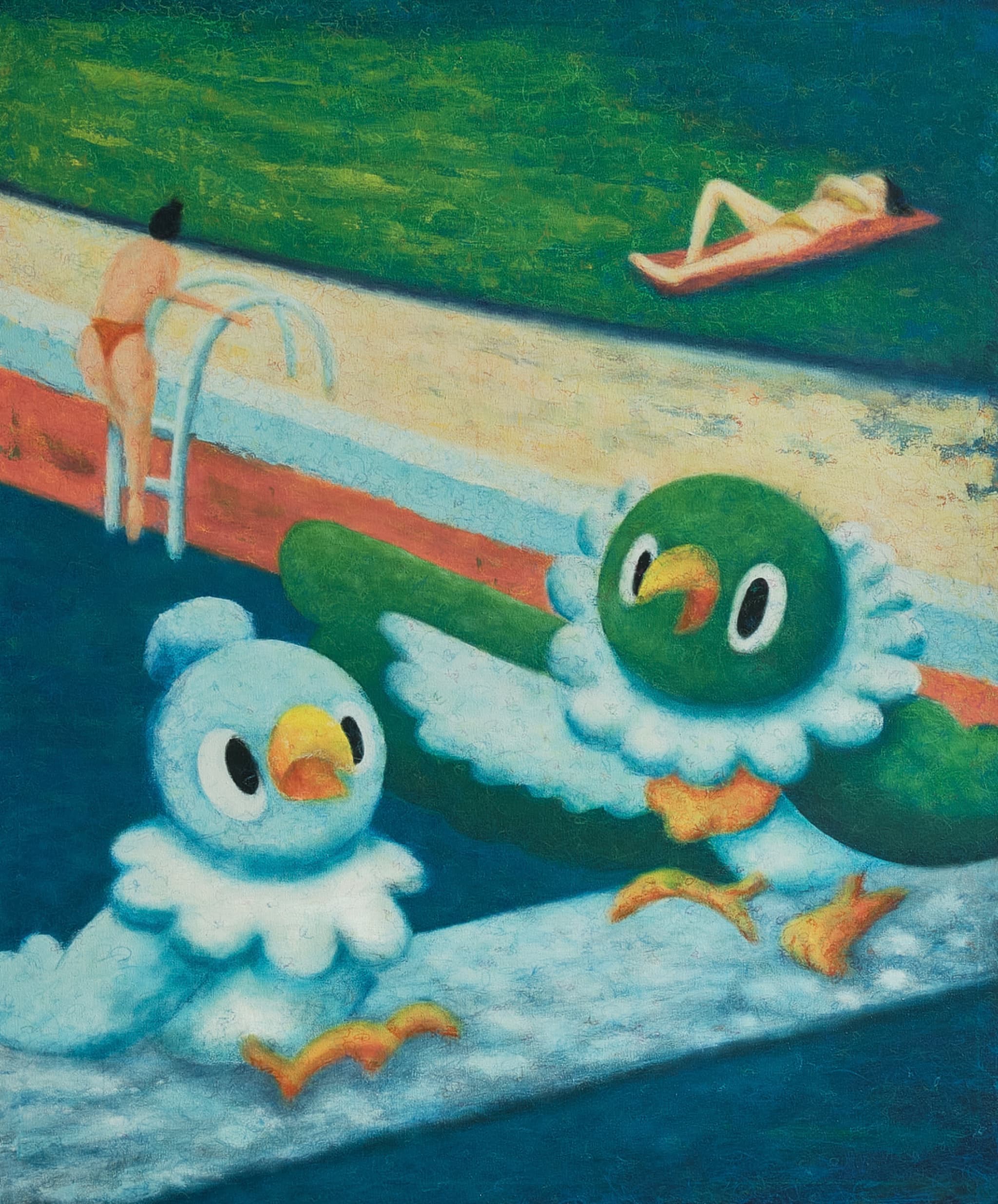
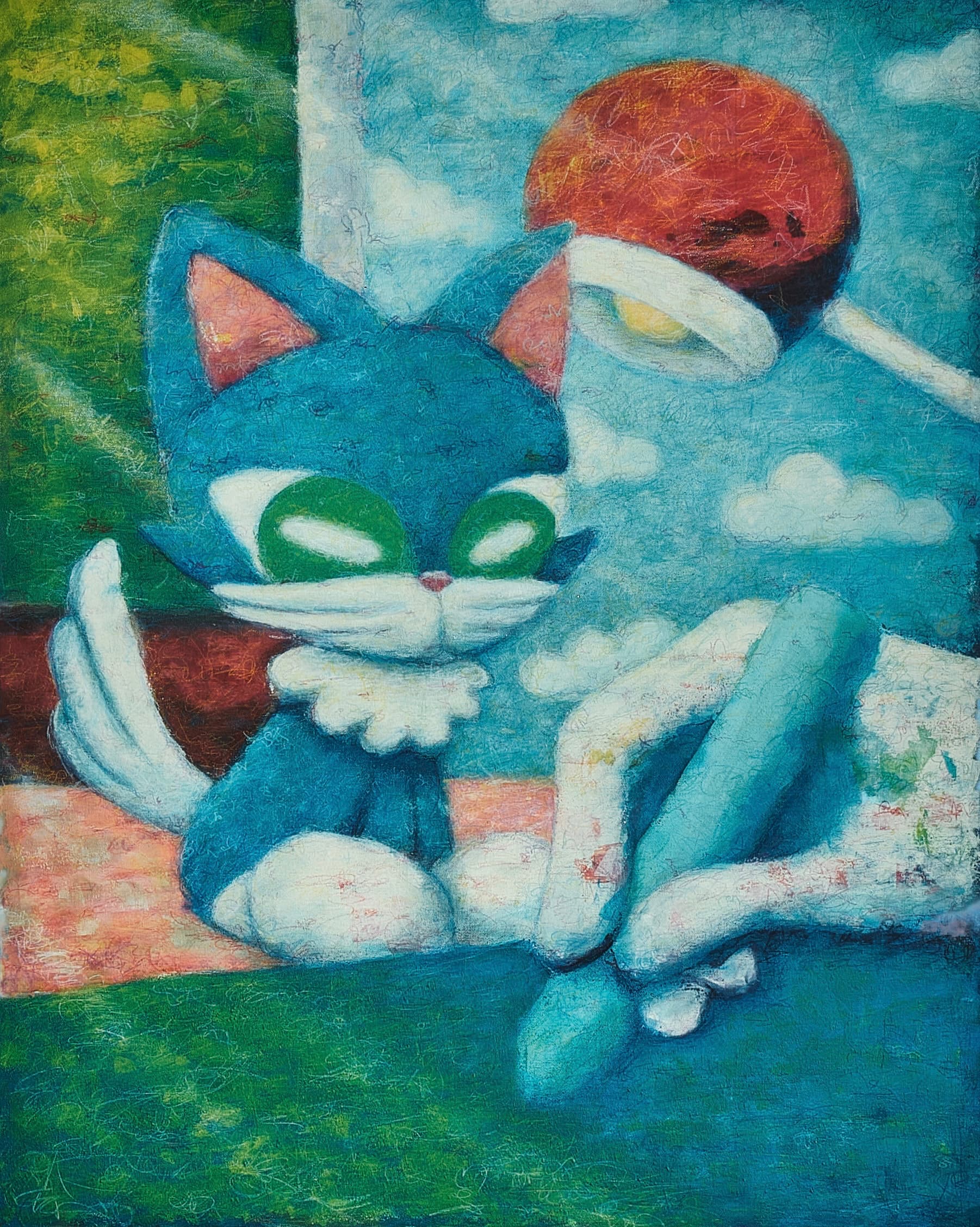
Borders
My move from Japan to the Netherlands sparked a reflection on the nature of "borders" as I crossed geographic and cultural boundaries. While borders often symbolize division in the West, the traditional Japanese concept of "Shima" (borders) allows different elements to coexist, creating continuity and harmony.
Drawing these lines is a meditative practice uniting body, mind, and breath. The resulting stripes reflect the rhythm of life and the flow of time. As lines and colors overlap, boundaries.