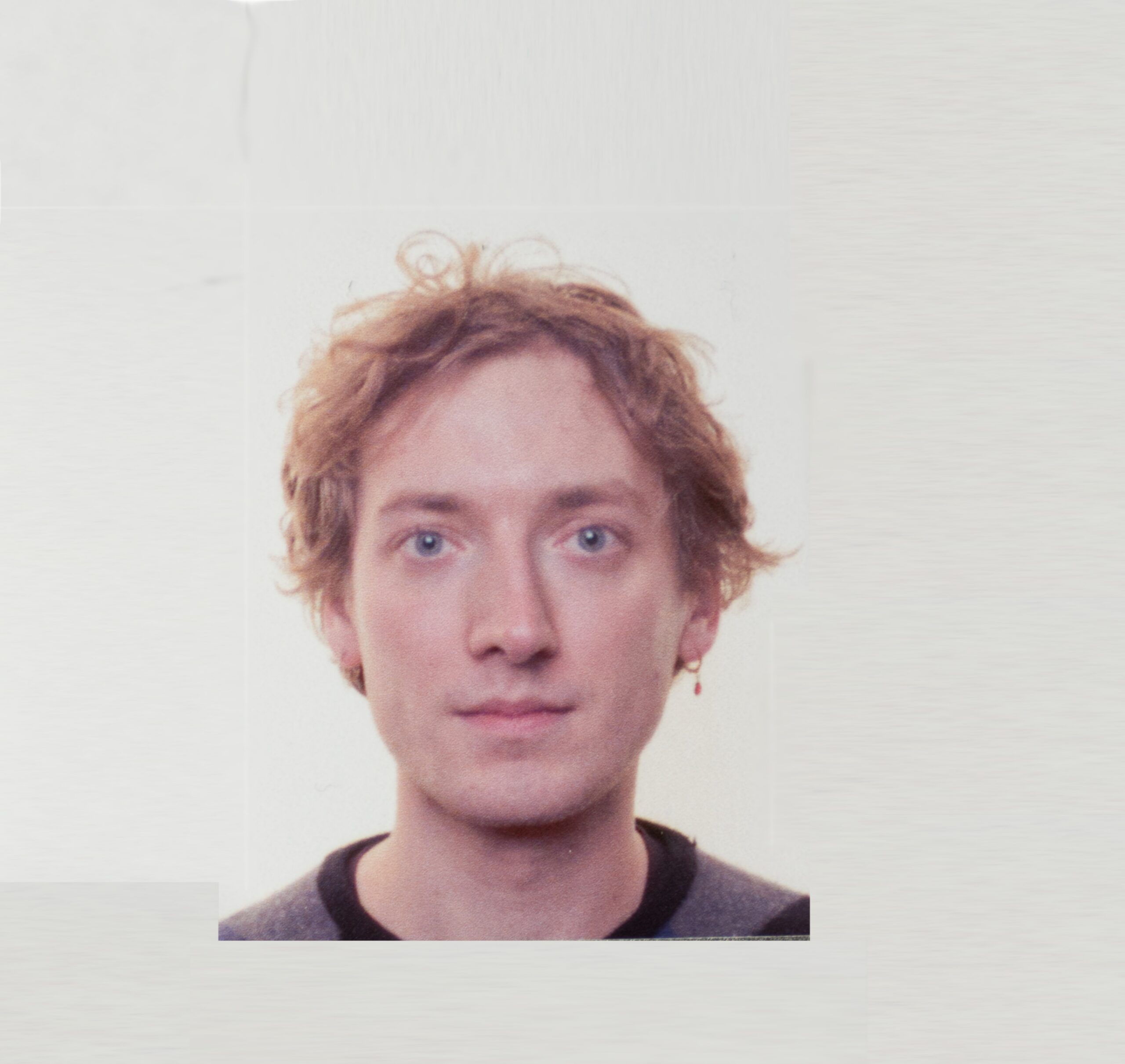
Martin Osowski

natuur, Geschiedenis, film, Experimenteel, Ecologie, Documentair, Diaspora, Dekolonisatie, Audiovisueel, Artistiek onderzoek, Archieven

Martin Osowski (1998, CA/PL) is an artist living and working in Rotterdam, NL. In 2019 he obtained a BSc in Aerospace Engineering from the Delft University of Technology, followed by an MA in Lens Based Media from the Piet Zwart Institute in 2022. Having begun his work as a photographer and musician, his practice now also encompasses moving image, written research, and publishing.

Drawing inspiration from the work of anthropologists such as Eric R. Wolf and James C. Scott, Martin explores the ways in which history, ideology, and power have come to shape our personal identities and fundamental ideas of what the world is. He is interested in how our subjectivies become entangled with ideology, how many of the meanings we hold most dear are the result of historical contingencies, and how what we view as natural is entirely dependent on what we first posit the world to be. His intention here is twofold: to deconstruct and critique the narratives that hold power over us, yet also to show the world we inhabit as not deterministic but historically contingent, and therefore open for us to reshape.

Martin is a cofounder of the nomadic worldbuilding and publishing collective Faun, as well as the Rotterdam-based studio collective Shed. His work has been shown at V2_ Rotterdam, WET and the EYE Filmmuseum.
Imagining the Frontier
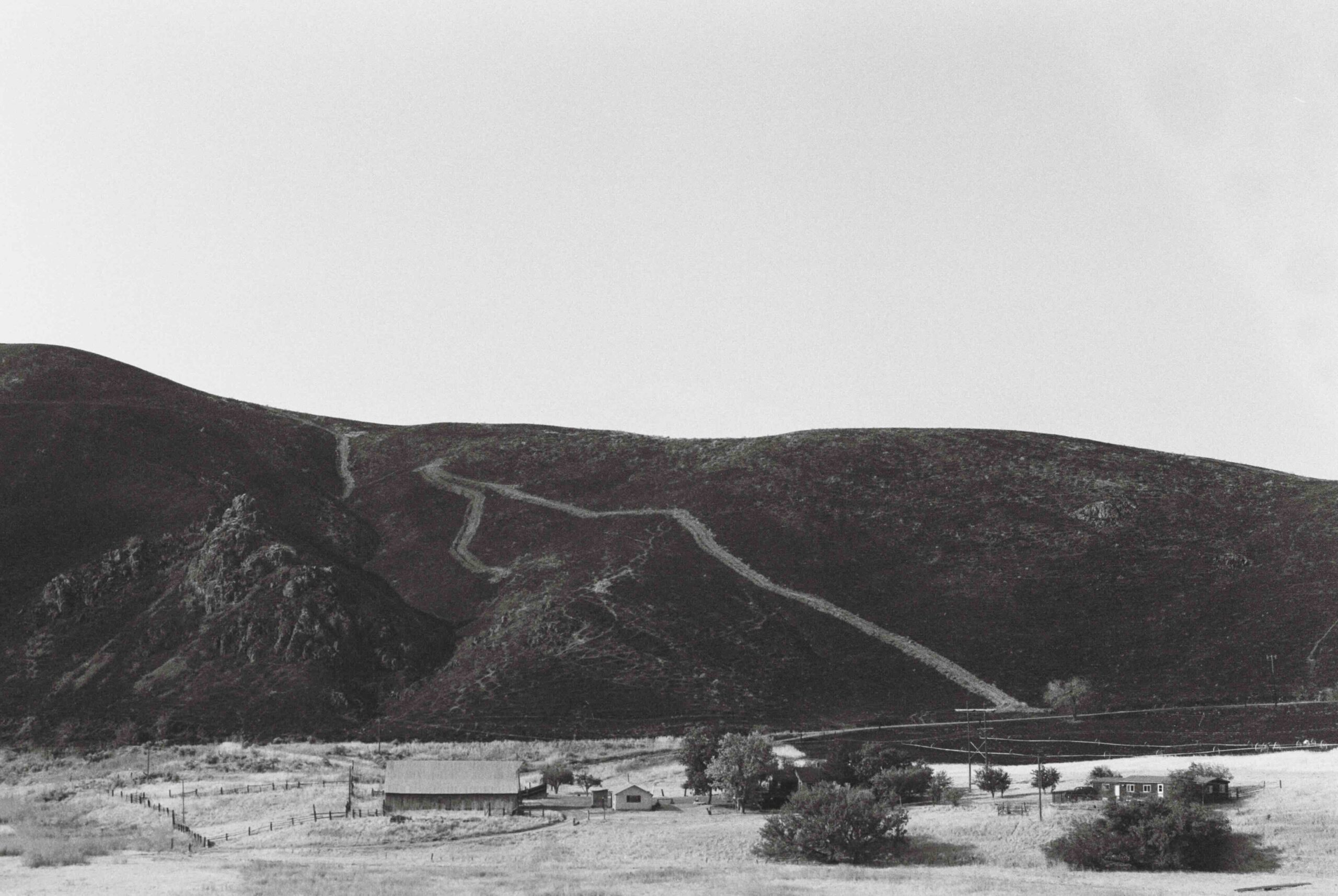
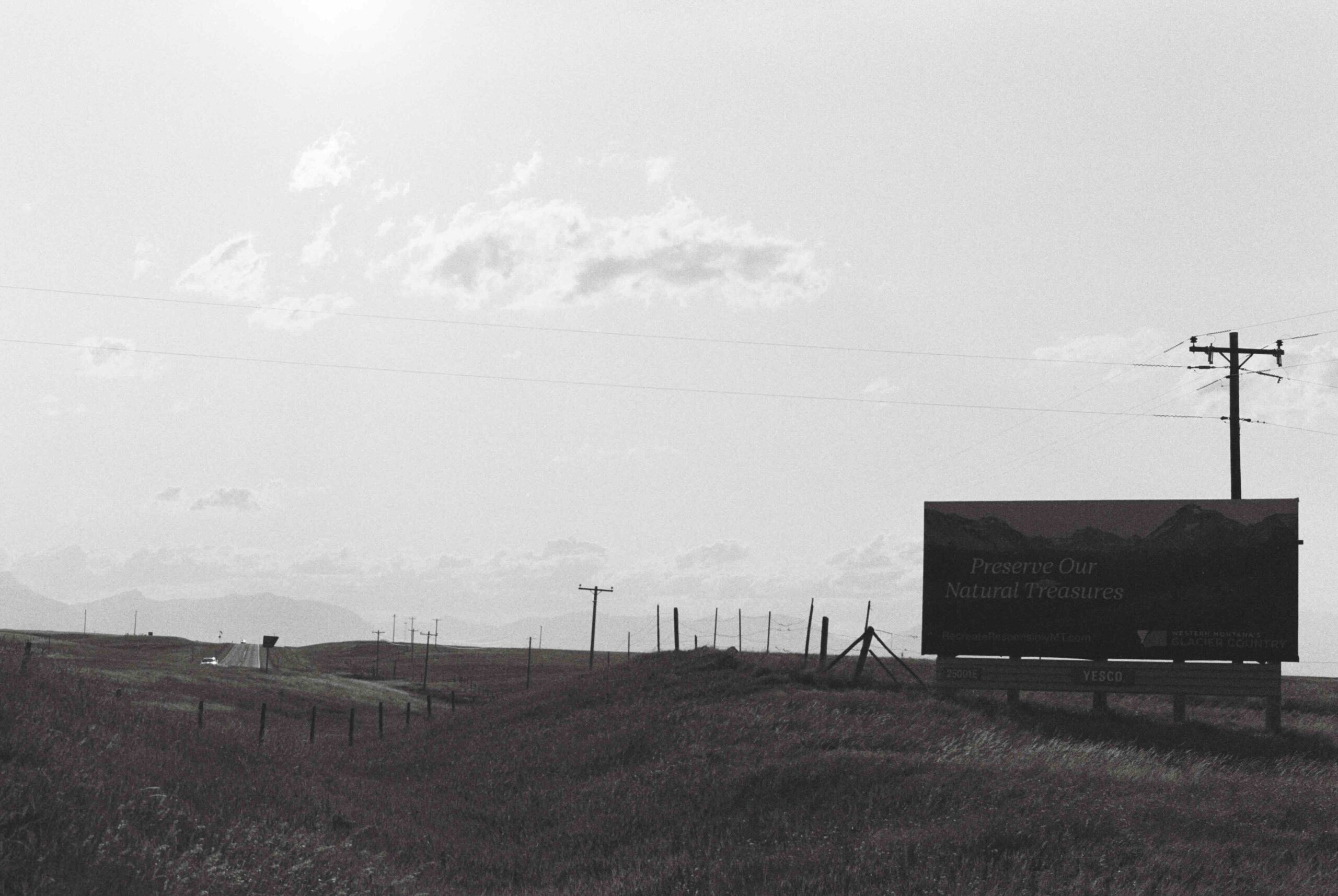
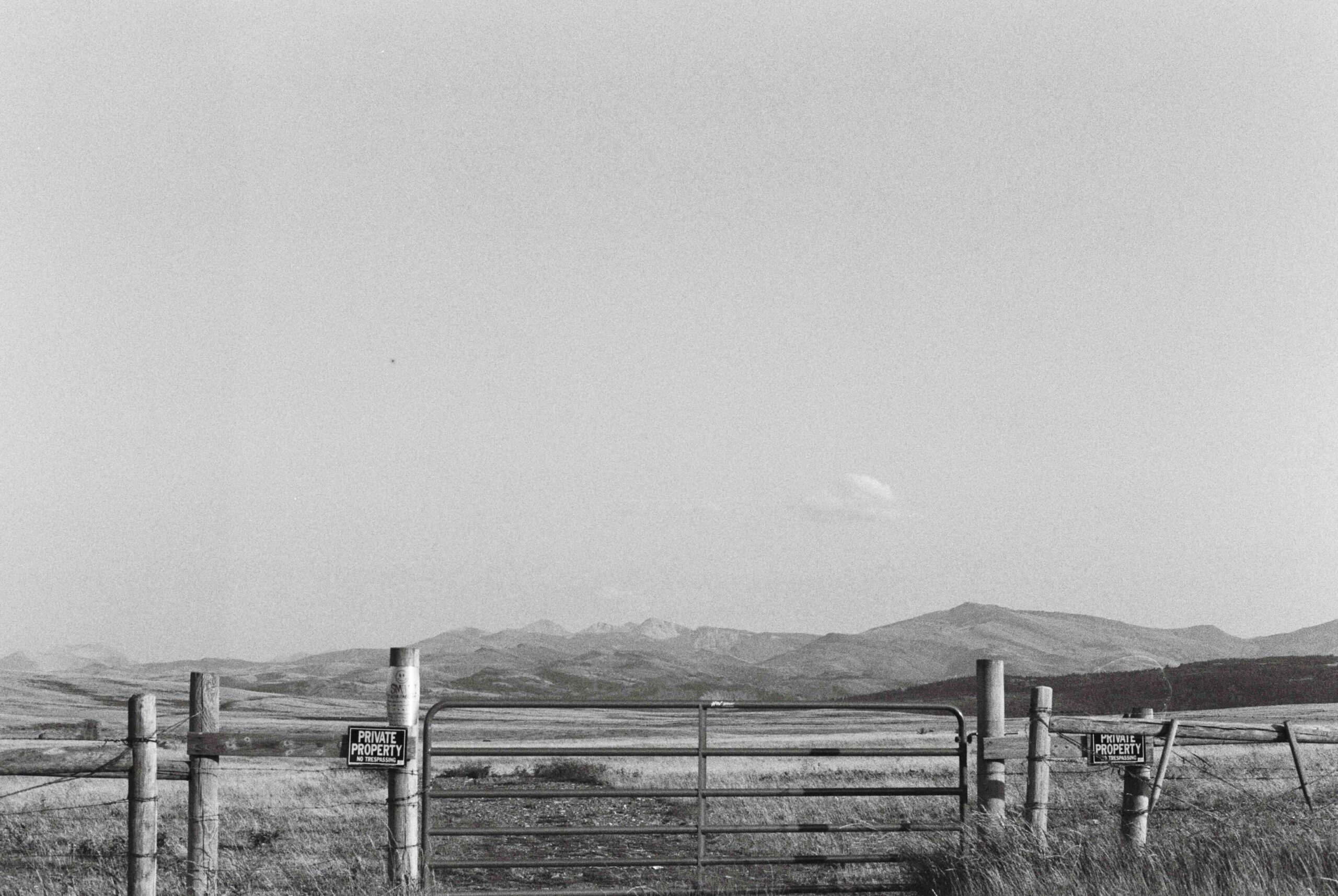
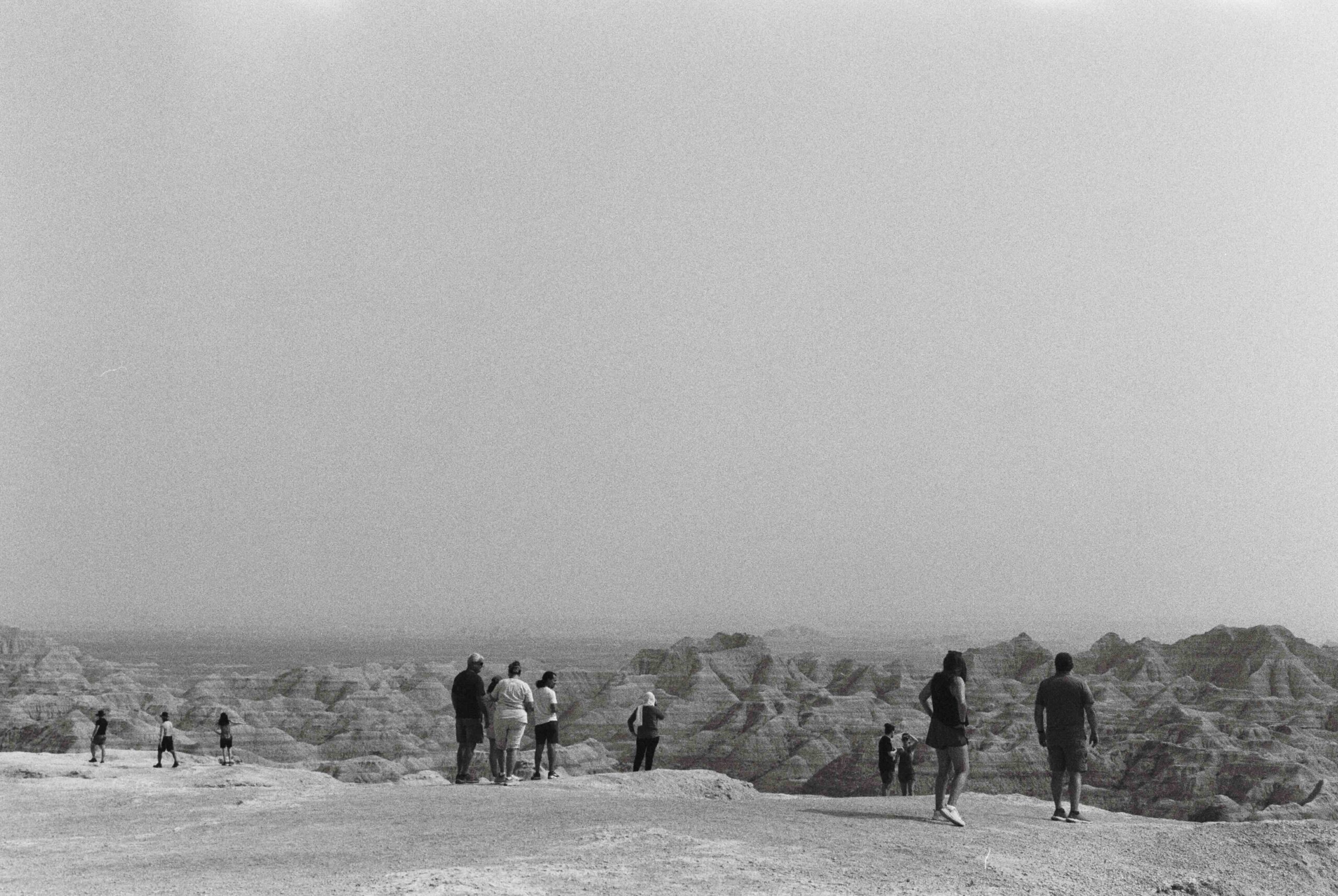
Imagining the Frontier - "Imagining the Frontier" is an ongoing photography project which explores the ideological structuring of landscape in western North America. It focuses on the concept of the Frontier, which was first introduced by Frederick Jackson Turner in 1893. For Turner, the Frontier was the westwards boundary between civilization and wilderness, and the ability to venture beyond this boundary to create a more authentic society was a central component of American identity. Yet even as Turner was introducing his concept, he was already lamenting its passing, for the Frontier was rapidly disappearing, if not already gone. It was therefore always a backwards-looking ideal, a golden age which had passed and was now longed for again. Yet if the Frontier itself was gone, it took on a life in people's hearts and minds that has come to shape many of our fundamental perceptions of landscape and nature, extending well beyond its origins in western North America. Materially, it found survival in what became national, provincial, and state parks: places where life beyond the Frontier could still be experienced, although now as a simulation made possible by intensive management and human intervention. Yet these highly constructed landscapes are still seen worldwide as the finest exemplars of true nature. They draw hundreds of millions of visitors a year, looking to catch a glimpse of what the world was like before it became corrupted by human hands. This world however is an illusion. Worse, it is an erasure: by positing the land as untouched since time immemorial, it masks the violent histories of colonialism which in reality shaped what these places are today.
Imagining the Frontier
Will Thy Kingdoms Not Persist
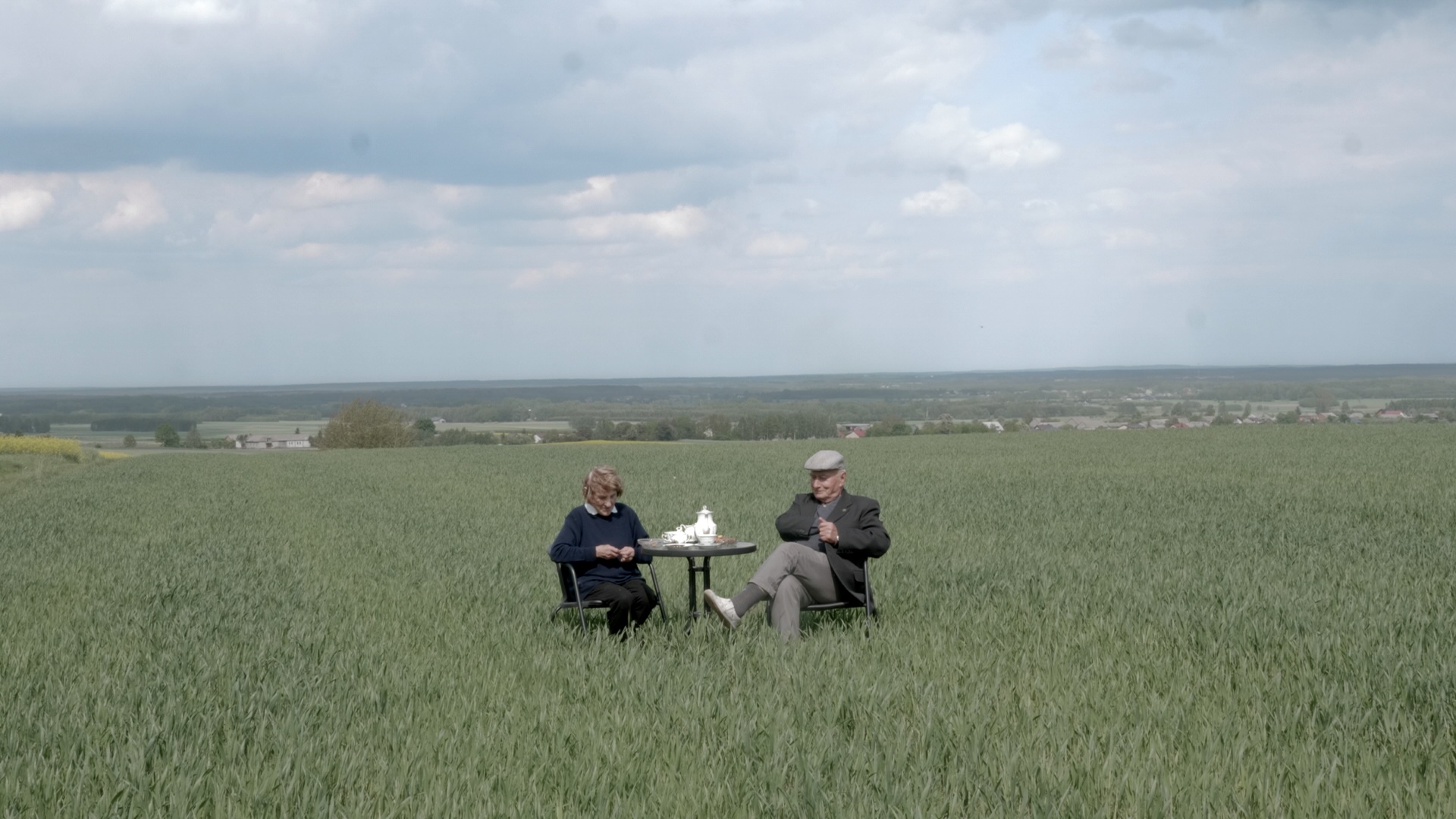
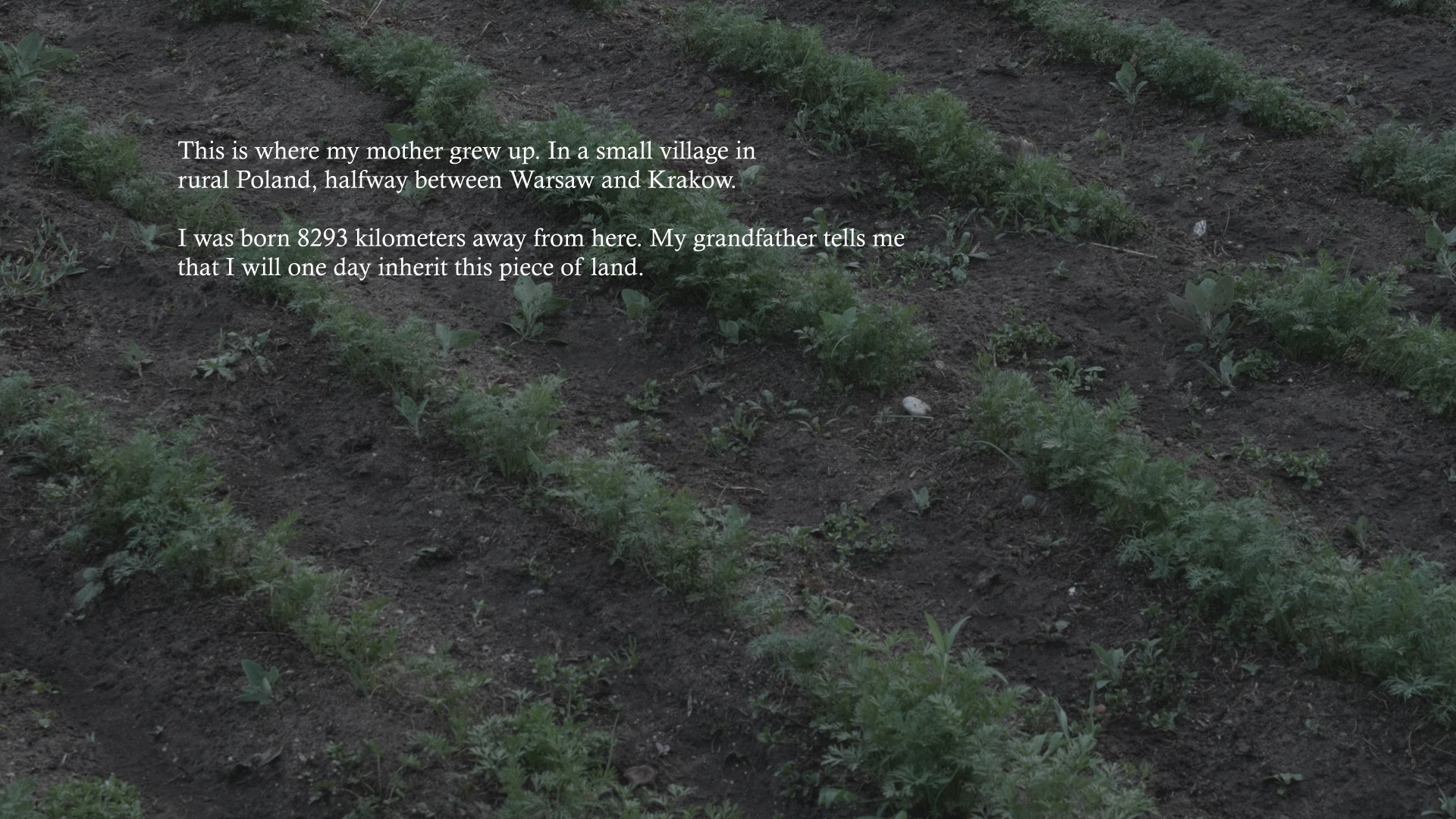
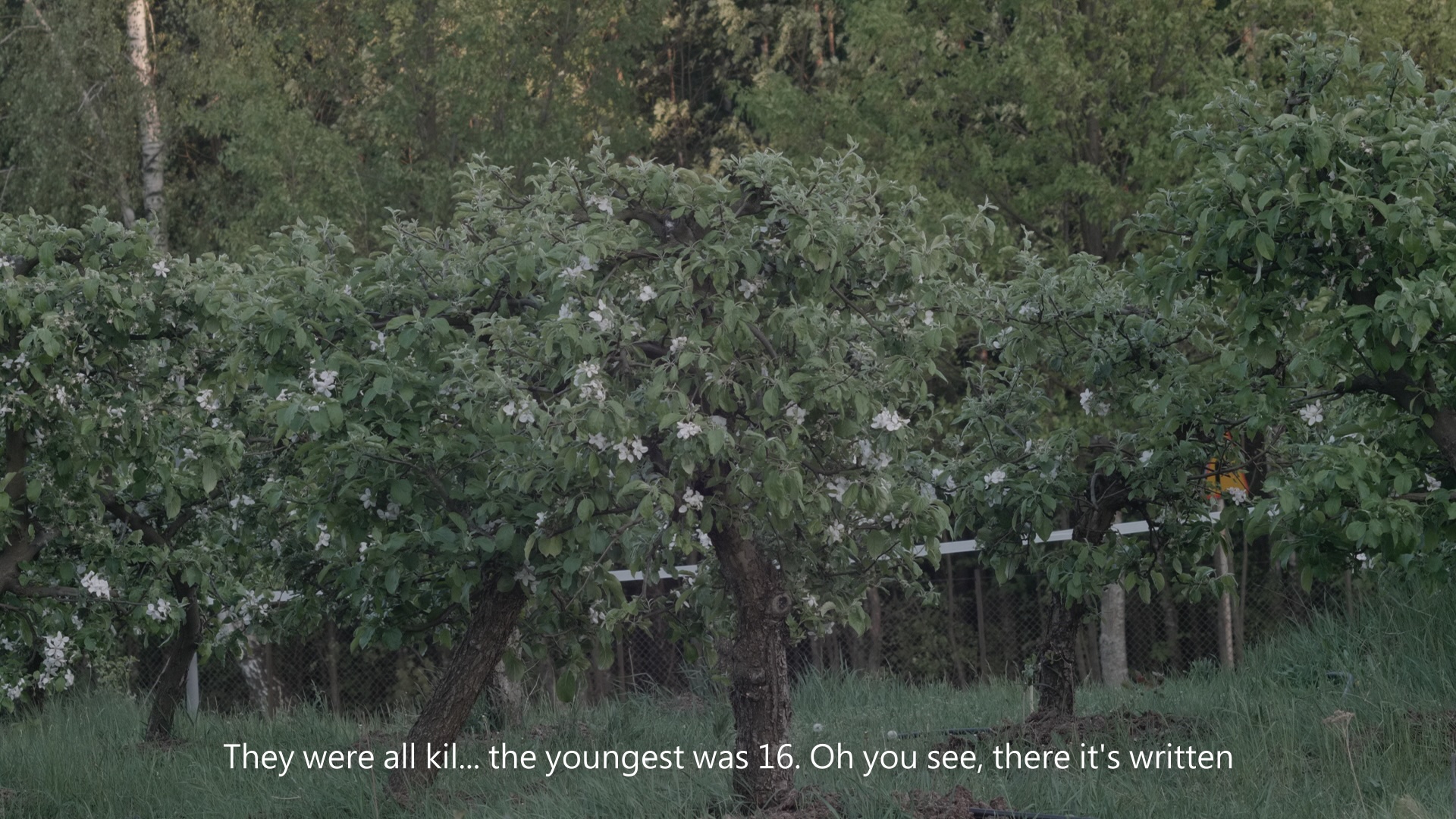
Will Thy Kingdoms Not Persist - A diary-documentary film exploring through the lens of diaspora the place in rural Poland where my mother is from, and where my grandparents currently live. Meditative portrayals of this landscape are interspersed with narratives of regional history, Catholicism, and science fiction. The film looks at the totalizing yet fragile dualities of these narratives and how they reflect or become reflected in the natural and constructed elements of a landscape, as well as the my own fragmented relationship to these worlds as a second generation immigrant in Canada. Presented at V2 during the exhibition Was There a Paradise, Or Was The Garden a Dream, and WET during Shovel, Hammer, Axe.
Will Thy Kingdoms Not Persist
The Mirror Interface
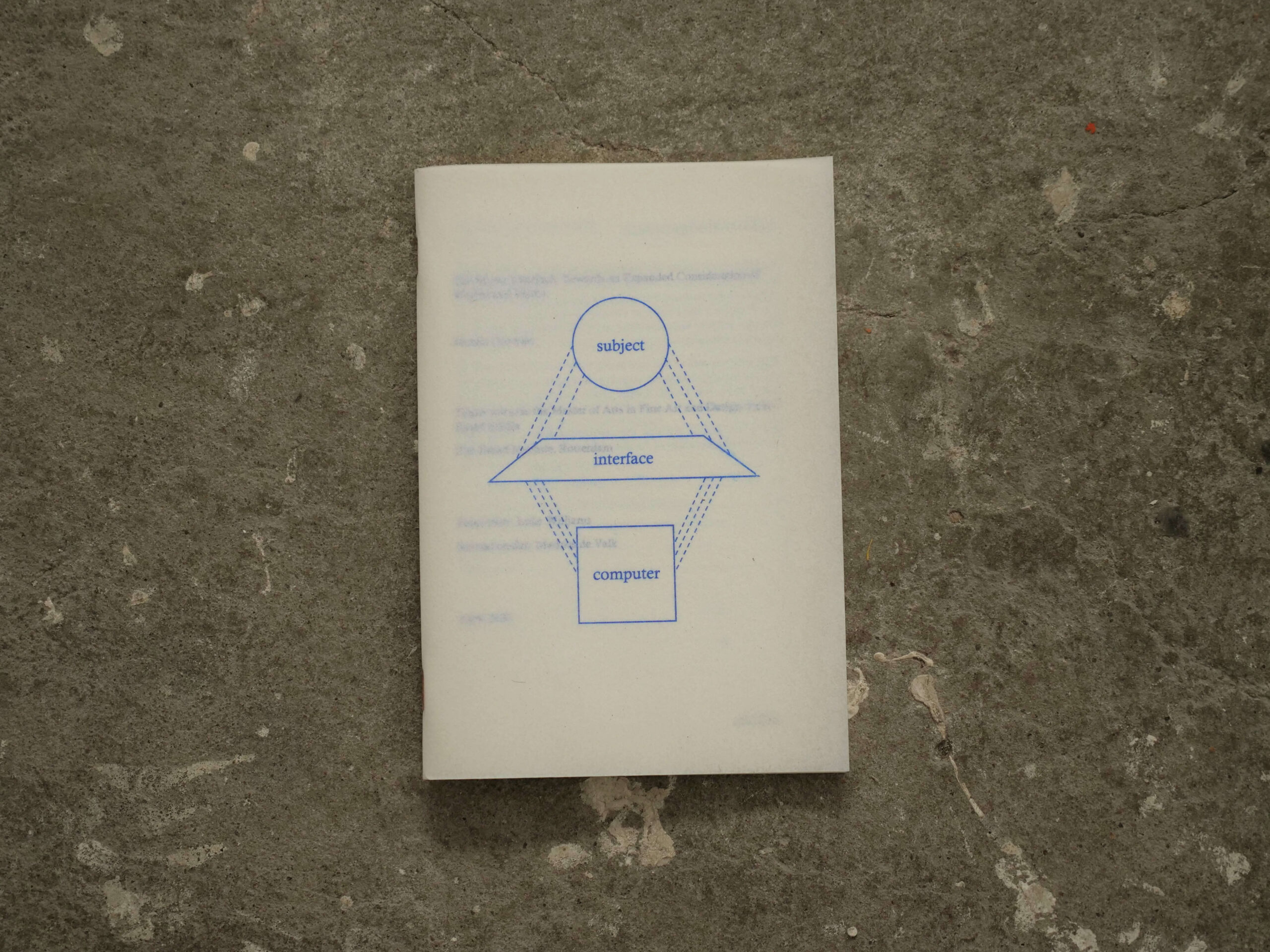
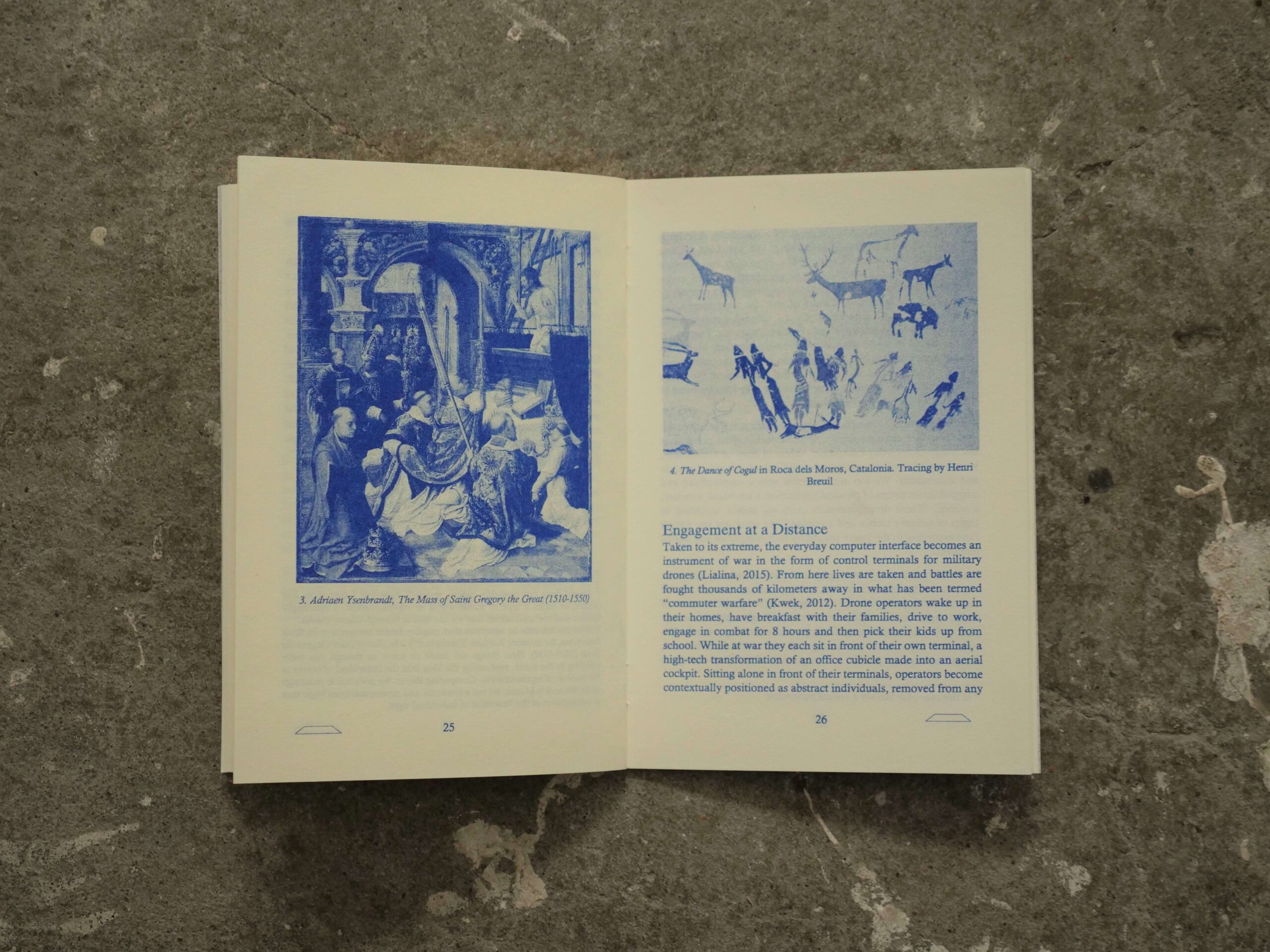
The Mirror Interface - The Mirror Interface is a research publication which explores the design of computer interfaces in relation to worldbuilding and ideology. Synthesizing literature from anthropology, art, and media theory, the text looks at how interfaces create specific ways of understanding the world through technologies of computation and analyses their repercussions. It proposes a methodology for thinking about what types of interactions interfaces do or do not afford, and speculates on how the appropriation of interface design could be a tool for political subversion. RISO printed in an edition of 25 on Kasaka paper. A digitial copy is available at: https://martinosowski.com/docs/The_Mirror_Interface.pdf
The Mirror Interface
Faunal Thoughts on The Carnivalesque
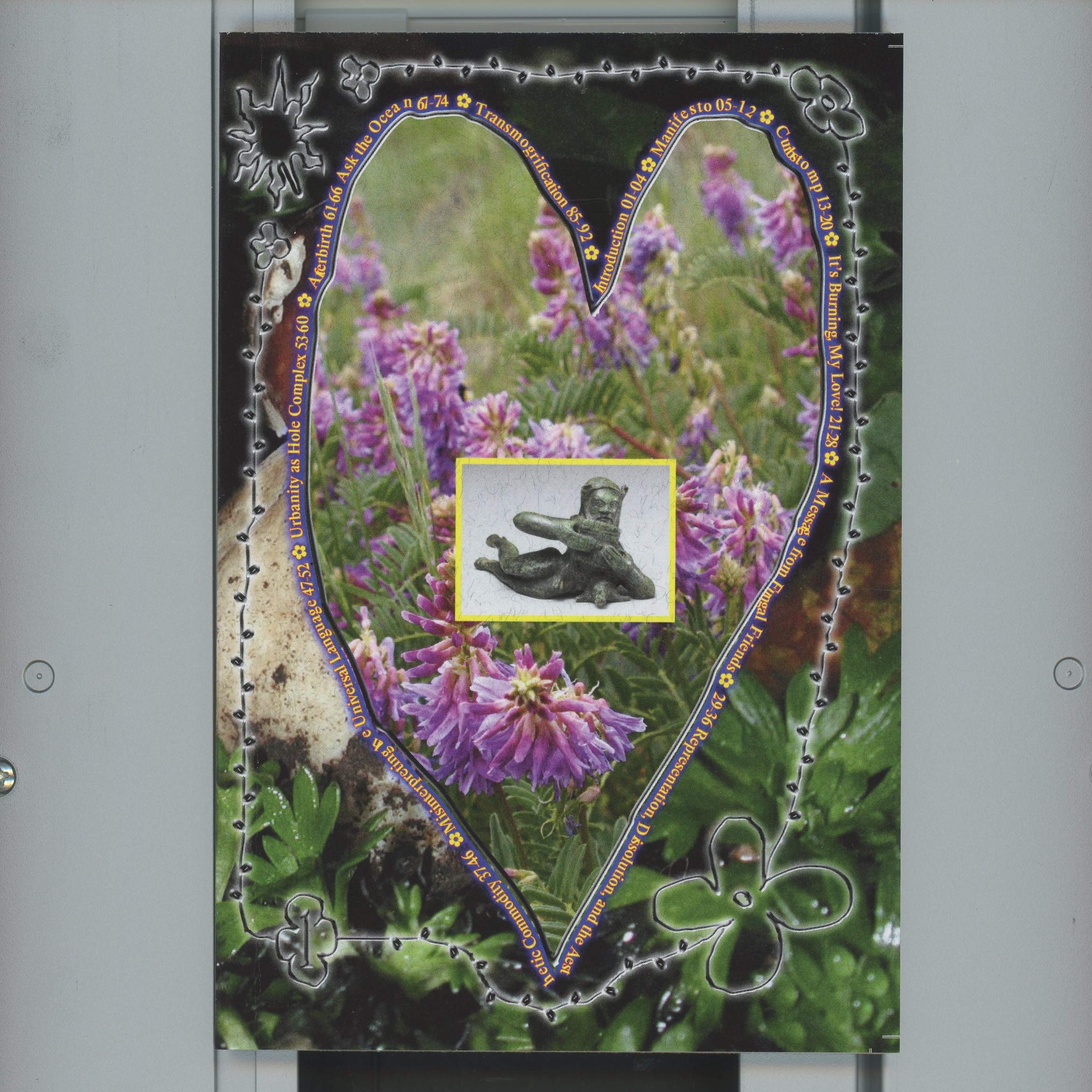
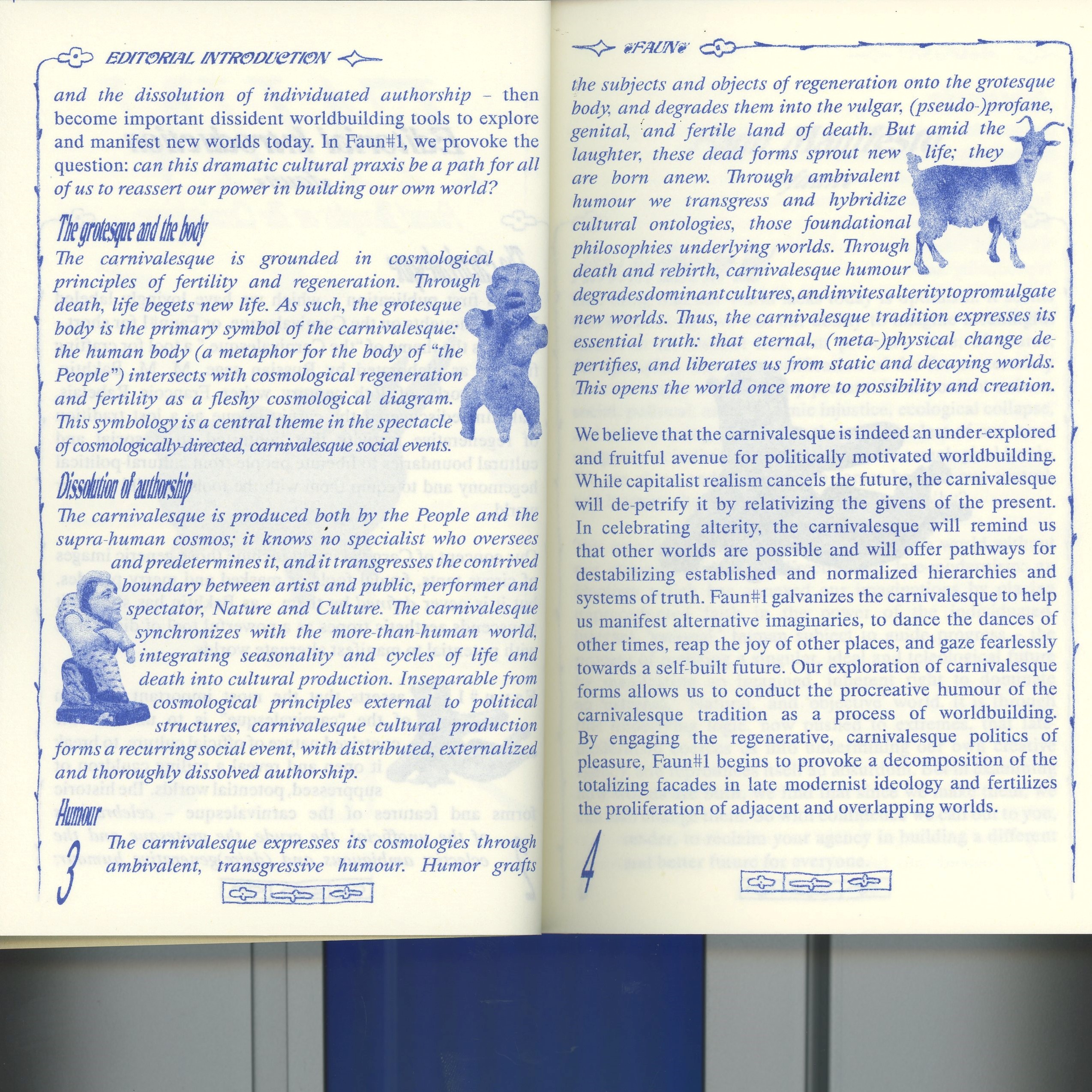
Faunal Thoughts on The Carnivalesque - Faunal Thoughts on The Carnivalesque is a collective publication exploring Mikhail Bakhtin's notion of the carnivalesque as a tool for manifesting alterity and politically motivated worldbuilding. Riso printed and perfect-bound in an edition of 150.
Faunal Thoughts on The Carnivalesque

Research into the environmental, social, and political history of Wilderness

Datum:
Locatie: Rotterdam, NL and British Columbia, CA

I have been researching the history of 'Wilderness', the idea of an untouched, pure nature that stands in opposition to a contaminating force of civilization. Taking the work of William Cronon as my starting point, I've become fascinated with the idea that untouched nature never existed, that it was invented by European and North American cultures in a history that comprises colonial erasure, middle class leisure, and religious ideology.

Deze kunstenaar heeft nog geen toekenningen.