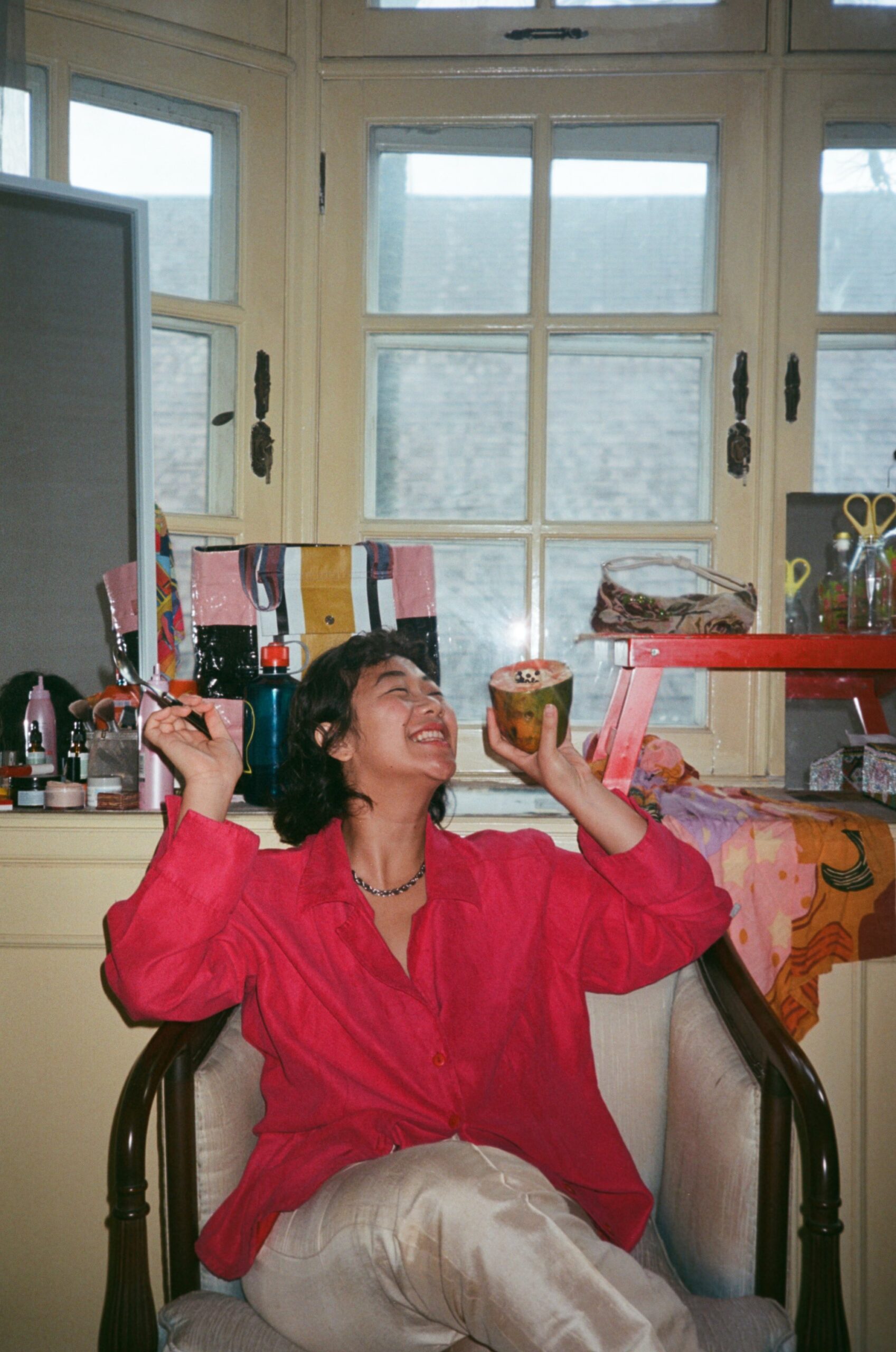
nernada

sociaal-maatschappelijk, Media, Archieven

Working across text, sound, moving image, and spatial design, Ernada's practice is rooted in post-colonial critique and feminist theory. Her work explores the entanglements of surveillance, language, and resistance, particularly within Southeast Asian contexts. Through installations, broadcasts, and collaborative formats, she examines how infrastructures shape who gets to speak, be heard, or disappear, often inviting the immaterial to confront what escapes institutional logic. Previously, Ernada worked as a communications strategist and writer for INGOs.
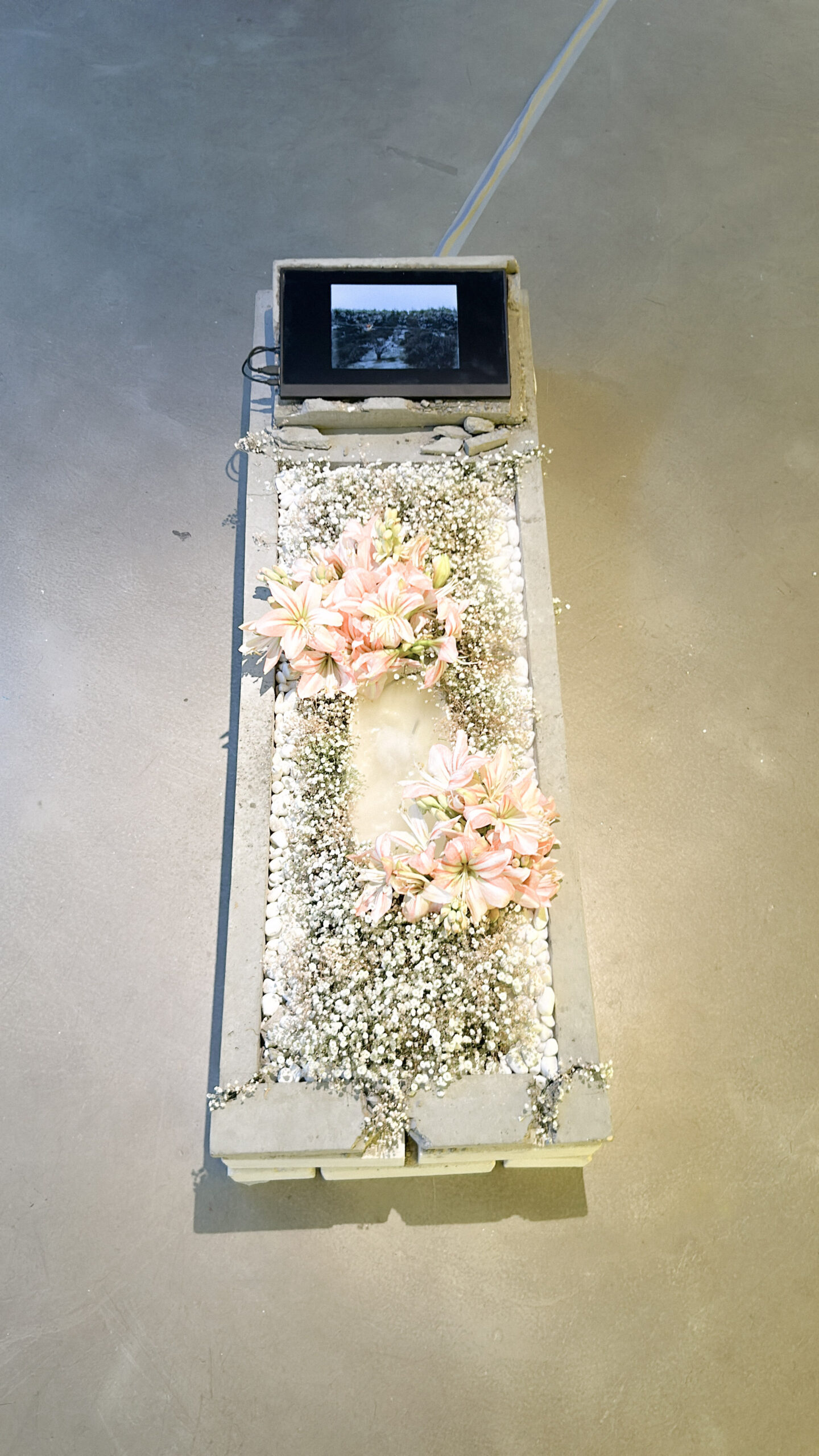
Softcore II
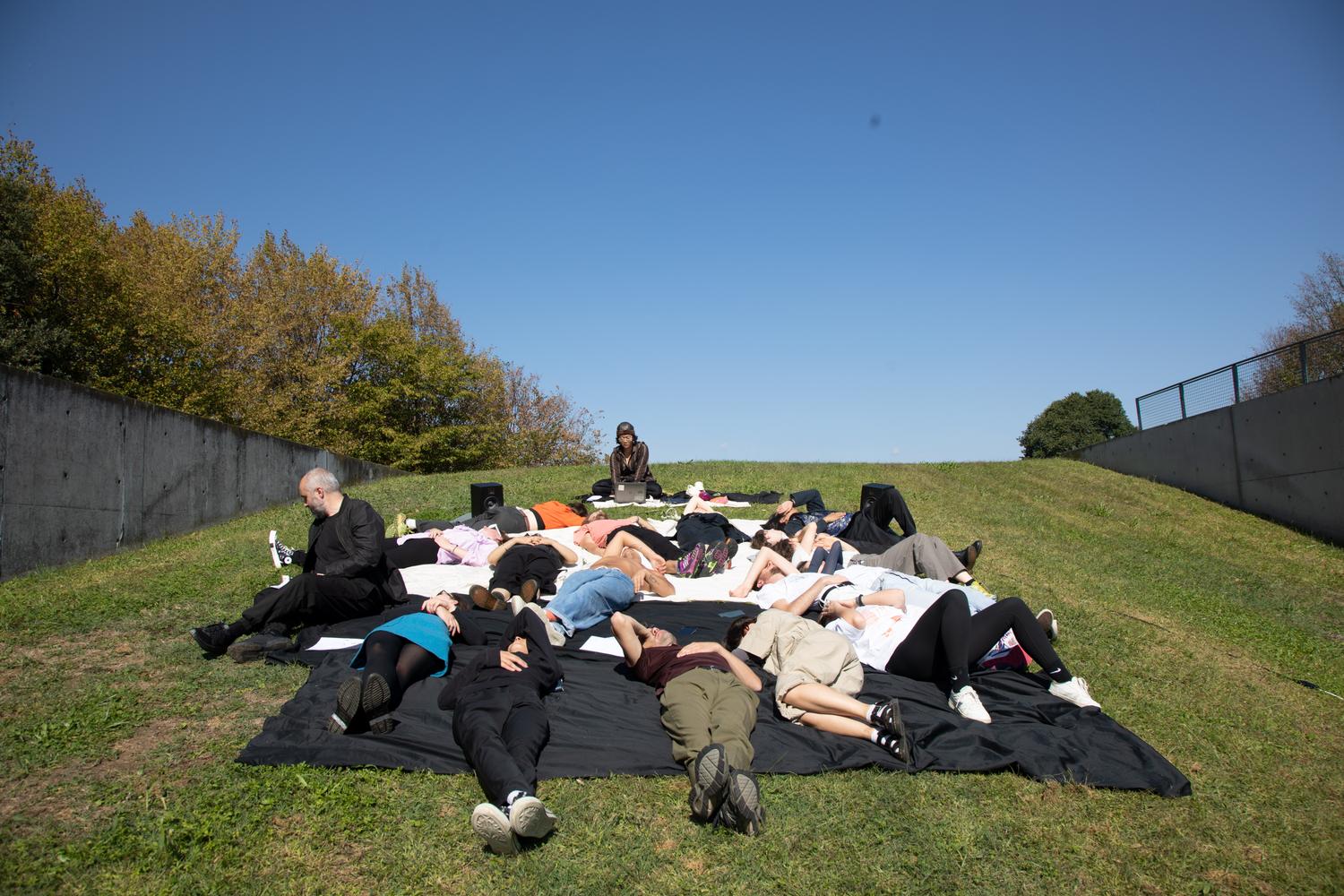
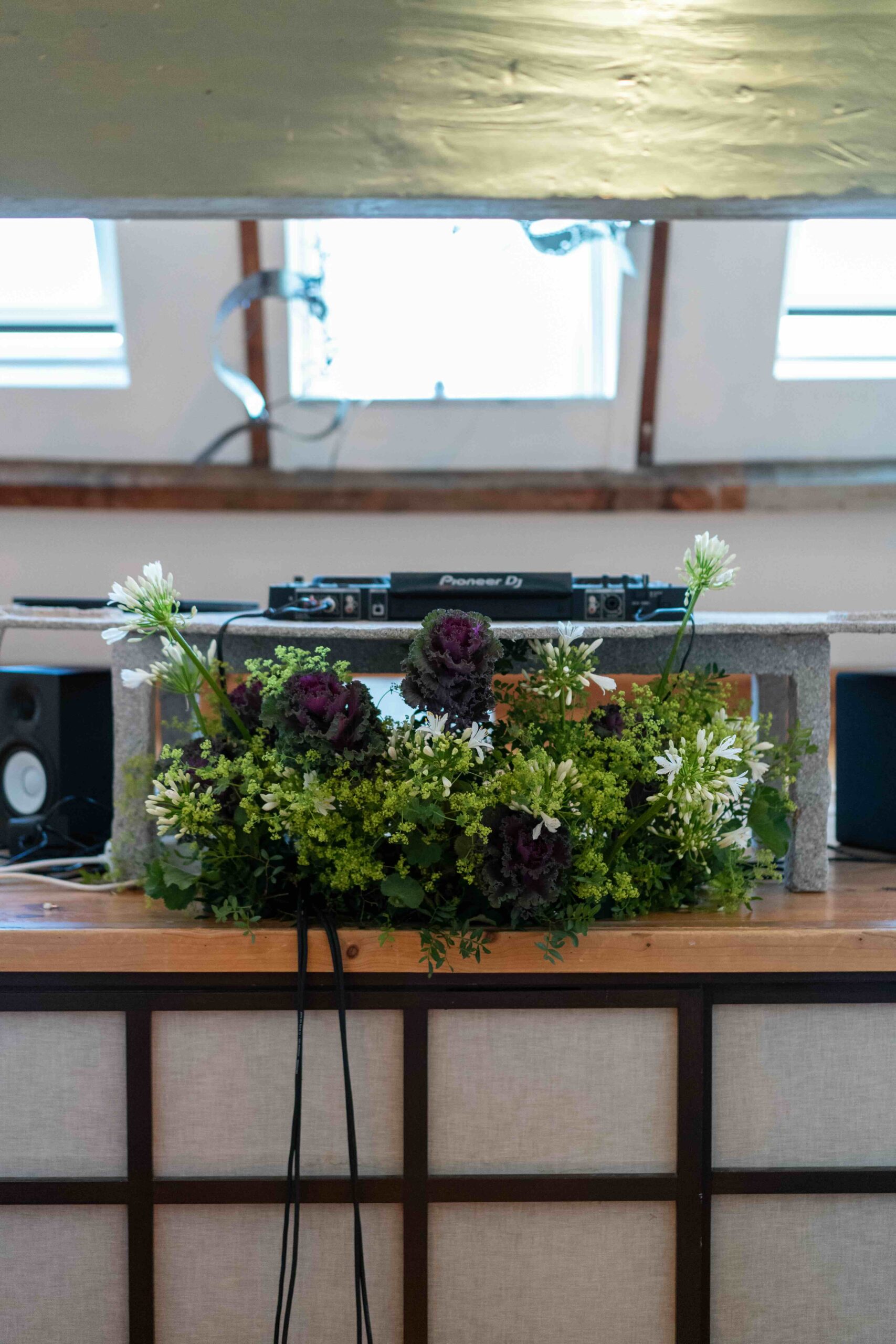
I'm Never Doing This Again / Softcore II - DJ set feat. Kate Takada / live audio-responsive visuals / star-shaped DJ controller table A performance inspired by the Queen of the Night cactus (Epiphyllum oxypetalum), a plant that blooms rarely and only for a single night. Less a flower than an object, it appears as an event—fleeting, luminous, and temporary. For this occasion, the curation of sounds was moody, lush, and expansive. The star-shaped DJ table was part of the original Softcore series, while the live visuals were processed through TouchDesigner to react in real-time to sound. This group show was curated and produced by Yara Veloso, Sophie Allerding, Nabila Ernada, Mila Broomberg, Lucila Pacheco Dehne, Isabel Legate, Colette Aliman, and Anna Bierler.
Re(tracing) Buruh Siluman
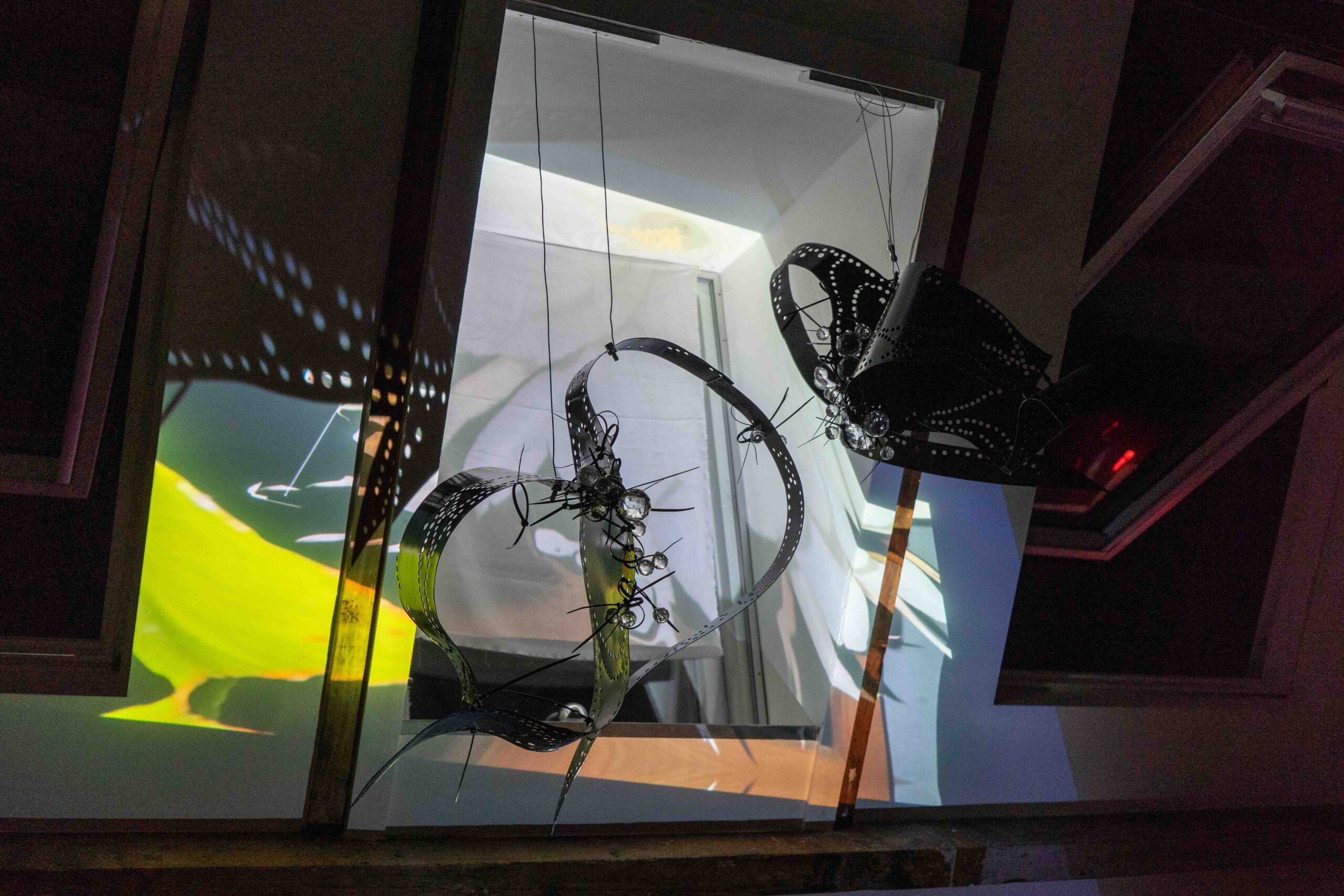
Re(tracing) Buruh Siluman - Multimedia and scent installation, variable dimensions, 2024 / EXHIBITED: Its smells like sweat and jasmine, CBK Zuidoost (Sept 15-Nov15 2025) and (Re)defining Kartini (24 April 2025), Verzets Resistance Museum This work explores the unsettling reality of buruh siluman—the invisible laborers within Indonesia's palm oil plantations. Drawing on the research of Dr. Hariati Sinaga, it traces how women's labor has long been hidden, exploited, and erased, while making visible the ghosts that continue to haunt these landscapes. The exploration of the archive reveals longstanding practices of labor exploitation in Indonesia—the cost of colonial expansion borne through the dehumanization of plantation workers. It also traces the intersections of gendered and economic exploitation that emerged with the rise of colonial industry. As a homage to the lost and invisible women conscripted into specific tasks and classifications of labour, this work highlights both those working in the fields and those confined to colonists' homes. On these plantations, women served as physical labourers, picking palm fruit for meagre (and at times nonexistent) wages, but also as nyais (indentured housekeepers) subjected to sexual exploitation by their “employers.” The images, sourced from the KITLV (Royal Netherlands Institute of Southeast Asian and Caribbean Studies) archive, are re-edited and combined with contemporary visualizations—making visible how colonial records themselves often erased these women. The ghosts they left behind continue to haunt the palm oil fields today, where the same systems of labor still exploit women workers. The Melati flower, or jasmine, carries a dual meaning: its fragrance evokes otherworldly spirits, echoing the spectral existence of the buruh siluman, while its use as a pseudonym for sexual assault victims in media underscores the vulnerabilities hidden within these plantations
Softcore
Softcore - Softcore for Brutus Takeover Exhibited at Wild Summer of Art 2025 Softcore is a femme-led installation that reimagines nightlife as a care-driven, interactive system. It listens back, holds you gently, and pulses with collective joy. Sculpted sound stations meet cuddle-ready loveseats, while retro consoles hum with play. The installation sits somewhere between a lounge, a slow party, and a shared living room. Created in collaboration with Linda Ucelniece (LV/NL), the work continues her practice with sculptural speaker objects and loveseats. Together, we built a space of rest, sound, and collective experimentation, where nightlife becomes soft infrastructure. Commissioned for Brutus, July 11–13, 2025
PALAPPPPPA
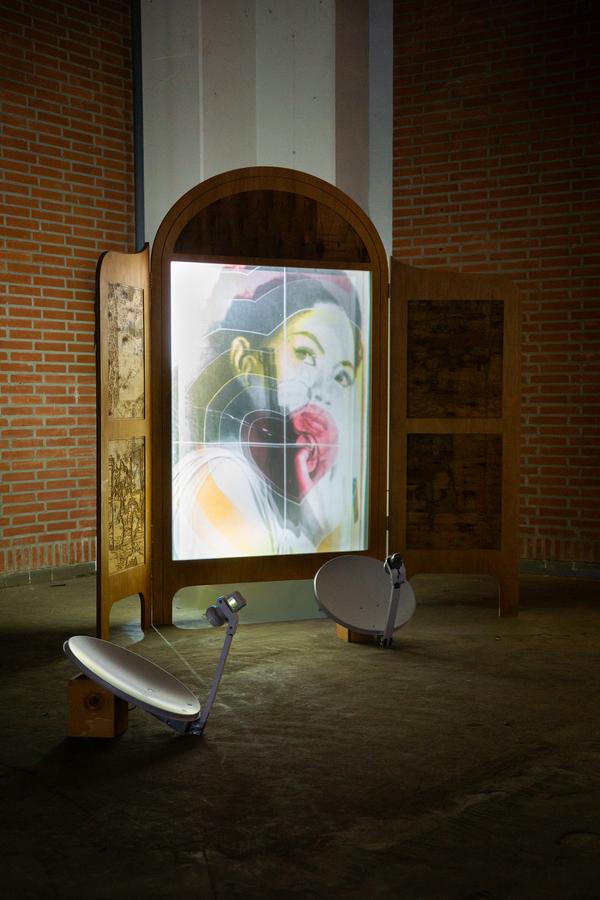
PALAPPPPPA - Archive film / wood / speaker design. PALAPPPPPA, (each additional 'P' signals 'perempuan', Indonesian for women) is a film and sound installation that examines how Indonesia’s state-controlled media, under Suharto’s New Order (1966–1998), cultivated a culture of self-surveillance and used it as a tool for control. Focusing on the aftermath of the 1965 military-backed purge, which targeted the feminist movement Gerwani through false accusations and propaganda — the work reflects on how the government used media to entrench ideological control in everyday life. A film collage of archival footage, legal texts, historical magazines and contemporary livestream aesthetics. Subtitles serve as feminist annotations that challenge official narratives and historical erasure. A soundscape by Bali-based designer Agha Praditya Yogaswara — recorded at symbolic sites including a market, daycare, and community centre — is transmitted through reactivated satellite antennas. The result is an immersive environment where active listening becomes a political and restorative act. The project is named after Indonesia’s first communications satellite, Palapa.
Out of Sight
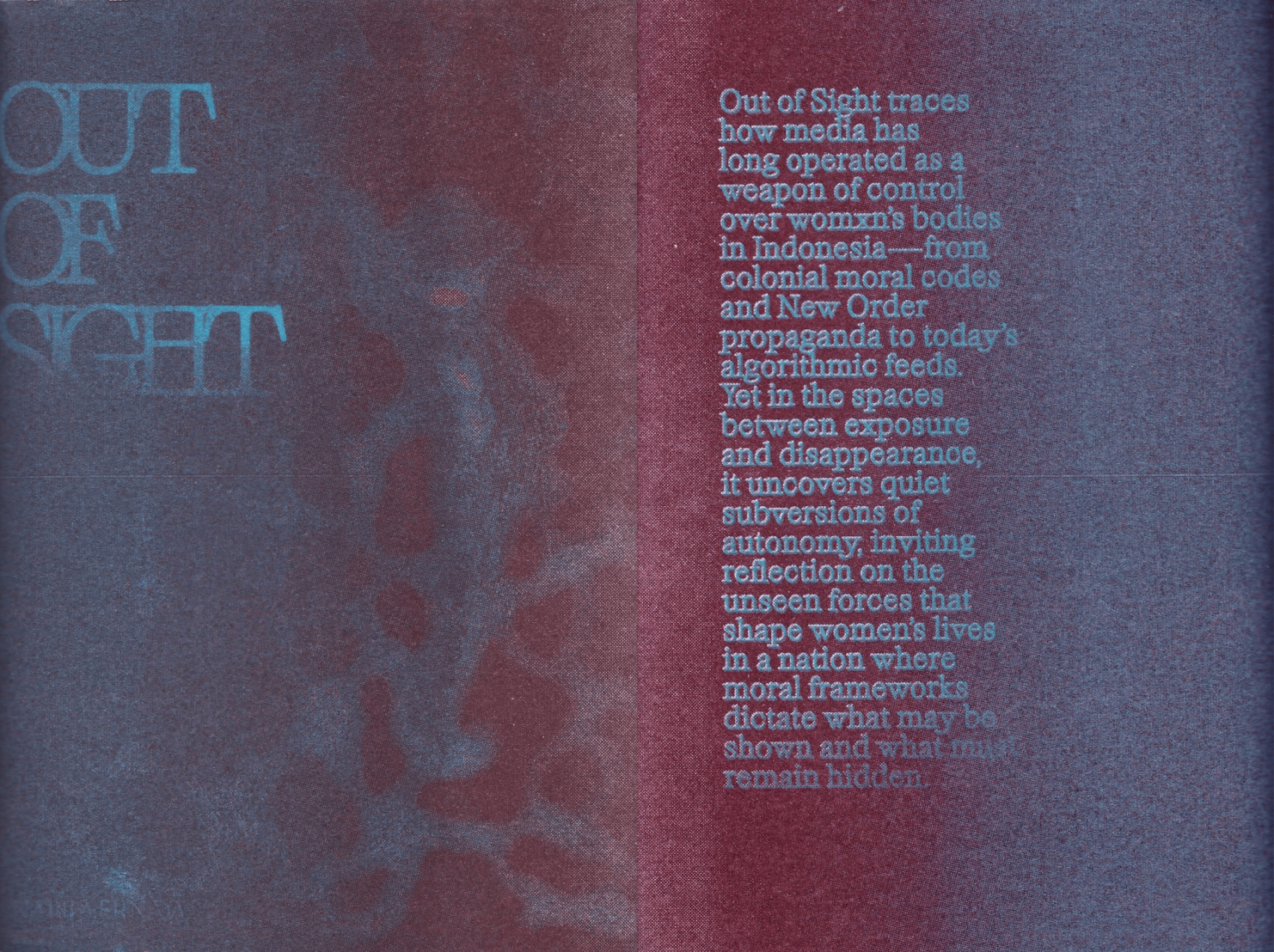
Out of Sight - Awarded Best Thesis at Design Academy Eindhoven. Through the metaphor of the womb, it examines how visibility and erasure tighten their grip on women’s bodies, shaped by state power and digital technologies. In the spaces between surveillance and resistance, this work uncovers the quiet subversion of autonomy, inviting us to reflect on the unseen dynamics that govern women’s lives in a nation where moral frameworks dictate what can be seen, and what must remain hidden.
The ATM/Rituals of Debt
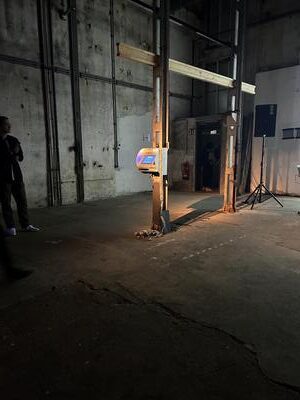
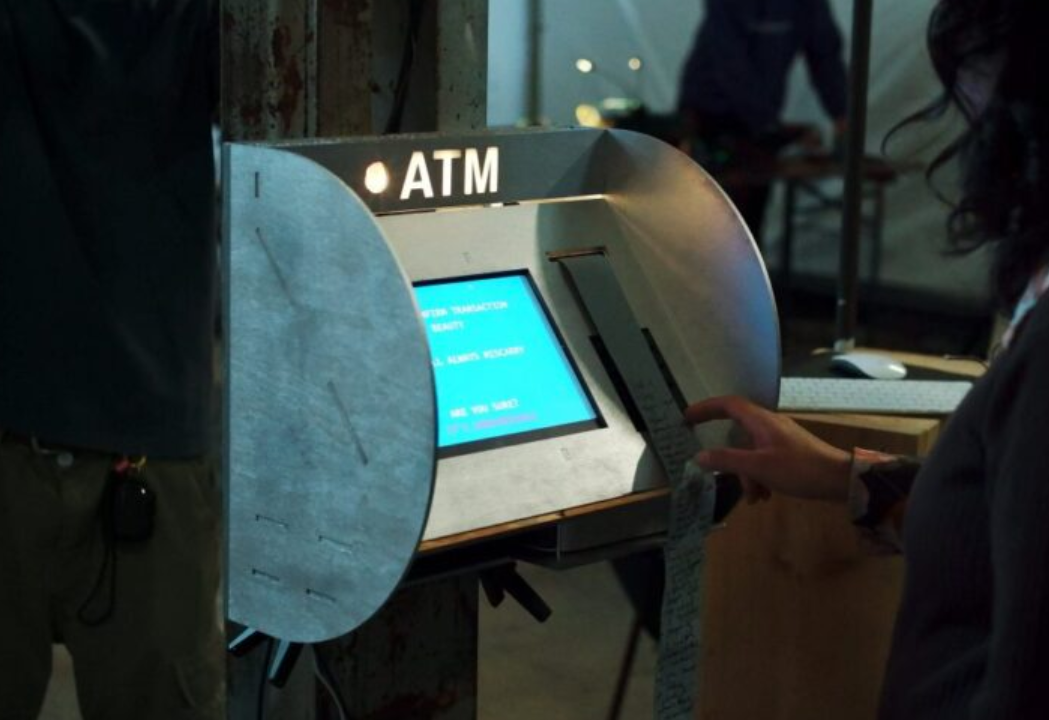
The ATM/Rituals of Debt - Multimedia interactive installation, variable dimensions, 2024 Exhibited: Schmiede Workshau, Austria (September 2024) , part of V2_ Summer Sessions Residency The Susuk ATM reimagines debt as both a financial and mystical transaction. While society dismisses practices like susuk as superstition, it normalises equally exploitative systems of credit and loans—both binding people into cycles of obligation and submission. By turning finance into ritual, the work blurs the boundaries between technology, mysticism, and economy. While society shuns black magic like susuk* as taboo, it accepts equally exploitative systems like credit and loans. Both forms of debt lock individuals into cycles of obligation, material and spiritual. Debt becomes a tool of submission, exposing deeper truths about dependence and control. This speculative ATM playfully envisions a cheeky intersection of technology, mysticism, and economy, transforming a mundane financial transaction into an intimate ritual. As an interactive piece, it invites users to submit something personal in exchange for a return, blending vulnerability with the mechanics of exchange. By acting as a portal where ritual meets finance, it challenges the divide between institutional systems and occult practices, revealing their shared roots in debt and submission. In uncertain economic times, both tools serve as mechanisms of control, feeding the human hunger for immediacy. Donna Haraway’s cyborg—a boundary-blurring figure—resonates here: the susuk ATM reimagines the consumer as a hybrid of desire and debt, navigating the blurred lines between agency, technology, and mysticism.
Womb, Exit
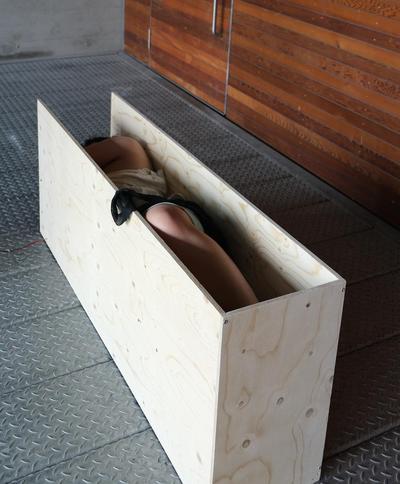
Womb, Exit - Multimedia interactive installation, variable dimensions, 2024 | Womb, Exit is an intimate installation that reimagines underground abortion practices developed in restrictive environments. Inspired by historical massage and magical techniques used to induce abortion, it transforms vibration, compression, and sound into a sensory encounter with the tension between care and control, access and denial. While abortion is technically permitted under narrow conditions in Indonesia, in practice it remains inaccessible for most women. Bureaucratic delays, stigma from healthcare providers, and the threat of criminalisation force many to seek unsafe, underground methods. Hospitals and clinics often deny care on moral grounds, reducing reproductive rights to a privilege rather than a guarantee. These systemic barriers push reproductive autonomy into the shadows, where survival depends on secrecy, improvisation, and risk. Womb, Exit channels this hidden history. By drawing on massage and magic-based techniques once used to induce abortion, the work references practices that were both illicit and essential—methods that persisted in plain sight yet were rendered invisible by law and morality. In translating these gestures into vibration, compression, and sound, the installation makes palpable the pressures that restrict women’s choices, while also evoking the ingenuity of underground care. At its core, the piece reflects the paradox of visibility: reproductive rights in Indonesia are not simply erased, but strategically obscured—acknowledged only as criminal, never as healthcare.
The Foot Guru
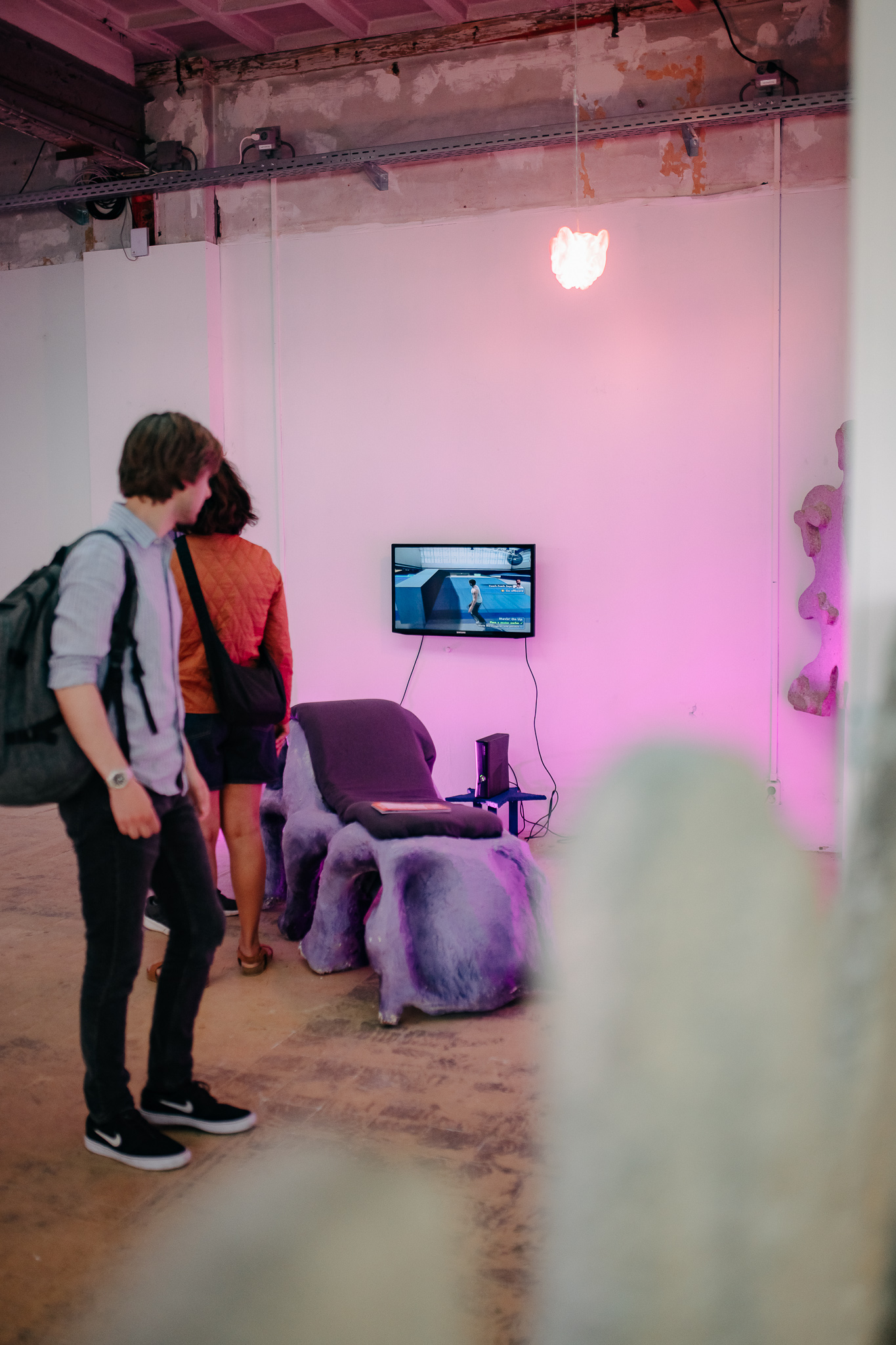
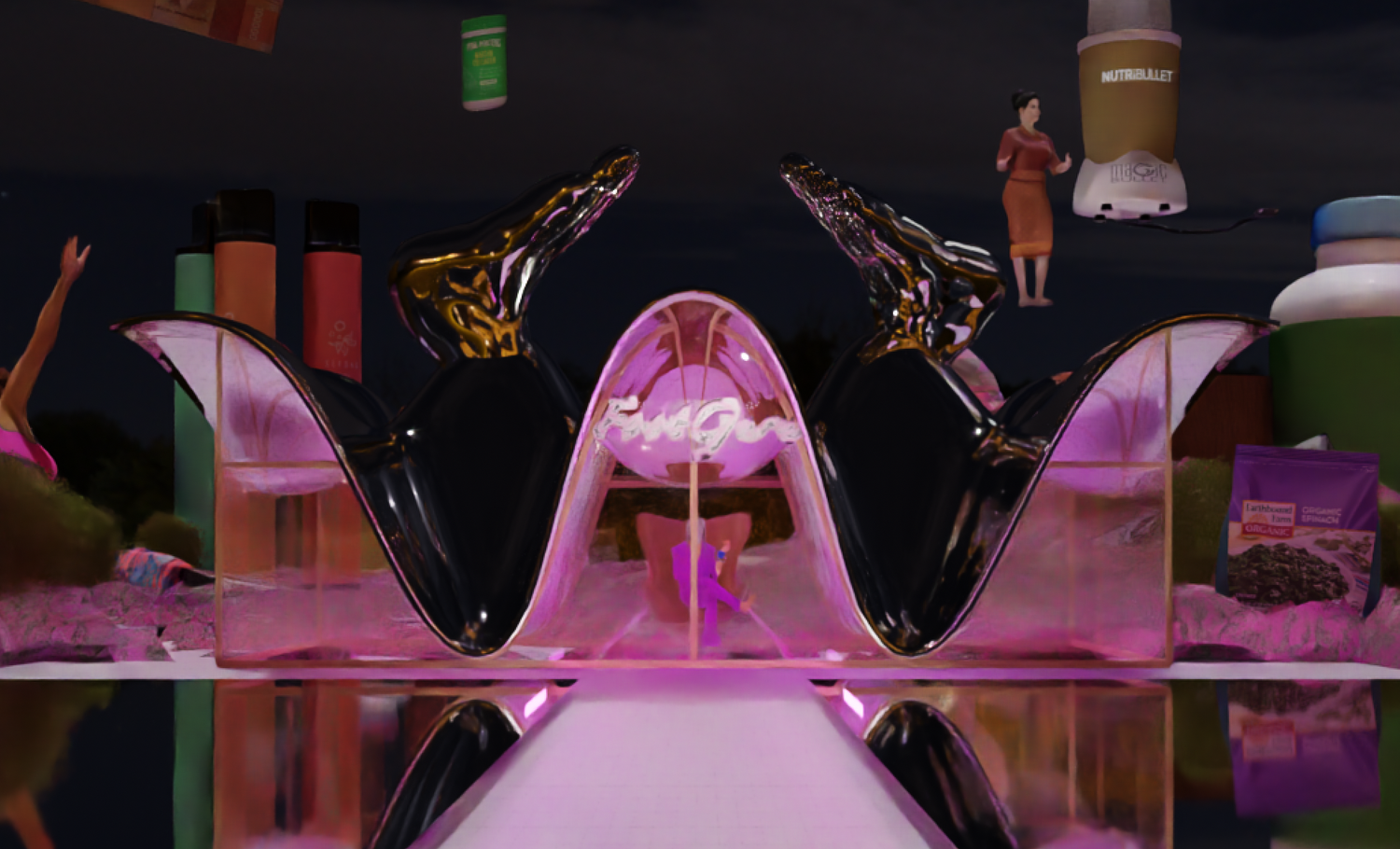
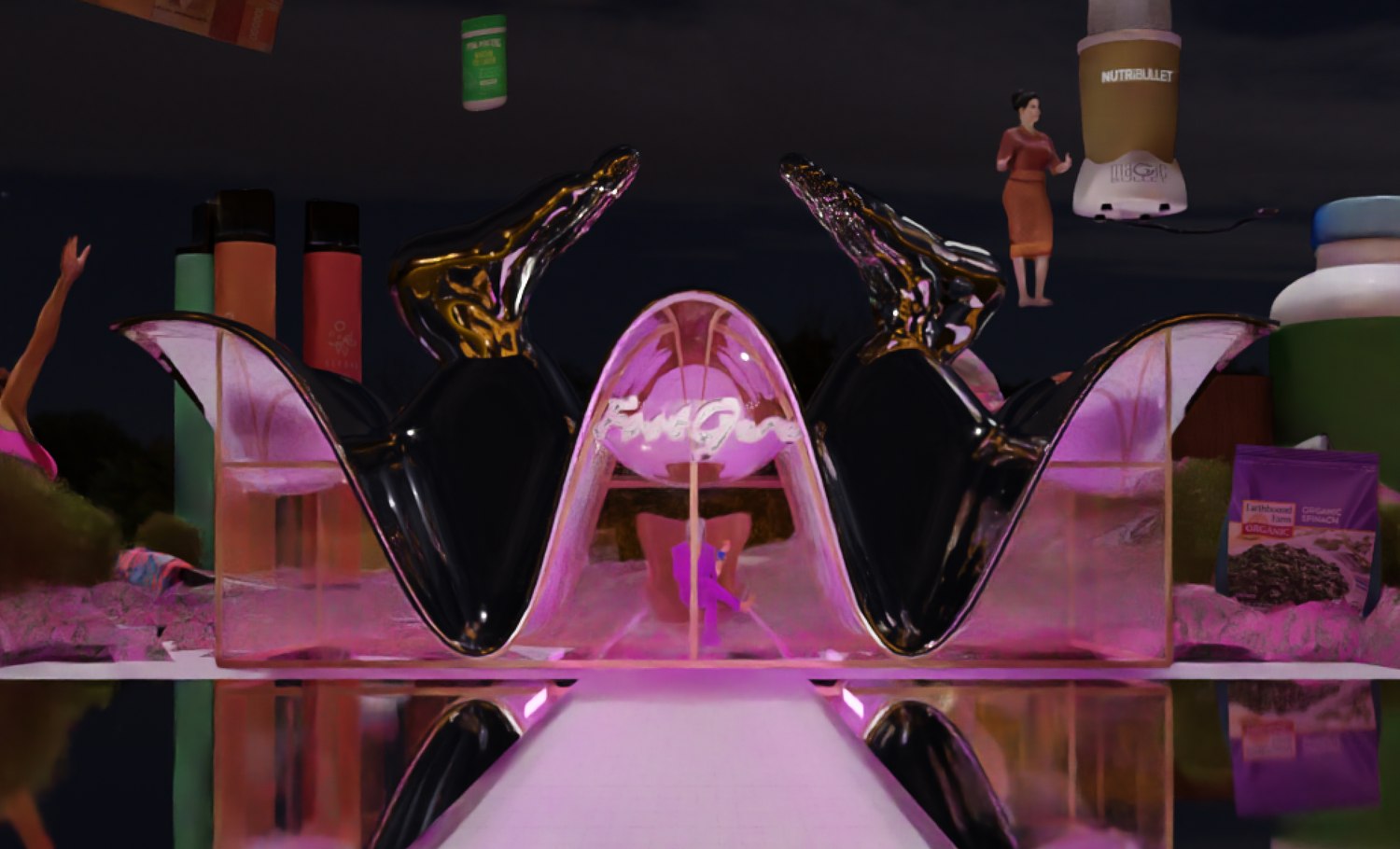
The Foot Guru - Multimedia interactive installation, variable dimensions, 2023 Exhibited: Here Becomes Elsewhere, Fabrica, Treviso and Bacchanalia Absorbs the Night, Van Abbemuseum, Eindhoven The Foot Guru is a video game and interactive installation that satirises the pursuit of effortless productivity and wellness in post-digital capitalism. Controlled entirely through the visitor’s feet, it stages a surreal consultation journey where spiritual healing collides with technological optimisation. Developed during my residency at Fabrica Research Centre in Treviso—Benetton’s communications and research hub known for supporting experimental and interdisciplinary projects—the work was first exhibited in the 2022/23 exhibition Here Becomes Elsewhere. Fabrica is internationally recognised for bringing together young designers, artists, and researchers from across the world, making this an important platform to test and present experimental practice in dialogue with a global cohort. In The Foot Guru, I created both the conceptual framework and the interactive game system, weaving together research on internet subcultures, occult beliefs, and wellness economies. The choice to use the feet as the primary interface was deliberate: to subvert the hierarchy of the body in digital culture, and to force visitors into a more vulnerable, sensorial mode of play. Ultimately, the installation reflects the contradictions of contemporary self-optimization: the desire to heal and be seen refracted through systems of technology and capital. It points to how easily spirituality is commodified, reminding us that wellness, in this world, remains accessible only to those who can afford it.
Elevator Radio
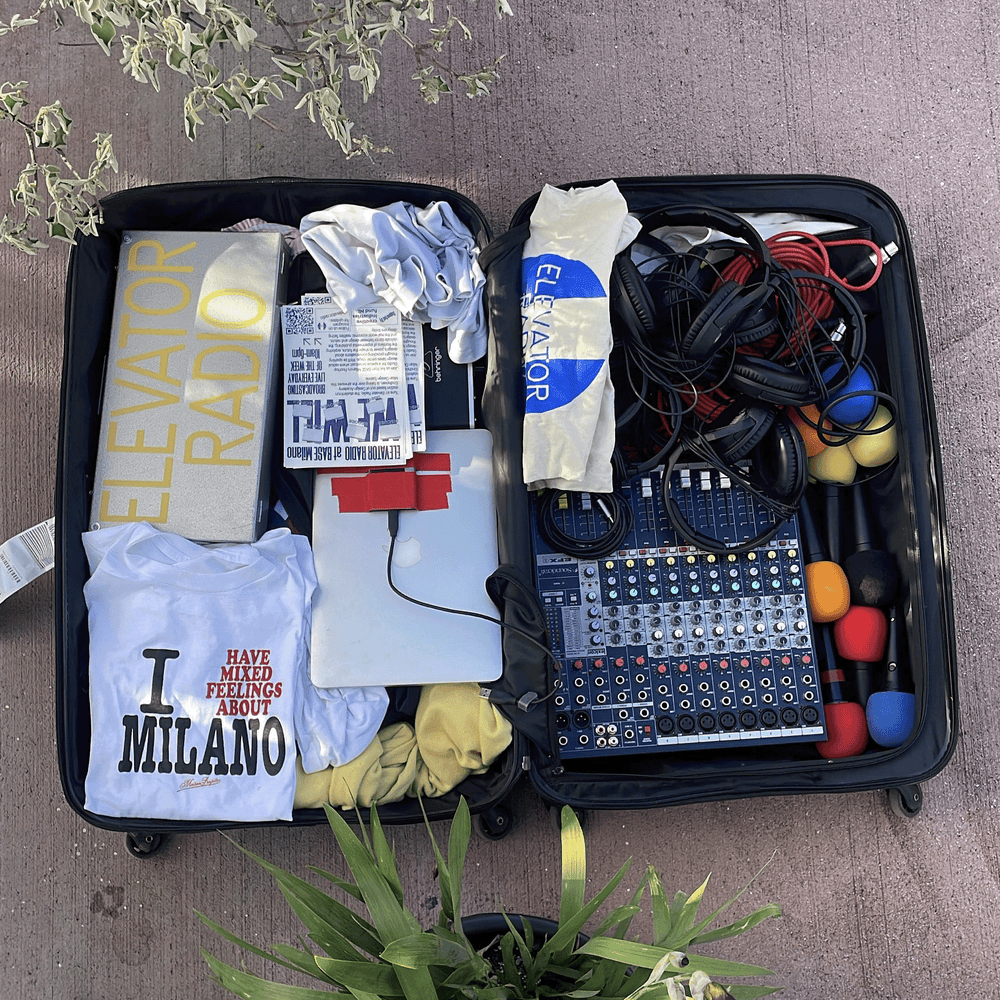
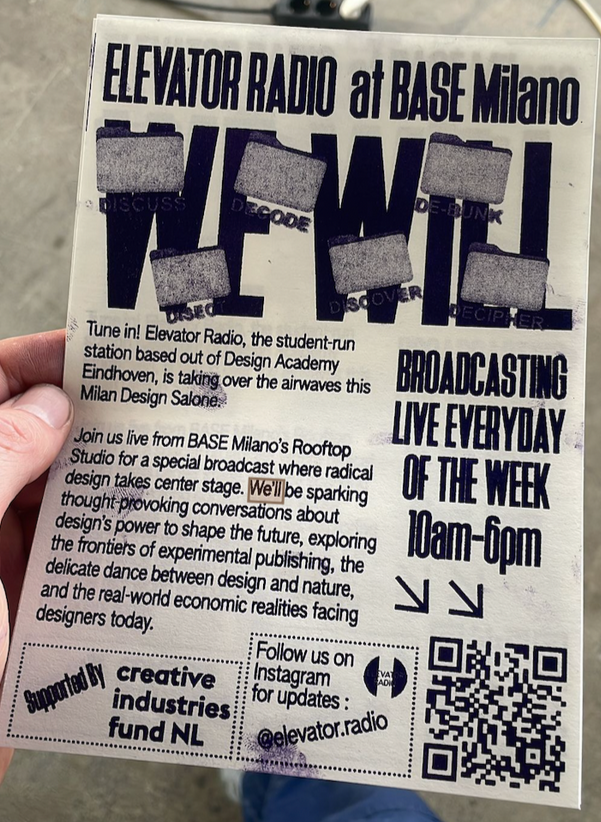
Elevator Radio during Design Weeks. - Running the editorial planning and technical logistics of Elevator Radio, the radio streaming from Design Academy Eindhoven. Elevator Radio is a radio station operated by students and alumni of Design Academy Eindhoven. With the medium of live broadcasting and audio, it serves as an "urgent publishing" platform, amplifying voices and providing space for experimentation and collaboration within the design community. During Design Weeks in Milan, Vienna or Eindhoven, Elevator Radio presents a journey into radical design, redefining reality and imagination. Engage in conversations exploring design's transformative potential, witnessing its borderless pursuit of liberation. Discover voices shaping experimental publishing, delve into humanity's interplay with nature, and confront designers' economic realities. Weaving through weekly conversations is the Watermelon Hour, a daily show dedicated to solidarity for Palestine's collective liberation.
Kiosk t-w
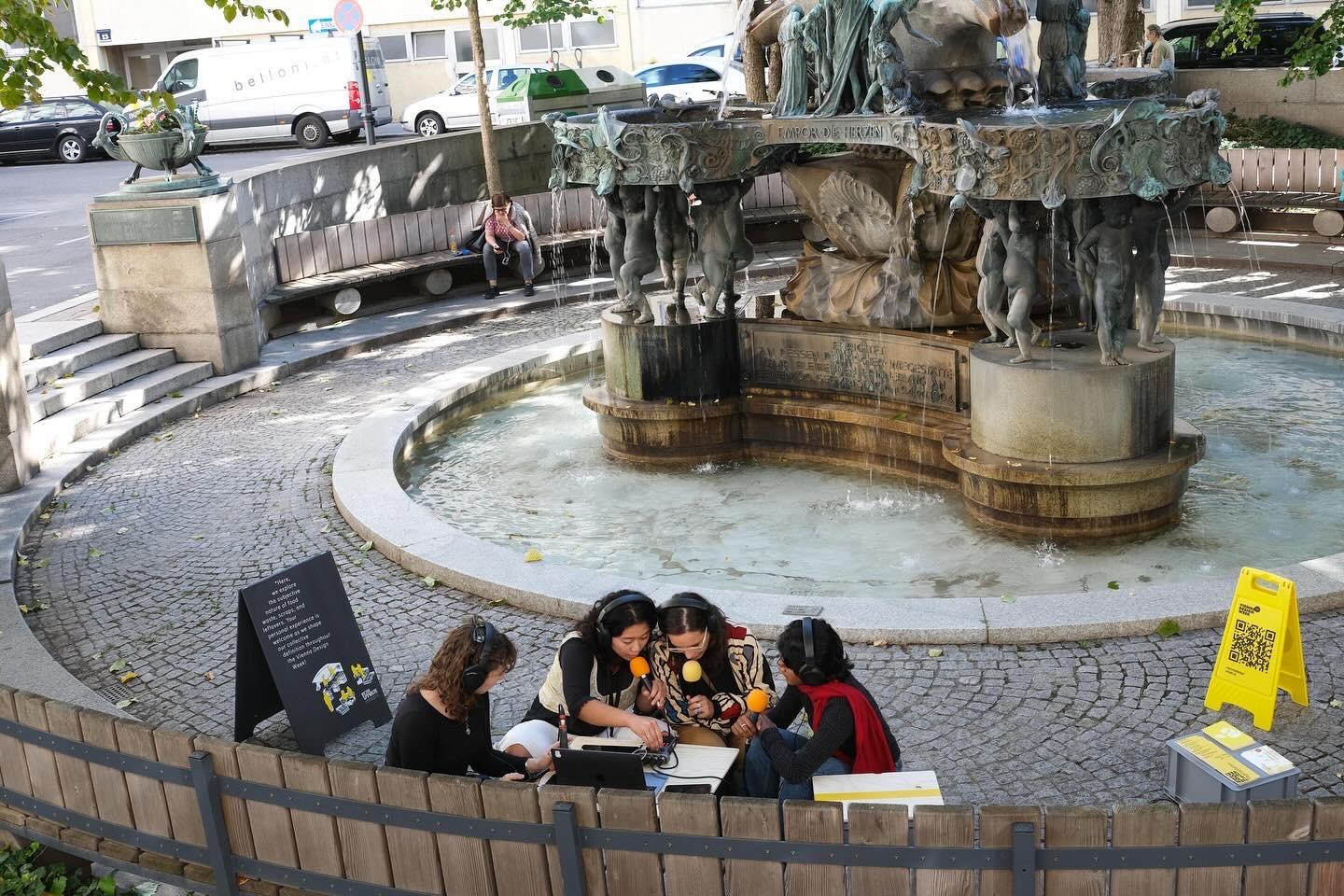
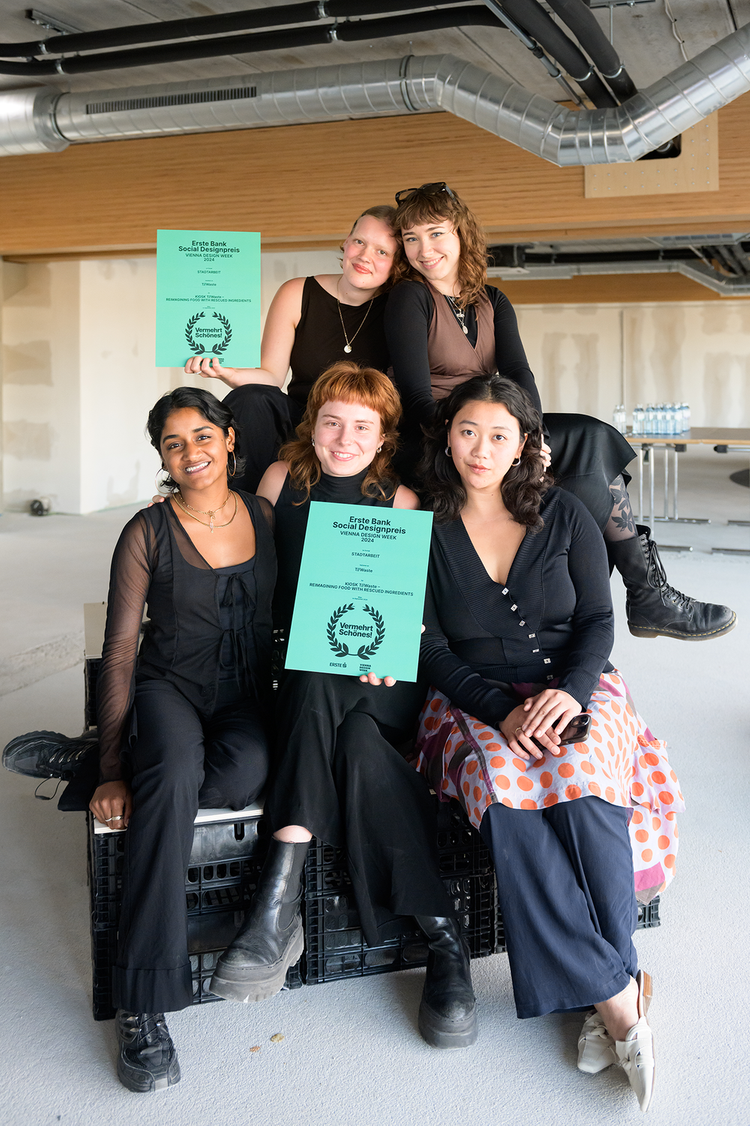
Kiosk t-w - Nabila Ernada, Nomi Toirkens, Elna Aurand, Violeta Perez Hurtado, Caroline Holper and Phoebe Hotopf—brought their mobile kitchen project, Kiosk T//WASTE, to Vienna Design Week, where it won the tenth Stadtarbeit Social Design Award. The project aimed to both challenge our notions of food waste within industrial food systems by turning discarded ingredients into something not only edible but desirable. The group’s mobile kitchen roamed through Vienna’s third district, transforming rescued ingredients from local businesses into vegetarian dishes while encouraging the public to engage in a dialogue about waste. The group also collaborated with Design Academy Eindhoven’s student initiative Elevator Radio, using the platform to broadcast conversations about food, design, and sustainability. Discussions touched on the role of communal meals in building social bonds, Vienna’s growing food design scene, and how creative practices can reshape our relationship with food waste. The mobile kitchen itself, adapted from Chmara Rosinke’s Mobile Hospitality project, became both a practical tool and a symbol of the project’s nomadic, community-focused approach.

I'm Never Doing This Again

Datum:
Locatie: Secret Location
In samenwerking met: Yara Veloso, Sophie Allerding, Mila Broomberg, Lucila Pacheco Dehne, Isabel Legate, Colette Aliman, Anna Bierler

The Queen of the Night (Epiphyllum oxypetalum) is a cactus celebrated for the extraordinary rarity of its bloom. She lives in our living room, brought over the ocean as a cutting that grew into a full plant. Sometimes it makes huge blossoms, luminous in color. It is said to only bloom once a year and only for one night. When there is a blossom we watch and we wait, maybe it will bloom. Less a flower than an event, an appearance.
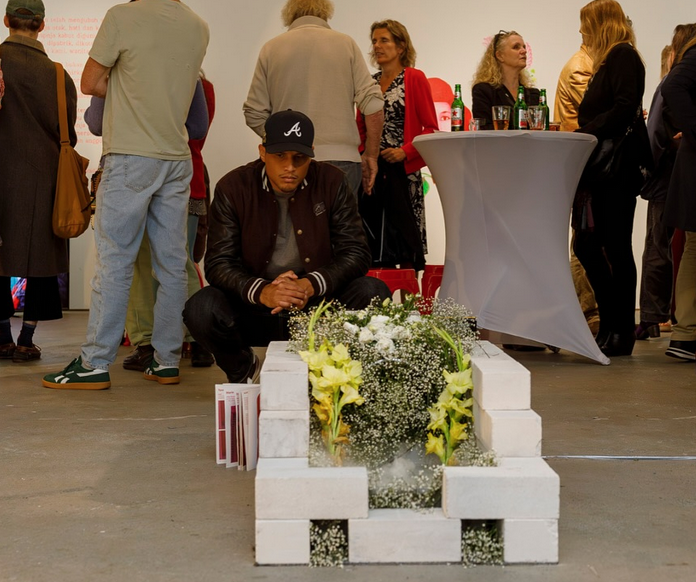
https://imneverdoingthisagain.com/

it smells of sweat and jasmine

Datum:
Locatie: CBK Zuidoost

Part of a group exhibition curated by Dewi Sofia on, that ddresses labour issues in colonial, contemporary, and diasporic Indonesia through the lens of women and genderqueer artists. Through collecting the artists’ personal histories, experiences, and research, the exhibition traces the complex intersections of patriarchal violence, capitalist labour exploitation, and (neo)colonial plunder.
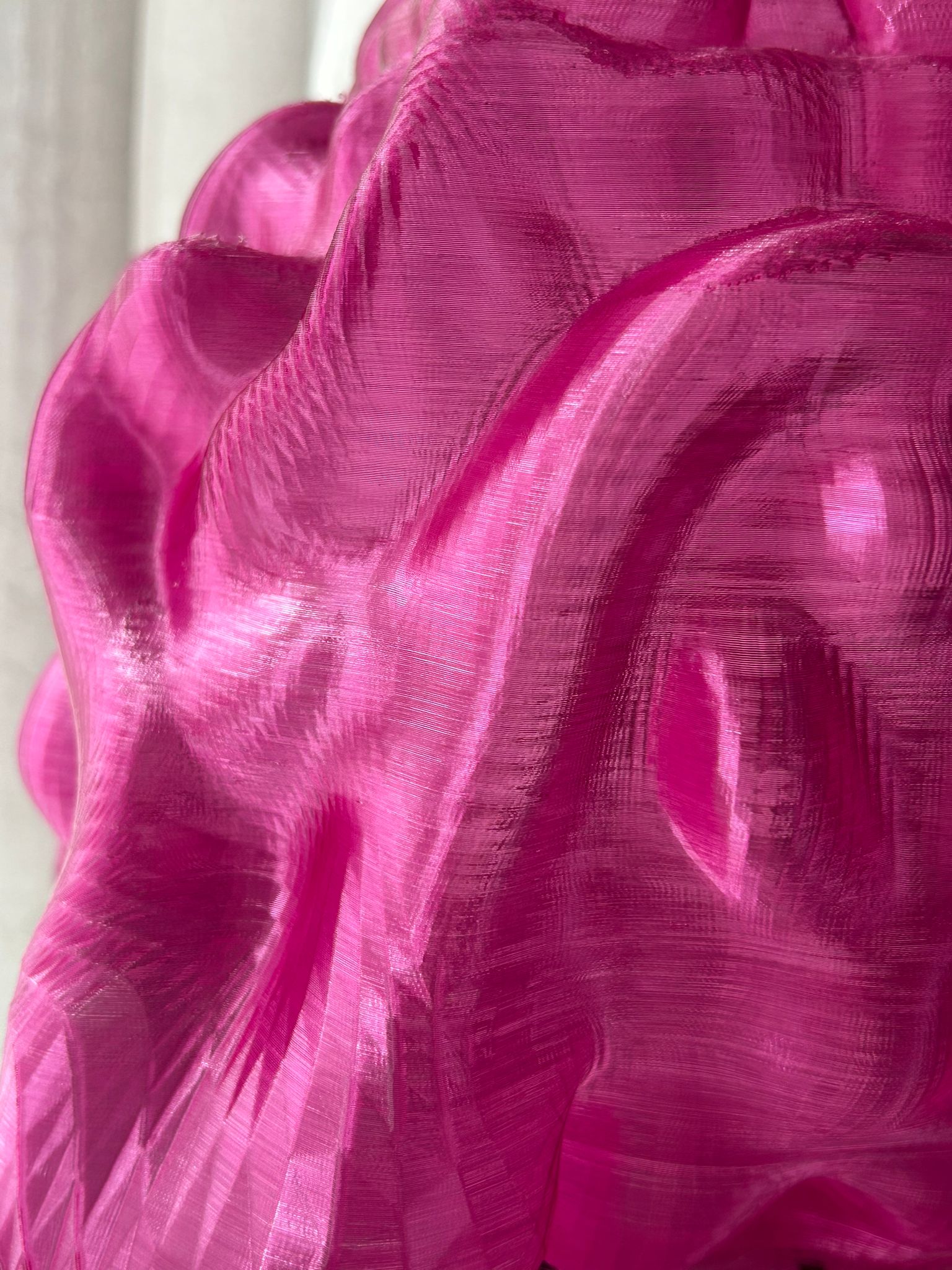
https://www.cbkzuidoost.nl/tentoonstellingen/nu-en-verwacht/it-smells-of-sweat-and-jasmine/?lang=en

Softcore

Datum:
Locatie: Brutus
In samenwerking met: Linda Ucilniece

‘Softcore’: a femme-led installation that reimagines nightlife as a care-driven, interactive system, one that listens back, holds you gently, and pulses with collective joy. Where sculpted sound stations meet cuddle-ready loveseats and retro consoles hum with play. Somewhere between a lounge, a slow party, and a shared living room.

https://brutus.nl/en/programme/on+view/takeover+2025/

Haunting the Network: Gendered Surveillance and Media Memory.

Datum:
Locatie: varia

In this presentation, Nabila Ernada will share research developed during her time at the Design Academy Eindhoven, exploring postcolonial surveillance, feminist resistance, and the architectures of visibility in Indonesia, from the weaponised image of Gerwani (a feminist group violently disbanded in the 1960s) to contemporary forms of algorithmic control.

https://varia.zone/en/haunting-the-network.html

(Re)defining Kartini

Datum:
Locatie: Verzetsmuseum

A group show curated by Serumpun on Kartini Day with a series of conversations, performances, and a shared meal focused on themes such as gender equality, education, and identity. Female speakers and artists with Indonesian roots shared their inspiring stories and experiences.

https://www.instagram.com/p/DItTDbcoOjT/?img_index=1

Bacchannalia Absorbs the Night

Datum:
Locatie: Van Abbemuseum
https://www.jongcultuureindhoven.nl/programme/bacchanalia-party-2/

t-world at Vienna Design Week

Datum:
Locatie: Vienna
In samenwerking met: Stadtarbeit’s Erste Bank Social Designpreis

Nabila Ernada, Nomi Toirkens, Elna Aurand, Violeta Perez Hurtado, Caroline Holper and Phoebe Hotopf—brought their mobile kitchen project, Kiosk T//WASTE, to Vienna Design Week, where it won the tenth Stadtarbeit Social Design Award. The project aimed to both challenge our notions of food waste within industrial food systems by turning discarded ingredients into something not only edible but desirable. The group’s mobile kitchen roamed through Vienna’s third district, transforming rescued ingredi
https://nabilaernada.com/kiosk-t-w

The ATM: Rituals of Debt

Datum:
Locatie: Schmiede
In samenwerking met: V2_

Part of V2_ Summer Sessions, the residency opened up a new research trajectory on money, submission and magic
https://v2.nl/works/speculative-rituals-of-debt

Elevator Radio @ Milan Design Week 2024

Datum:
Locatie: BASE
In samenwerking met: Stimuleringsfonds

Elevator Radio is a radio station operated by students and alumni of Design Academy Eindhoven. With the medium of live broadcasting and audio, it serves as an "urgent publishing" platform, amplifying voices and providing space for experimentation and collaboration within the design community. During Design Week, on BASE Milano's rooftop, Elevator Radio presents a journey into radical design, redefining reality and imagination.
https://nabilaernada.com/elevator-radio

here becomes elsewhere

Datum:
Locatie: Fabrica Research Centre

Part of the six month residency, produced a group show and own work titled The Foot Guru. During the six months, Nabila developed new game design skills and focused on trying to read something new every day.

https://www.fabrica.it/herebecomeselsewhere/
Deze kunstenaar heeft nog geen toekenningen.