SiSi Zhang

performance, interactief, installatie, Gender, Diaspora, Community, Artistiek onderzoek, Archieven

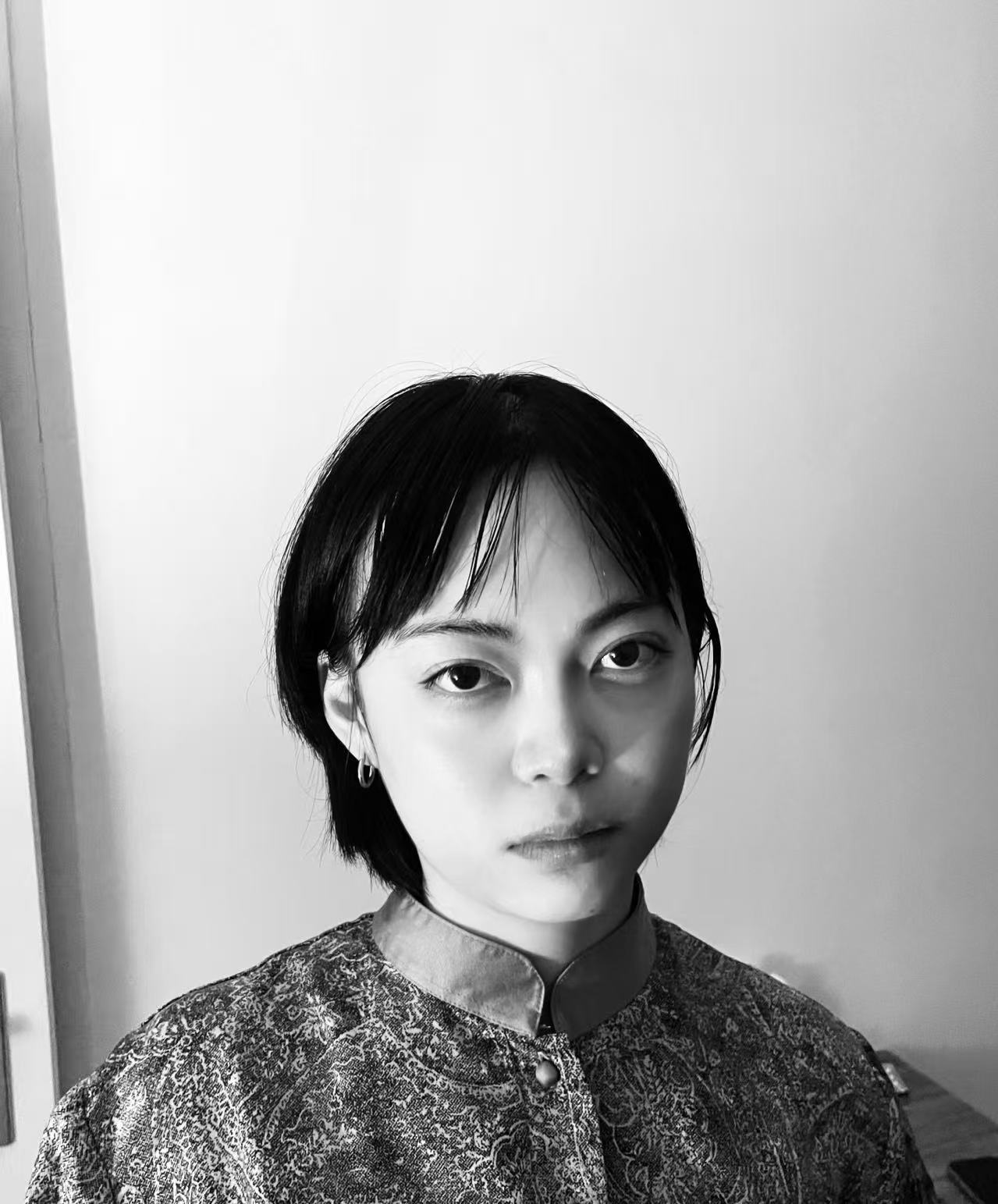
SiSi is a multi-disciplinary practicing designer/artist with a background in BA furniture design in the US and later graduated from MA contextual design from Eindhoven. At the core of her methodology, divination and mapping serves both a research tool and a means of reflection, unraveling the complex layers of gender, diaspora, and unofficial histories. She creates narrative-holding objects that convey research and ideas through tactile and immersive experiences. By weaving the mystical with the material, SiSi’s work does not seek to escape reality but to reimagine it, to carve spaces for contemplation, resilience, and alternative futures.
Imaginary way to home
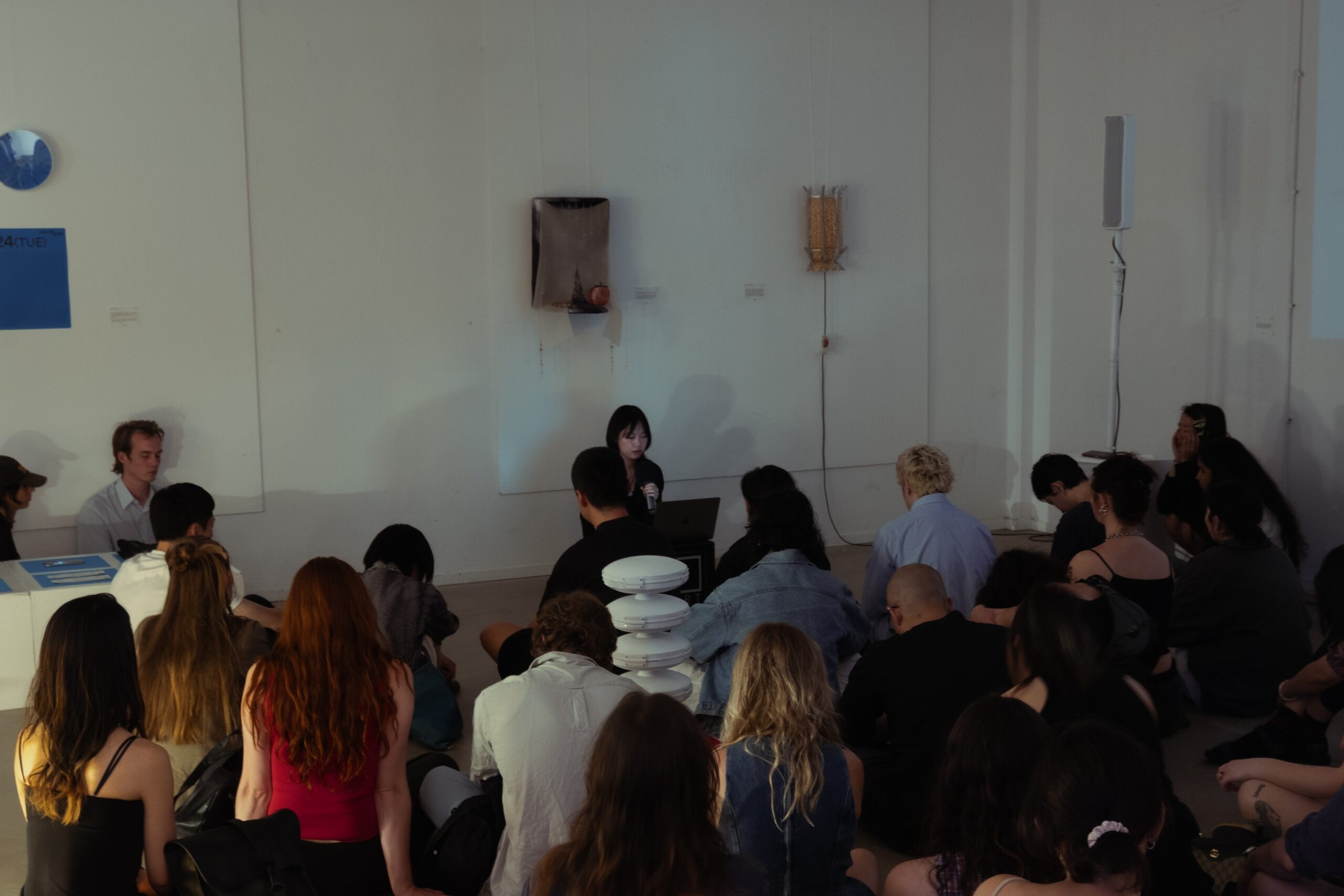
Imaginary way to home - This project is two sets of guided meditation experience that involves participants in art spaces to pause and utilize the potential of imagination. Using imagination to dive deeper into one's experience with home and the way one construct the idea of home. It measures the distance of the idea "home" through a highly personal and intimate way of imagination. The event took place in OSCAM and lab111 in 2025.
Distance Nearby
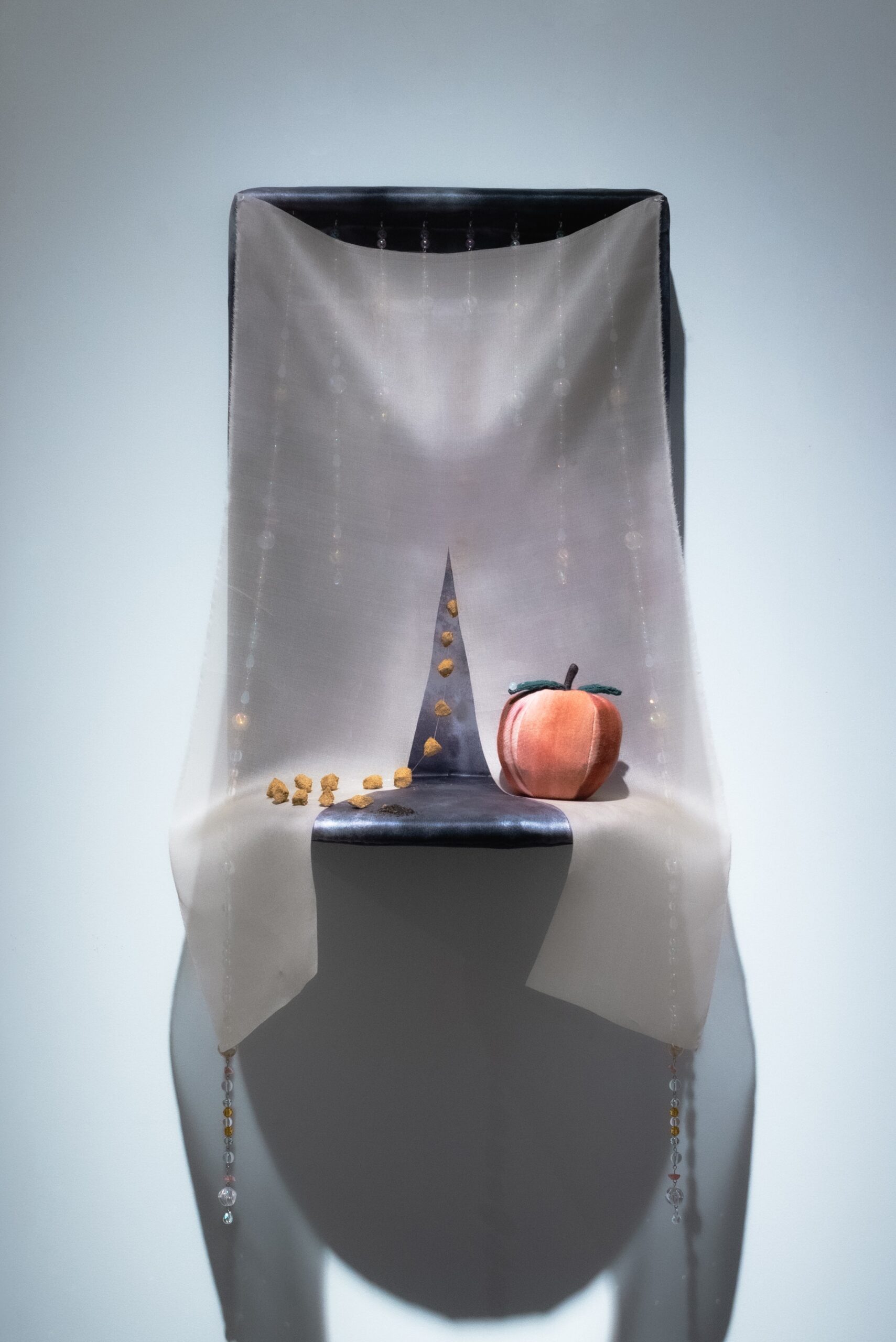
Distance Nearby - When a home altar no longer houses a deity or ancestor, do its offerings and wishes still reach their destination when the receiver is absent? In the context of intergenerational diaspora, the idea of home instead of a place one can return to, becomes something that can only be imagined through symbolic portals and paths towards home. This work reflects on how “home” persists as a feeling rather than a location, and how ritualistic acts become attempts to bridge symbolic distance.
Reading the Unheard
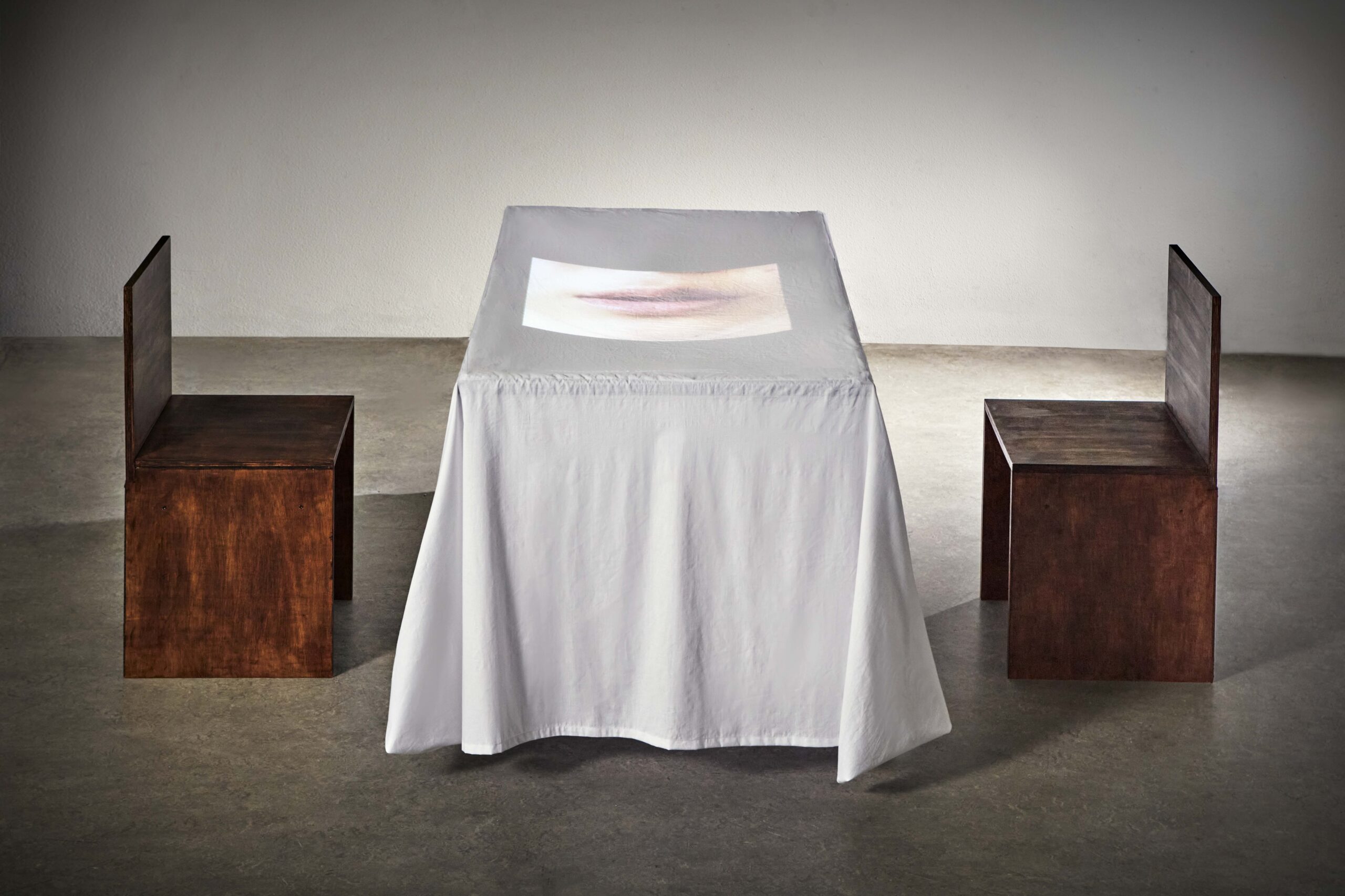
Reading the Unheard - Reading the unheard is a video installation that explores the identity politics behind divination practices. Traditional Chinese divination, steeped in conservative gender roles, often views women as objects rather than subjects, as inquirers rather than diviners, reinforcing orthodox family models and fixed societal roles based on age and gender. Based on autoethnographic and archival research into China’s historic and emerging female divination trend, Reading the unheard subverts the male-dominated logic of the discipline by setting forward the voice of the female diviner like a ghost haunting divination. The work highlights how, when women challenge these fixed identities, divination can become a tool for reflection and imagination, creating spaces more suited to their voices.
Do you dare to face us, not look at us?
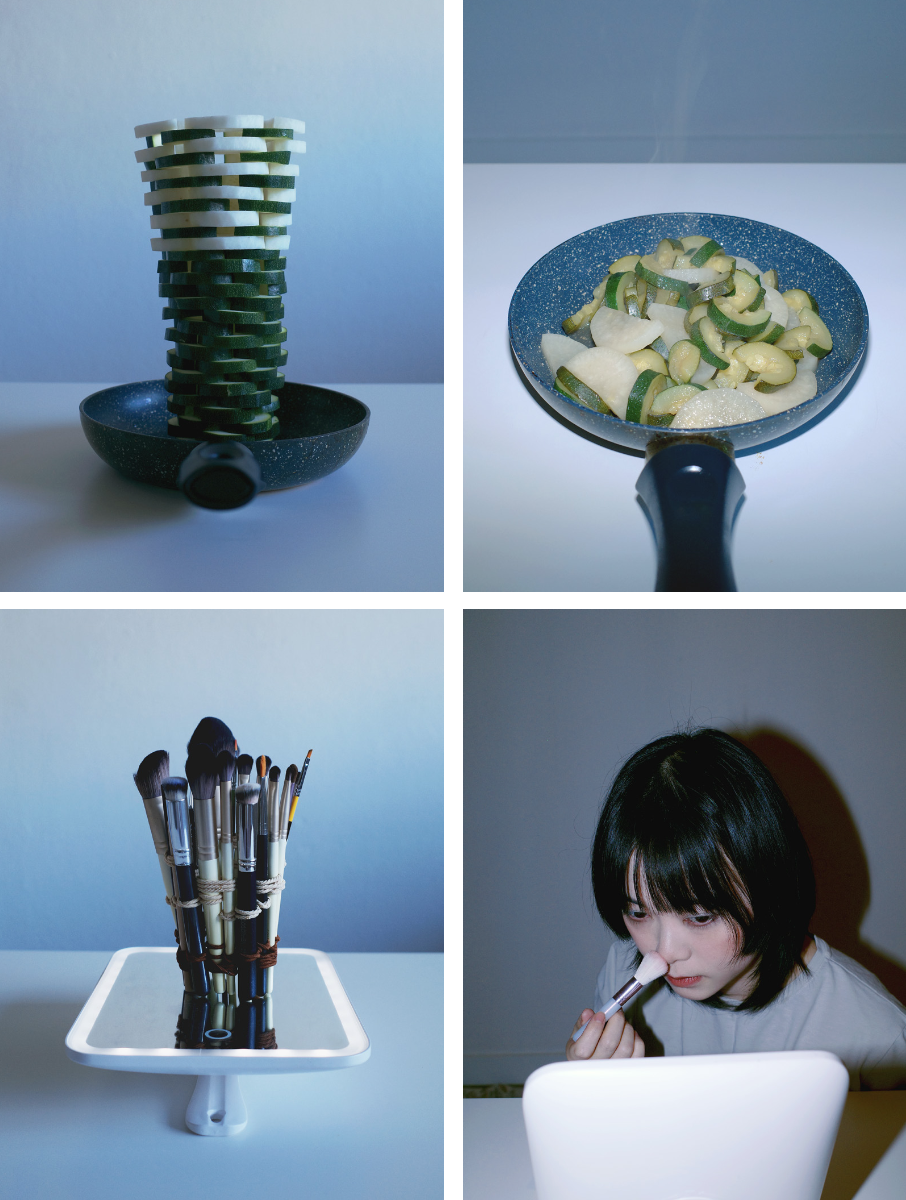
Do you dare to face us, not look at us? - The word “Vase” in Chinese culture signifies both an object and a woman seen as “just a pretty face”. This series of image explorations, paired with a manifesto, questions patriarchal judgements on femininity, challenging the values imposed on women and the symbolic vase. By focusing on the soft power that is inherent in vase’s formal language - a combination of openness and embrace, the artist seeks to dissolve the mix of desire, disdain, and envy projected onto women, inviting a thoughtful dialogue on the concept of ‘vase’ in modern society. Manifesto: Do you dare to face us, not look at us? To hold, not to touch. I am colder than you think, she is heavier than you think, we are harder than you think. To understand, not to smell. No imaginary fragrance in your favor. To listen, not to hear. A deep, long roaring is all you come across. To taste, not to lick. Bitter, dusty, teeth broken, cannot continue. Do you dare to face us, without your imagination? You are looking at me, I can feel it. Delicate, fragile, decorative, superficial You put me in those categories. Fragility is not a sin, you know, The qualities that you condemn, are the ones I use to smash your fake face. What your selfishness pretend to ignore, Is my open arms up high. The potentials that they carry, Cross your boundaries gently but firmly. Some benevolent suggestions from us the vase here, Do not make judgement by imagination, boundaries are made to separate. Embrace, like what we do, not walk away in disdain. We embrace, not like you who draw the line, categorising our values. The paradigms that you set, we are crushing it with an embrace, in our own form. Scared, aren’t you, We are not conforming, we value our own form.
A lockdown body
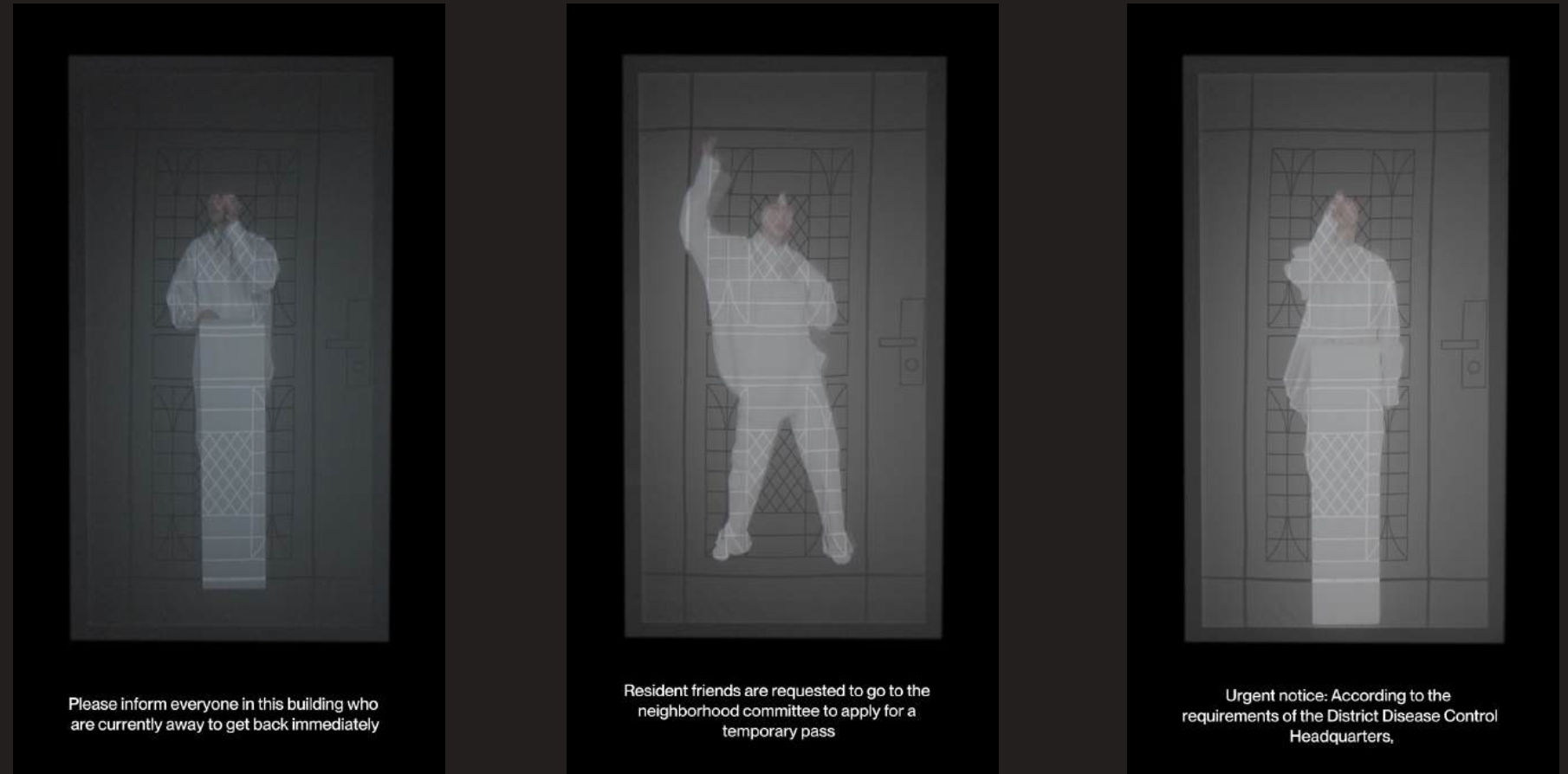
A lockdown body - This project explores the conflicting changes in my body during the Shanghai lockdown, where physical health improved amid emotional turmoil. It examines the tension between personal restriction and the physical changes encouraged by government messaging. Reflecting on how health “improvements” were shaped by confinement, legal controls, and state propaganda, the work questions the cost of surrendering bodily agency for imposed benefits. Ultimately, it critiques how enforced compliance alters both individual bodies and societal perceptions. *Audio text directly taken from the orders I received during lockdown in community group chat.
Button Up
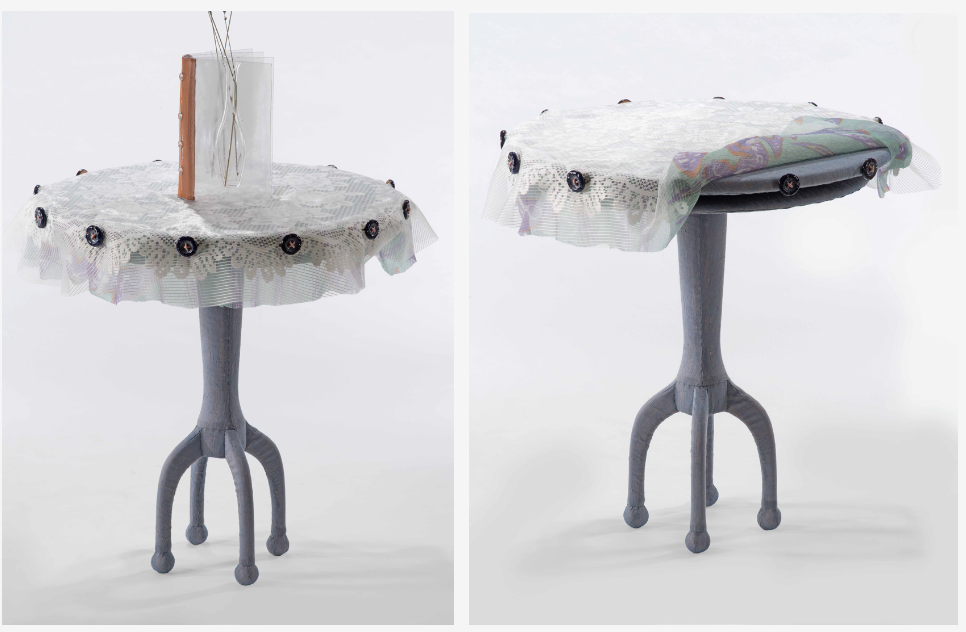
Button Up - This upholstered table includes a hidden storage space and twelve ceramic buttons around its edge, allowing various tablecloths to be tucked in. The buttons give the table a doll-like quality, inviting acts of dressing and undressing that blur the line between function and narrative, object and character.

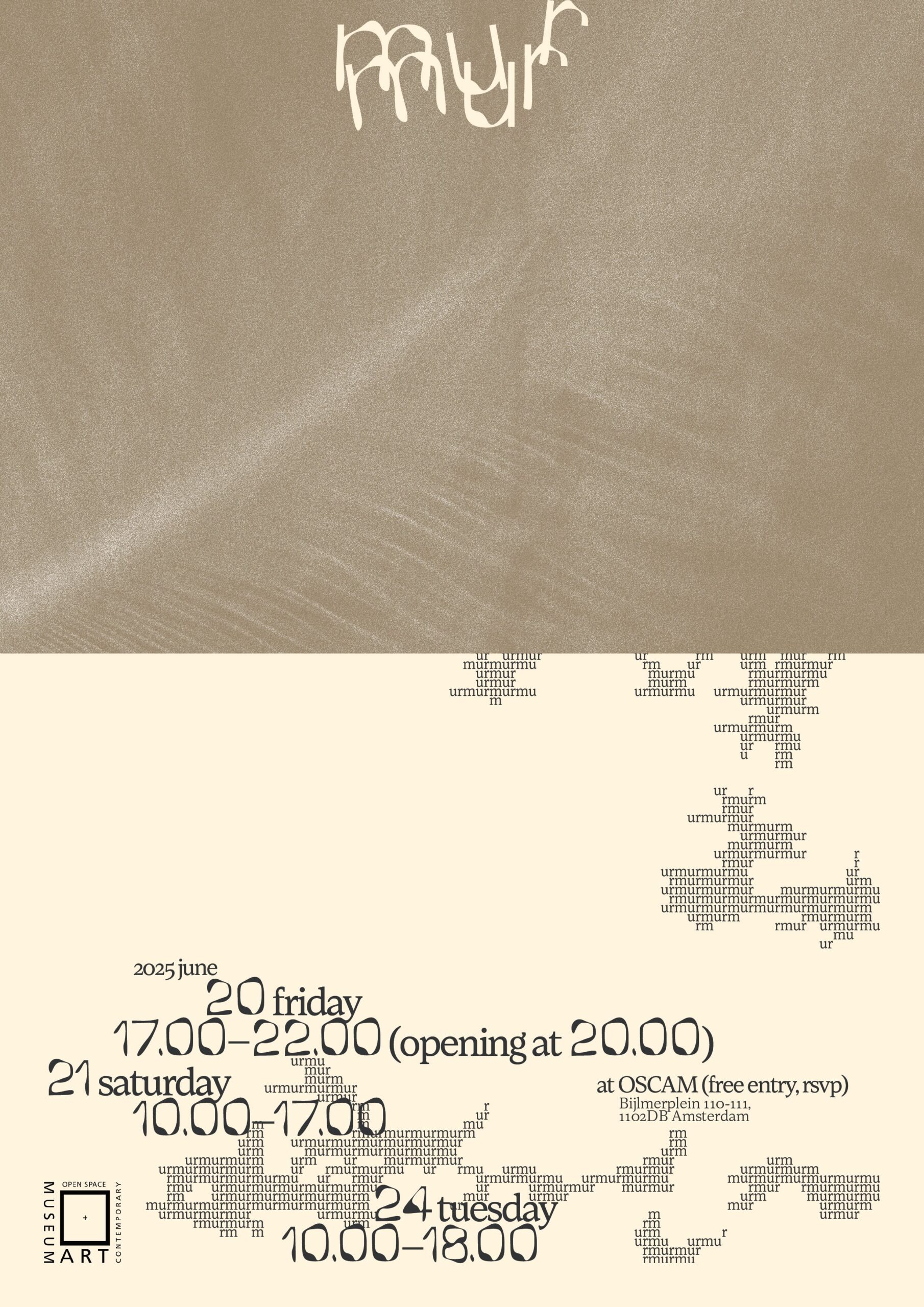
murmur - Distance Nearby

Datum:
Locatie: OSCAM
In samenwerking met: murmur collective

murmur (1) seeks to create spaces for hybridity, identity and diverse cultural contexts to complexify representation in the world of design. Each artist/designer of the collective (2) draws from their diasporic and cross-cultural experiences and engages with the messy, layered, and complex realities of being shaped by multiple cultures. The works emphasize decentralization, cultural reclamation, and hybridity, fostering connections that challenge the hegemony of Western-centric design.

Reading the Unheard

Datum:
Locatie: Dutch Design Week

Reading the unheard is a video installation that explores the identity politics behind divination practices. It subverts the male-dominated logic of Chinese fortune telling by setting forward the voice of the female diviner like a ghost haunting divination. The work highlights how, when women challenge these fixed identities, divination can become a tool for reflection and imagination, creating spaces more suited to their voices.

Deze kunstenaar heeft nog geen toekenningen.