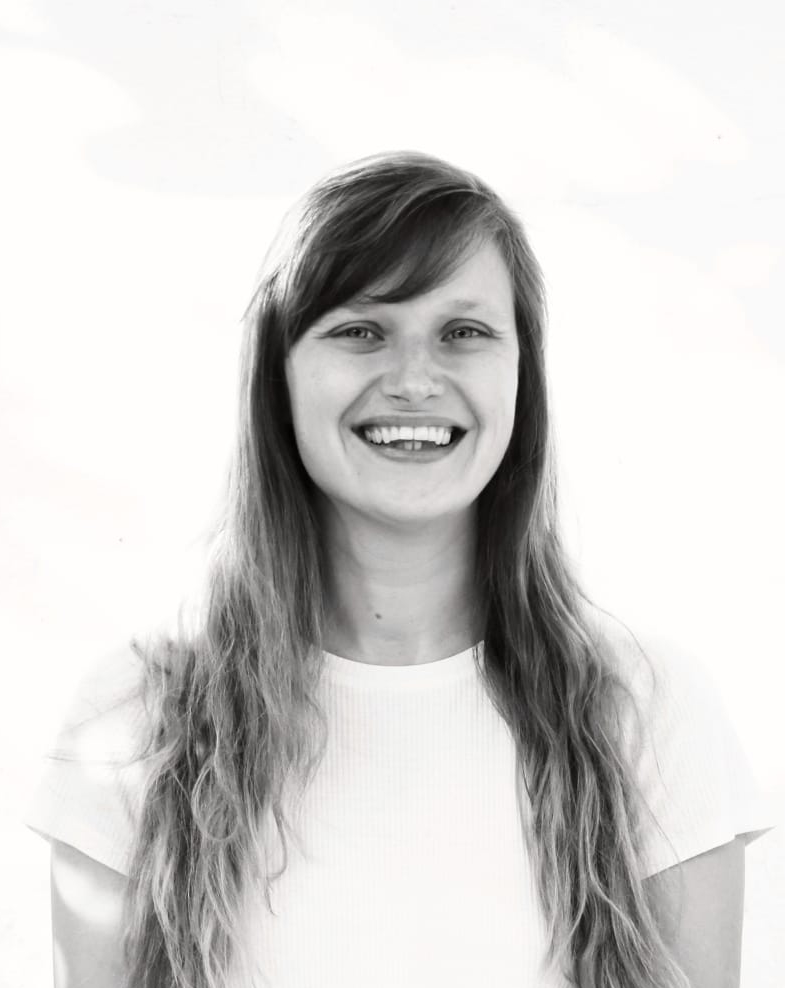
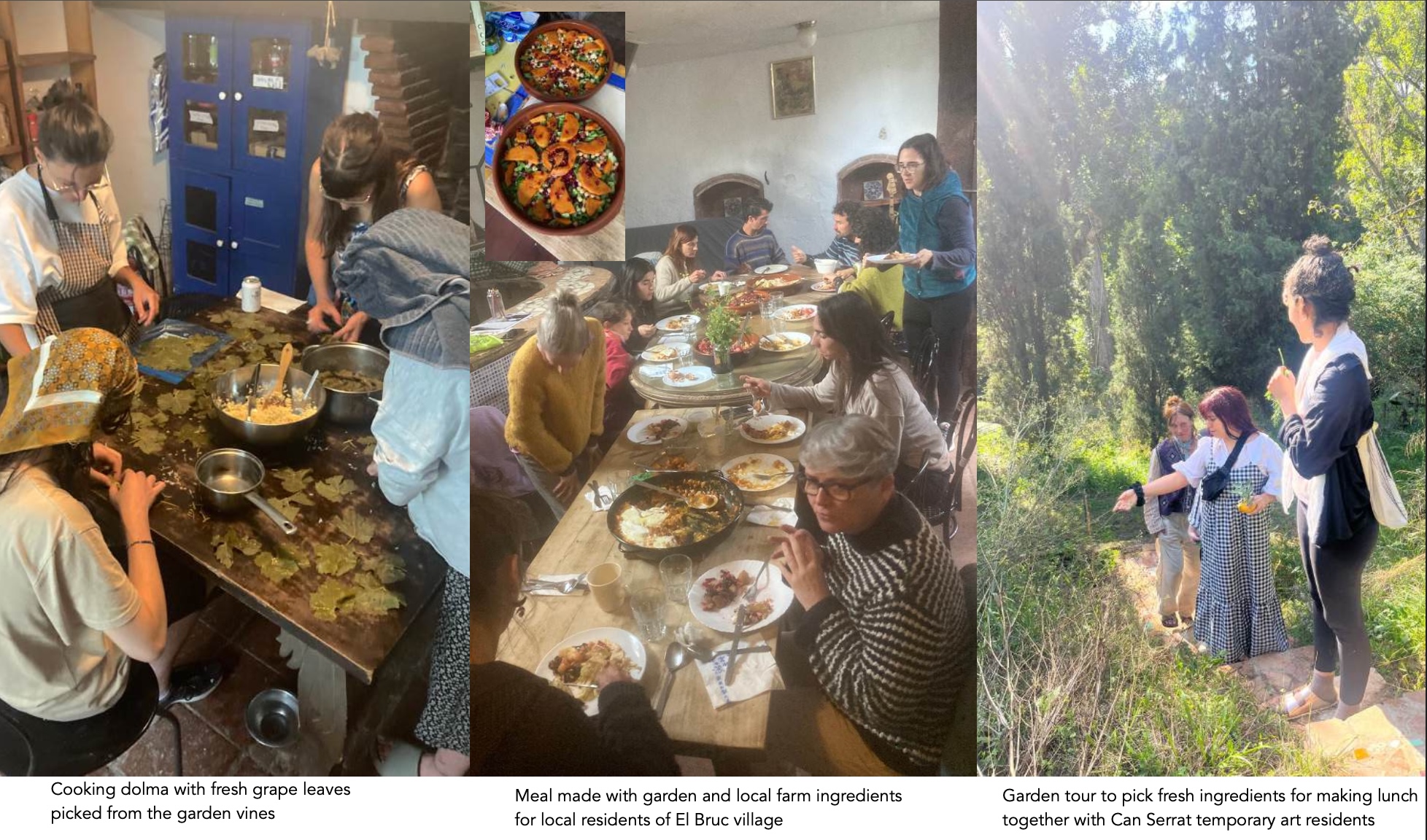
Vlada Predelina is an artist working across food, natural dyes, bioplastics, ceramics, moving image and installation. Her work explores relationships between food, land, place and memory. She uses food as a methodology for accessing knowledge: cooking, growing, foraging, preserving and eating become ways of tracing personal and collective memory, situated histories, migration, cultivation and forms of knowledge carried through gestures, recipes and everyday practices. Her work often begins with a material or food process and develops through gathering, making and paying attention to what emerges from it. She often works collaboratively and collectively, creating gatherings, gardens, workshops and temporary situations through which people can share knowledge and experiences. She has worked with Eathouse Collective and Kunstlab+Buren, and is part of the Buitenplaats Brienenoord community. She is currently developing Garden of Tongues, a long-term research project at Can Serrat Art Residency, exploring relationships between food, body and land through growing, harvesting, cooking and preserving with other residents and local communities. Her and her collective work has been shown at Chilometr01 with BJCEM, Milan (2026), Brutus, Rotterdam (2025), West Den Haag, The Hague (2022), Kunstinstituut Melly, Rotterdam (2021–2022), Roodkapje, Rotterdam (2019), and LOA Gallery, London (2019). She has also worked through food and catering projects with Kunstinstituut Melly, Nieuwe Instituut, Casco Art Institute, De Appel, Arts Collaboratory, Printroom Rotterdam, WORM, BAK basis voor actuele kunst, documenta15, Paviljoen aan het Water, Buitenplaats Brienenoord, Rotterdamse Munt, and The European Pavilion.
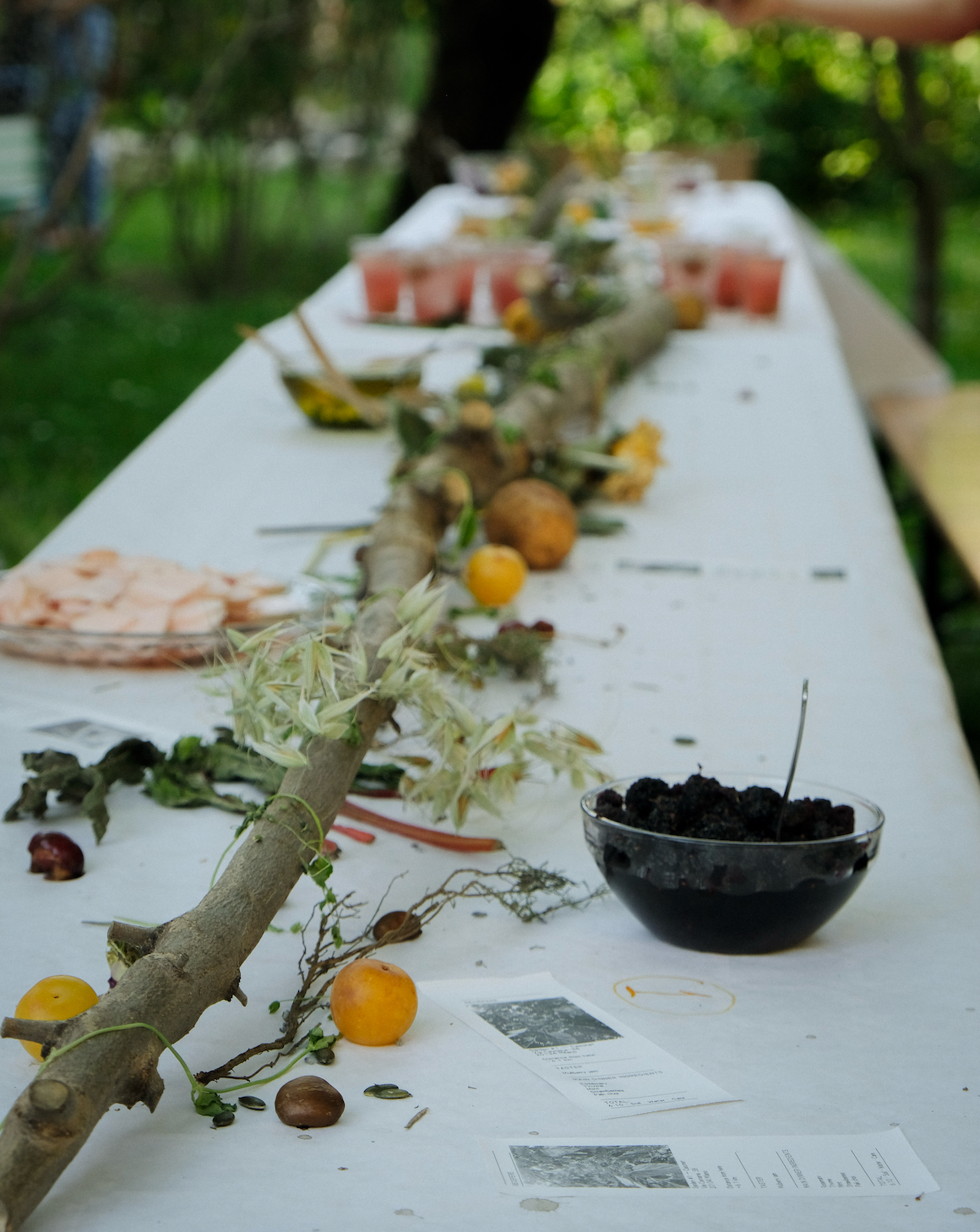
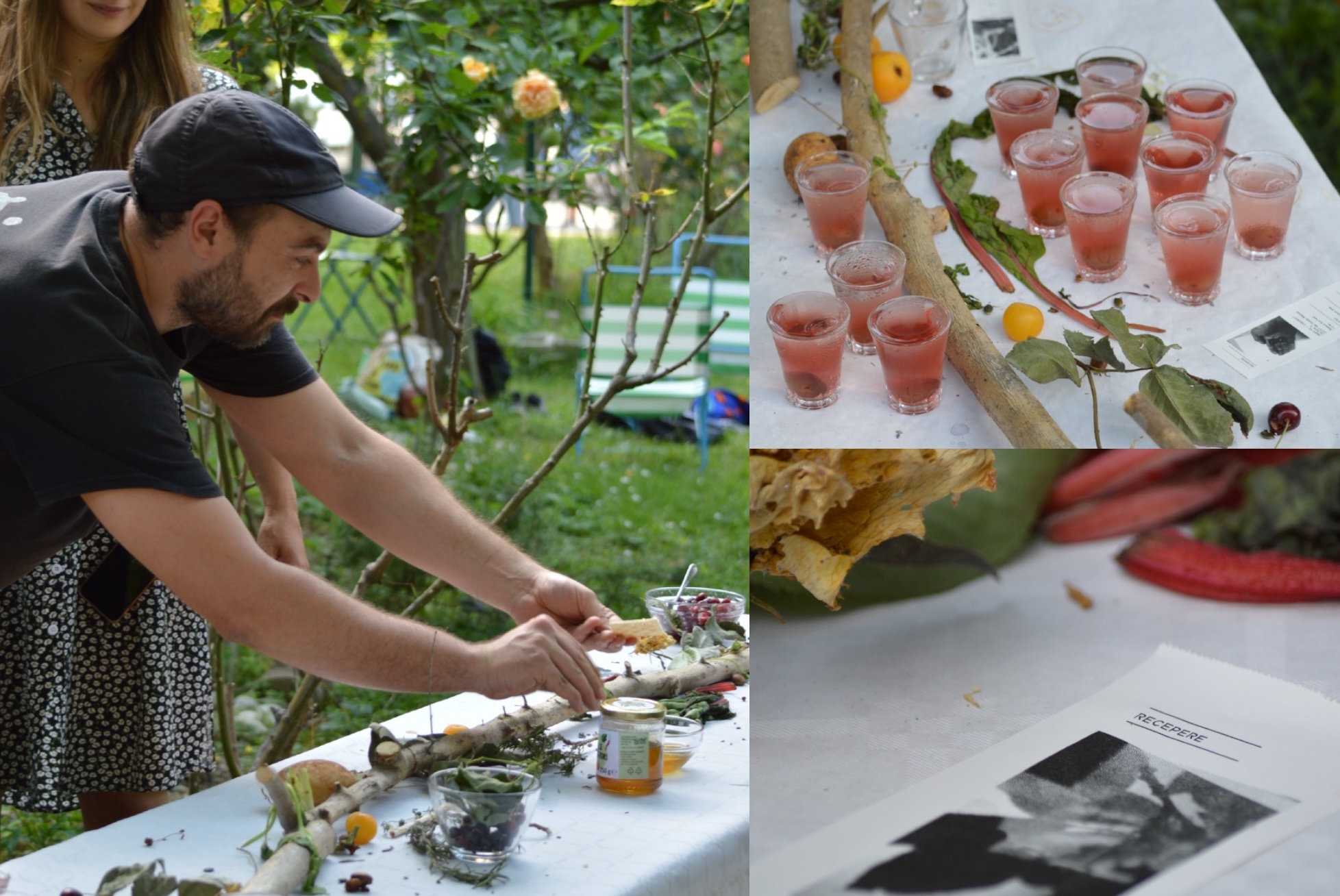
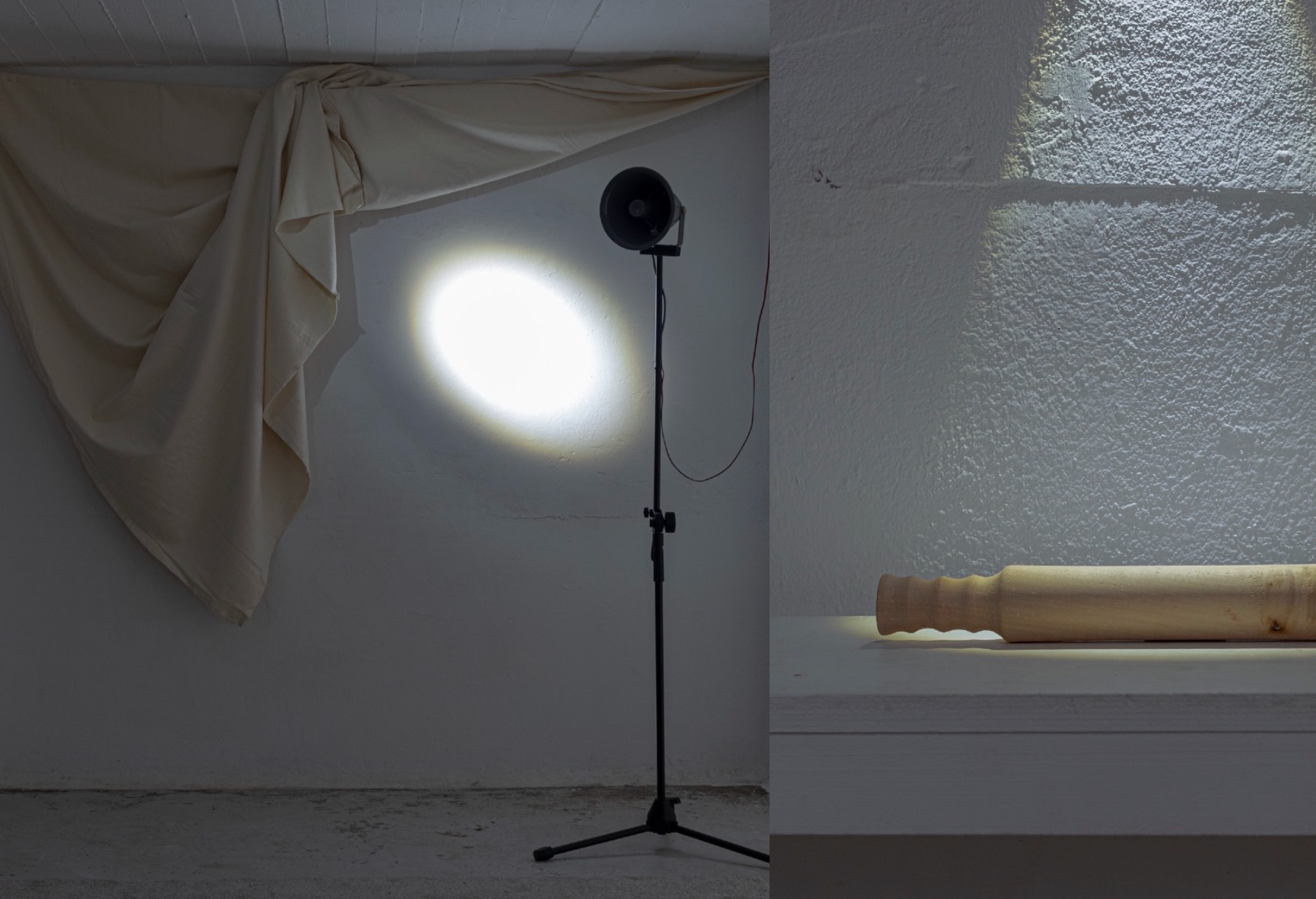
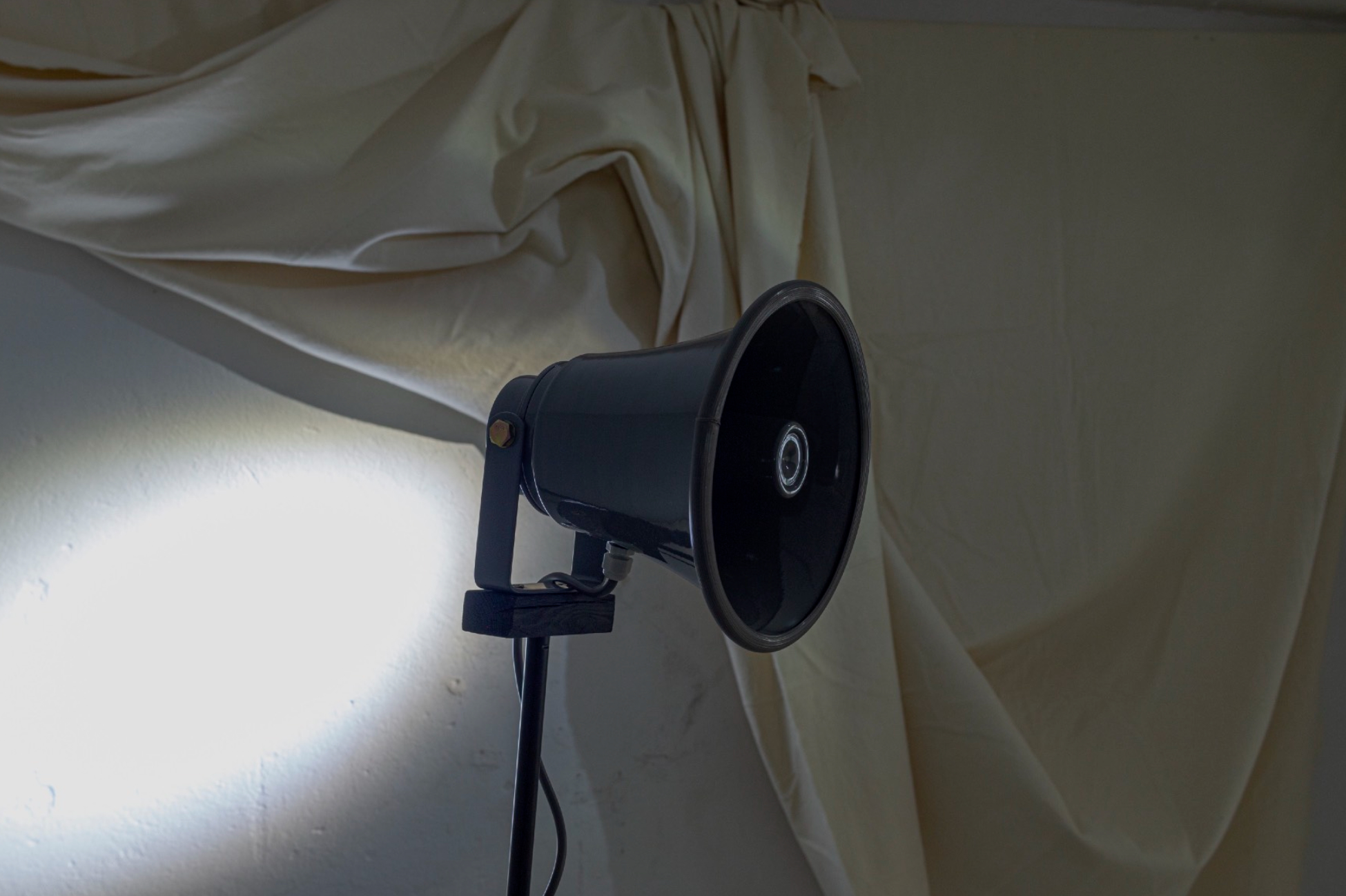
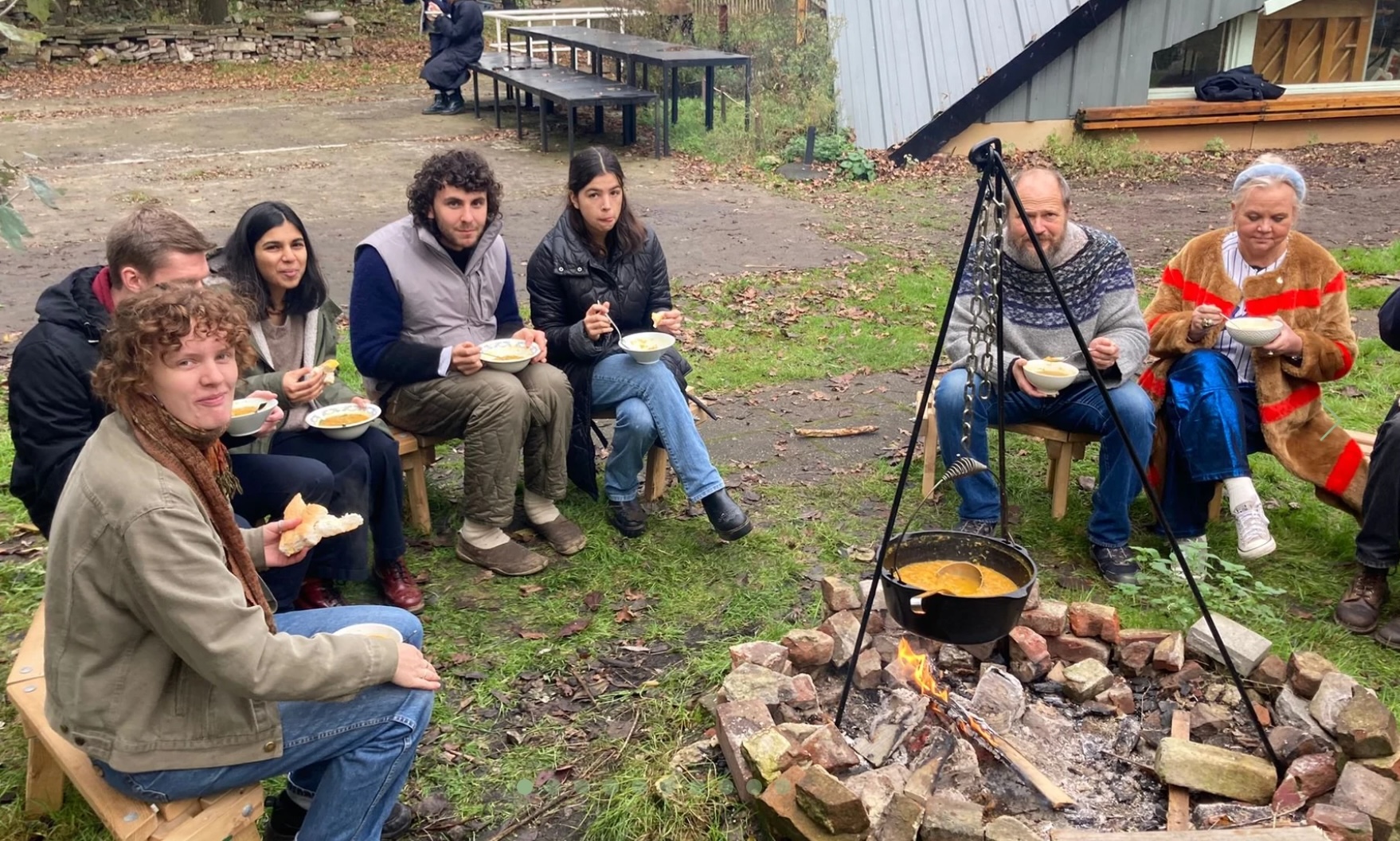
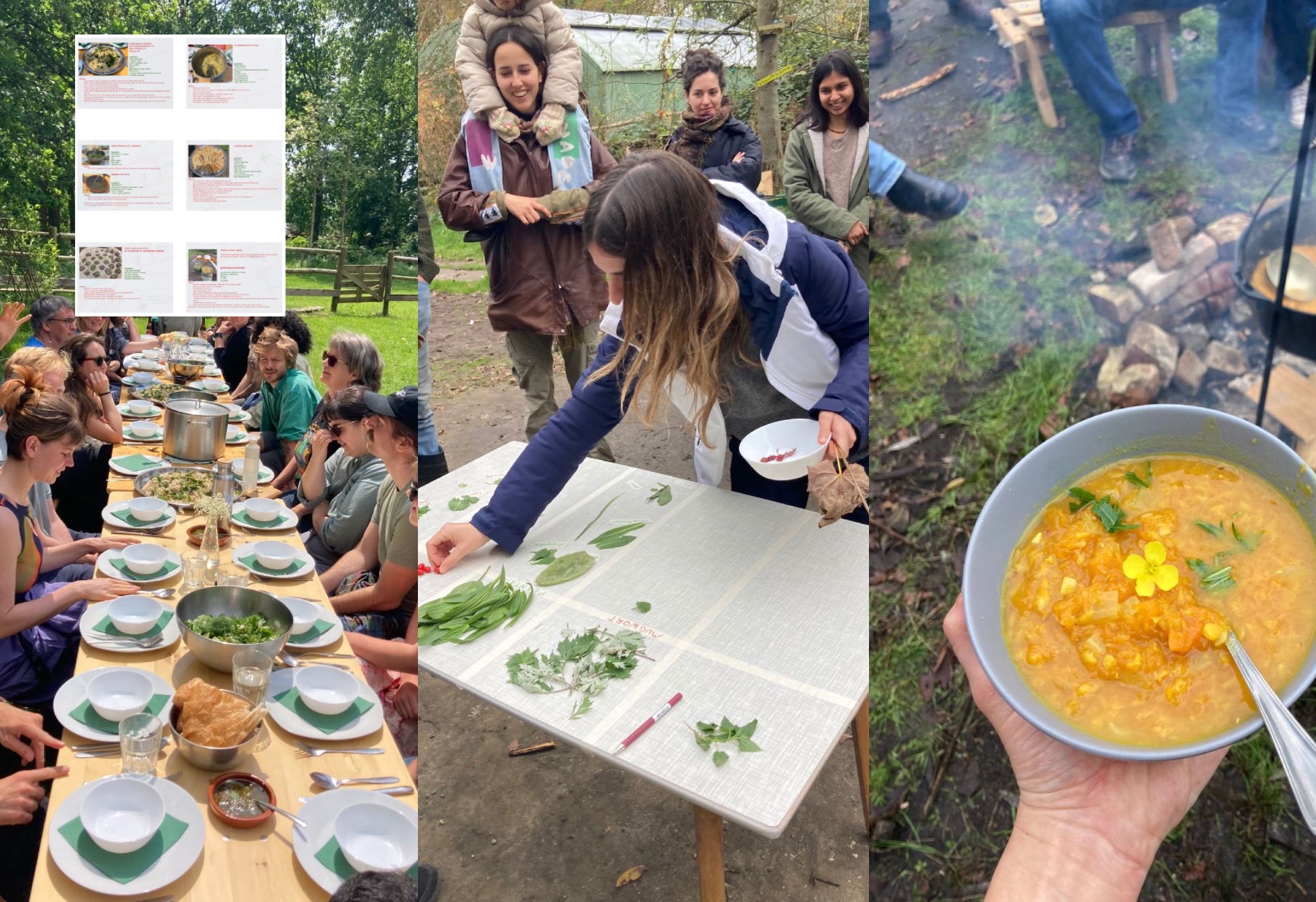
Art Feeds Collective Residencies
The Art Feeds Collective Residencies are a transnational residency program under the Feed Your Future project, exploring the curatorial theme "Edible Commons: Performing the Future of Food". Five European host cities including Paphos (Cyprus), Milan (Italy), Almere (Netherlands), Brașov (Romania), and Thessaloniki (Greece), Co-funded by the European Union through Creative Europe.
Entorns x Can Serrat Residency
Can Serrat x Entorns is a collaborative residency and grant initiative split between the international art production residency Can Serrat, El Bruc near Montserrat mountain and the creative space and research art residency Entorns in Músser in the Catalan Pyrenees with a focus on creative projects that emphasise process, community interaction and dialogue between art and local contexts with time spent at both locations.
Wheat to the Chaff
Traces We Keep - Wild Summer of Art 2025
Soft fascination
Wheat to the Chaff
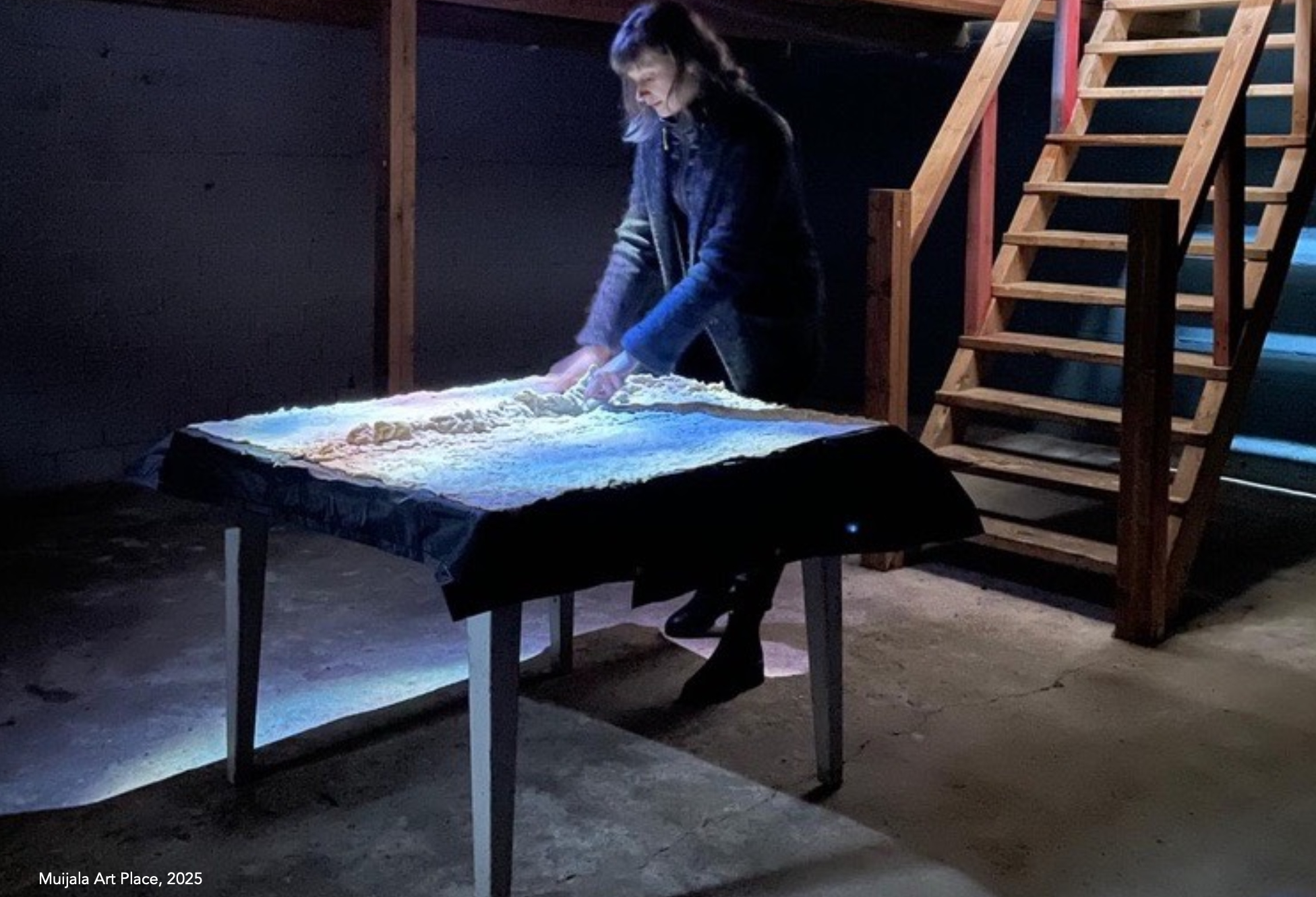
Muijala Art Place residency
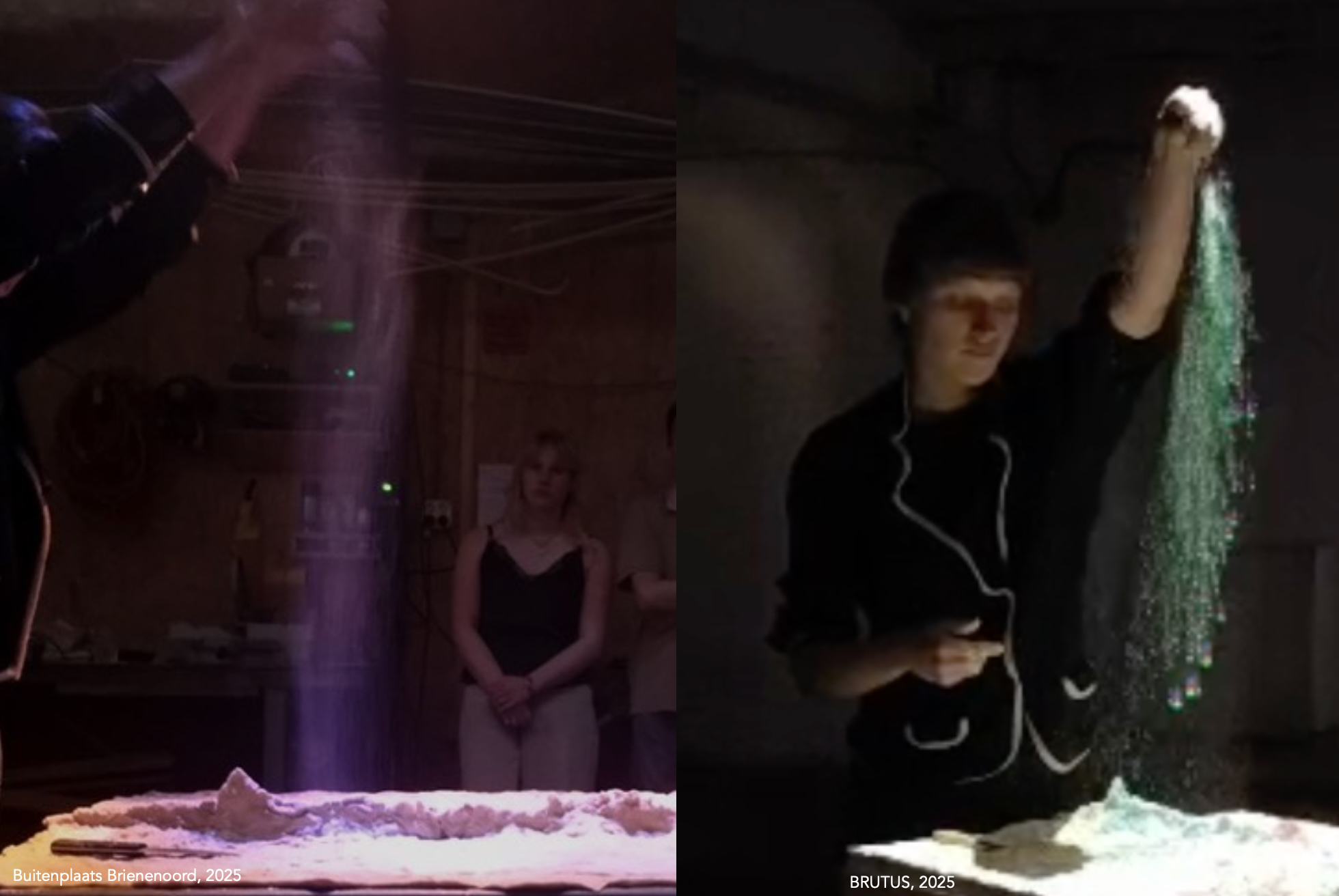
Volle Leegte Residency Buitenplaats Brienenoord
Grafted #5 Radio WORM
Can Serrat residency
Home - Made
Family Dinner- Supermarket Art Fair, Stockholm
to amplify, to strenghen
Island Ears
The initiative centers on the unique ecology of Brienenoord Island, a relatively young, man-made urban island located in the middle of the Nieuwe Maas river. The long-term mission of the project is to amplify the island's voice, history, and future hopes, with the eventual goal of advocating for its legal rights as a protected natural park. It explores our ecological relationship with the island through tasting, foraging, deep listening, and sensory observation.
take from the table, bring to the table @ refractions
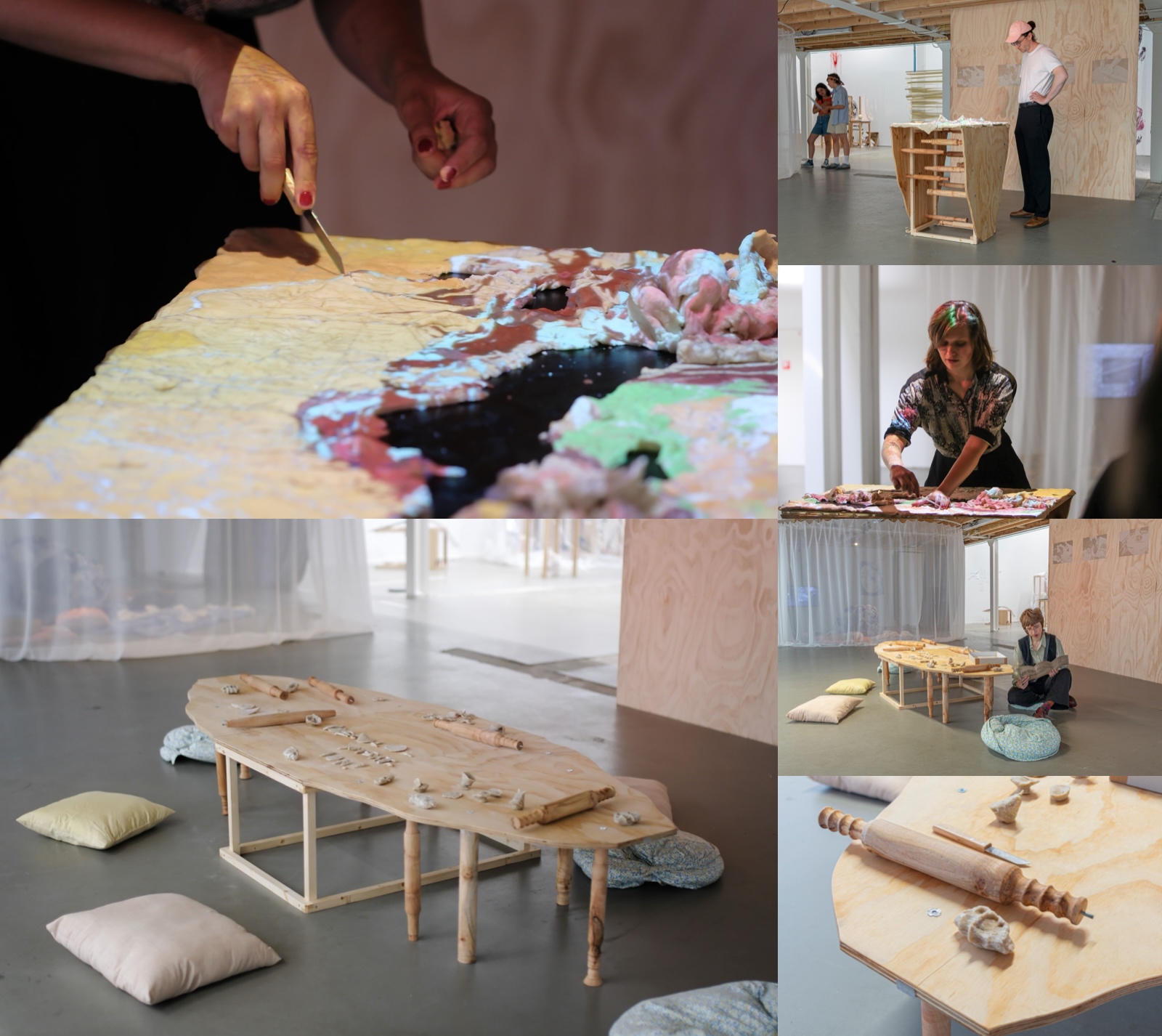
The work invites the viewer to look at pelmeni, a specific type of dumpling and national dish of Russia, through multiple lenses. From pelmeni as sustenance of the nomadic people of the Ural region; to conquerors consuming pelmeni and regional culture whilst expanding maps of Imperial Russia; and then from the perspective of personal memories in the privacy of a domestic kitchen. It is a recipe preserved and passed on from generation to generation, from hands to hands and from East to West.
Mapping Pelmeni: Presentation @ Food and Body in Colonial Contexts in Pre-modern Times (1600-1900)
Presentation of research
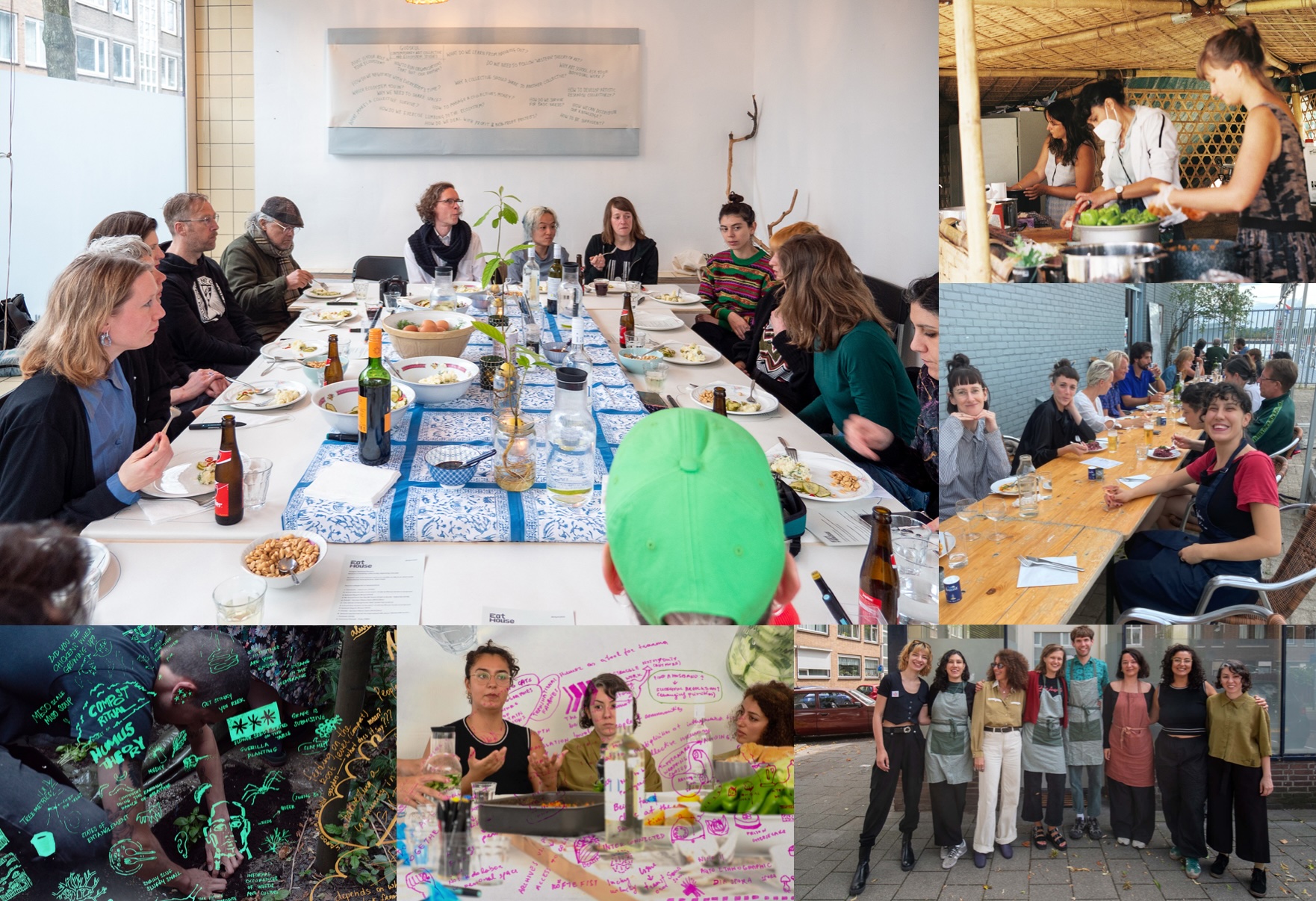
Tongue Twisting Dinners (Eathouse)
Tongue Twisting Dinners is a series of four monthly dinners hosted by Eathouse. The dinners explore ways of initiating critical dialogue around contemporary urgencies by bringing people and culinary practice together. Over four monthly dinner sessions, the dinners explored ways of initiating critical dialogue around contemporary urgencies by bringing people and culinary practice together. For each session Eathouse hosted a specific topic with invited guests.
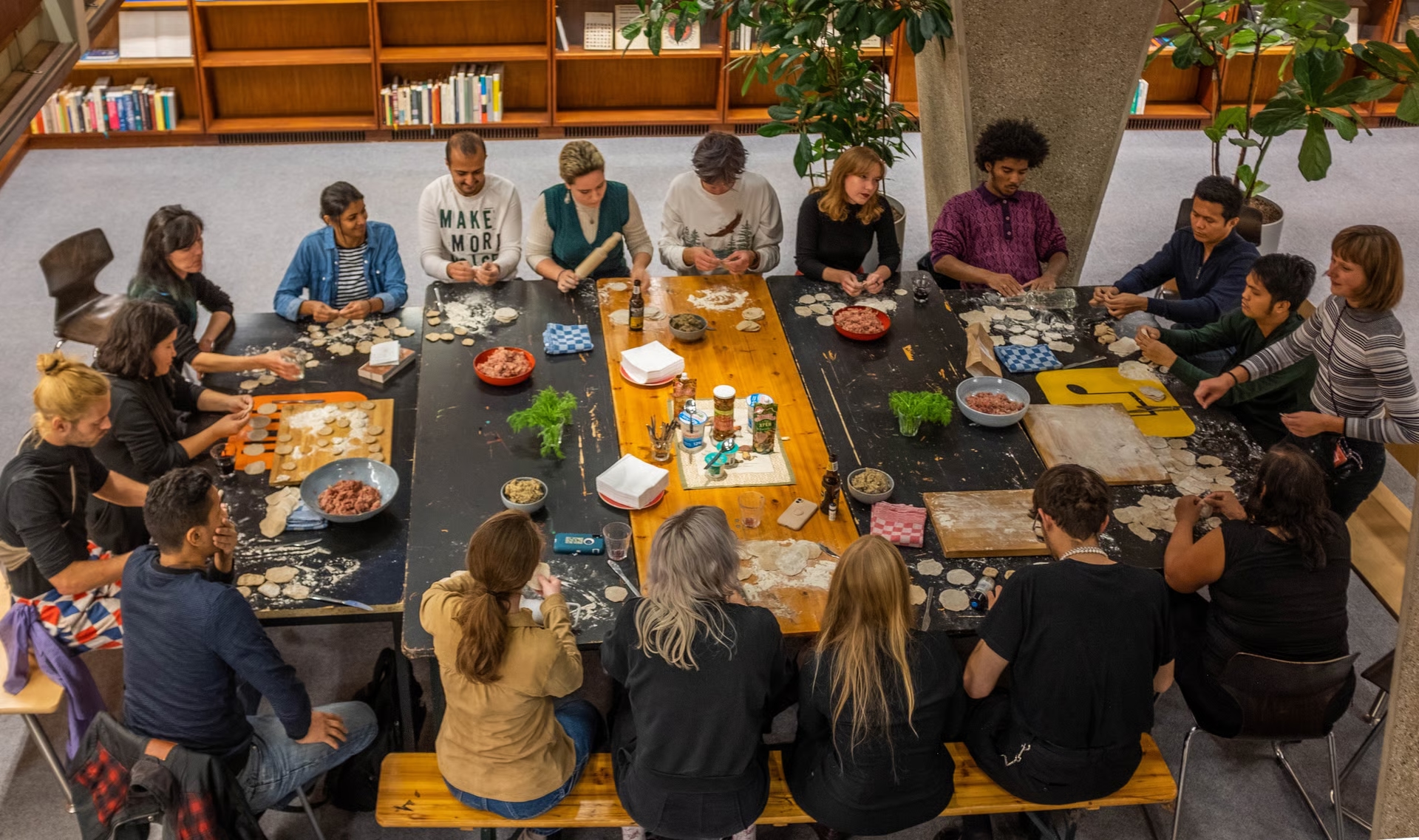
Pelmeni: A Cooking Conversation @ WEST Den Haag
Guests will cooked pelmeni with a research talk of the origins of pelmeni from the semi-nomadic Uralic hunters' sustenance to their present status as a national dish of Russia. The name originates from the Udmurt language: pel' nyan' meaning 'ear bread'. Using them as a listening tool, we opened up discussions about unwritten histories, knowledges and their meaning in the current context.
Eathouse @ Pakghor the social kitchen, Britto Arts Trust
Eathouse did a kitchen takeover at the project Pakghor social kitchen organized by Britto Arts Trust at documenta fifteen
Tuinlab
Tuinlab is an ongoing garden project in collaboration with artists, neighbors, and children, exploring the possibilities of connecting through art, research, nature, embodied knowledge, getting hands dirty, and learning about the origins of food. It's about learning, about being together, about people's relationship with each other (both humans and plants), through a set of activities and interventions in and around the garden such as grass-weaving and cooking.
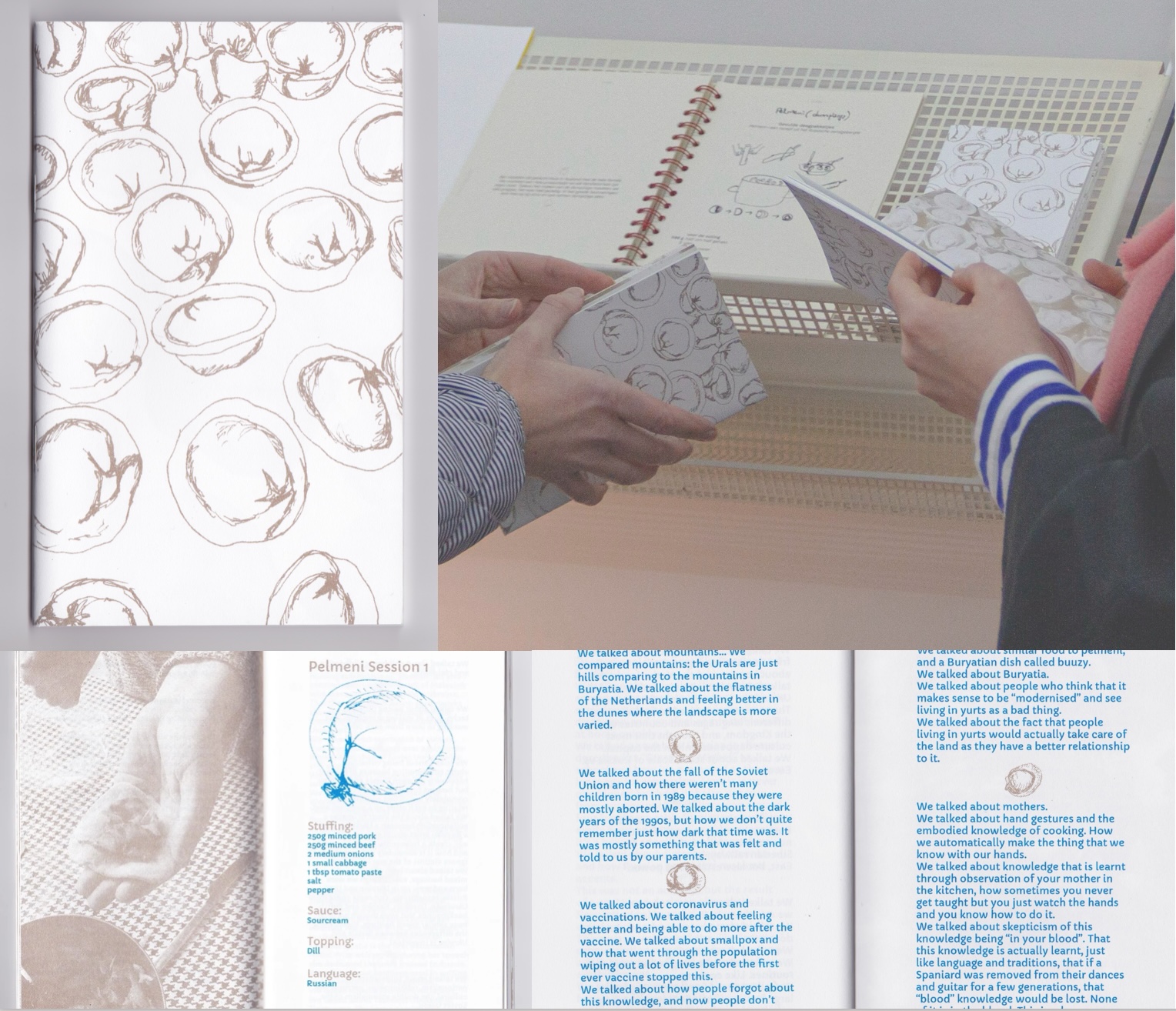
Pelmeni: A Conversation Cookbook
'Pelmeni: A Conversation Cookbook' presents the starting point of an investigation into the histories of pelmeni, a type of dumpling originating from nomadic peoples of the Ural mountains. Over a course of four small pelmeni-making sessions with women from different backgrounds, I collected oral histories of language, food and practices of home in 2021. The collaborative making of pelmeni—literally translated from Udmurti as ear-bread—foregrounds cooking together as a time for listening.
Eathouse LIVE FEED
In Summer Season 2021 Eathouse Collective were running LIVE FEED: a set of 4 broadcasted events where we took a look at specific dishes we cook, and opened up discussions about their histories to find out what draws us to them and how we gather and form a community around them.
Homeware for Hibernation
An autumnal homeware collection produced for a shop called LIFE. Thinking along with annual rhythms of growing, collecting and storing, the artists gathered organic materials on walks and in the kitchen over the summer and early autumn to make naturally dyed textiles. This was accompanied by candles cast in recycled bottles, analogue photographs of mushrooms in the woods and reading lamps.
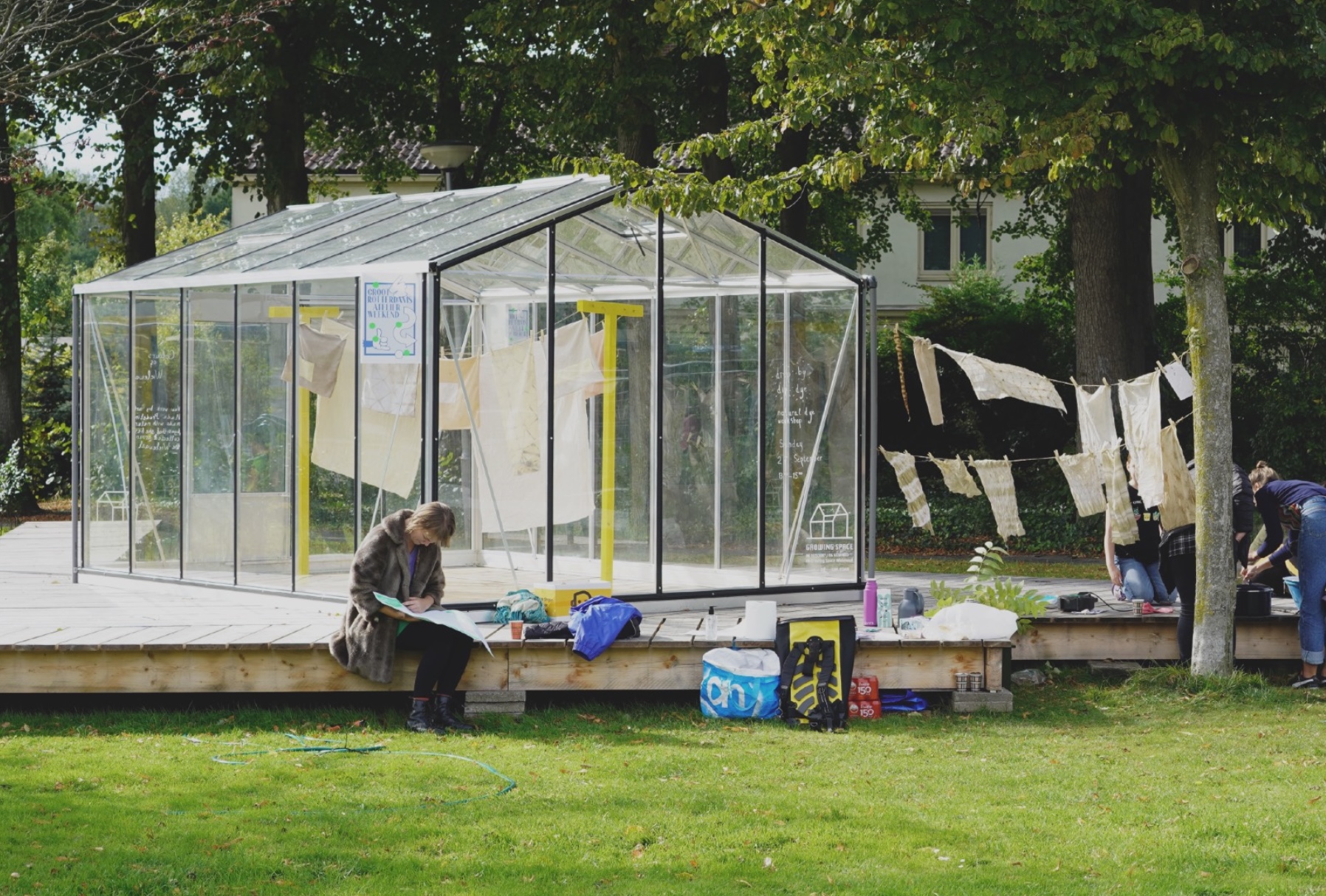
drop by dip dye
Natural dye workshop
Colours of Wielewaal
Colors of Wielewaal features new work made using natural dyes gathered in and around the Wielewaal neighborhood. It celebrates a moment of a recent interest in making natural colors from plants and food scraps in order to be more connected to the land and our surroundings as a way to feel more at home.
Publieke Werken
Eathouse
Eathouse is an initiative set up by Ulufer Çelik, Merve Kılıçer, Vlada Predelina and Jake Caleb to provide simple, affordable food and a generous meeting point for people living in Rotterdam-South. For the 2020 summer season, Eathouse cooked and hosted the restaurant at Paviljoen ... aan het Water.
Off-Grid
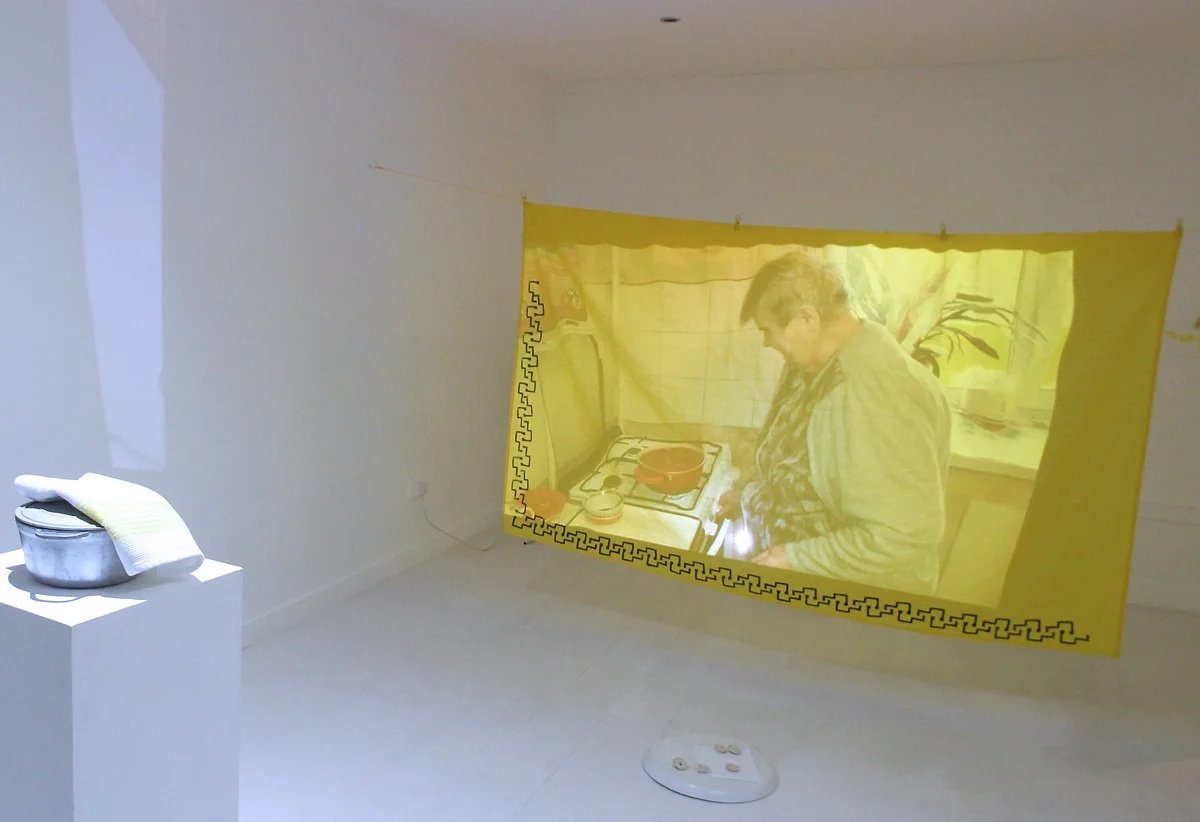
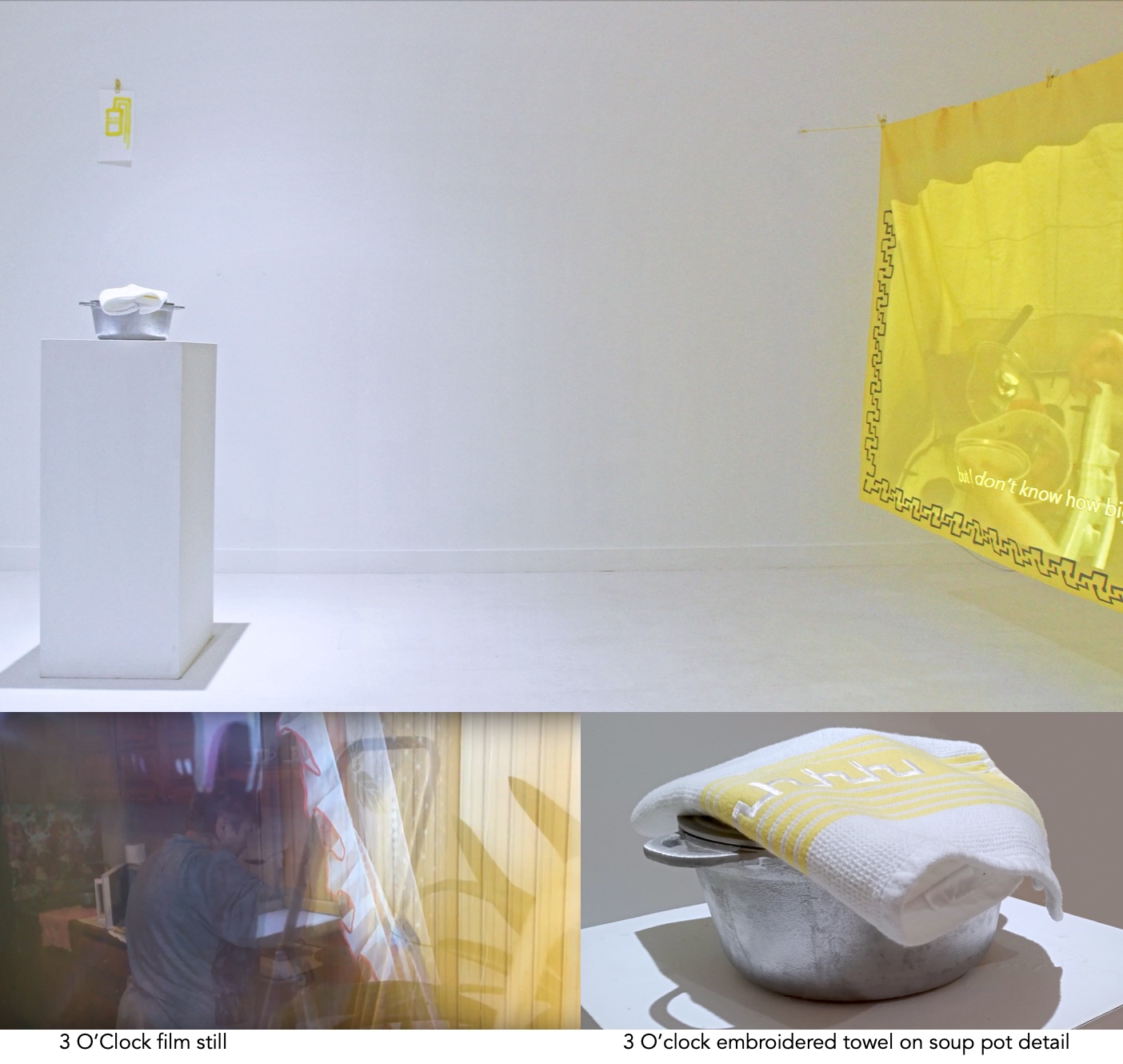
3 O’Clock: Migration as an act of art, ritual as a method.
It Boils Down
15 Hours (during Schnittserie)
SHOWROOM
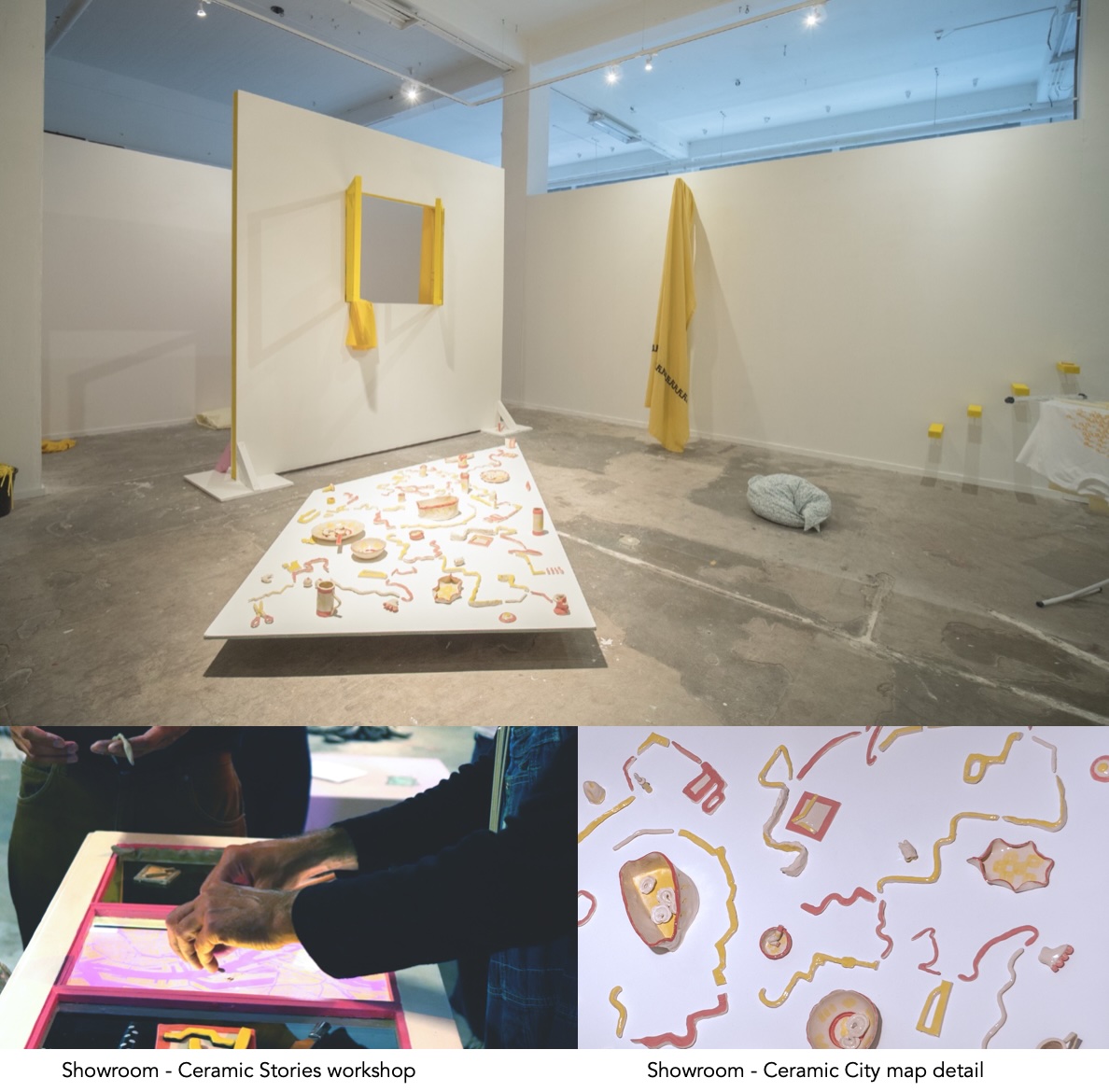
Ceramic Stories
Ceramic Stories is a series of workshops for looking closely at daily routines and other personal rituals that make us feel grounded. This could be brushing teeth, doing some basic housework or walking to the shop to get groceries. An exploration of everyone's day-to-day life to larger events.
Pelmeni
An invitation to share a personal moment of dumpling making at the grandparents' apartment. After not seeing them for a long period of time and discovering their figures on Google Maps' image captured outside of their house, there was an urge to recreate the experience, this home feeling away from home.
HCA Residency
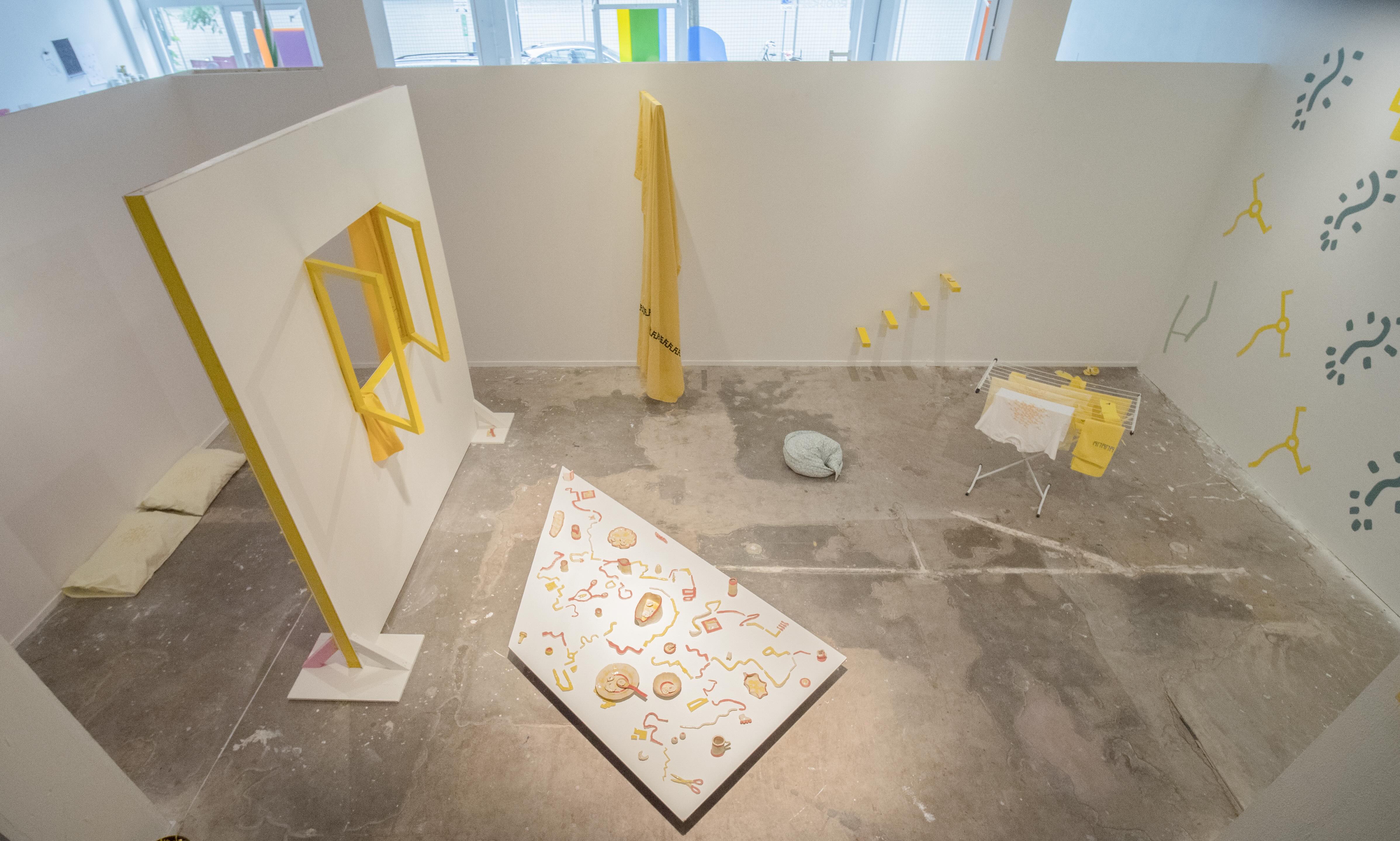
Learning about home
I used the residency to further explore my ideas about 'home' and 'housing' through installation, culminating in a workshop where I invited others to explore what home means to them.