
David van Slooten (Almelo, 1994) works as an artist and designer. He graduated from the Product Design department of the Willem de Kooning Academy and earned his master’s degree in Design Cultures at the Vrije Universiteit Amsterdam.
David’s practice focuses on making objects that respond to the processes inherent in our designed surroundings.
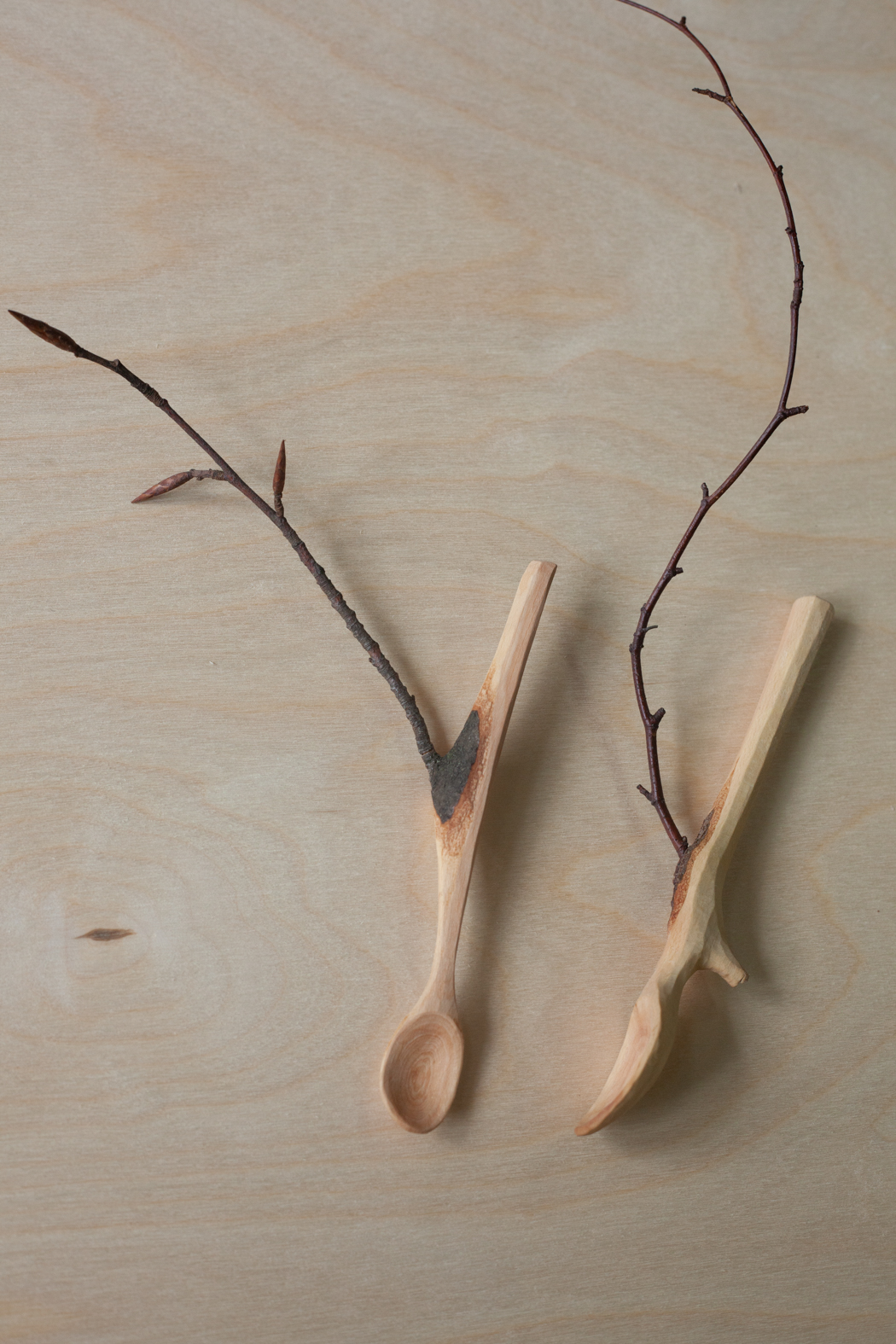
Being informed by both theoretical frameworks as well as the body-knowledge, David seeks to find a reciprocal relationship between the thinking and making processes. Herein, he considers the hands as an important tool to negotiate and mediate between the two. Wood has gradually become a material that is a significant part of his practice.
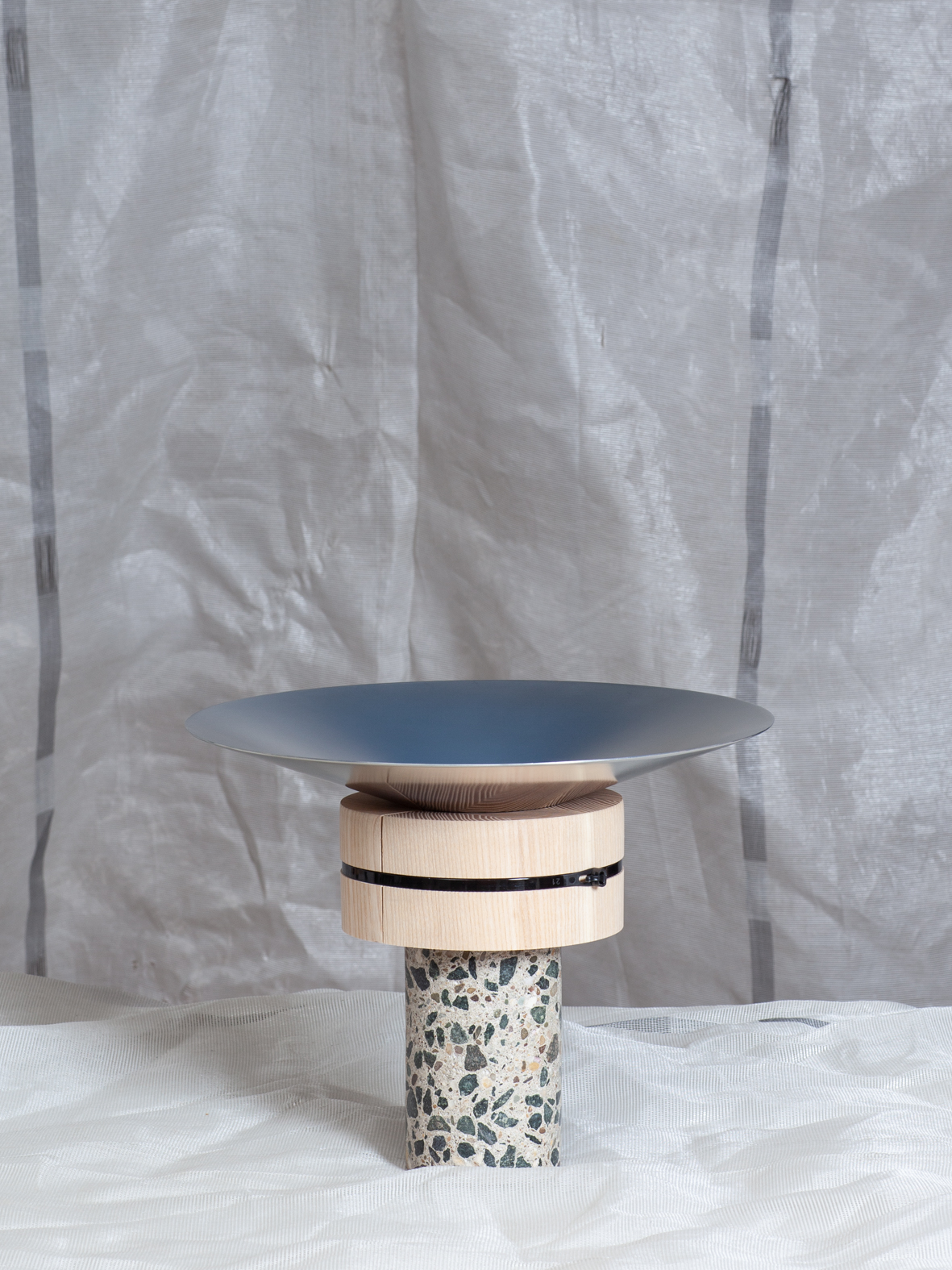
In the process of turning material into a work, the material is always shaped in respect to the original surroundings. By means of arranging both shapes and materials, David responds to our designed environments and human relations with land, landscape, nature and spaces. He does this by revealing the unevenness behind these (nowadays) designed surroundings, or by returning to primordial techniques and showing the transience in man-made objects.
Mending Stones
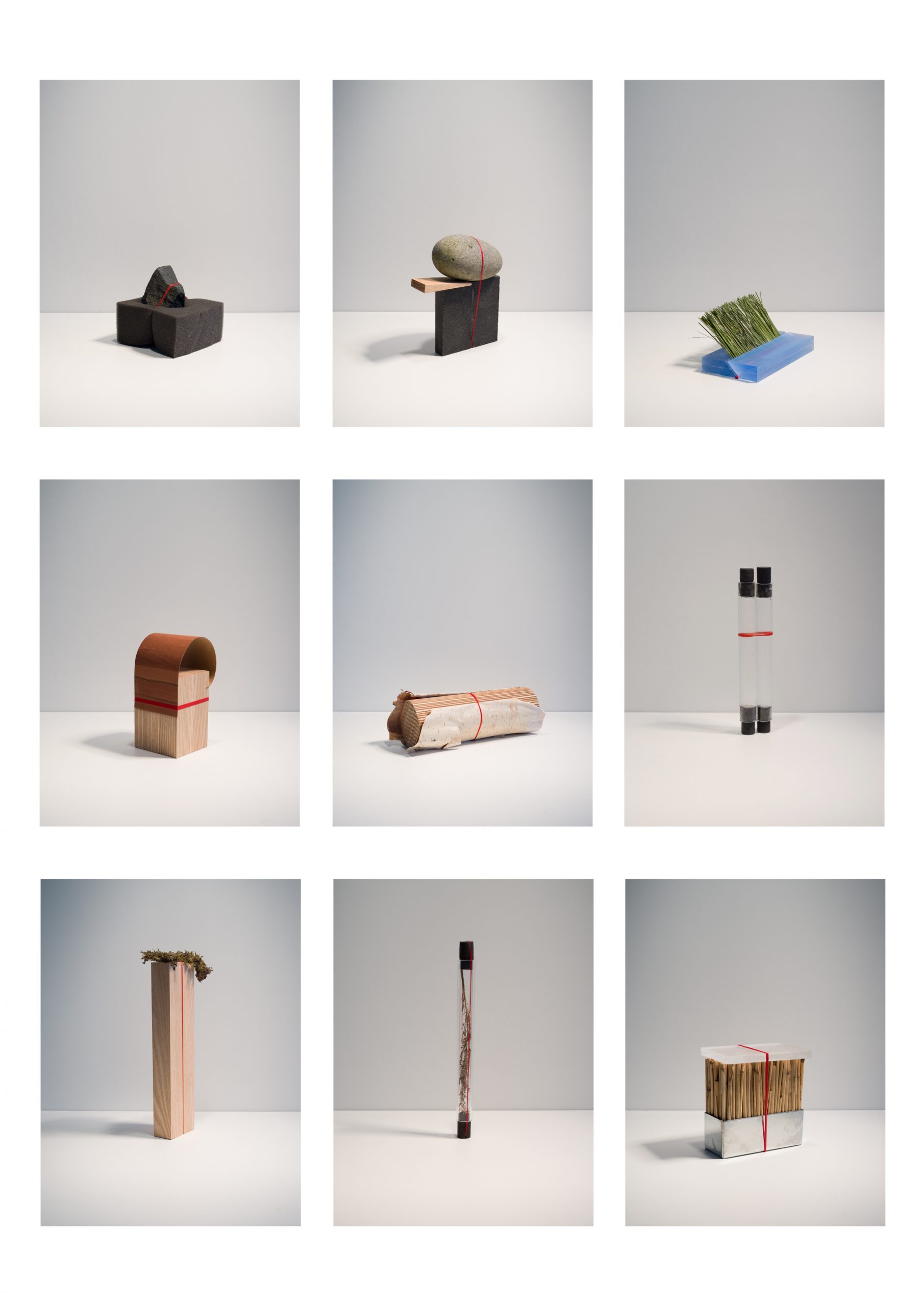
Mending Stones is een kunstproject waarin op een steenstrand in Noorwegen gebroken stenen
weer bij elkaar worden gezocht en gerepareerd. De poëtische handeling van het repareren toont de
fragiele verhouding tussen mens en natuur en de discrepantie tussen menselijke en geologische tijd.
Het werk nodigt uit tot vertraging en aandachtig omgaan met onze omgeving.
Het project resulteert in gerepareerde stenen als sculpturen en een videoregistratie waarin de
handeling zichtbaar wordt. De specifi
berken tafelwaar (werktitel)
Ontwikkelen van tafelwaar van lokaal berkenhout en berkenschors in samenwerking met Belén. Gezamenlijk werken we aan een project waarbij de gehele boom gebruikt kan worden voor zowel het gerecht als het servies.
The Tent
Research project into the use of the trekking tent. What is the basis for the leisure culture of camping and mountaineering, and how do the principles of movement, place and time relate to the origin of the tent as a nomadic home?
(Part of the masters degree in Design Cultures I'm working on at the moment)