
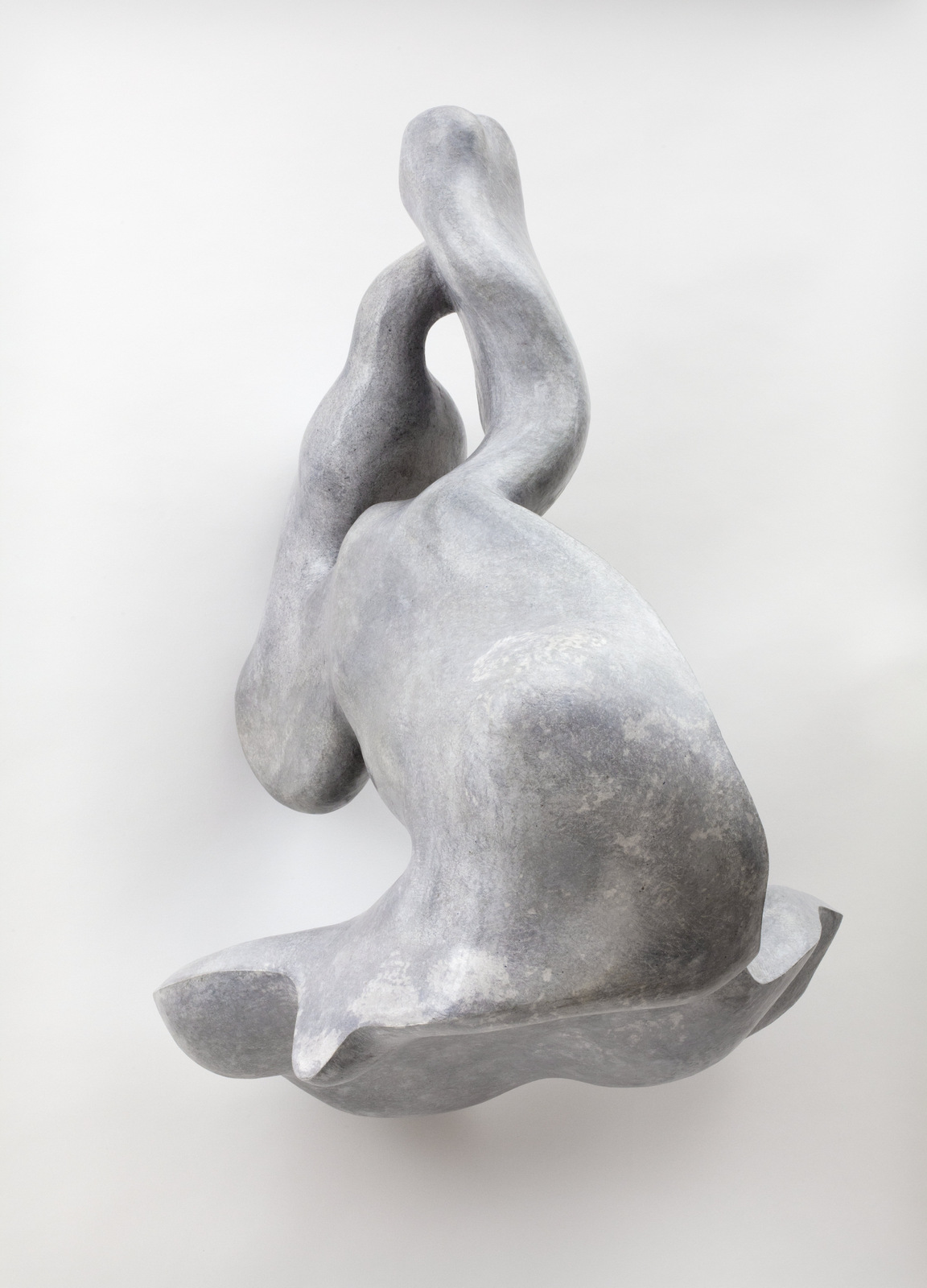
Sculptor Jan Eric Visser is known for carefully creating challenging abstract sculptures from his personal everyday inorganic household waste. Thus, he has been exploring an ecologically driven aesthetics respectful of earth’s resources and the cycle of nature and life from 1987. Aspiring for an artistic reconciliation between concept, matter and activism his oeuvre challenges our contemporary understanding of matter and existence. The alluring material presence of his works in terms of surface, colour, scale and shape is inextricably related to the ethics of their production. Visser’s art practice may be seen as a unique personal footprint, raising notions of consummation and transience, enigma and exigency, art and life. In an age of ever-increasing pace and distraction, his captivating sculptures offer a place for sustained perception and thought.
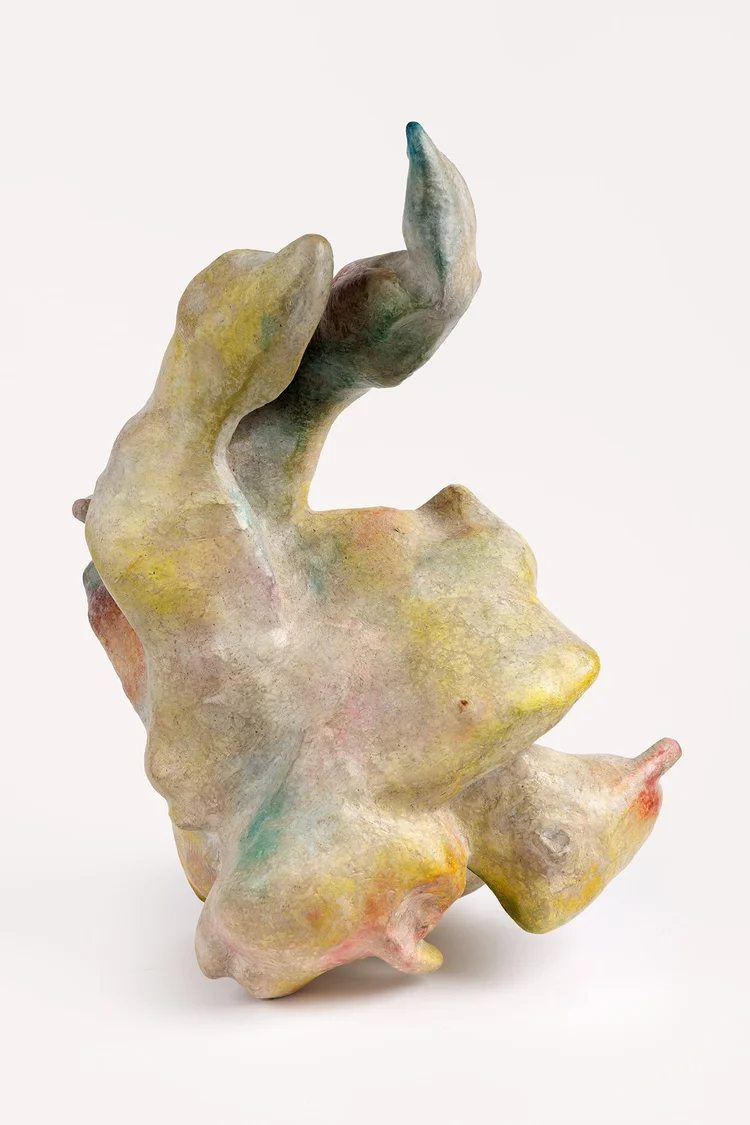
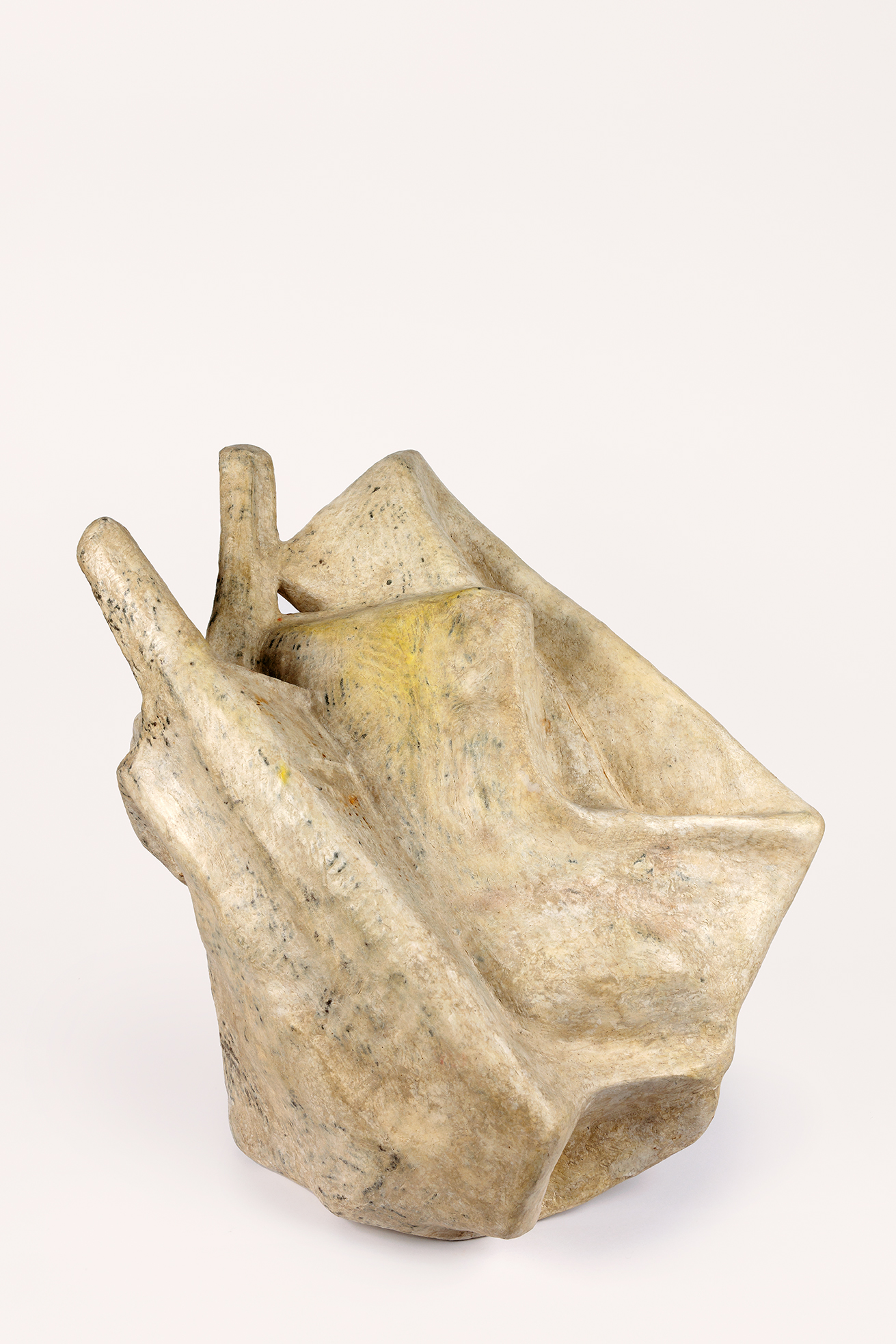
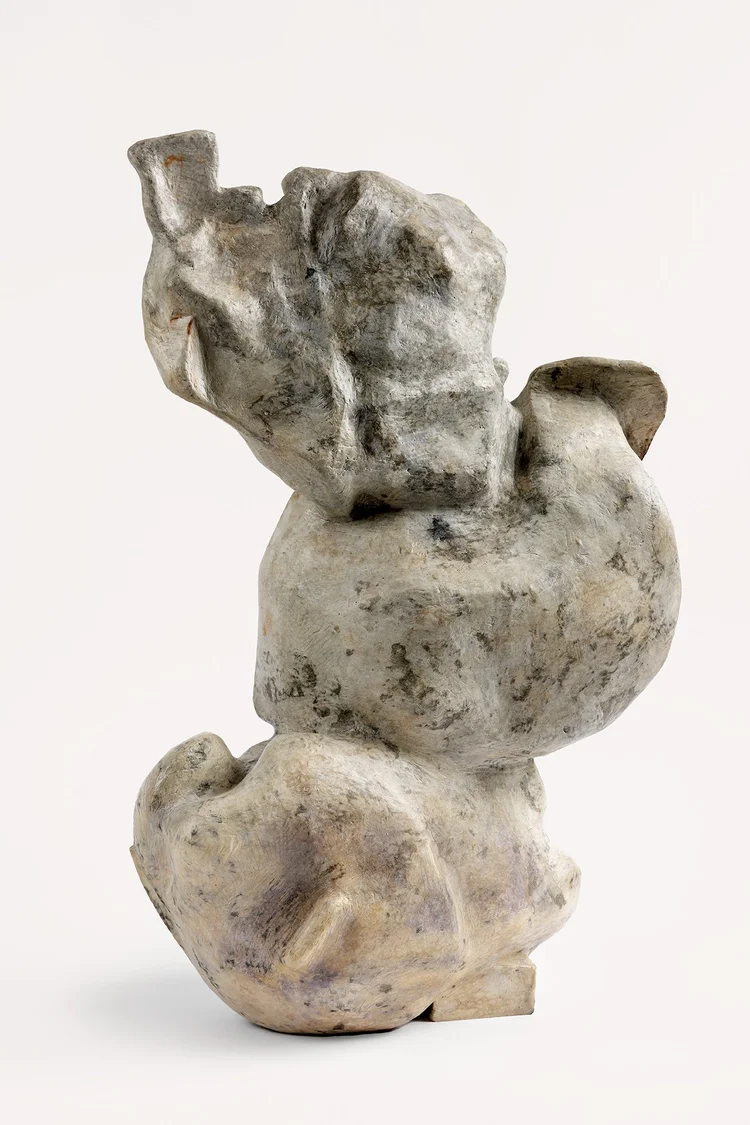
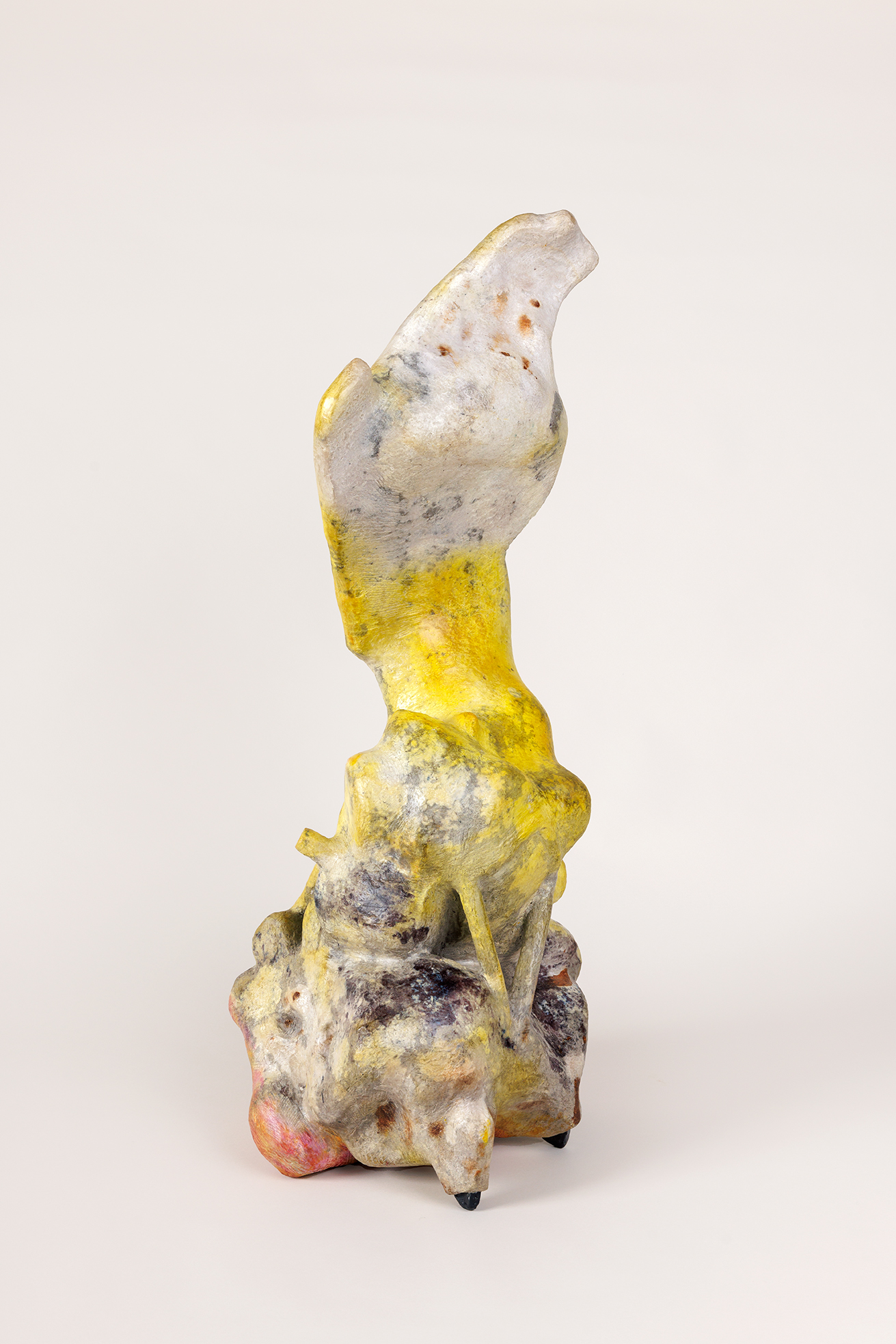
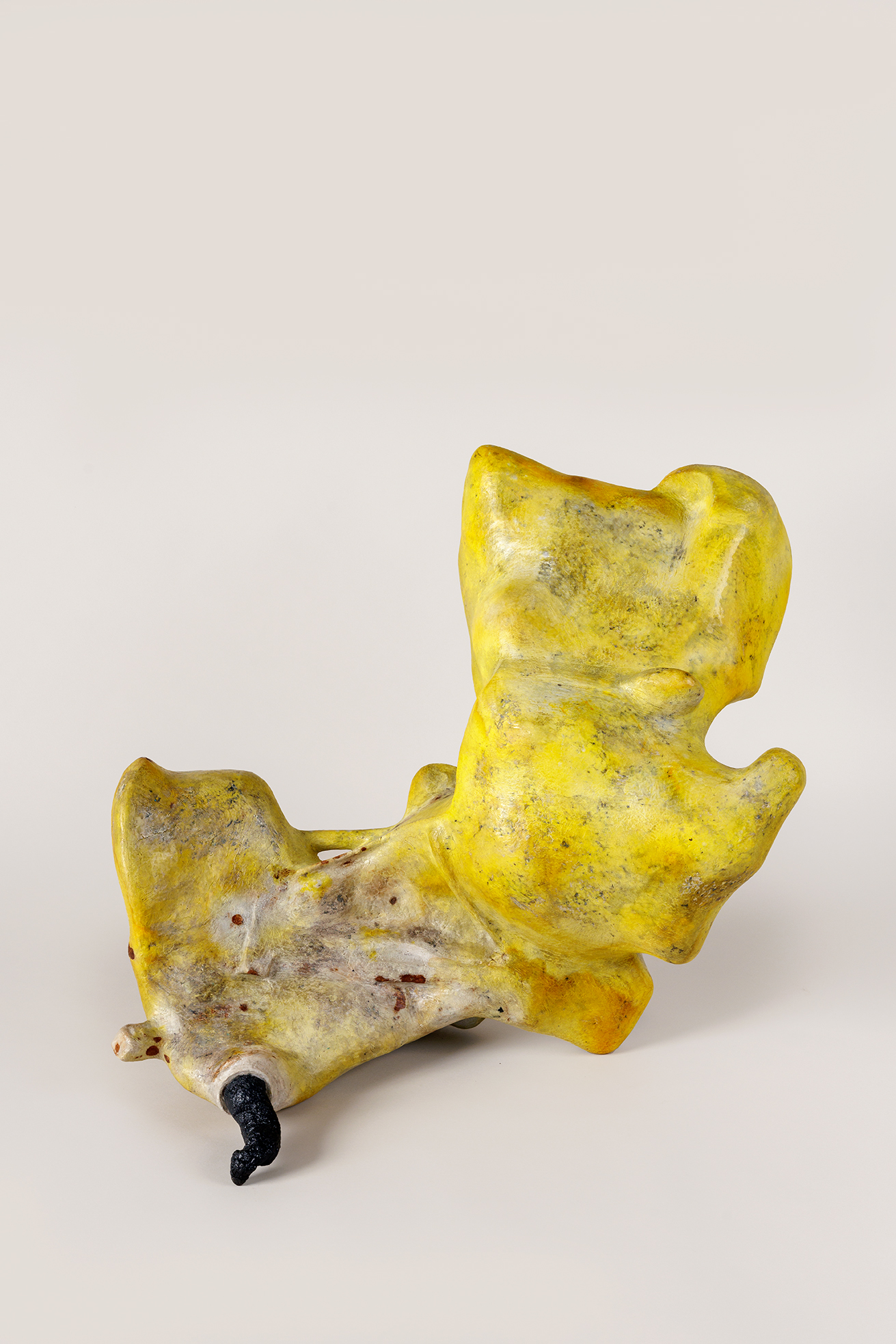
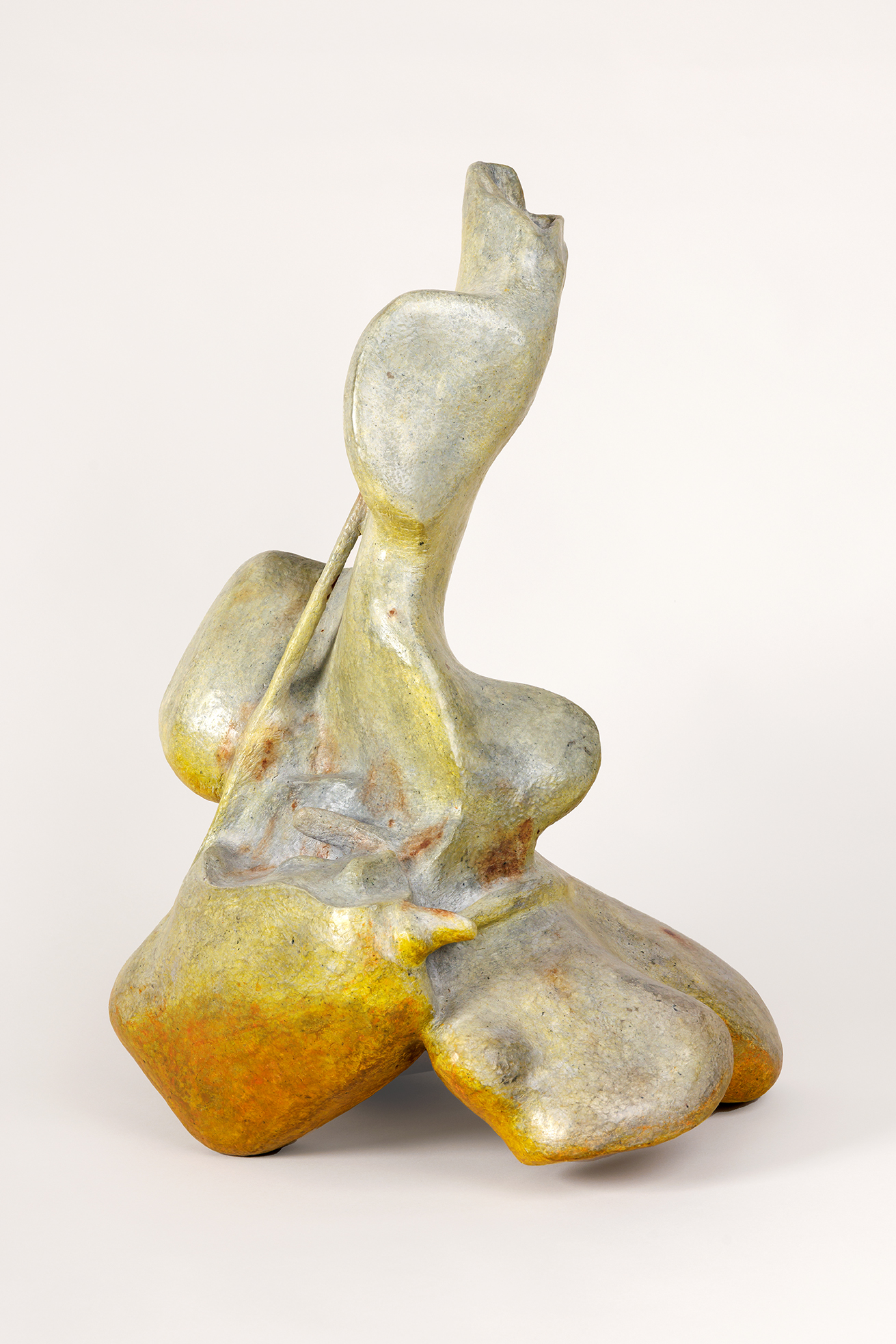
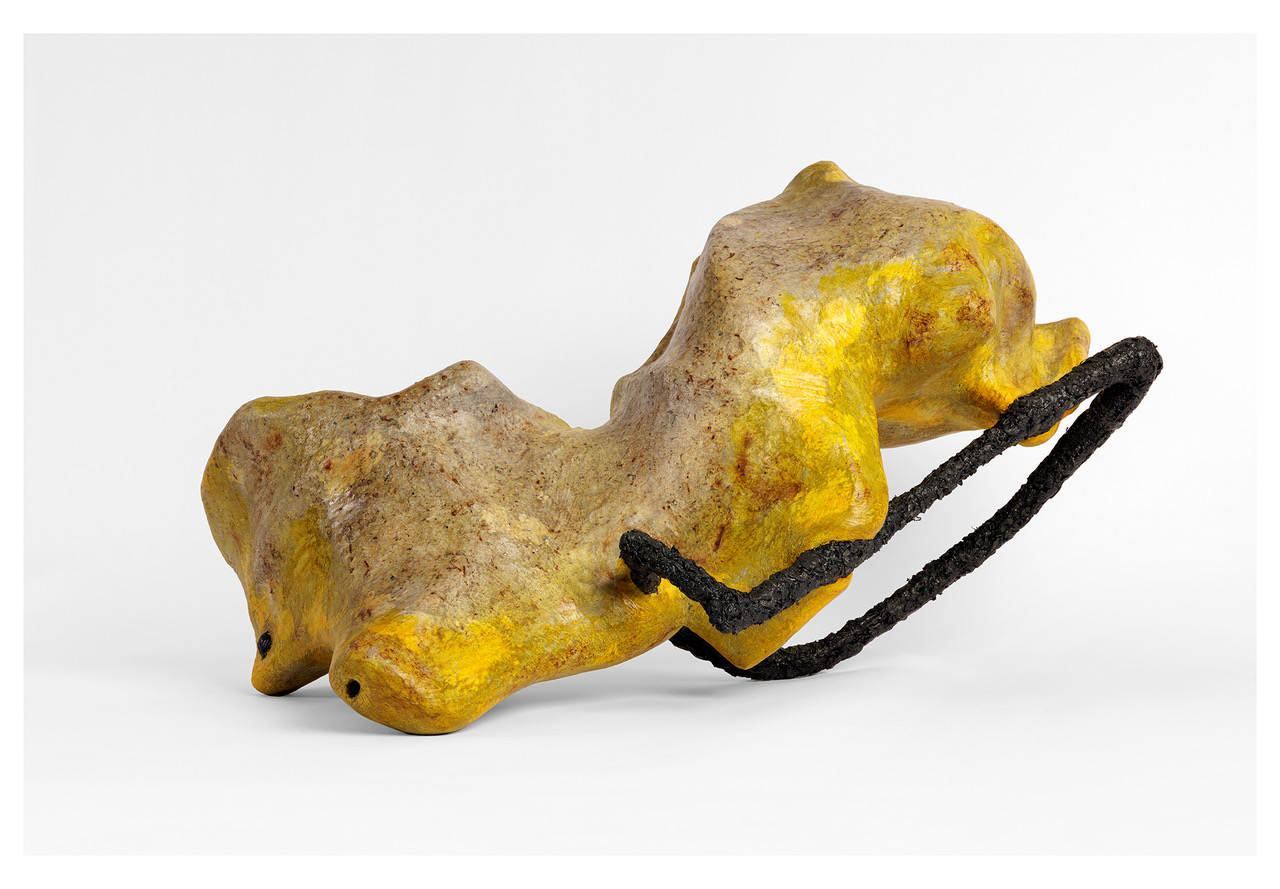
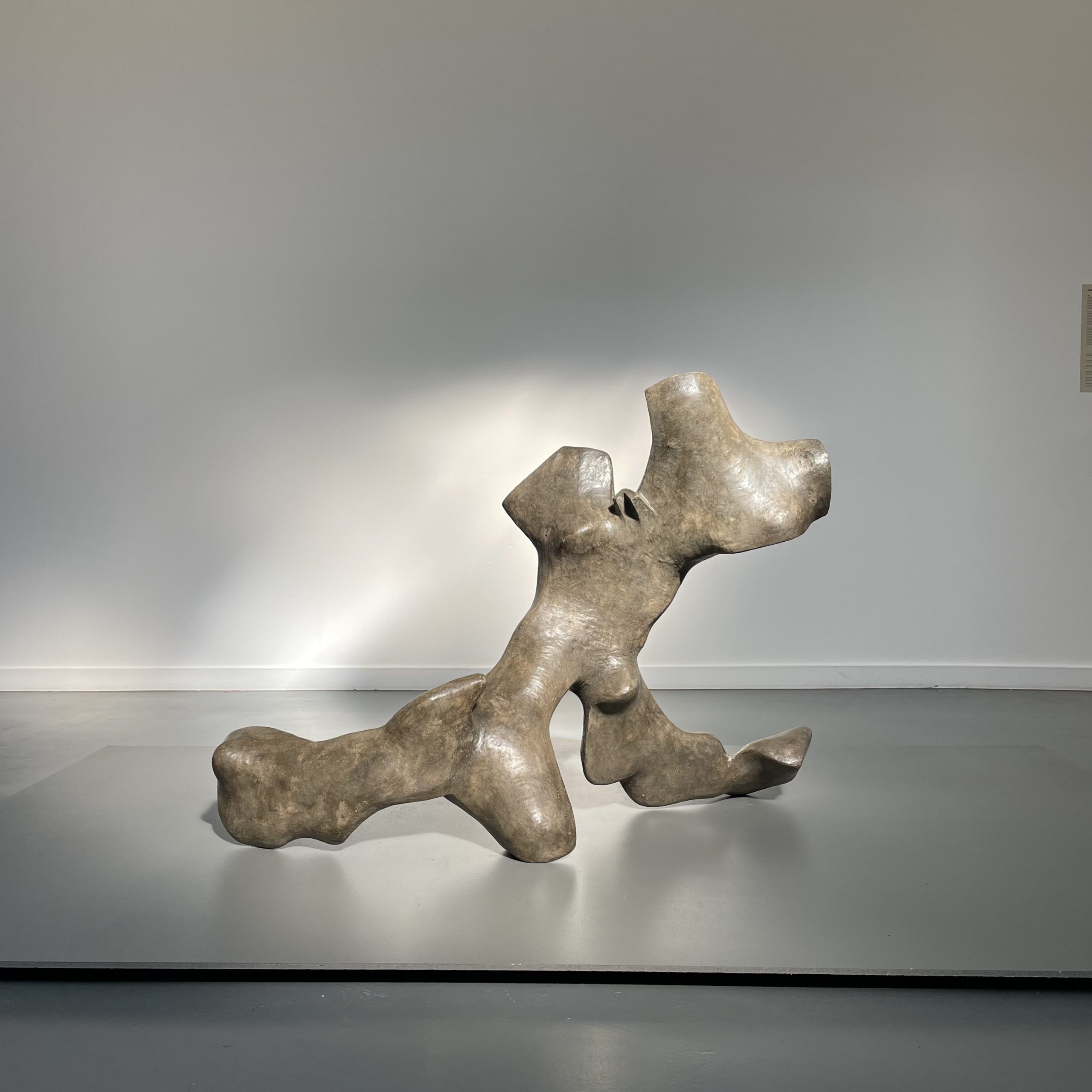
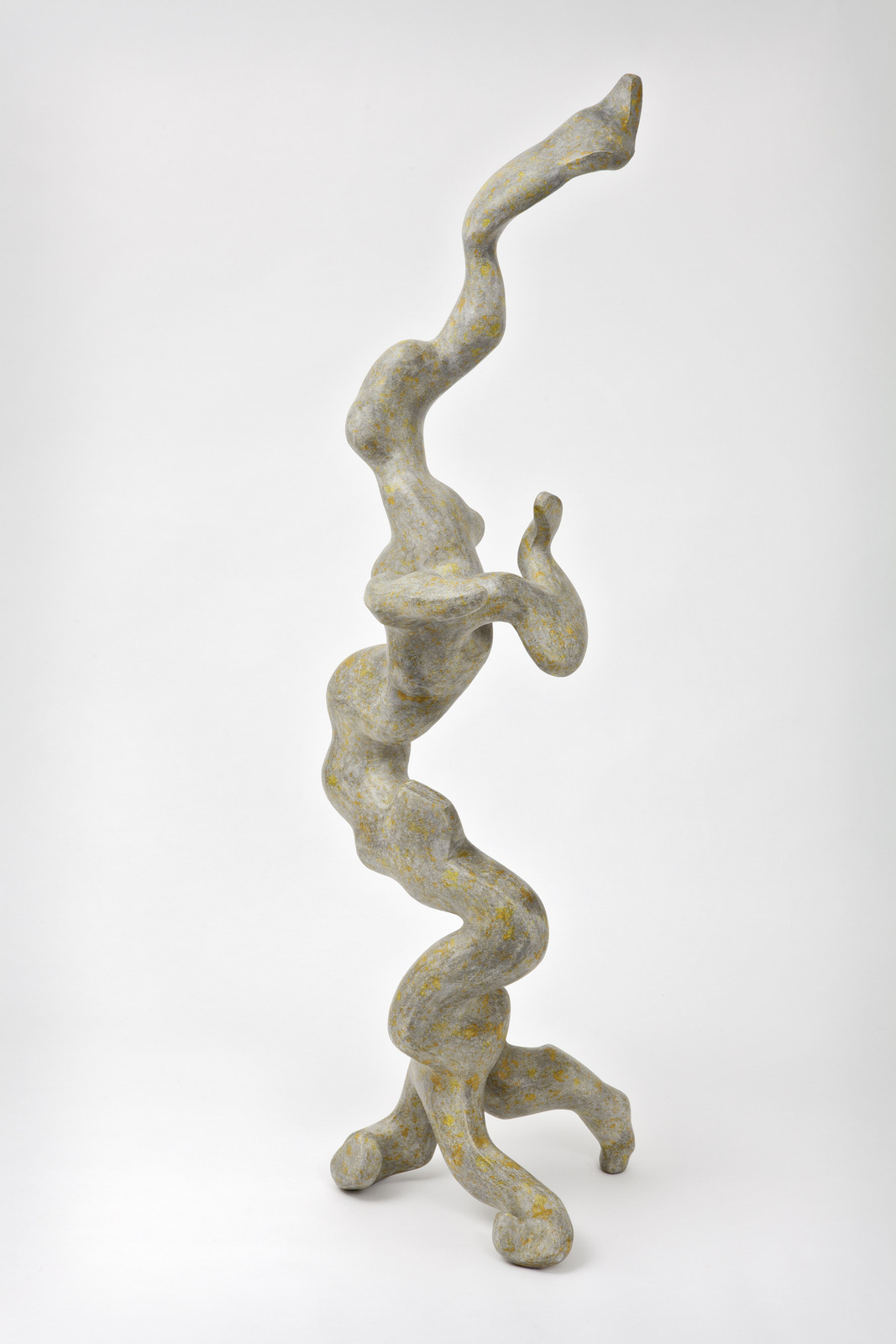
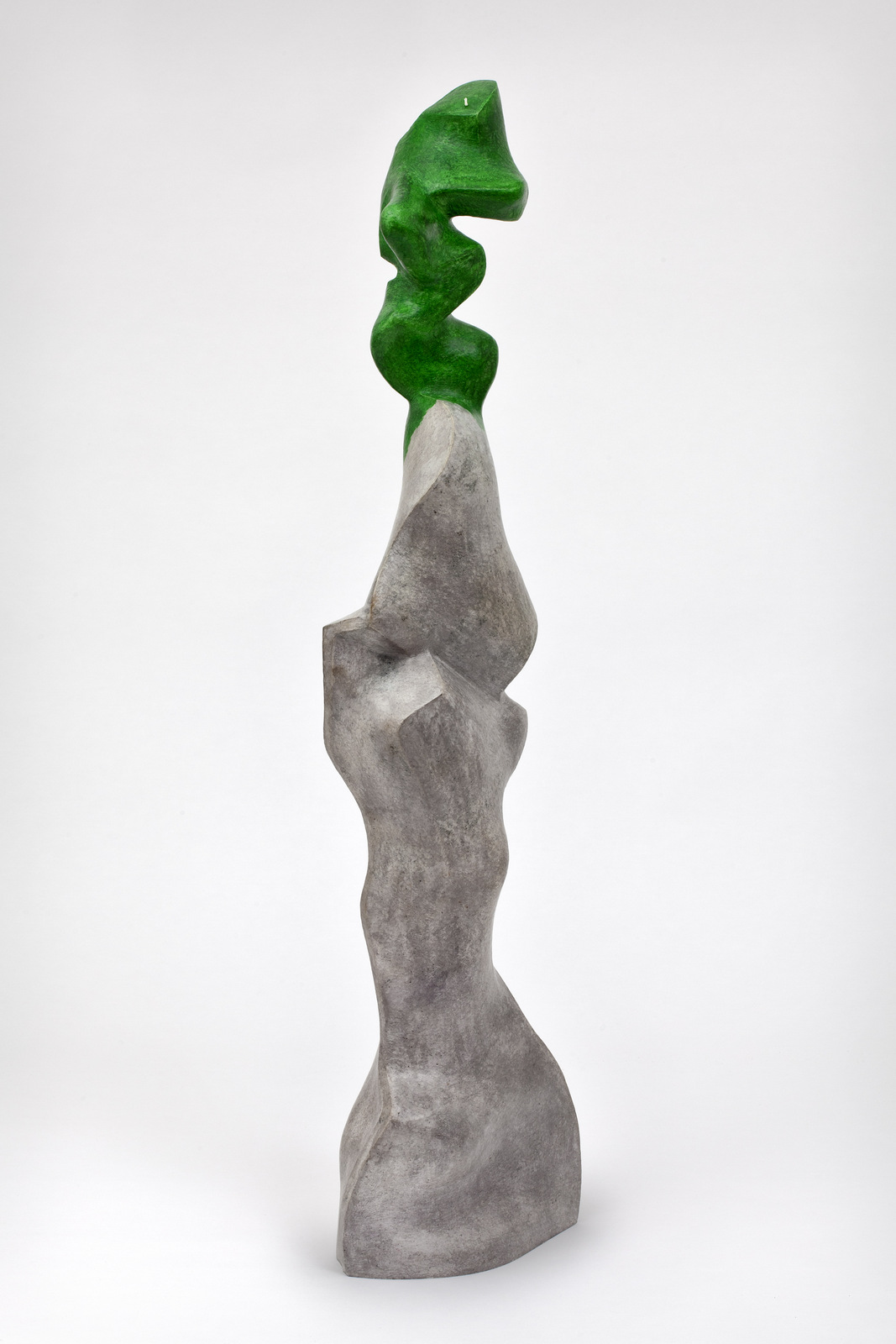
Beelden 2024
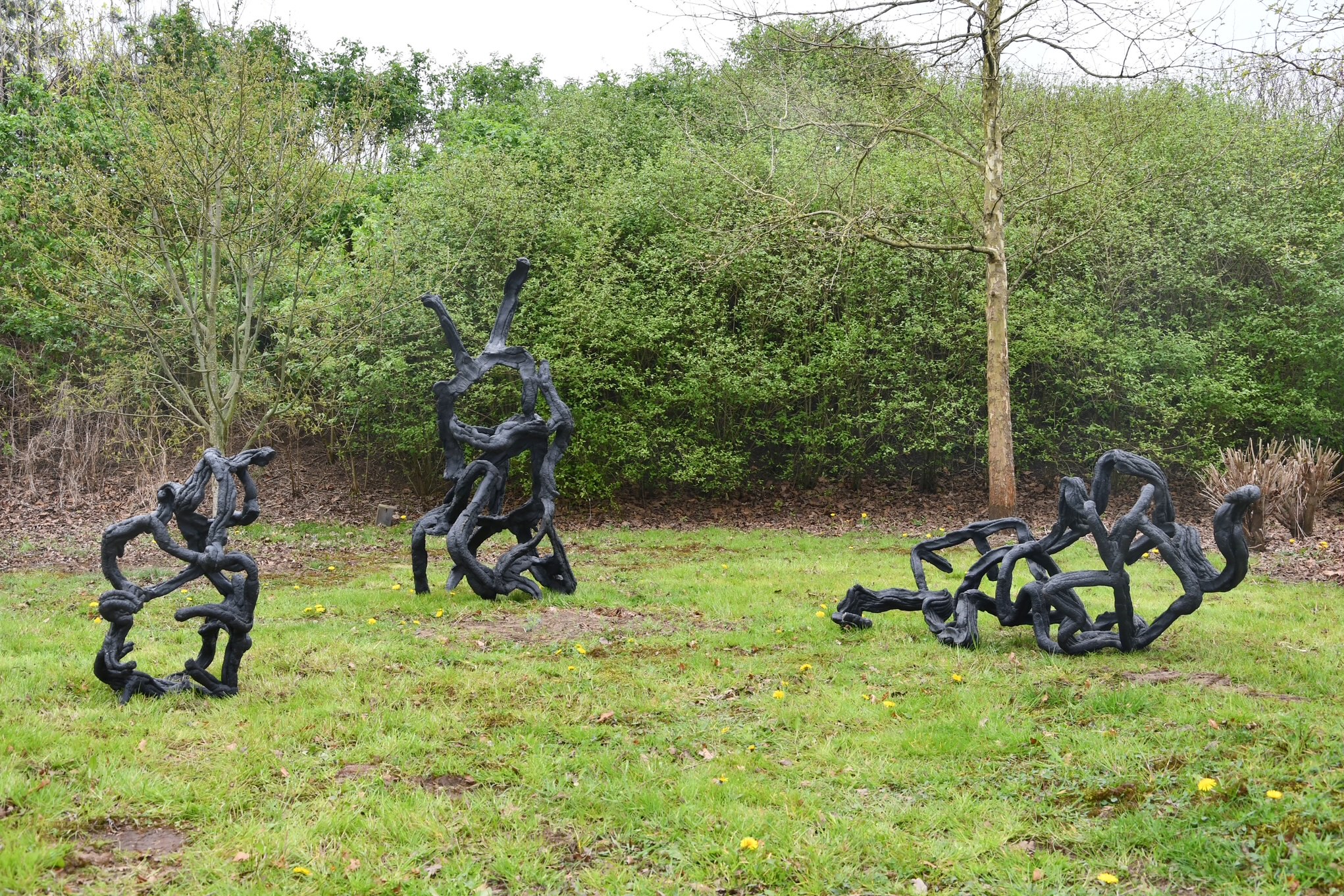
These works are made of 100% post-consumer plastics and created in co-creation with a recycling machine, which induced the fluid lines. To Visser the material advocates transformation and regeneration. Thus, the material can be reused over and over again. The sculptures came about using energy generated by solar panels
Small Sustaining Acts
Group exhibition
End of the Holocene
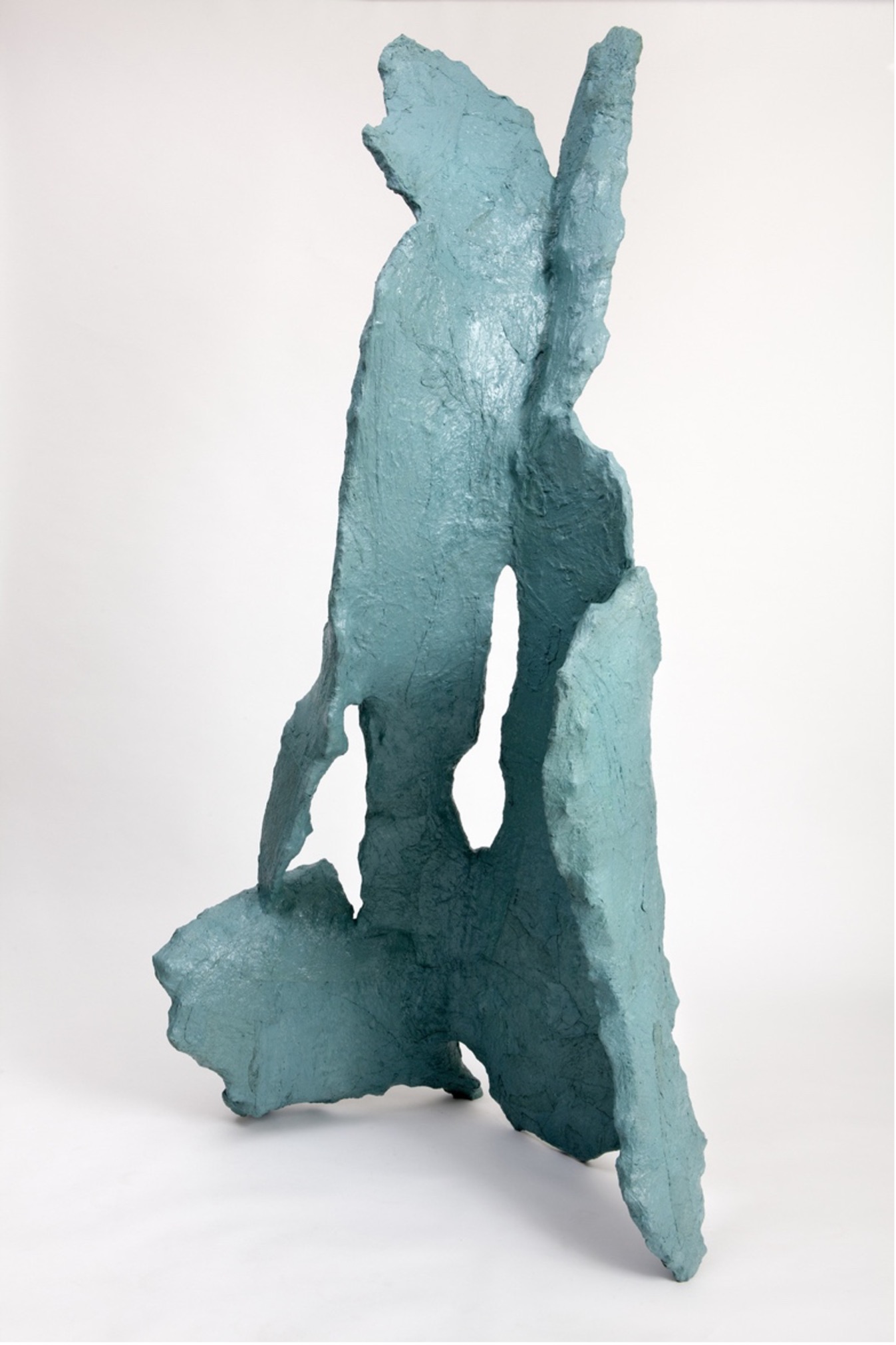
Plastic research on sea clay, which has been deposited on the Dutch shores from the beginning of the Holocene due to past sea level rises. To Visser the material, linking a sedimentary past to the present and future, references mankind's precarious existence on planet Earth.
De vuilniszak als muze/The garbage bag as muse
Solo exhibition curated by Colin Huizing
What branches grow out of this stony rubbish?
Group exhibition
Lost in Garbage
Solo exhibition with new monographs titled Veritas published by Verbeke Foundation
Zero Waste
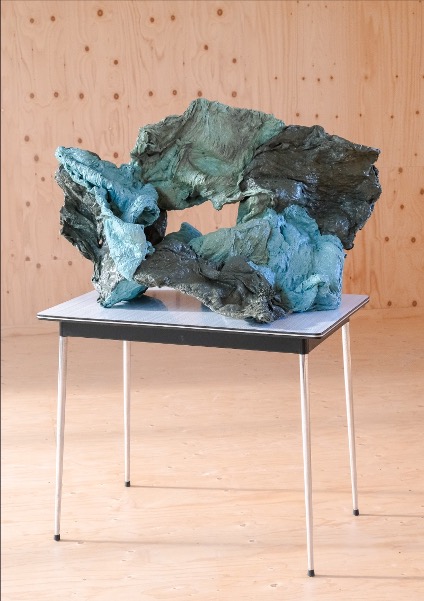
Plastic research on an new type of concrete developed by Technical University Eindhoven. The concrete is made of waste materials only and contains a mineral that reduces air pollution by breaking down NOx
Aquadyne Project
Plastic research on a new material developed by Newcastle University made of 100% post-consumer plastics. Plants may root in the material.