Natalia Amelia Saied

performance , Lichaam , interactief , Experimenteel , Educatie , cross-over , Artistiek onderzoek

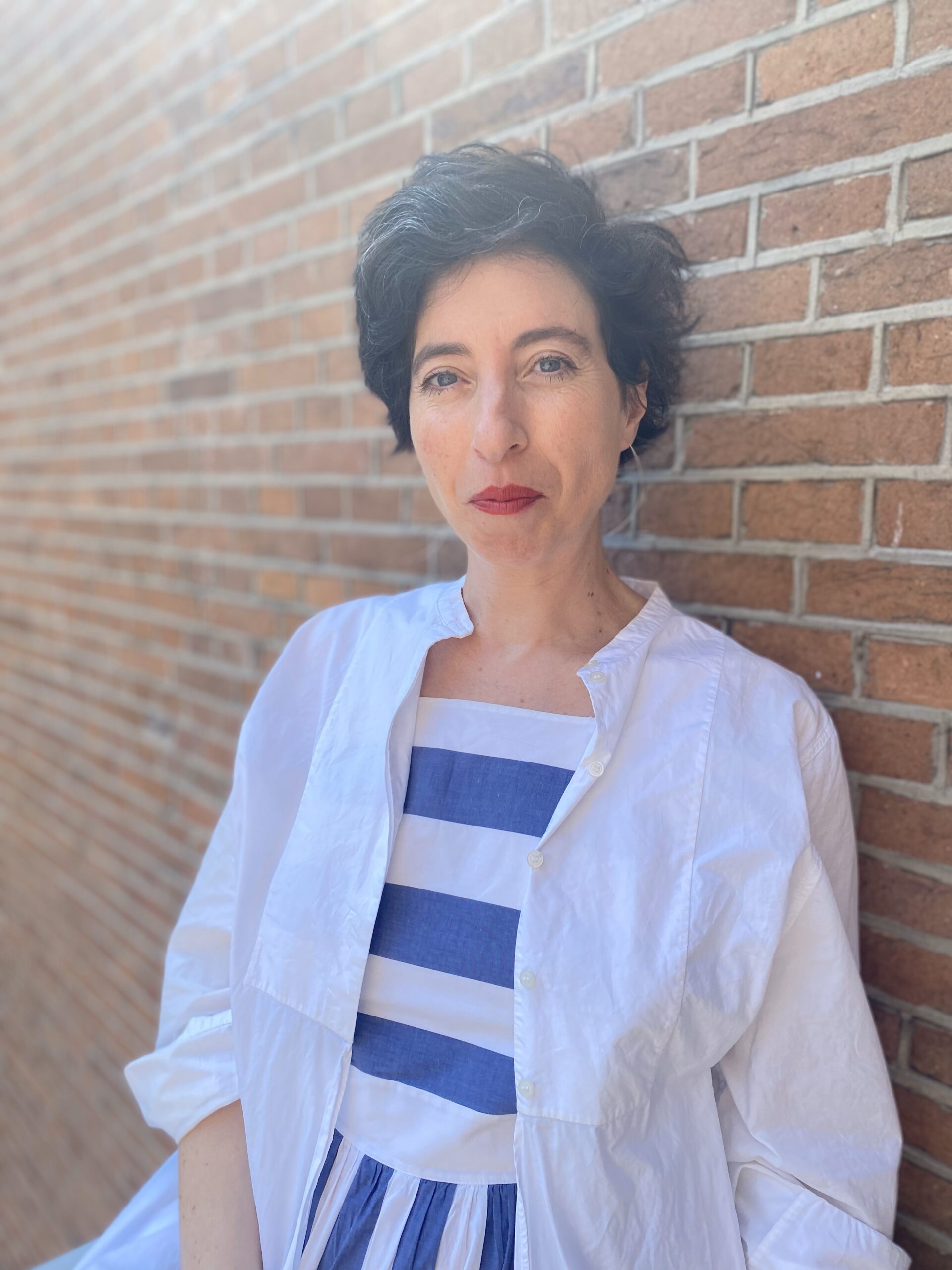
I am an artist-educator based in Rotterdam. With more than 25 years of experience in the cultural field, my professional path encompasses dance education, performance, project management and creative production for performing arts, including a global ISPA fellowship in 2020. Following a mid-life reimagination, I moved to the Netherlands to pursue a Master's programme, choosing Education in Arts (MEiA) at Piet Zwart Institute, Rotterdam, The Netherlands (2021-2023).
My practice sits at the intersection of somatic learning, dialogical art, and participatory intervention. I develop frameworks that explore corporeality as a territory of knowledge and transformation, inviting participants to re-signify how we inhabit cultural and educational spaces through divergent thinking and the relational aspects of the encounter that are central to the learning/experiencing process.
Tiempo Compartido - residency at Centre de Carme Cultura Contemporanea, Valencia
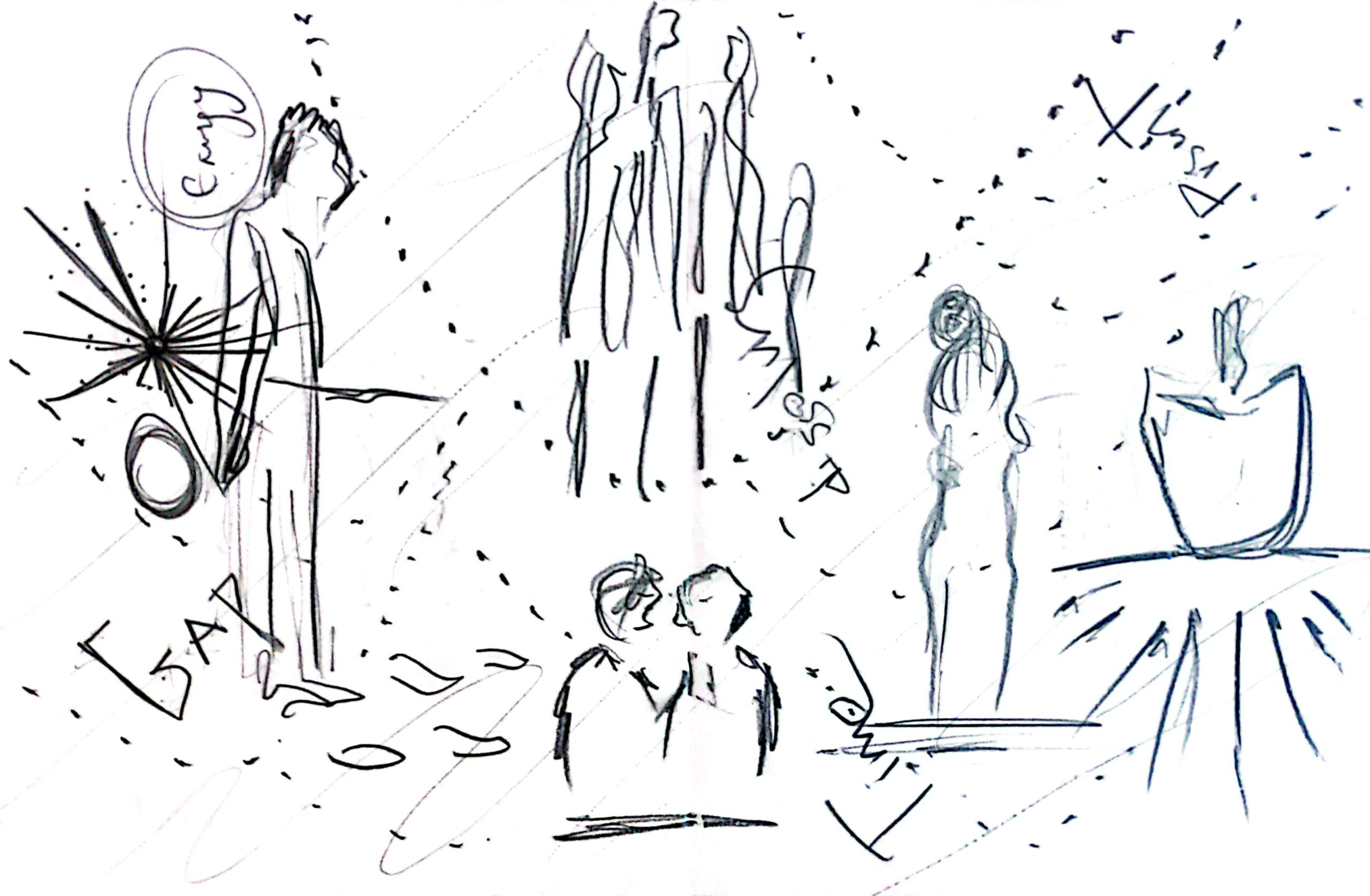
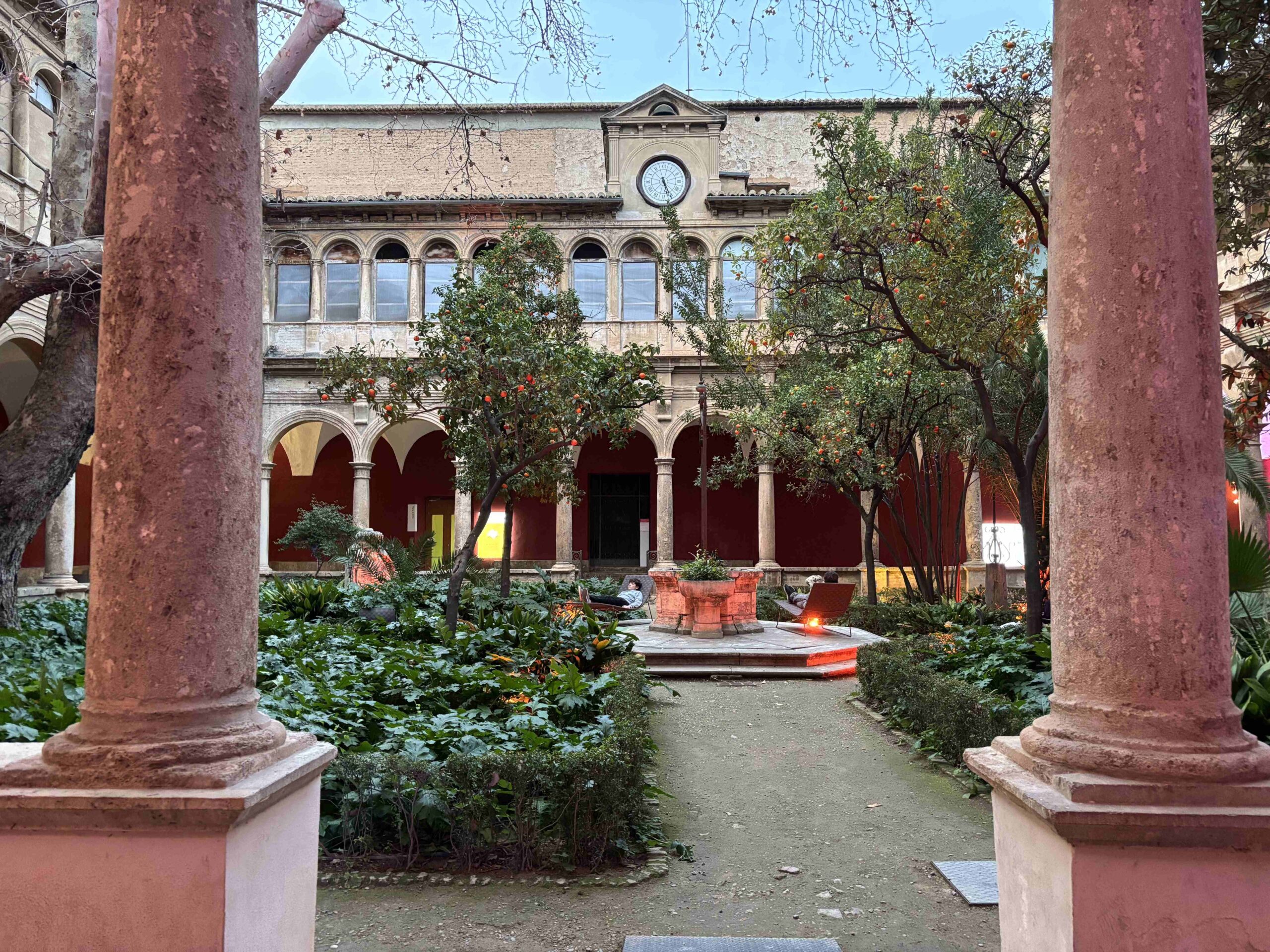
Tiempo Compartido - residency at Centre de Carme Cultura Contemporanea, Valencia - During the two weeks at CCCC I will meet professionals in Cultural Mediation, meet students at Master Permea for Experimental Mediation and Education through Arts and I will facilitate sessions open to the public. The invitations are inspired by the RSVP Cycles (1969) designed by Anna and Lawrence Halprin, choreographer and landscape architect respectively. The system, designed for the communication of common actions, offers tools to articulate the collective creative process. Step by step, impressions are translated and communicated through symbols, either verbal or graphic. In this way, we become synthesizers of an expanded perception, generating interventions and thus transforming both the space and our way of inhabiting it. The mechanism for amplifying contemplative pleasure are the “scores”: open-ended prompts that create constructive constrictions, encourage divergent thinking, and invite us to play with conventions and train the muscle of choice. It is a game, and the scores are the rules to which we commit ourselves with self-discipline to perform it alone and in complicity with others; it has a distinctly exploratory quality to form new knowledge about self, others, space, our relationships, and the subject at hand. February-March 2025 https://www.consorcimuseus.gva.es/cultura_resident/temps-compartit/?lang=es
How do you know when you know? tools for spectatorship and  reflection // graduation project
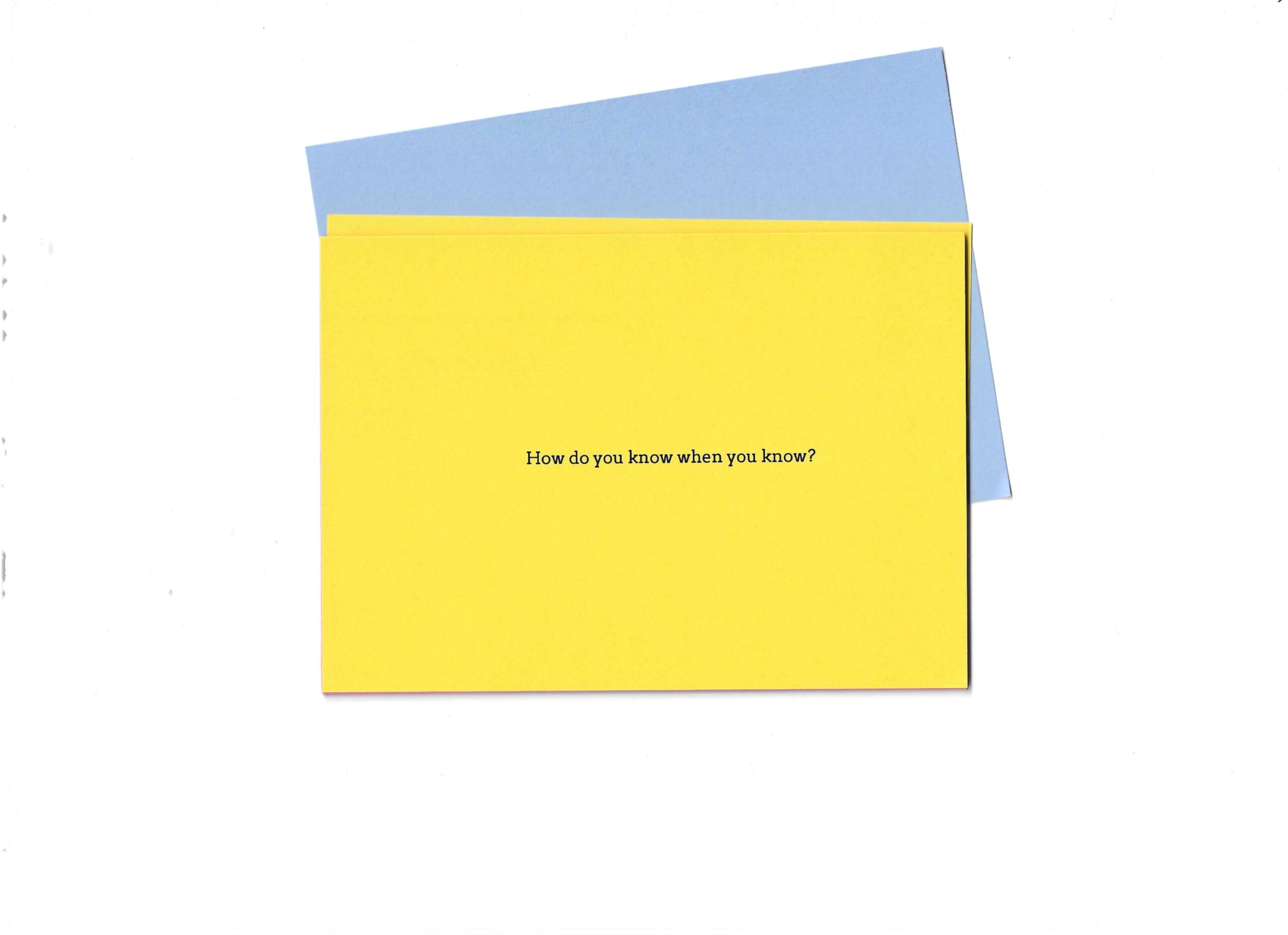
How do you know when you know? tools for spectatorship and reflection // graduation project - My graduation project titled, “How do you know when you know? tools for spectatorship and reflection”, questions how an ignorant host's pedagogy can facilitate an emancipated visitor in the context of museums and dance performances. Inspired by movement improvisation principles and Jacques Rancière work, my research aims to push the boundaries of traditional art encounters. I act as an independent host in both contexts guiding participants toward self-reflective inquiry and encouraging them to suspend judgment. The goal is to create a space for collective learning through three part workshops that include attuning the senses; the art experience itself; and finaly, a reflection session using art-based practices that explore what I call the poetic labor of translation. The universal teaching principle asks “What do you think?” By doing so, it heightens awareness of the norms, and expectations imposed by institutions and participants themselves, without attempting to dissolve or resolve the friction. Alternatively, the collective setting and methodologies, enable participants to hear diverse perspectives, share creative strategies, and embrace complexities. The project has been included in the Centre de documentation Contredanse platform, Brussels. You can find it online and physically on their shelfs.
Relational-embodied instances around art: Who is afraid of dance? + City Tours
Relational-embodied instances around art: Who is afraid of dance? + City Tours - Since my graduation, I have activated the tools and settings developed in the project through collaborations with artists, theaters, festivals, and scholars. One example is “Who is afraid of dance?” an intervention around dance performances where the introduction and reflection take place differently. Most often, these invitations are part of the contextual programmes. Instead of a Q&A or an explanation about the work, participants engage in a physical or mentally-physical session before watching the dance performance, creating a bonding container for encountering themselves as audience members and the artwork. Groups of participants are invited to use any space-place as a playground for attention and action, thereby igniting divergent thinking, prioritizing multiplicity, and allowing personal sensibilities, tendencies, and imagination to emerge. The project took place in collaboration with Korzo Theater in The Hague, Theater Bellevue in Amsterdam, The National Theater in The Hague, and Theater Rotterdam. Last summer, in collaboration with choreographer Shani Bar Dimri we joined forces to experiment with dance perception. As part of this iteration we performed and facilitated at the Touching Time: Duration, Bodies, Politics symposium organized by the British Society of Phenomenology, the Netherlands Institute of Cultural Analysis, and the University of Tilburg. Another iteration has been at MOMO festival in Rotterdam. For the last two consecutive years, I guided a city tour that related to the walker more than the environment, without any explanation about architecture, history, trends, or Rotterdammers but an invitation to cherish impulses and follow them experiencing the city from their senses. A city tour otherwise.

residency at Centre de Carme Cultura Contemporanea, Valencia

Datum:
Locatie: C/ Museu, nº 2. 46003
In samenwerking met: Centre de Carme Cultura Contemporanea

The residency's approach is based on the improvisation of movement as a state of mind: how to be in the body as a primary site of knowing, magnifying the poetic potential within us. The mechanism for expanding contemplative pleasure is the "scores": open-ended prompts that invite us to play with conventions. In this practice, we become synthesizers of an expanded perception, generating interventions and thus transforming both the space and our way of inhabiting it.

https://www.consorcimuseus.gva.es/cultura_resident/temps-compartit/?lang=es
Deze kunstenaar heeft nog geen toekenningen.