
From the inception of commercial internet, information and communication networks are integrating ever deeper into our lives, embedding themselves in all social domains. From the way we are in touch with family and friends, how we are educated, the way we work and to the way we are being governed. Our devices and digital counterparts are playing such key roles that distinguishing between human and machine gets ever more difficult. A circuit is formed between user and tool, expanding our cognitive capabilities while navigating our everyday lives. Our devices should rightfully be understood as true extensions of ourselves, as agents that are actively shaping us and the way we act in the world.
Although our devices assist us in various levels of complexity they remain accessible primarily as consumer goods. This one sided relationship is lacking in participation and requires a healthy dose of alertness. For what gets lost in the translation between physical and digital worlds? How do our devices influence us, rewiring our understanding of our bodies, minds and environments?
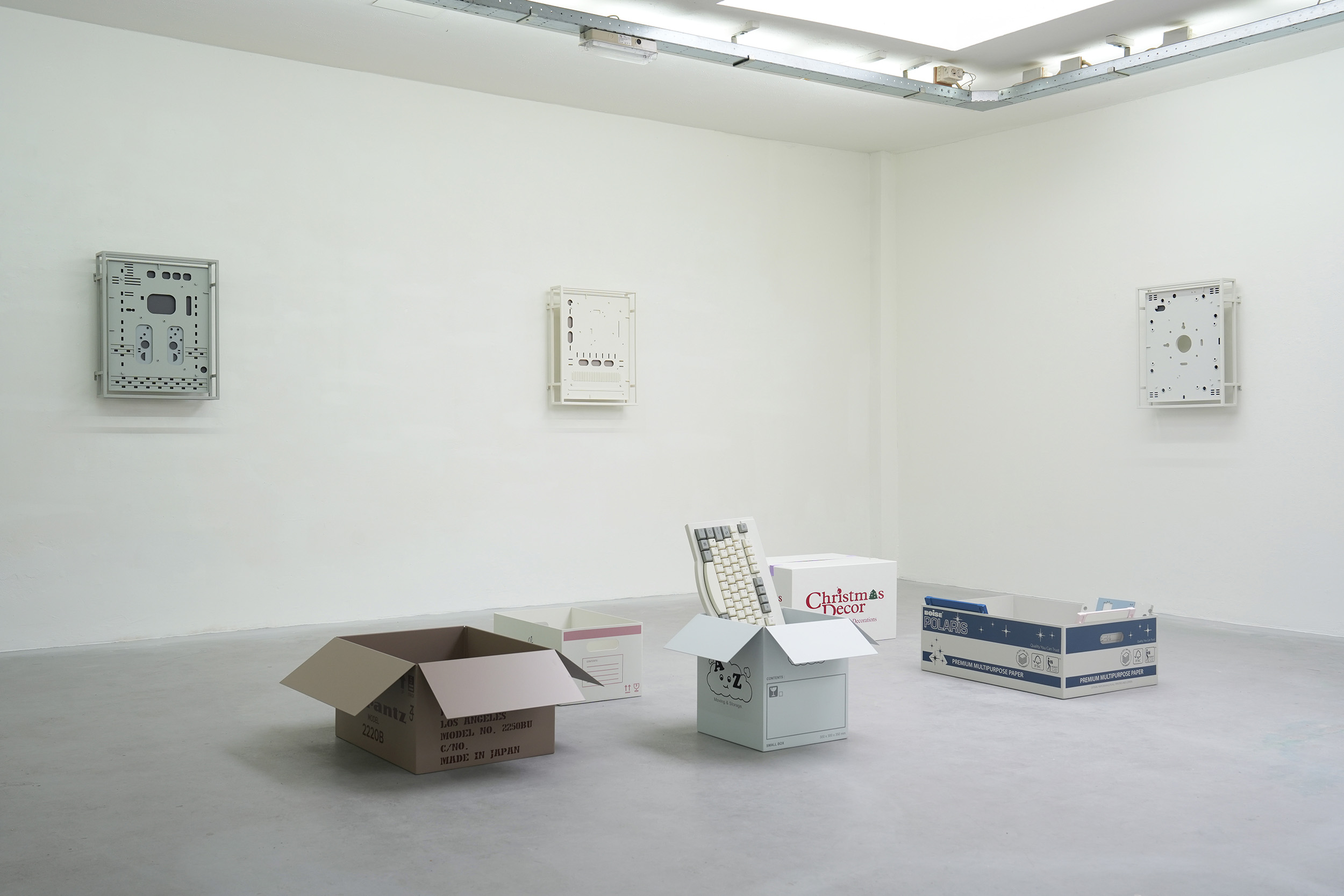
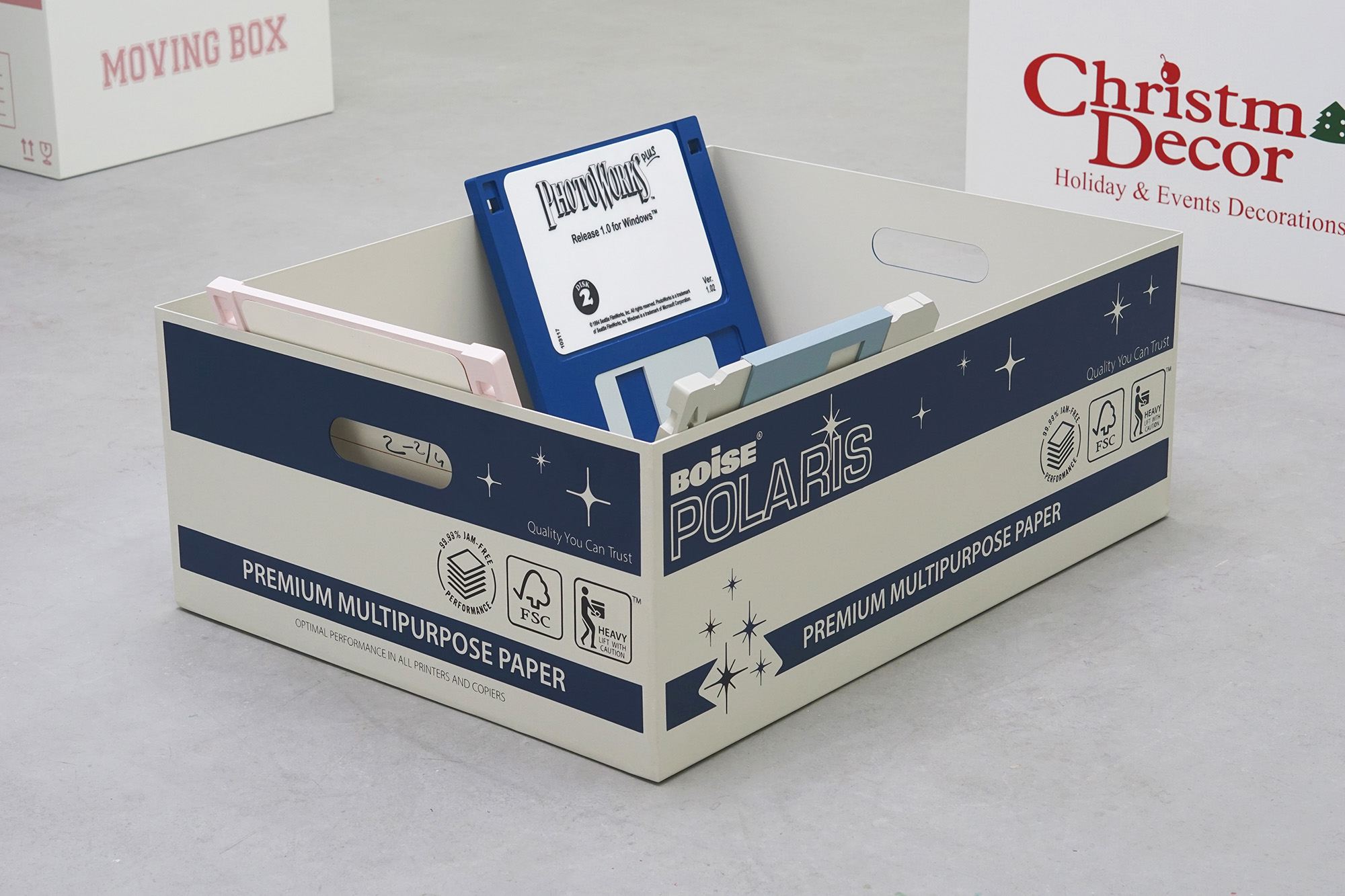
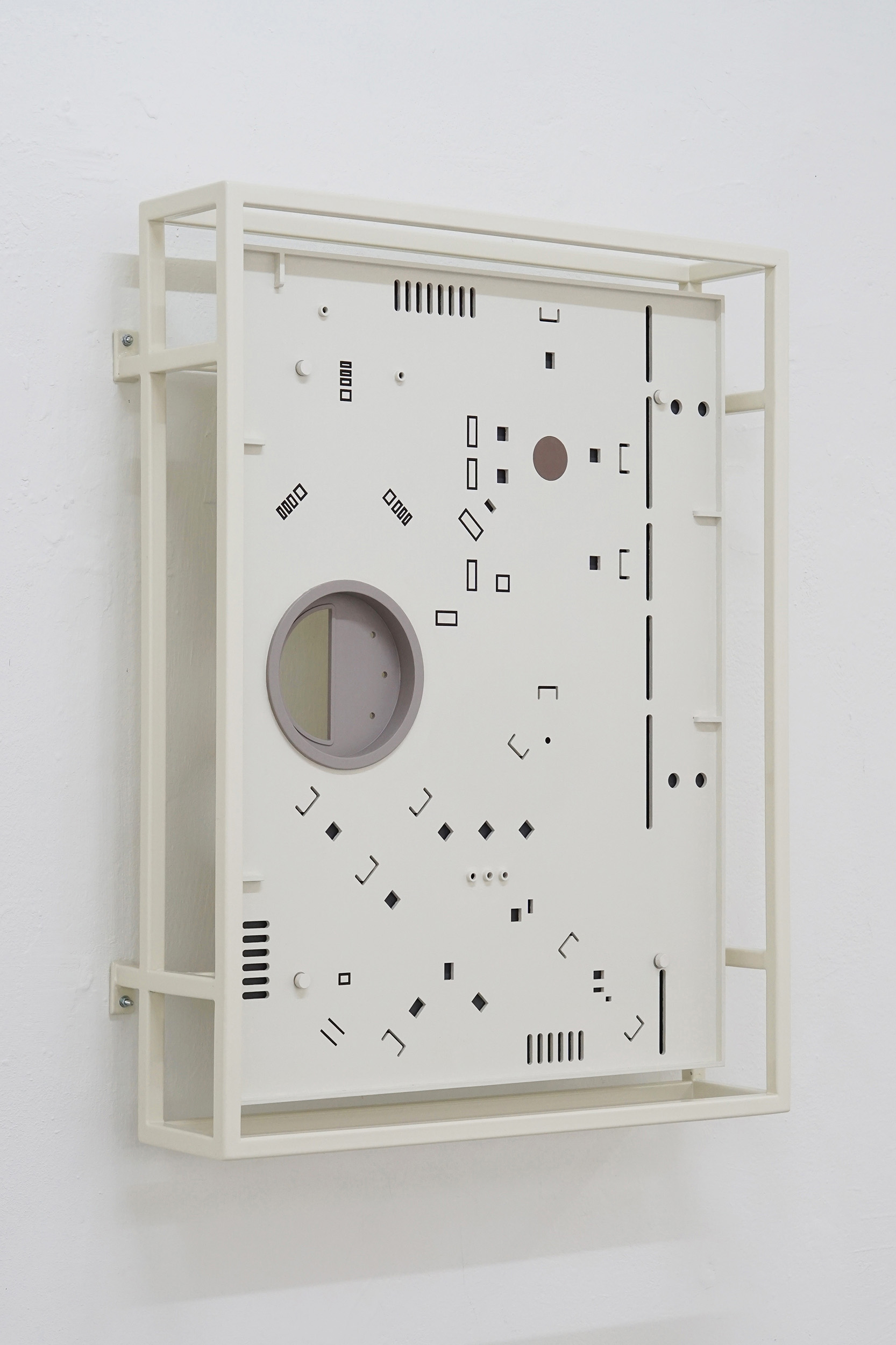
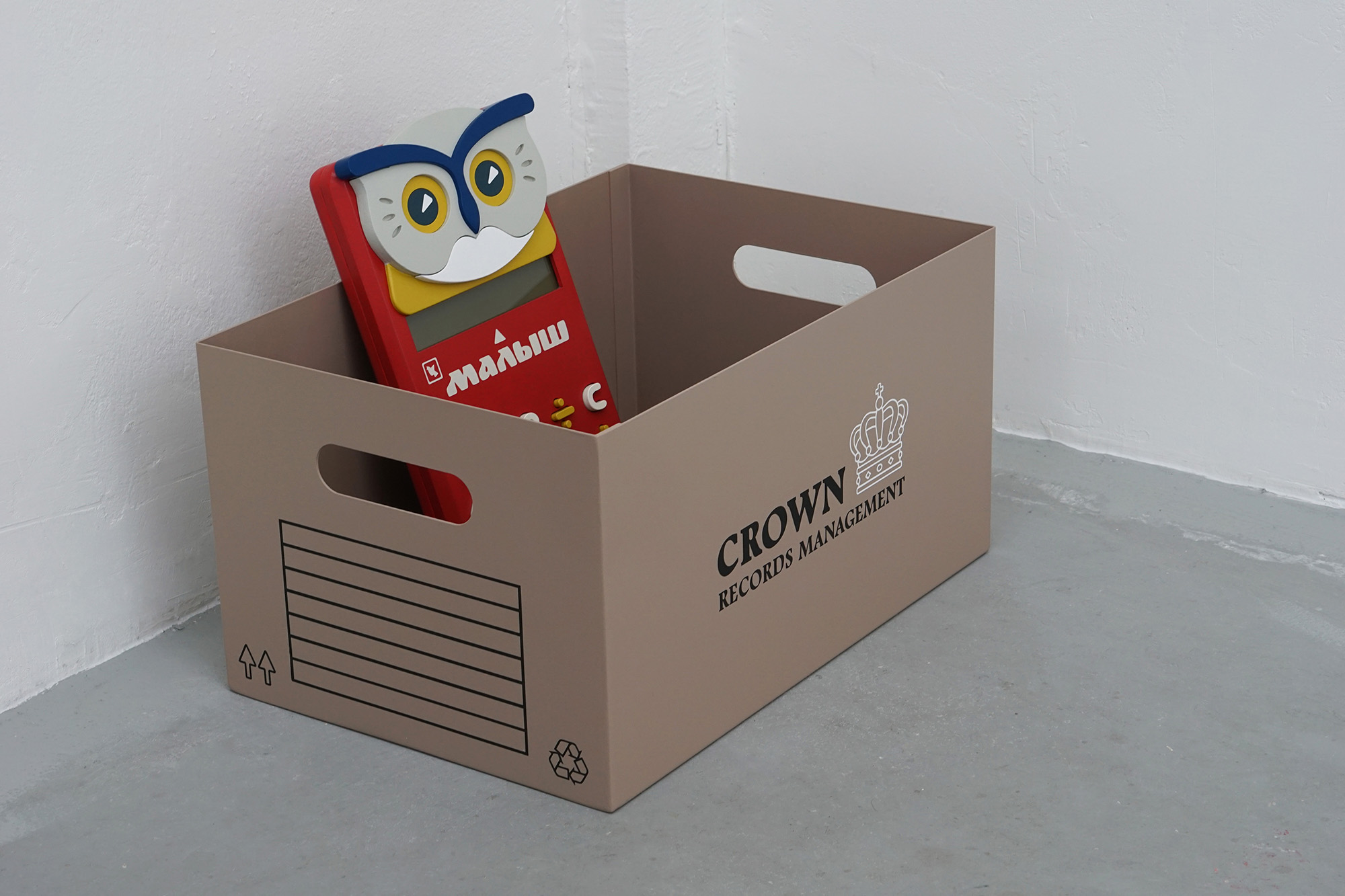
My work aims at questioning the interplay between life and artificial structures. I am focusing on the way we get conditioned in the ongoing experiment of technologies in transformation. By contrasting intuitive gestures with various technological languages a playing field between function and uselessness is created in an effort not to forget humane qualities in an ever more artificial, calculated, revenue-minded and data driven world.
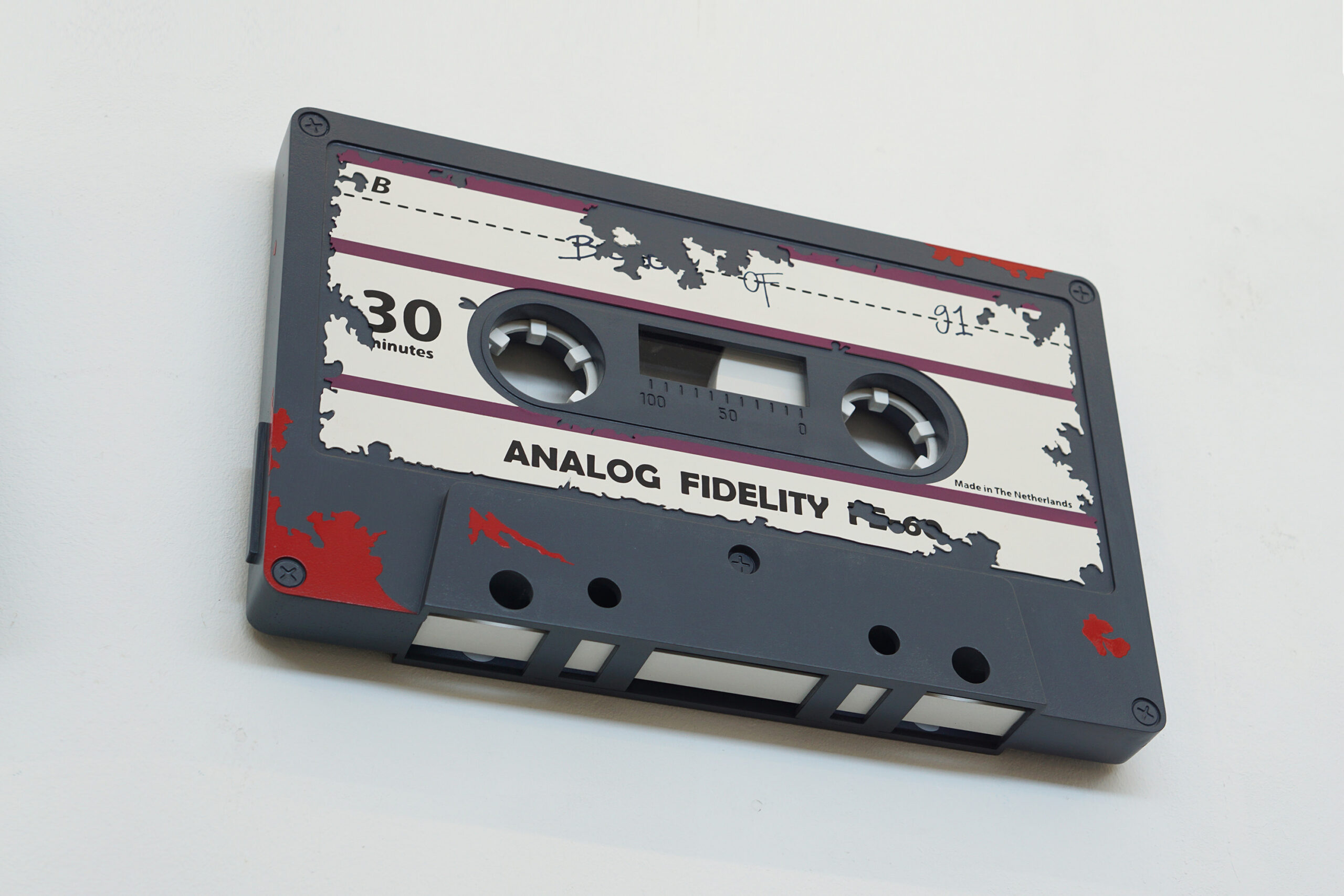
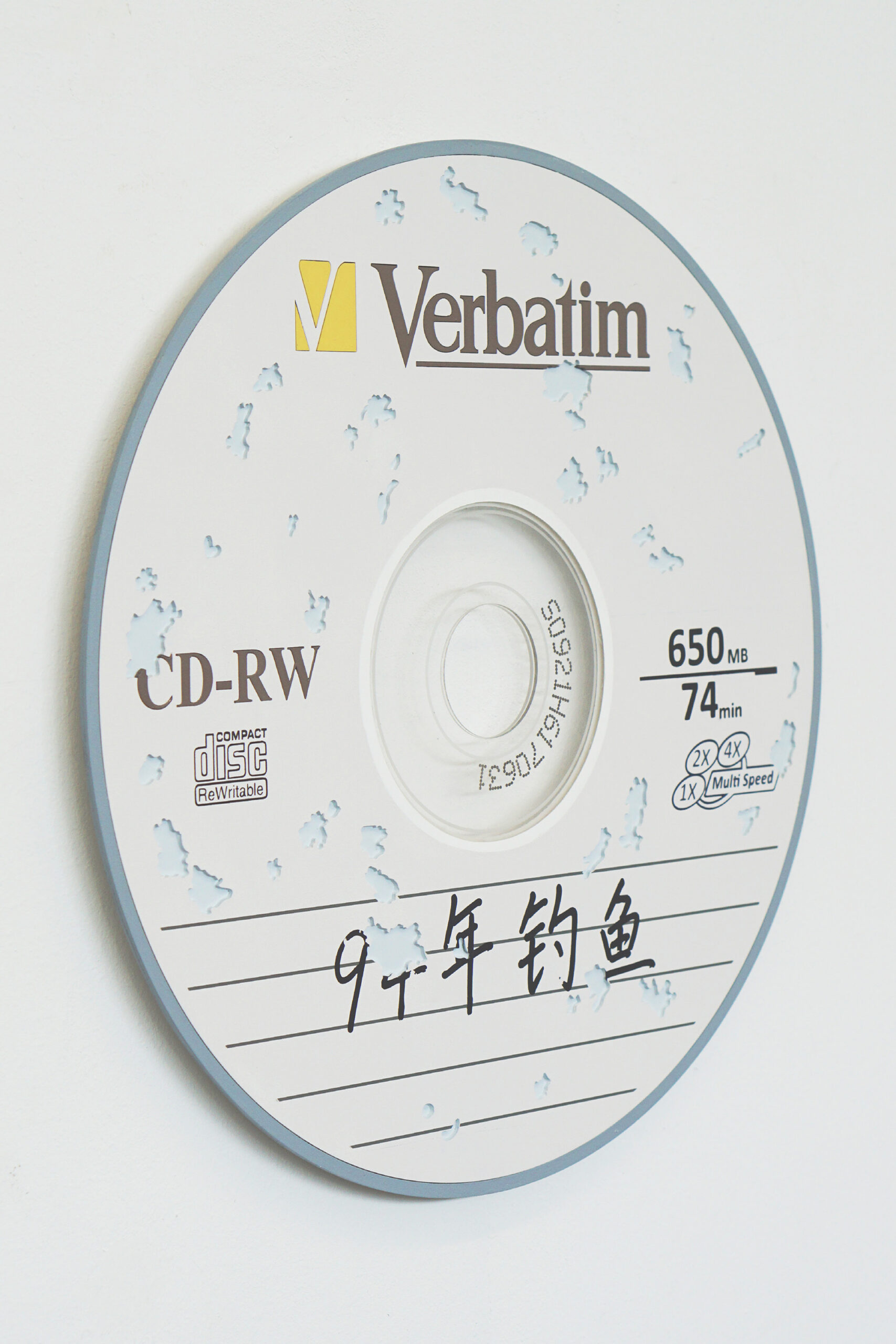
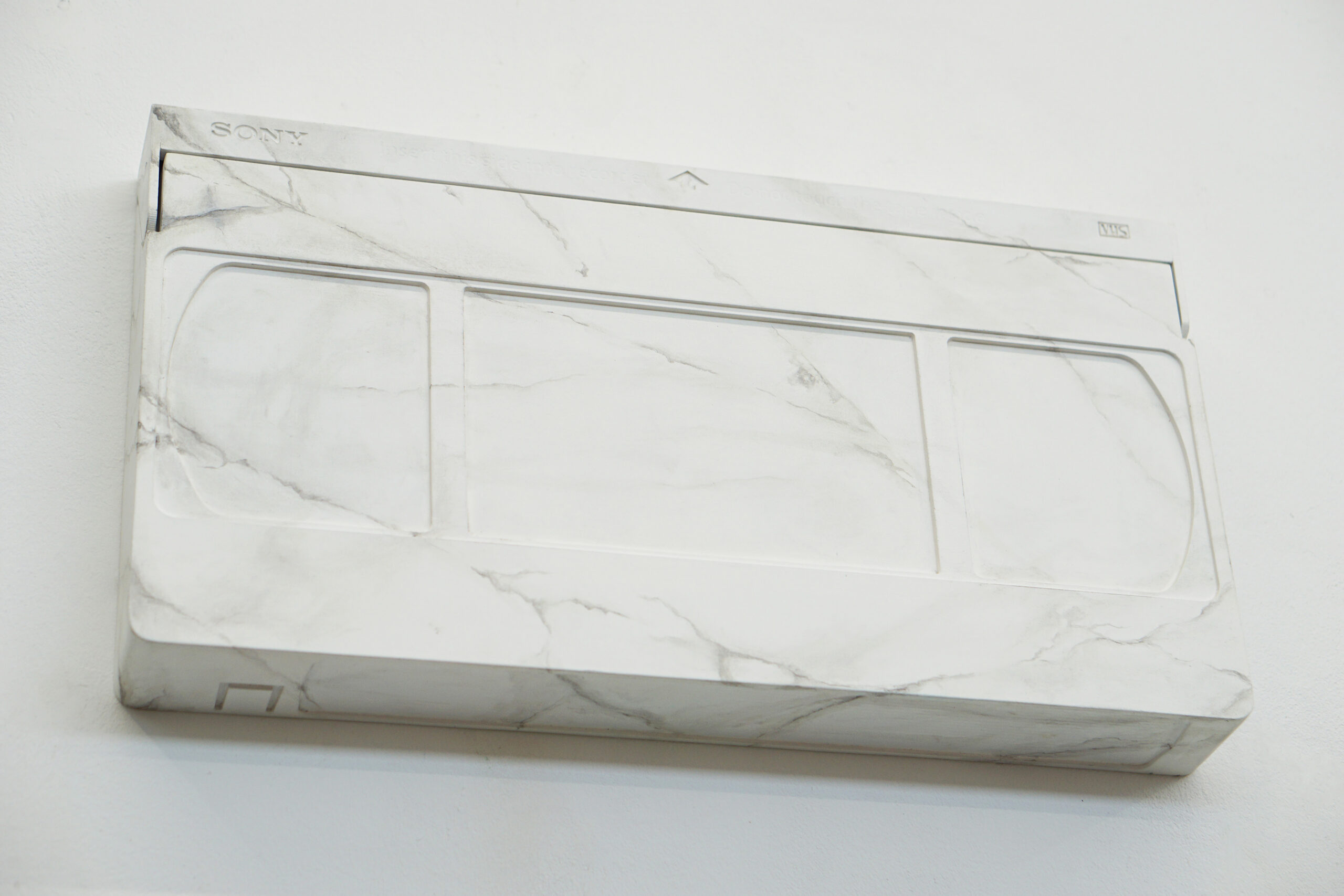
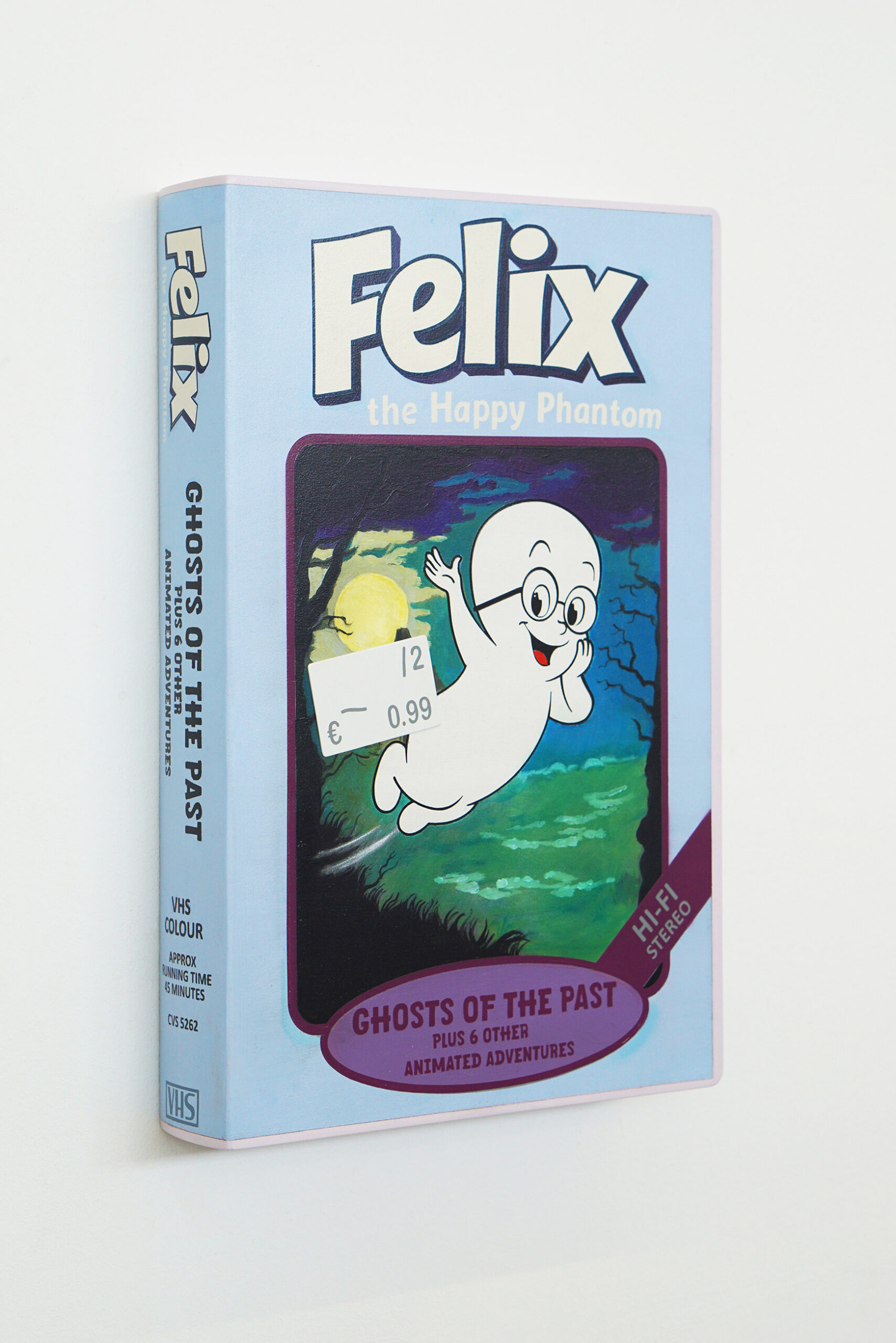
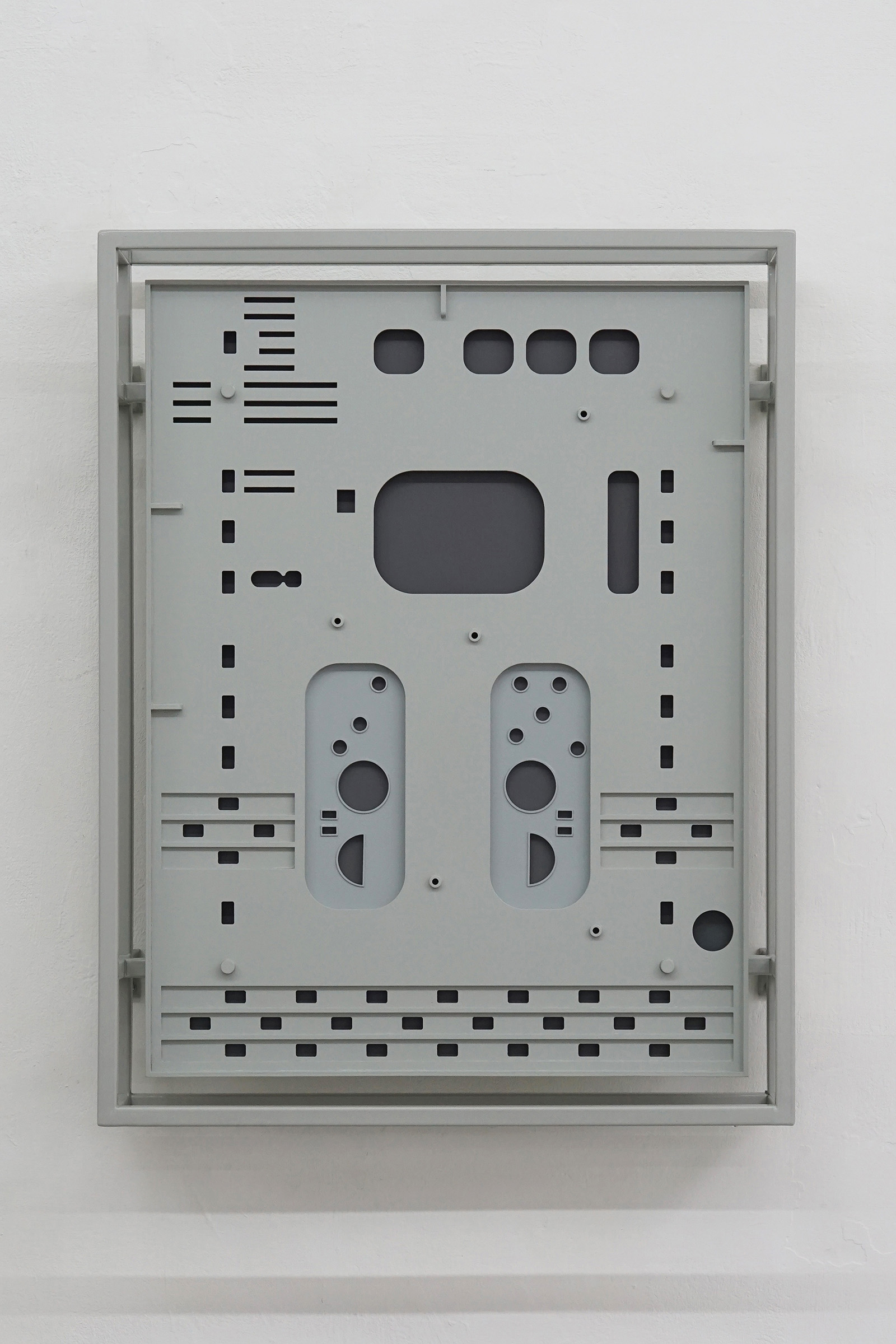
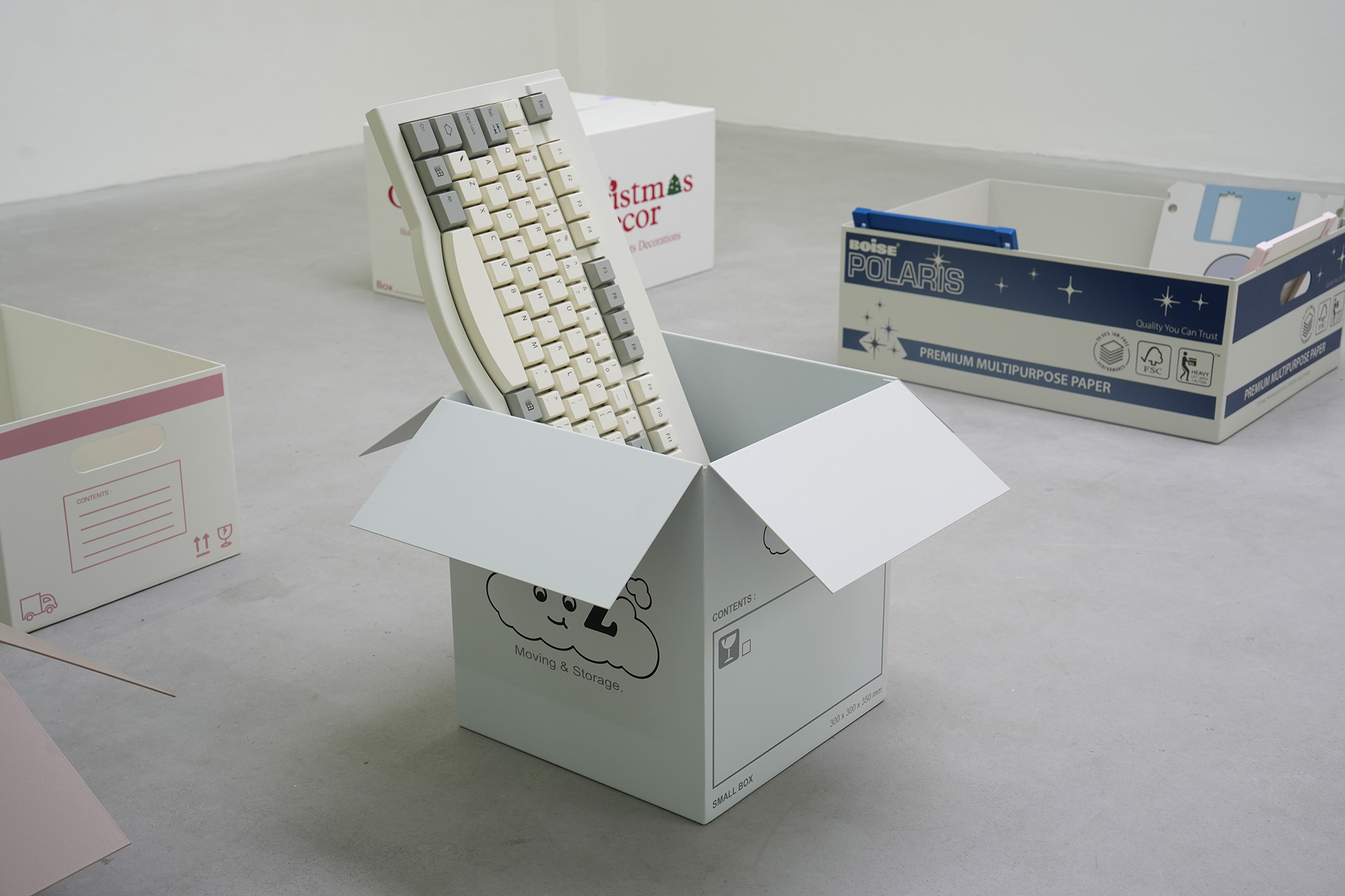
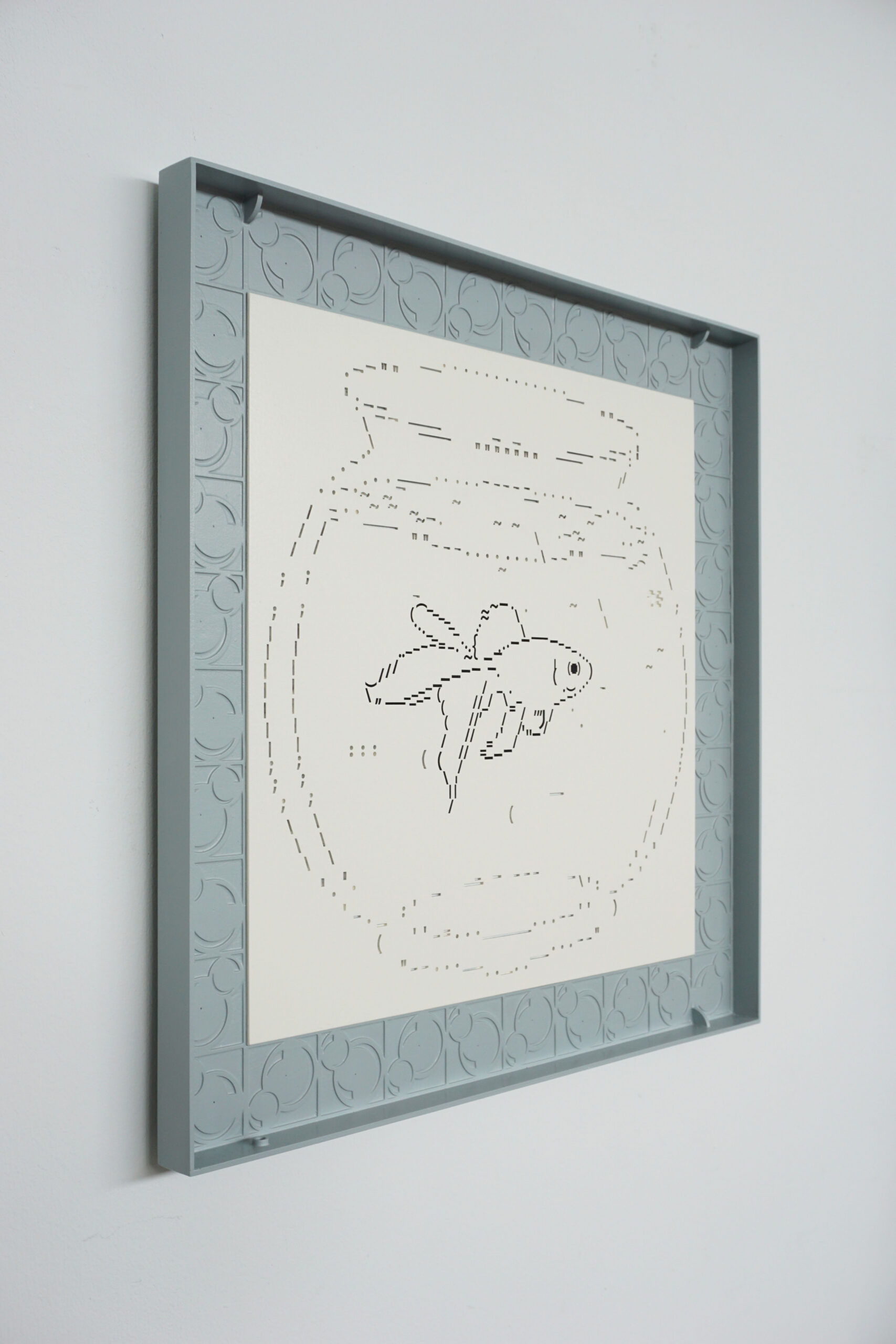
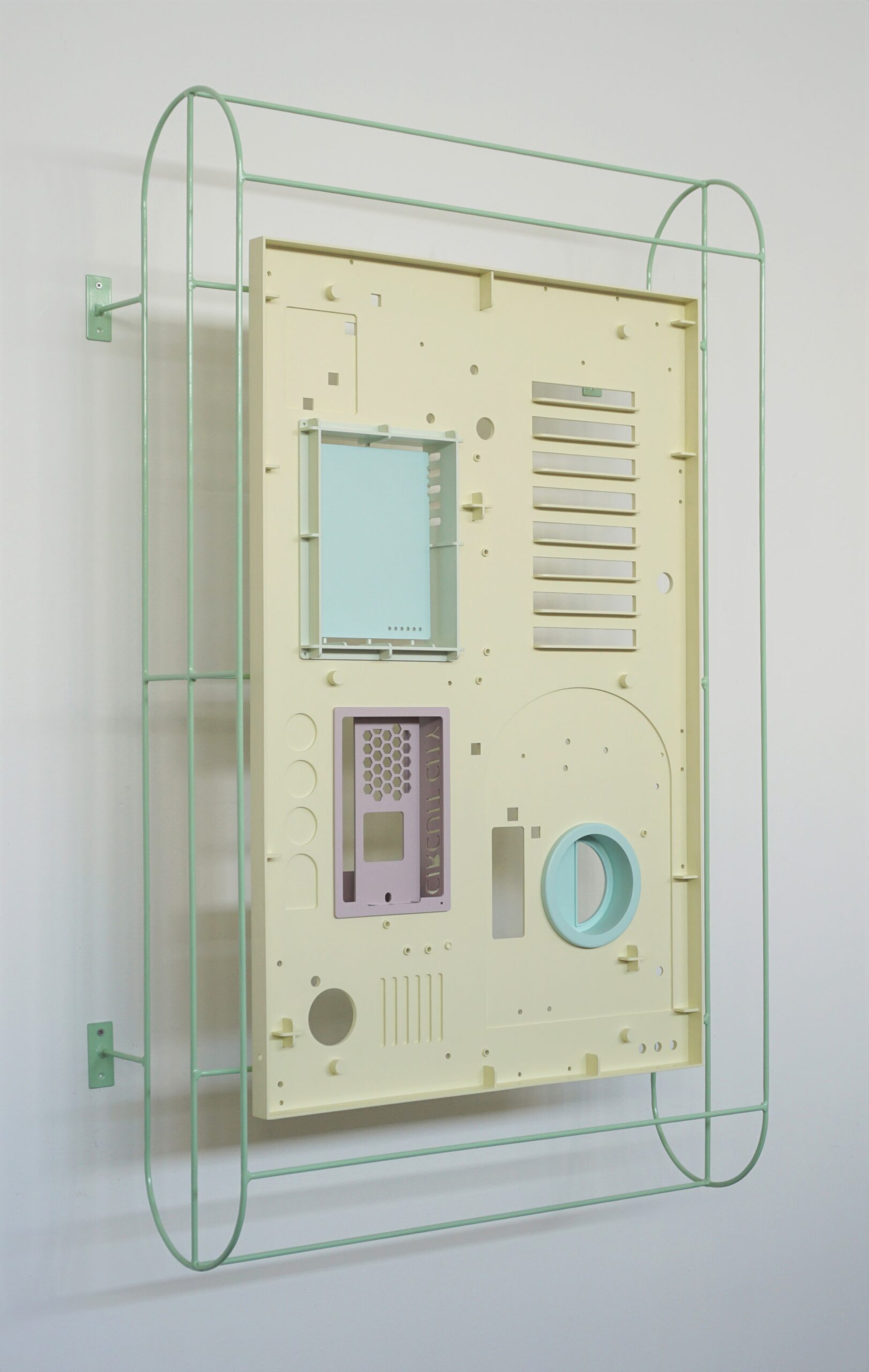
Artist in residence Institut for Psychology, Wurzburg
In het laberatorium van het Institut für Psychologie, (universiteit Würzburg) wordt onderzoek gedaan naar BCI applicaties. BCI (Brain Computer Interfaces) is technologie die middels het registreren van hersensingnalen (via EEG) mogelijk maakt computers aan te sturen. In het lab in Würzburg is gewerkt aan een applicatie genaamd Brain Painting. Tijdens mijn verblijf heb ik mogelijkheden van Brain Painting onderozcht voor het ontwikkelen van nieuw werk.