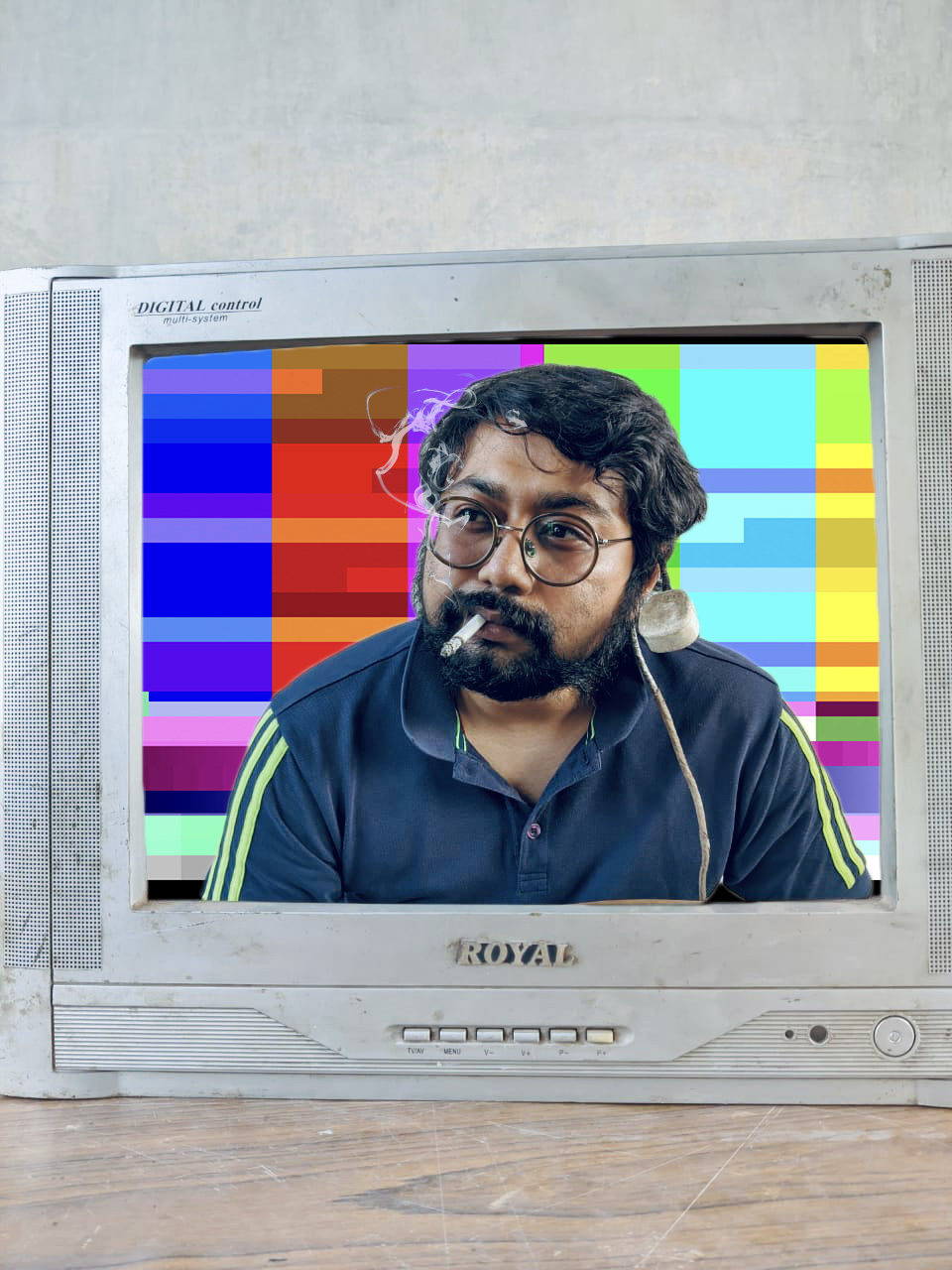
My practice is rooted in the dialectic interplay of identity, belonging, and the lived experiences of existing as a minority within shifting cultural landscapes. Operating at the intersection of image, sound, installation, and technology, with a strong focus on storytelling, bodily experience, and audience participation.
Driven by the deep curiosity in science and spirituality, I interrogate the metaphysical and speculative possibilities of art as a means of inquiry. I employ a multidisciplinary approach, blending emerging technologies with traditional mediums to create interactive, immersive experiences that engage viewers on multi-sensory and cognitive levels. Through this fusion, I explore the entangled relationships between human, machine and nature questioning how these intersections shape perception, memory and reality.
I began my artistic journey as a photographer and gradually expanded into immersive and speculative realms of art and design; investigating the tensions between technological advancement and natural ecosystems. Central to my work is the examination of coexistence, how digital and organic worlds collide, merge, and redefine one another. Found objects, thrift stores and waste materials embody narratives that become a part of my speculation. I wish to uncover how digital and analog apparatus negotiates our perception of time, creating distinct temporal textures, engaging in practices of reuse to reorient materials, objects, systems and computational processes beyond their original purposes.
I believe my art serves as a space for critical dialogue one that confronts the complexities of Anthropocene, cultural hybridity, and the ever-shifting boundaries between self and society. Through speculative storytelling and sensory engagement, I seek to unravel the unseen forces that shape our realities, prompting viewers to question their own lived experiences in an increasingly digitally mediated world.
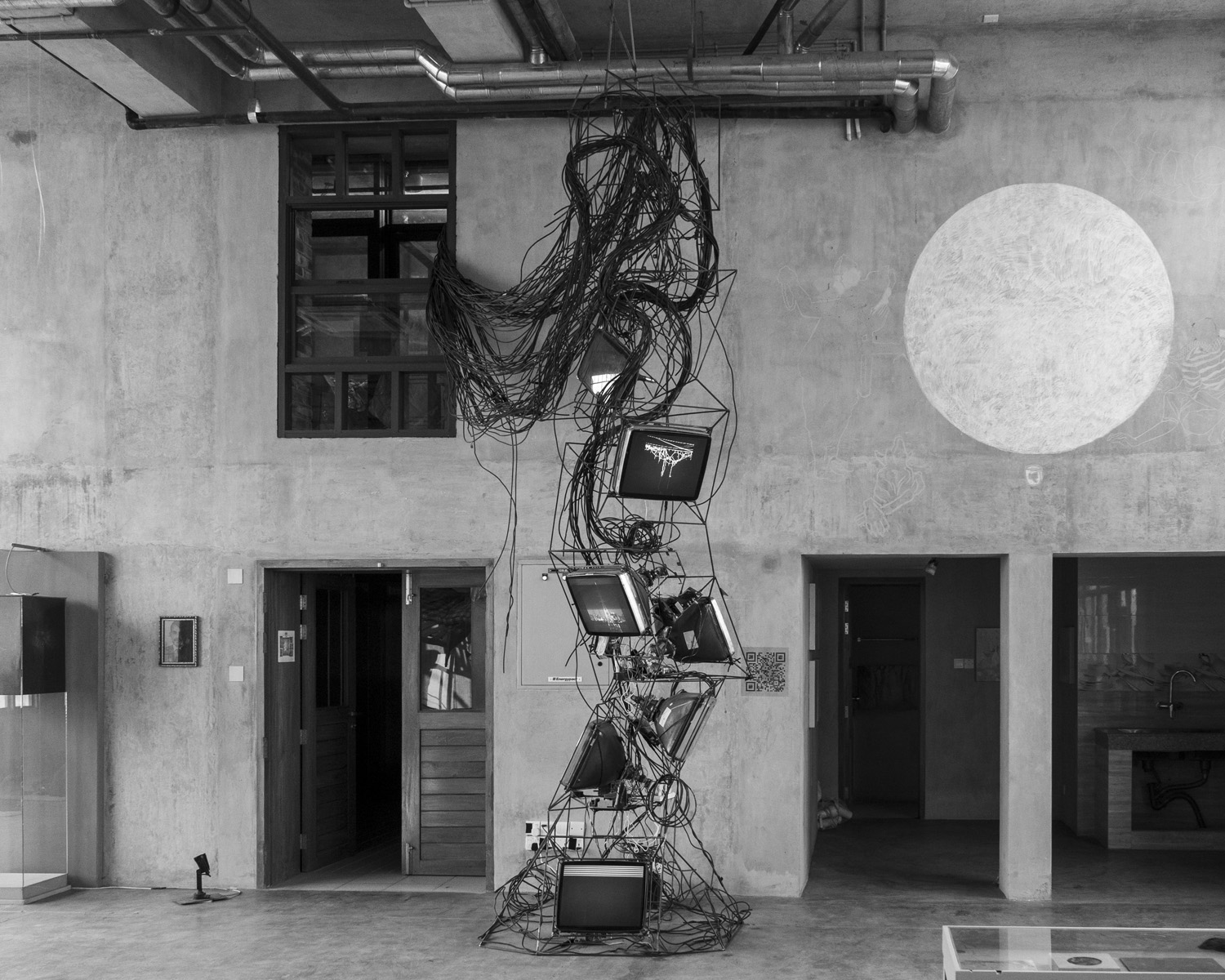
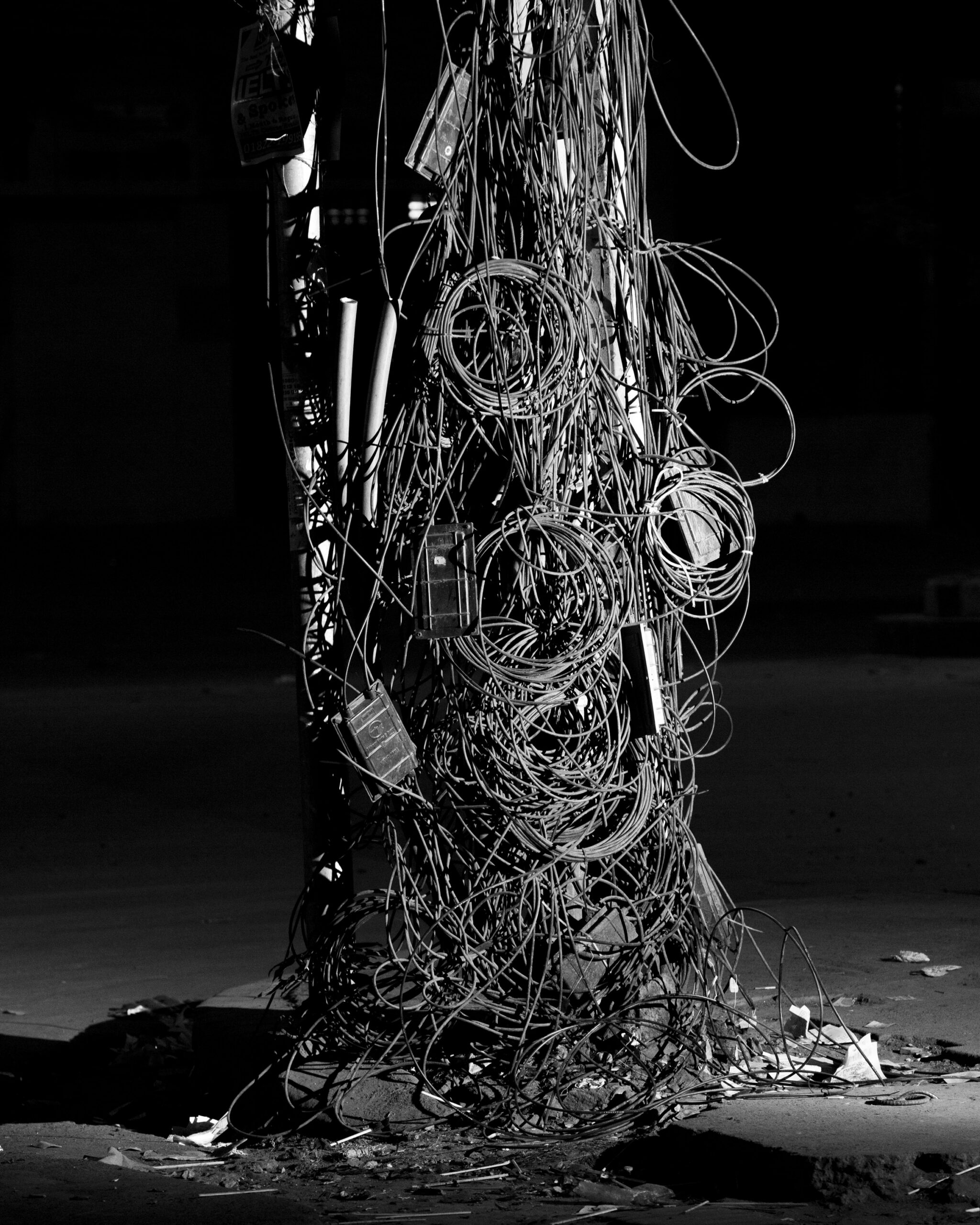
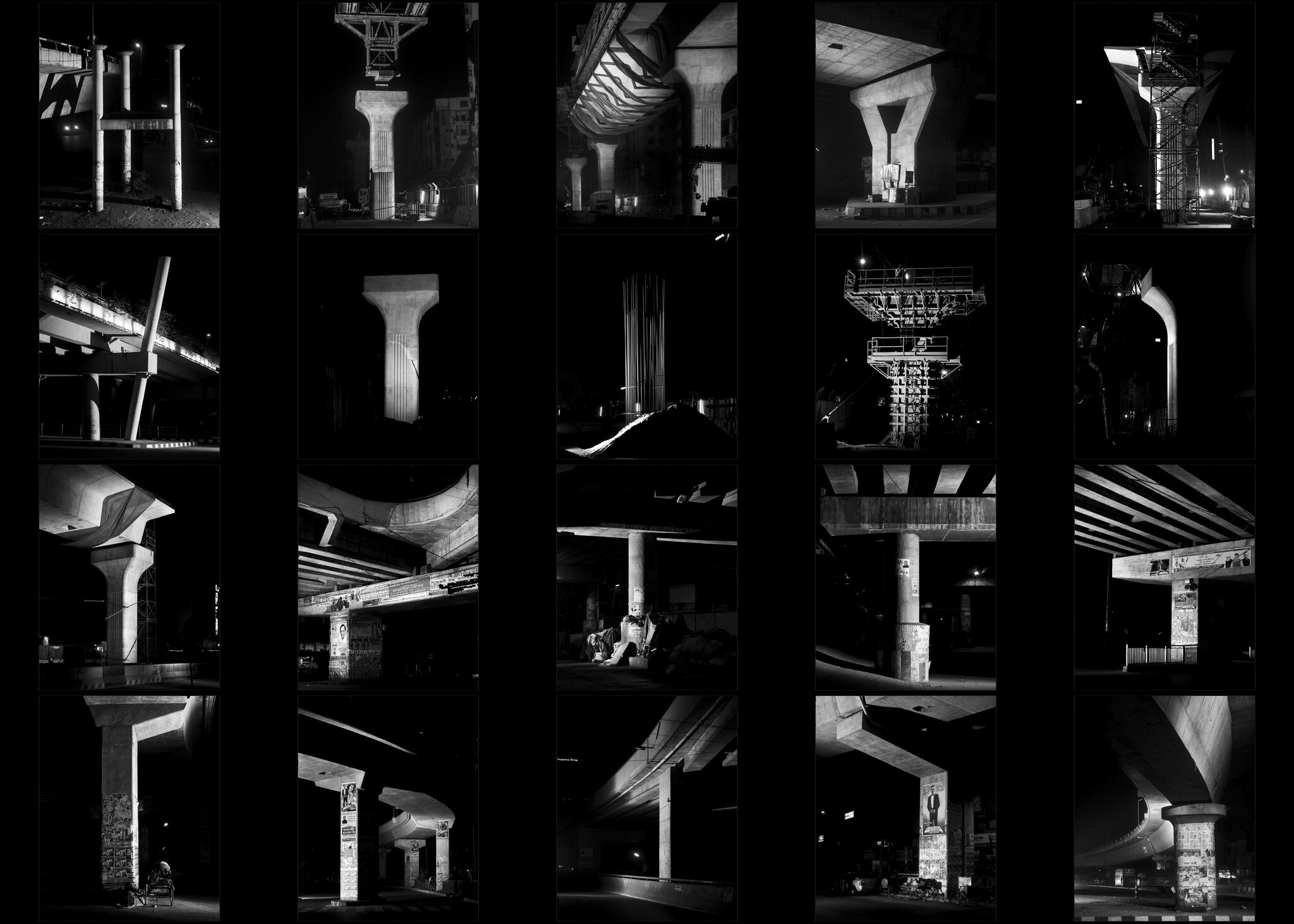
Practices of Alliance Residency
Summer Sessions
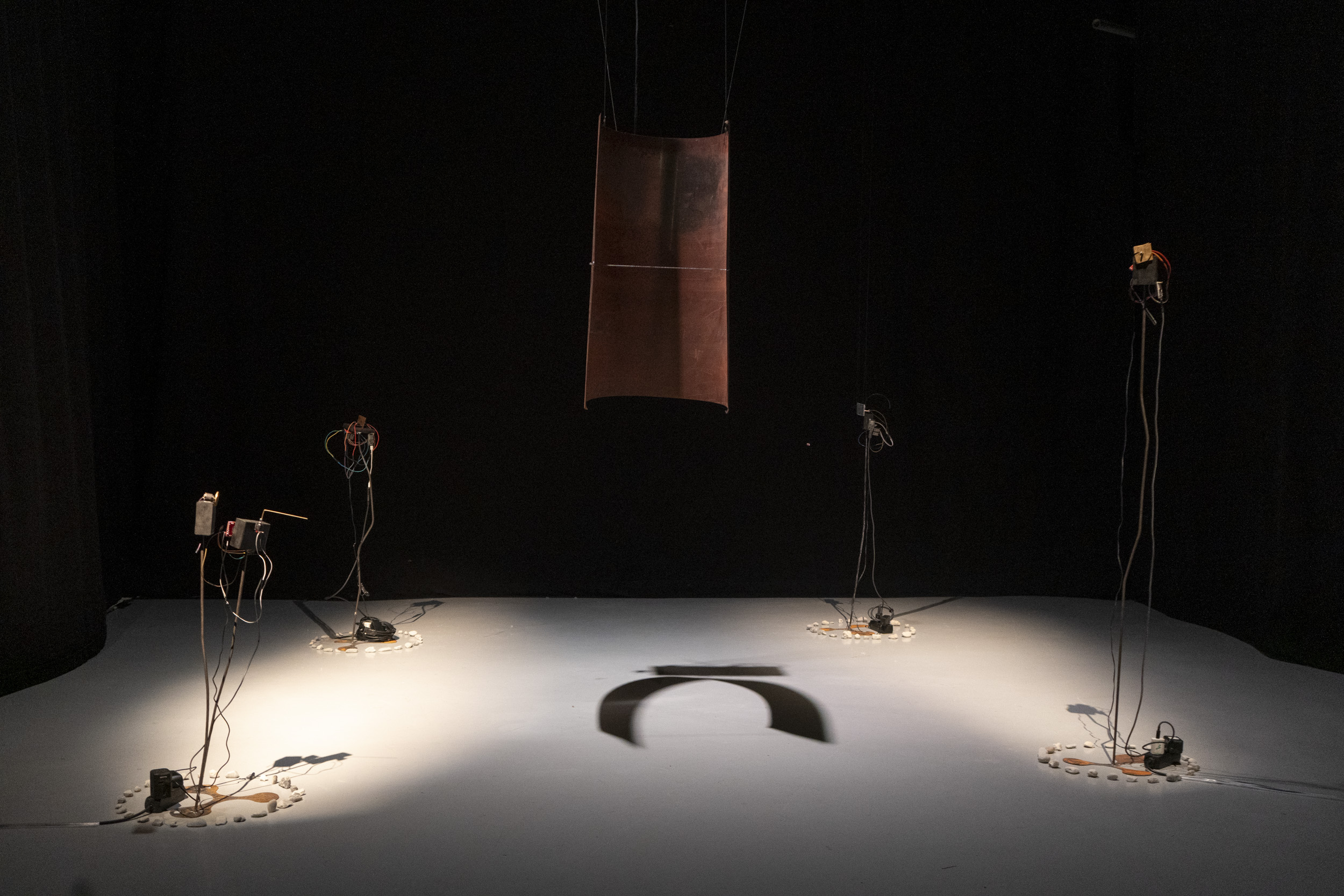
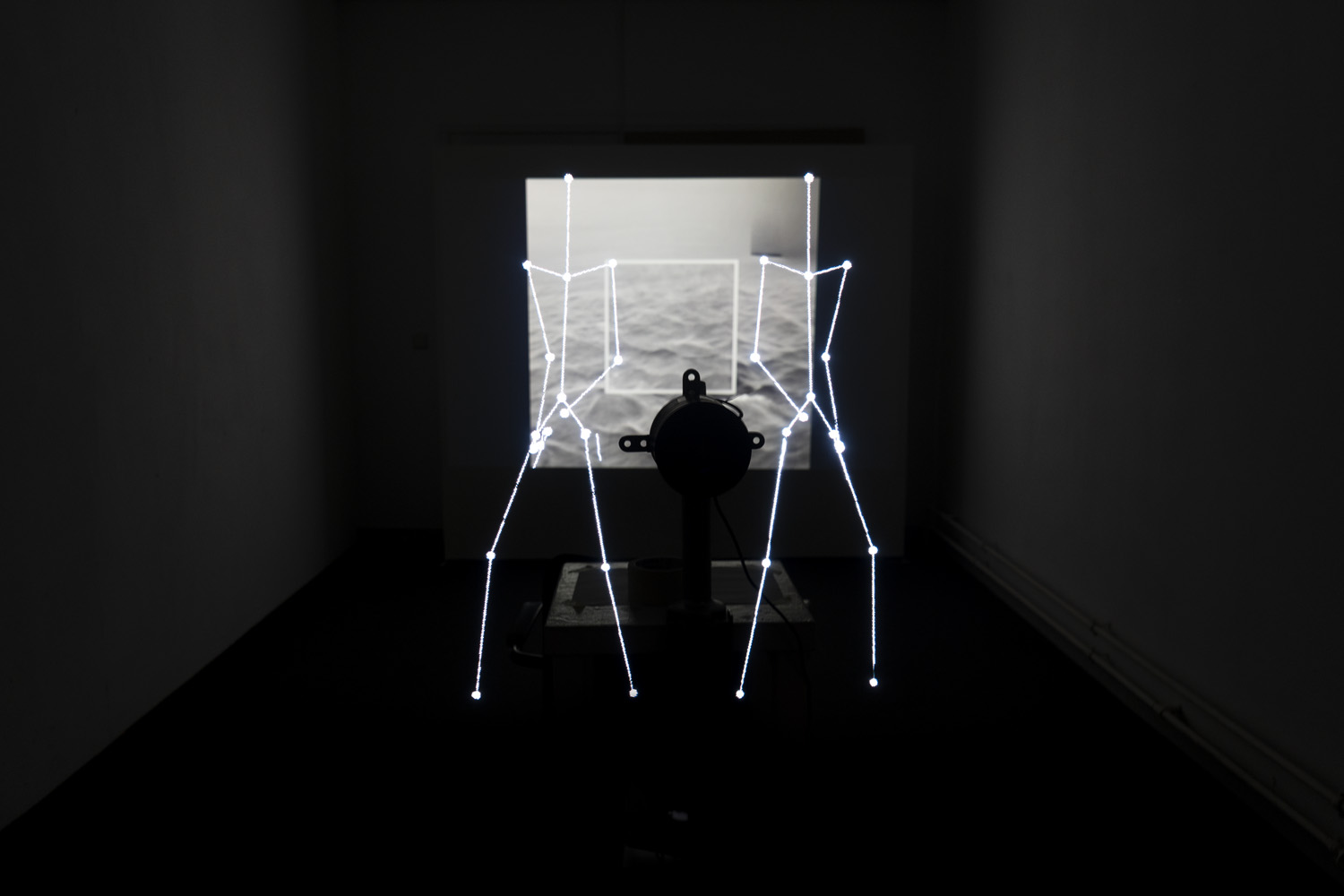
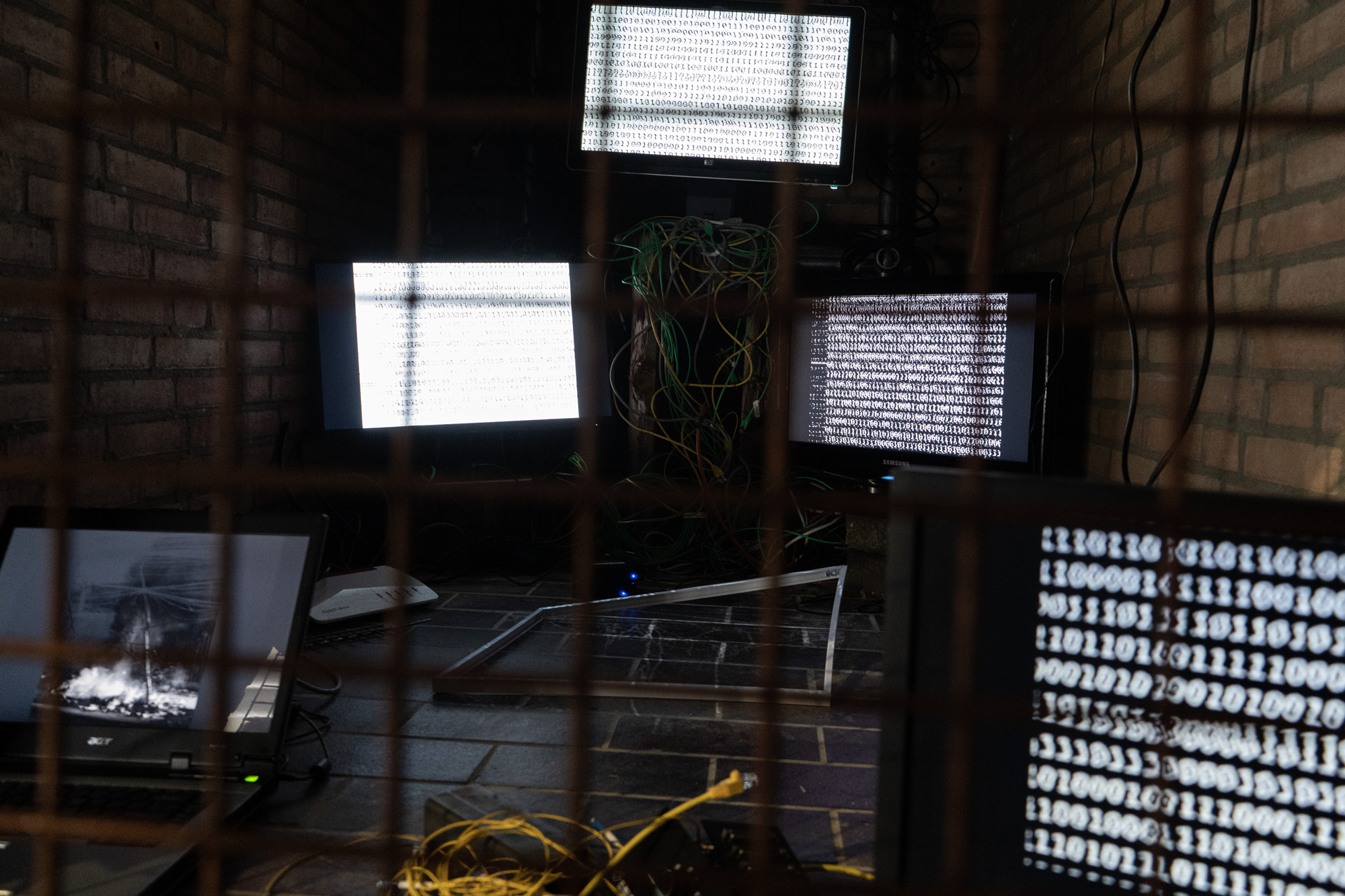
During the residency, SD explored the sacred in the mechanical, reimagining machine noise as a form of techno-spiritual ritual. Drawing from Eastern philosophies that view vibration as the foundation of existence, this sculptural sound installation transforms the hum of motors and metal into mechanical mantras—echoing the transcendental power of chanting and mantra.
Artist in Residency
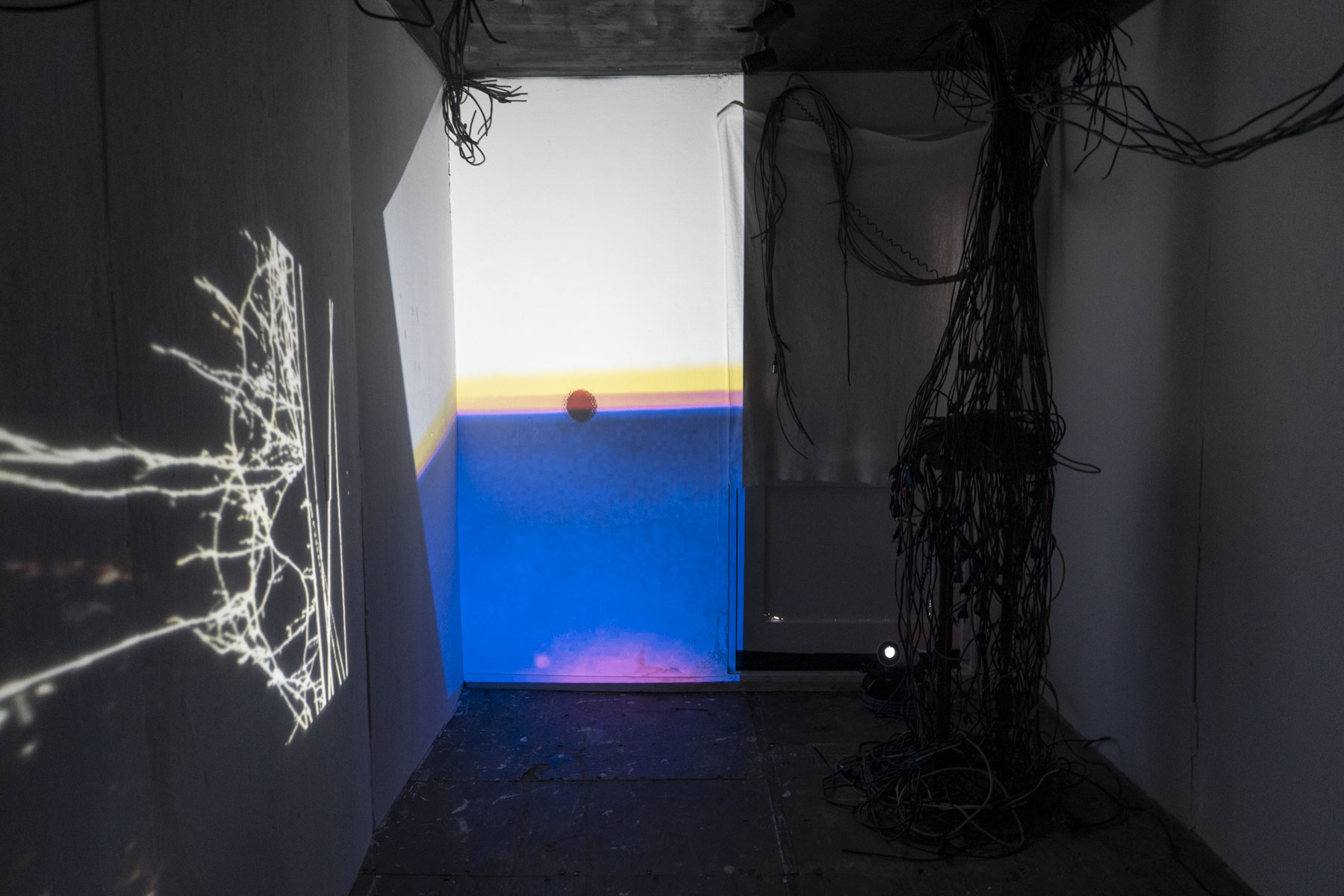
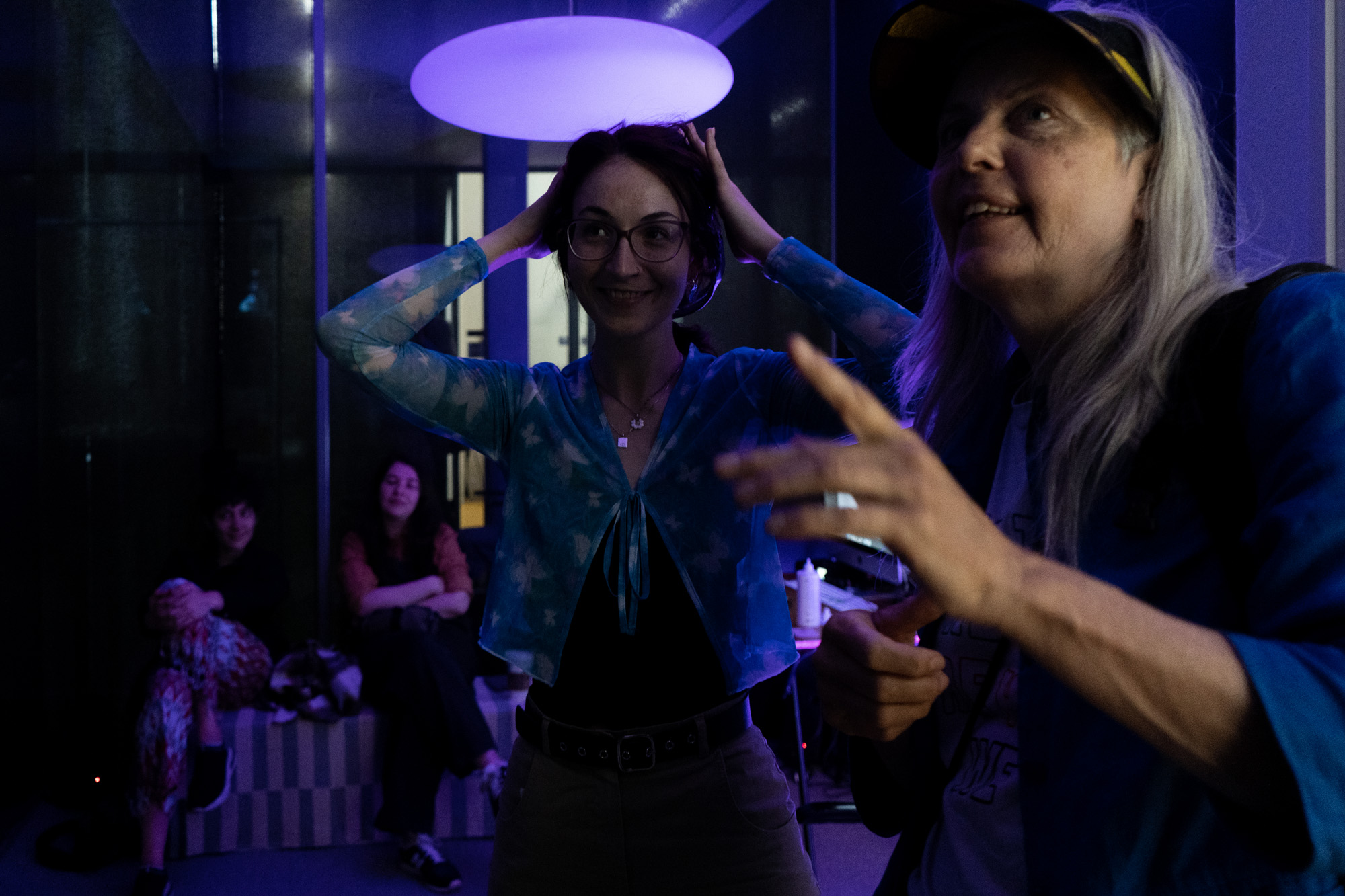
During the residency at Het Nest, multimedia artist Sounak Das has kick-started his project Static N Spirit (II), an interactive sound installation that centers on the human body. Using a homemade wearable sensor, heartbeat and breathing are converted into sound in real time, controlled by a mechanical instrument. Visitors were invited to participate and experience how their own body rhythms influence the installation.
Summer Sessions
During the residency, SD explored the sacred in the mechanical, reimagining machine noise as a form of techno-spiritual ritual. Drawing from Eastern philosophies that view vibration as the foundation of existence, this sculptural sound installation transforms the hum of motors and metal into mechanical mantras—echoing the transcendental power of chanting and mantra.
Horst Expo
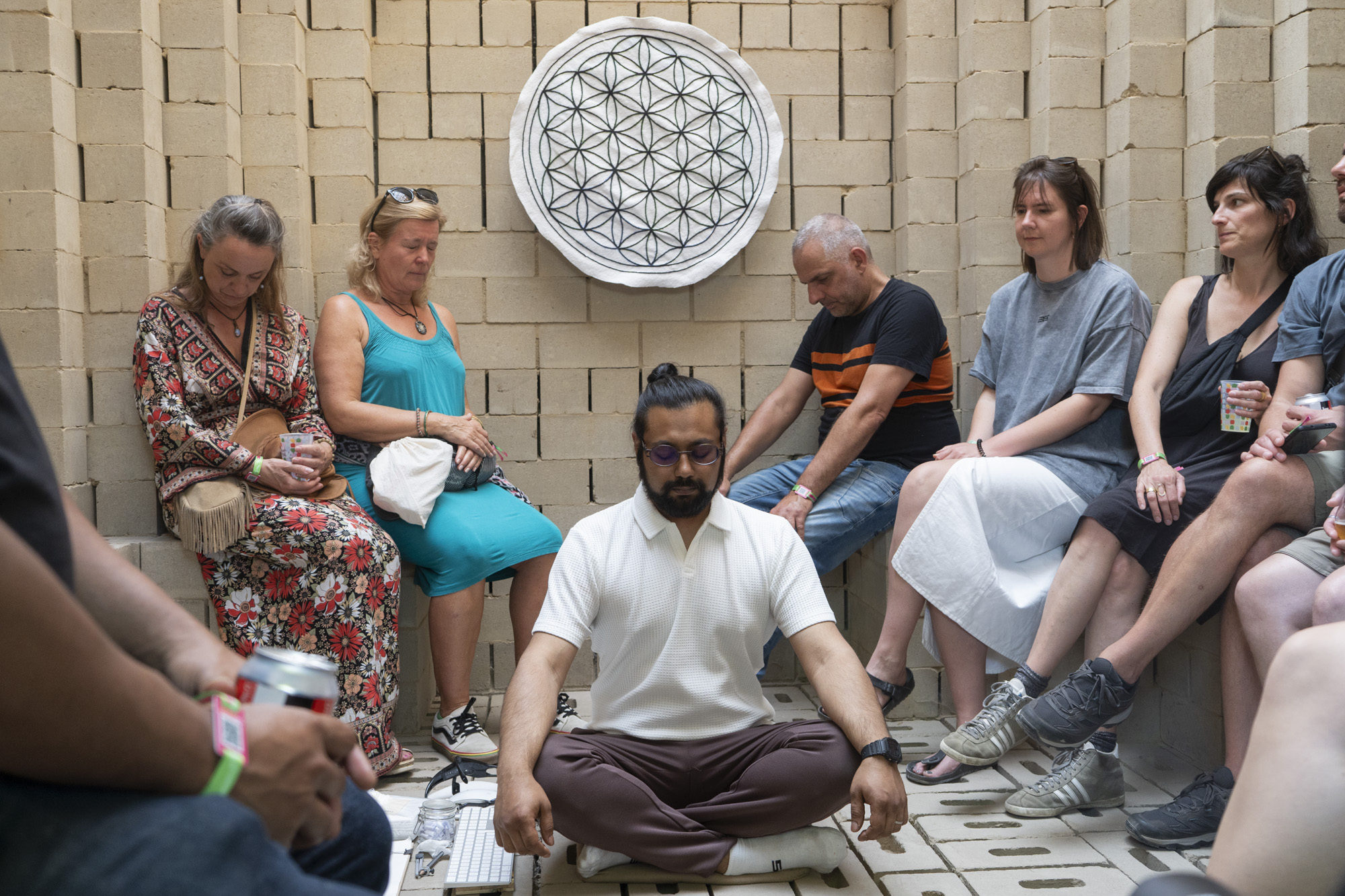
During Horst Arts and Music festival Sounak Das transformed the natural energy of Asiat Park into sound. He performed using sensors and an EEG headset, created a live audio experience from the vibrations of plants, rocks, soil and even brainwaves of festival-goers. The installation invites participants to slow down, breathe, and listen. Subtle rhythms of air, water, and insects are amplified into an evolving, meditative soundscape. Brainwave activity adds another layer, echoing ancient chanting
NeuroNarratives
NeuroNarratives was initiated to answer a profound question:
Can understanding the brain bring meaningful changes to society?
When it comes to mental health and psychiatric conditions, the answer is undoubtedly yes. But is that the whole story? Can knowledge of how our brains and minds work challenge our beliefs, confront our biases, and reshape how we think? Ultimately, could this knowledge enhance our individual and collective well-being?