Szu-Han Lin

performance , installatie , Conceptueel , Audiovisueel , Artistiek onderzoek , Abstract

Szu-Han Lin (1988) is an artist who divides her time between the Netherlands and Taiwan. She expresses her creative vision through a range of artistic mediums, including installations, drawings, films, and institutional interventions. Szu-Han honed her artistic and experimental practice within the Applied Art Department at Fu Jen Catholic University in Taiwan, specializing in spatial narrative, and further developed her design methodology through the study of Social Design at Design Academy Eindhoven in the Netherlands. Her body of work delves into chronicles that blur the boundaries between fiction and reality, capturing the essence of imagination in our ever-evolving social landscape while also exploring the intricate tapestry of memory. Her visual language offers an alternative perspective, tackling themes such as the ebb and flow of existence, cultural heritage, emotional detachment, and feminist initiatives.
Not Leave but Remain
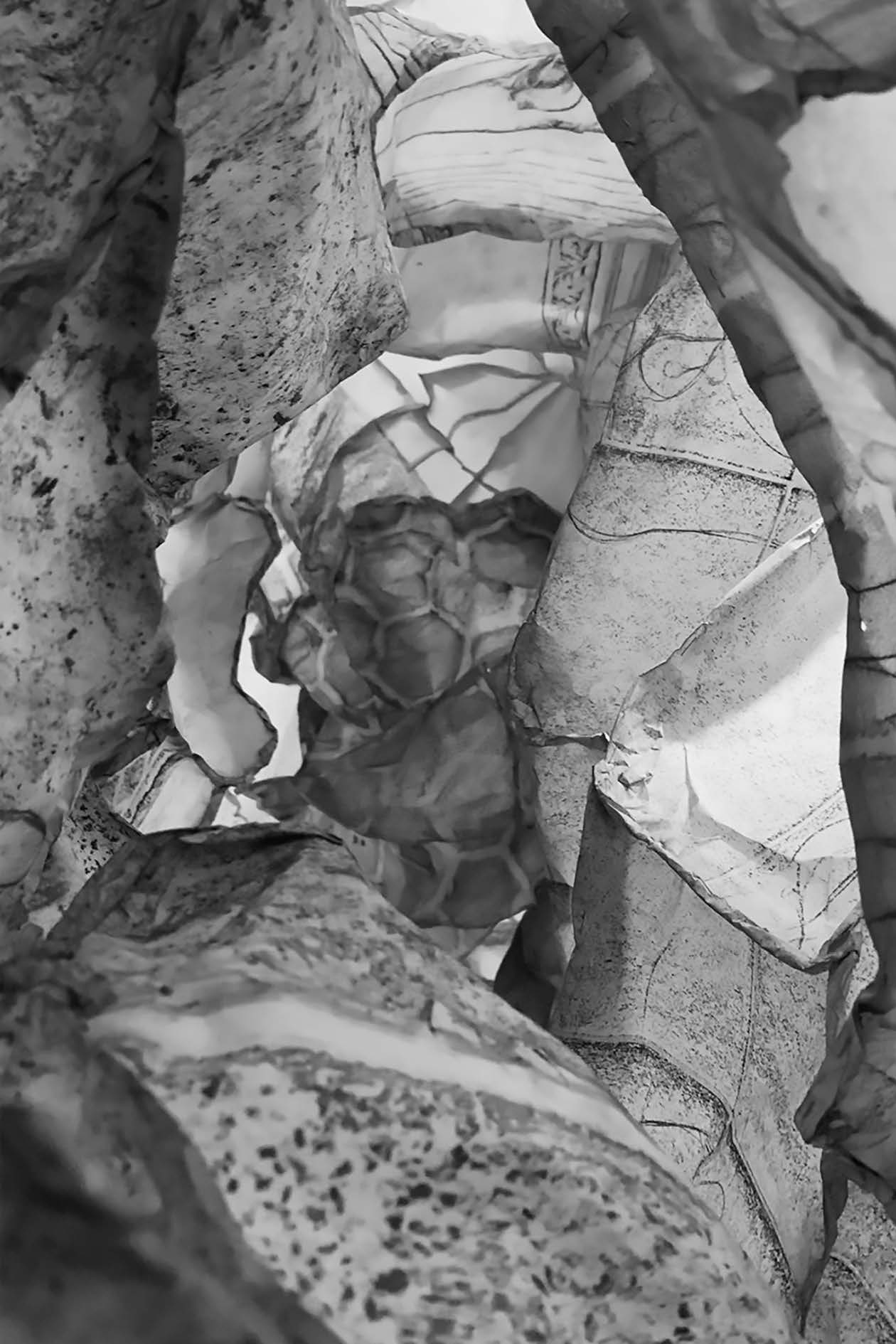
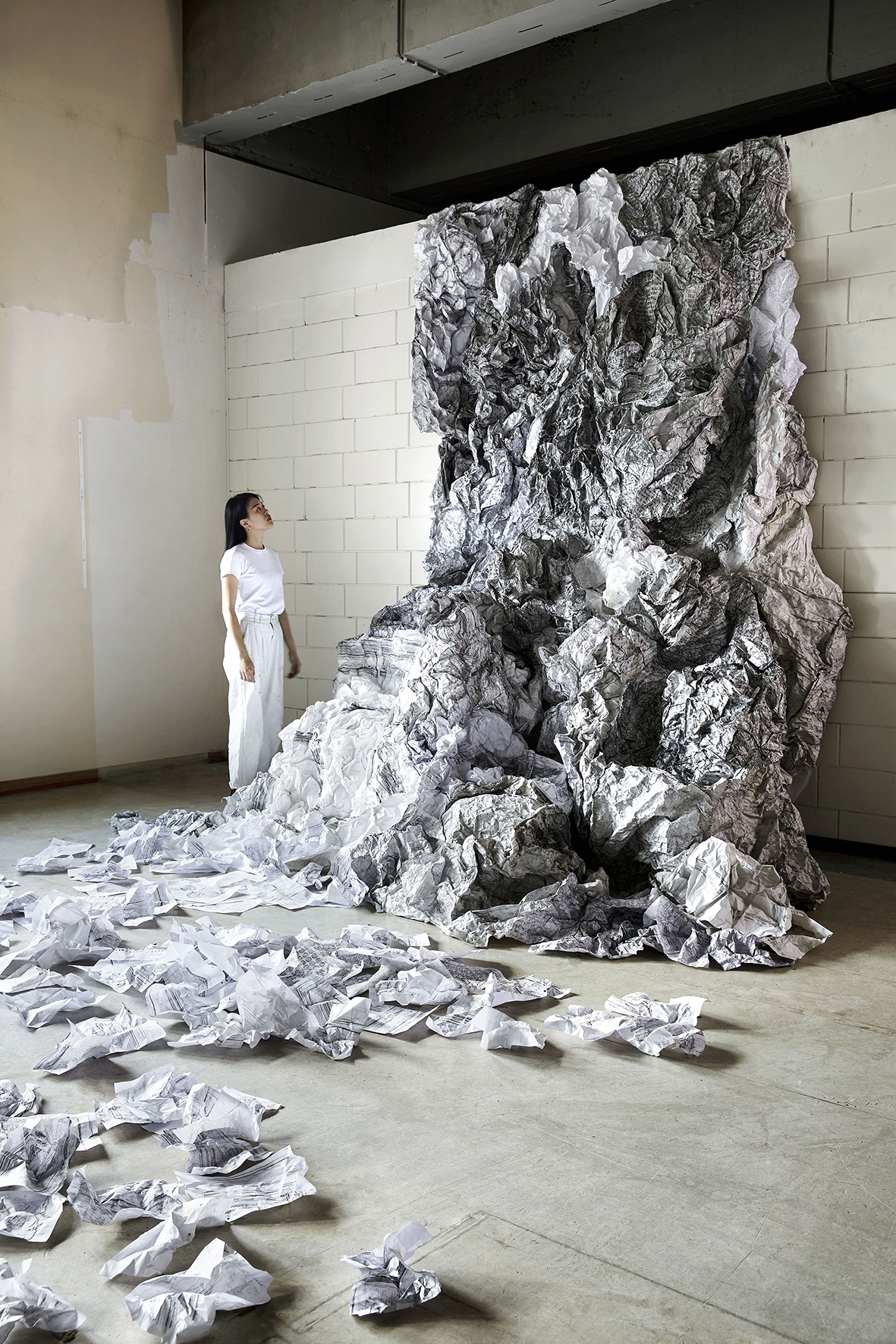
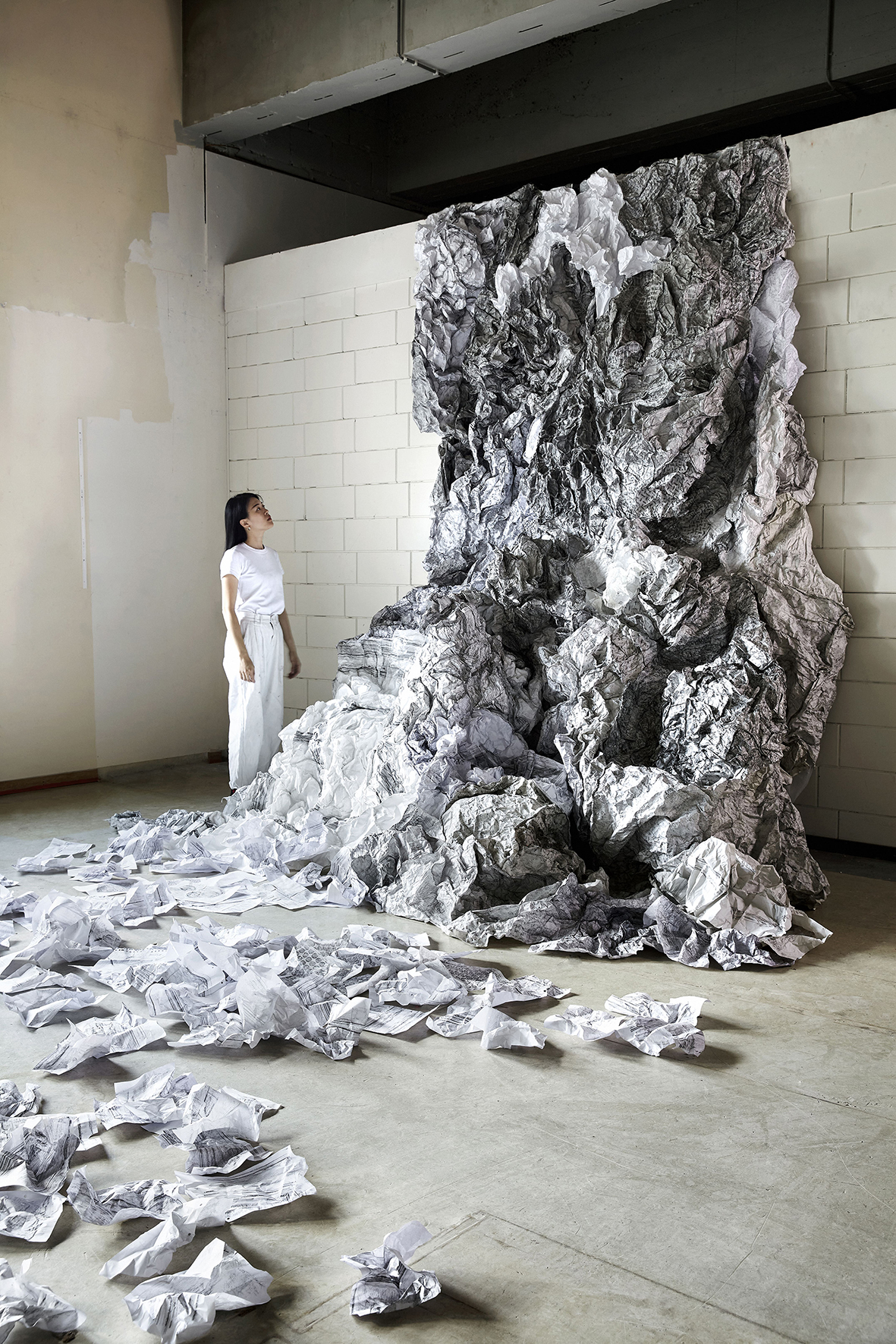
Not Leave but Remain-DDW22 - "Nostalgia" combines the Greek words "Nostos" (to return) and "Algia" (suffering), meaning the pain of longing for a place or time we can’t return to. Though rooted in the past, nostalgia influences future behaviors, as reminiscing often evokes desires for the future. Szu-Han views nostalgia as a future-oriented emotion, drawing from past experiences to shape future aspirations. In her 33 years, Szu-Han has relocated nearly 40 times. Many of her past homes have been abandoned or destroyed, disappearing entirely. In 2020, she revisited these places, using charcoal to capture the textures of walls, ceilings, and floors. These imprints reflect the transient connection between people and their living spaces, serving as a tool for recollection and mapping the emotional states that drive us. The work invites reflection on the growing displacement caused by accelerating mobility, bridging past memories and present experiences.
Home Sweet Home
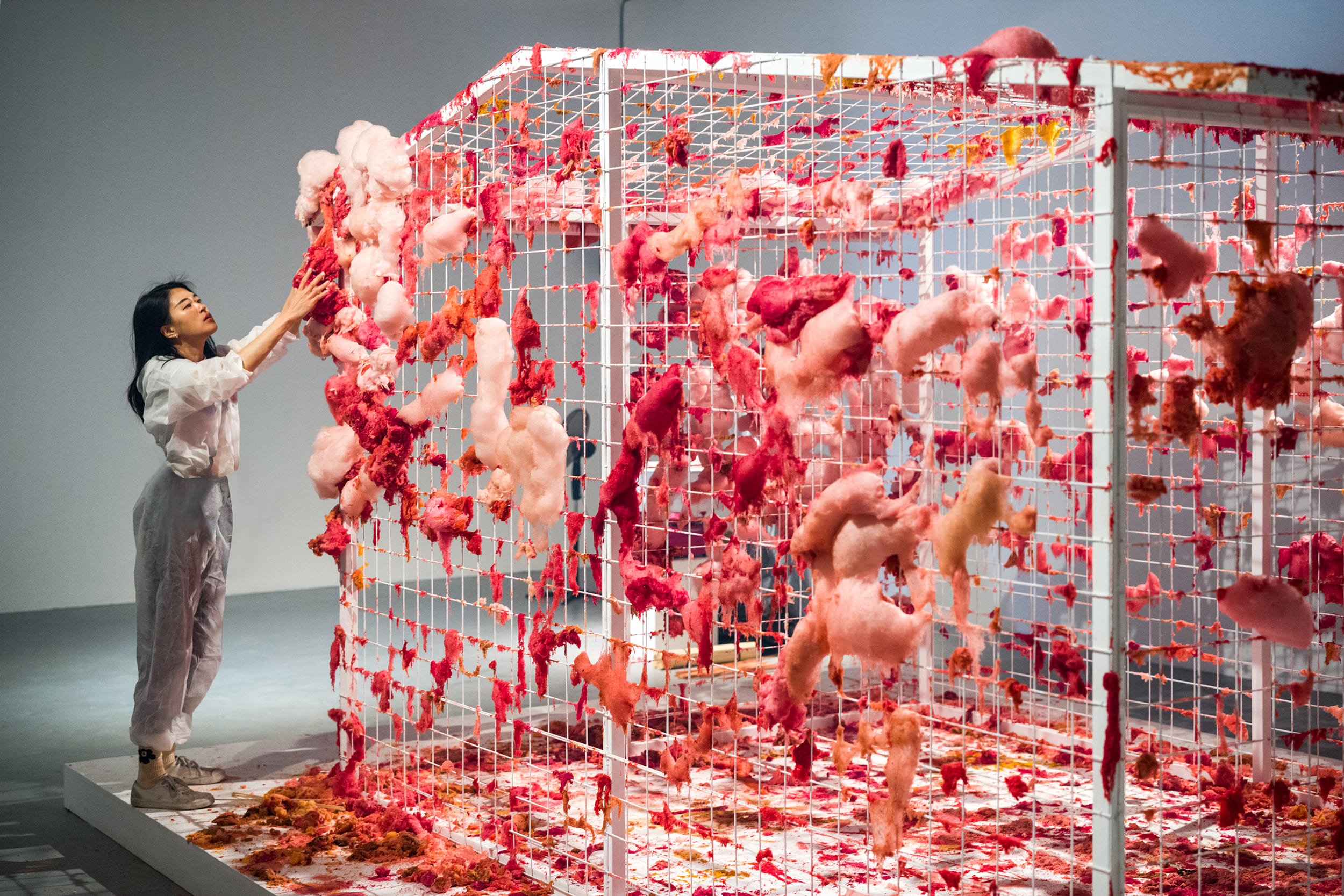
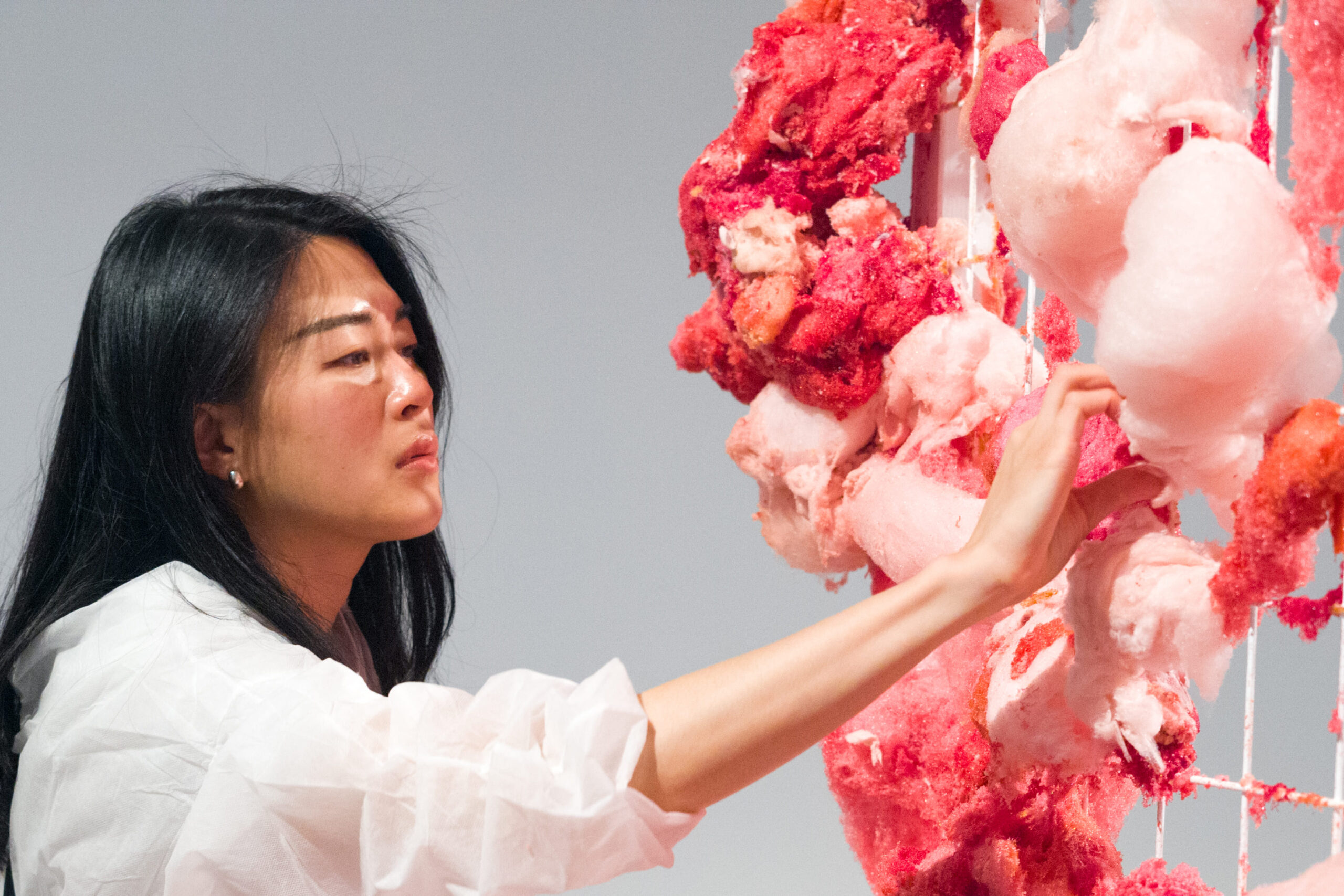
Home Sweet Home-Performance with Vis-a Visa Collective - This project, part of 'Hybrid Tales For Hybrid Times' at MU Hybird Art House in Eindhoven. Seven non-EU artists collaborated to build a dream-like house from pink cotton candy, fulfilling a requirement for artist visa applications. The performance explored connections between nationalism, ethnic identity, and sugar consumption. The project challenged the traditional view of fixed ethnic identity and nationalism, instead aligning with structuralism's perspective that identity emerges under oppression. It also highlighted how sugar consumption is shaped by historical, cultural, and political factors, including colonial power relations. The cotton candy house symbolized the complex visa application process and the interdependence between EU and non-EU countries. Its impermanence represented the fluidity of identity, influenced by power relations and historical factors.
Exodus
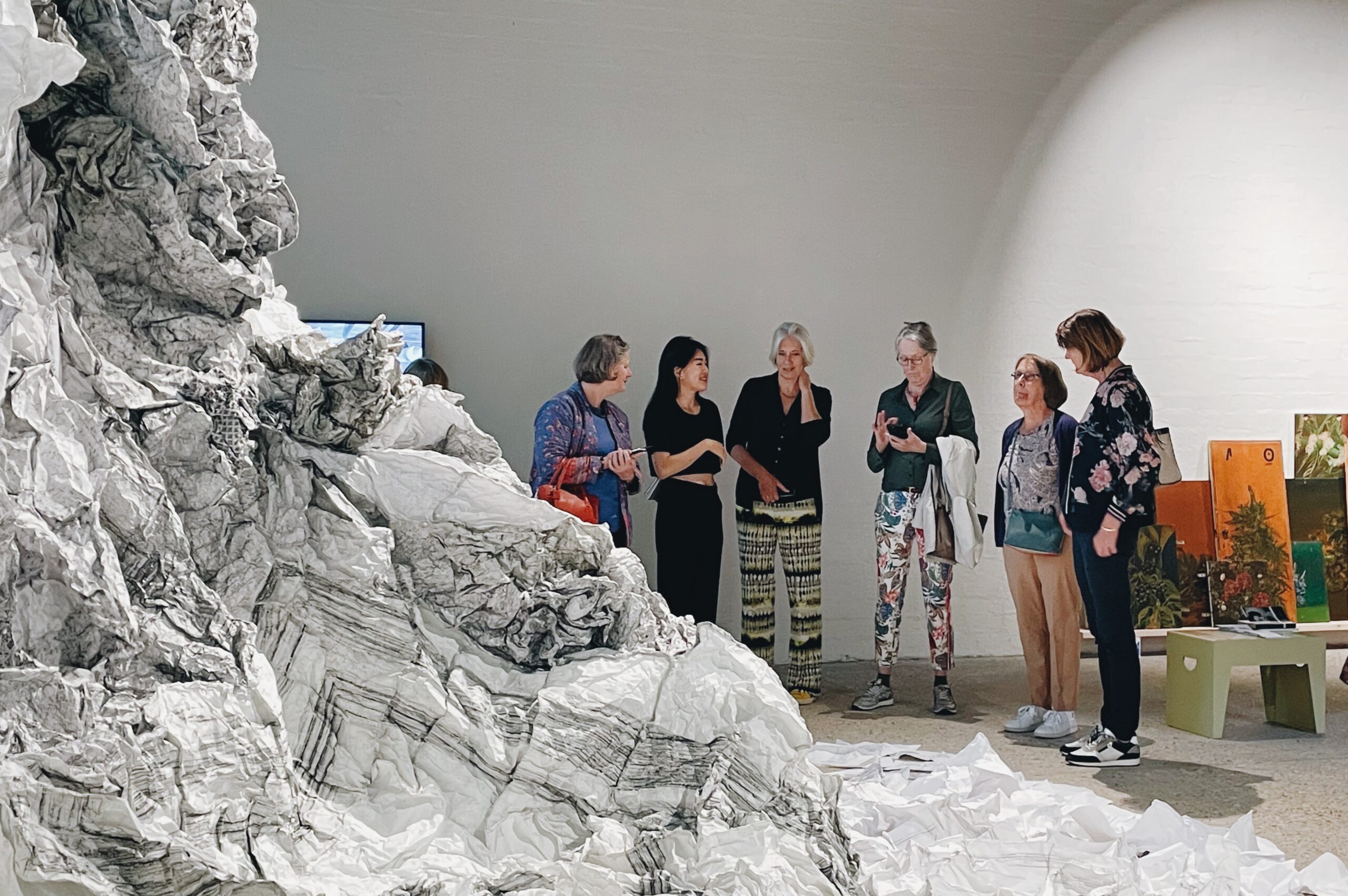
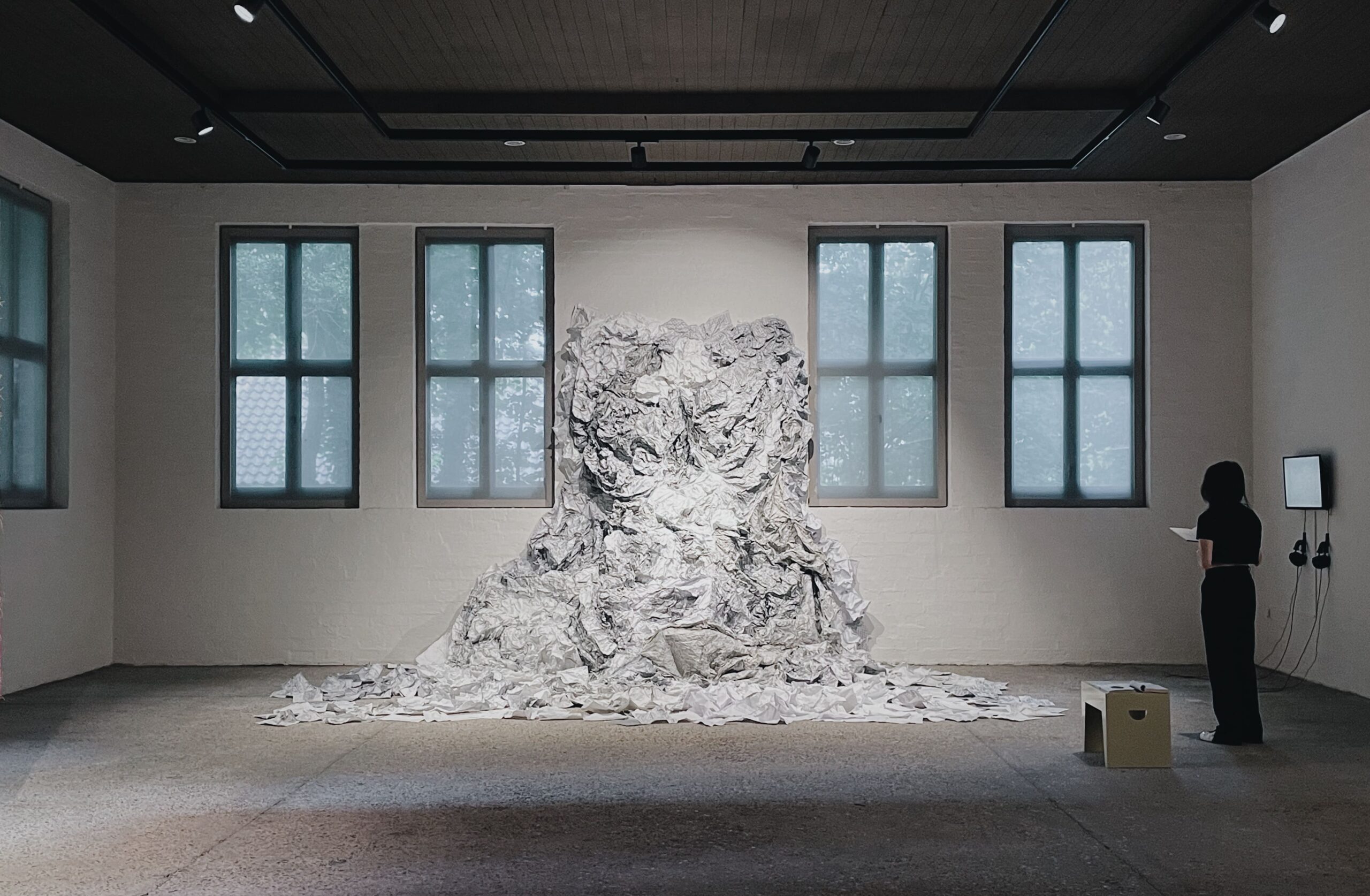
Mounting Mountain 【山山】 (the series of Not Leave but Remain) -Group Exhibition EXODUS - This project was part of the EXODUS Group Exhibition at Buitenplaats Doornburgh for 6 months. Szu-Han Lin, who has moved over forty times in thirty-six years, creates art from her experiences of relocation. Since 2020, she's been revisiting her past homes, transforming nostalgia into art by covering walls and floors with A4 paper sheets, tracing textures from her former Taiwanese residences. The artwork, named '山山' (Mounting mountain), is inspired by a Zen saying about changing perceptions of mountains, reflecting how one's view of the same thing can evolve over time. Lin's work explores how personal, social, and cultural factors shape our attachment to places. The mountain-shaped installation invites viewers to contemplate the impact of frequent relocations on place attachment in modern society, encouraging deeper understanding through repeated viewing.
1.2.3 Fail
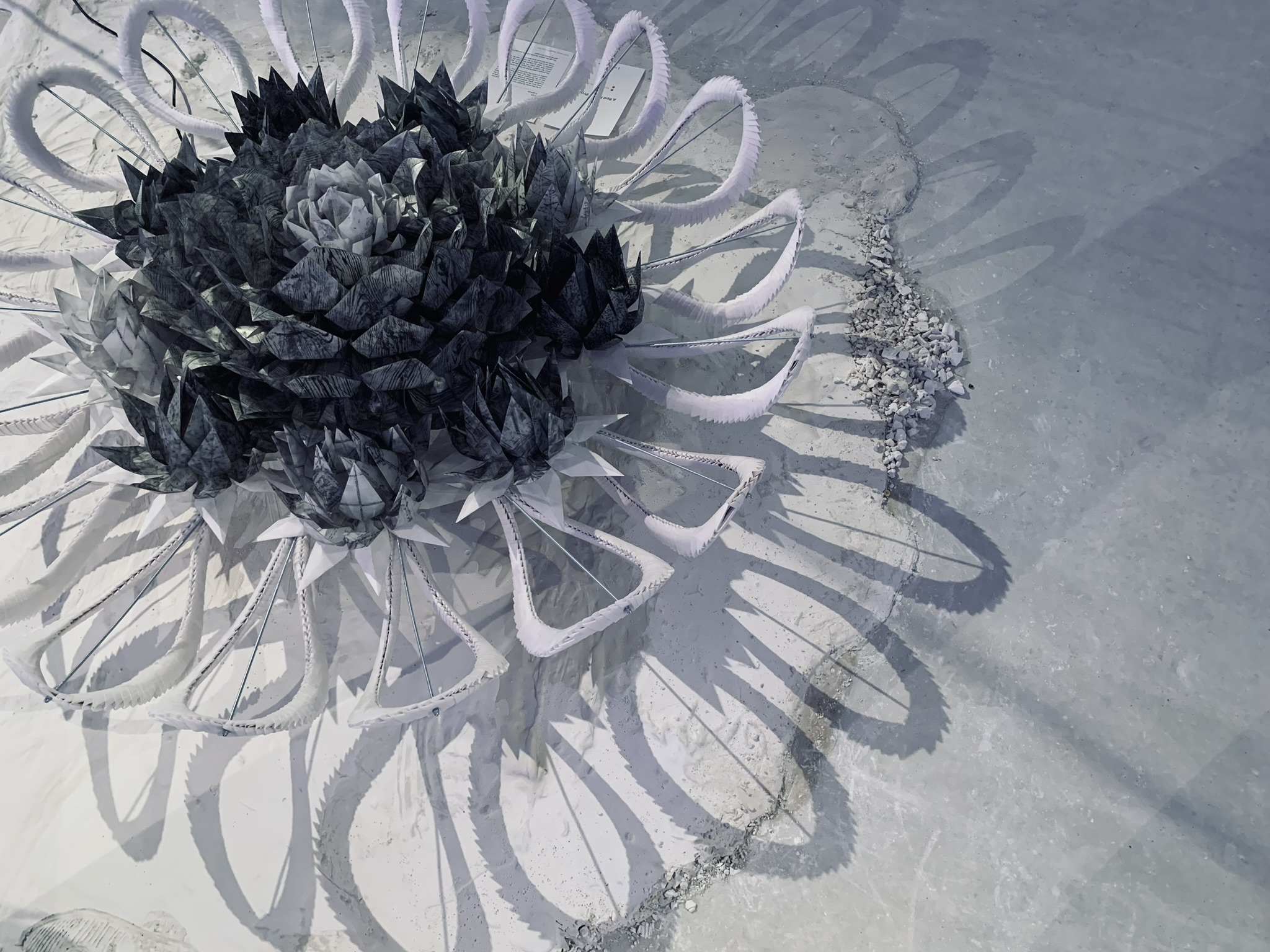
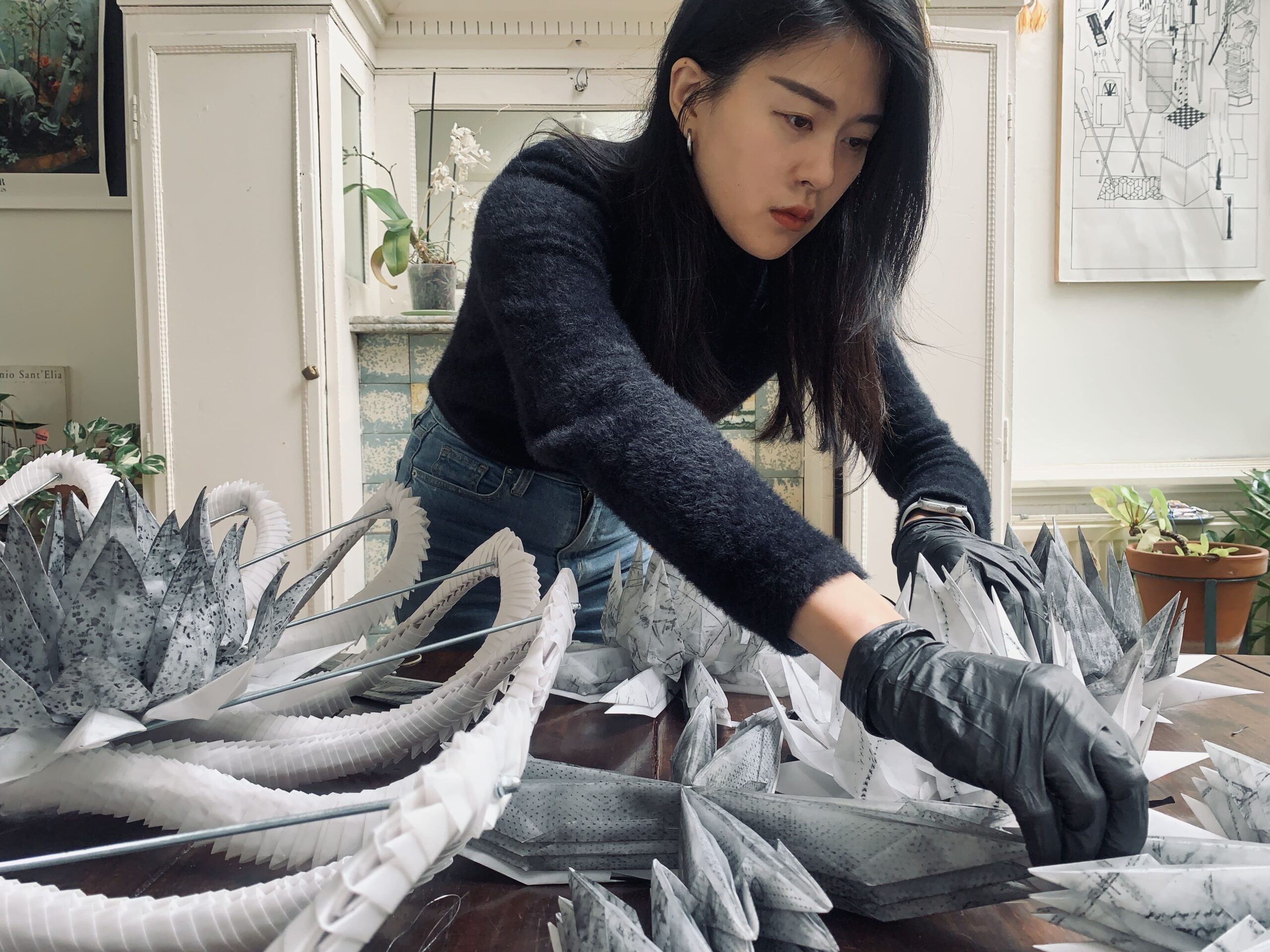
A Red Room Project【紅房計畫】-DDW23 - This project, exhibited at Dutch Design Week 2023 under the theme '1, 2, 3, Fail!', explores the concept of failure through the artist's personal loss of her mother. Szu-Han Lin aims to visit places her mother lived, viewing these spaces as birthplaces of her mother, just as her mother's womb gave birth to her. The artist's mother, Xiu-Mei, had six children, with Lin being the fifth daughter before a son. This reflects Taiwan's agricultural society's preference for sons, where wombs became a means for women to gain status. Using frottage techniques taught by her mother, Lin collects impressions of these spaces on semi-transparent tracing paper, folding them into lotus seats. This symbolizes blessings for the deceased and possibly represents the artist's desire for a stable home. The artwork includes a performance where dancers move within the piece, with carbon powder symbolizing the mother's blood and milk. Through this, Lin examines the mother-daughter relationship and reflects on how women's spaces are restricted by gender roles. The artist explores whether understanding her mother beyond the daughter's perspective could eliminate accusations of inadequate parenting, free labels, and liberate the concept of the uterus from societal expectations.
Trace of Living【循跡】
Trace of Living【循跡】 - Szu-Han returned to her childhood home: a social housing complex with a traditional market slated for demolition in mid-2022. This market was central to her youth, where she helped her grandparents sell vegetables and played with local children. Her entire daily life revolved around this place. Realizing the market's imminent disappearance, she began a project to capture this piece of her past before it vanished. By documenting the space visually and through physical movements, she discovered that her body held forgotten memories. As she moved, she unknowingly mimicked her childhood play, unlocking these memories. This process revealed the essential role of movement in reconstructing the past. Through her project, Szu-Han not only captured personal nostalgia but also responded to the urgent loss of a place deeply tied to her identity, rebuilding her vanishing home through embodied experience.
Drifting Path【尋徑】
Drifting Path【尋徑】 - This installation was a complete collection of her artistic practices, where the solidity of each building became liquid, blurring the lines between houses. The work consisted of shapes, surfaces, and textures from her memories and experiences. During creation, the marks on the paper became blurrier with manipulation, mirroring fading memories over time. The installation showed how new spaces are composed of fragments from past homes, with old home images generating new home atmospheres. She installed this massive surface in her emptied current room, creating a space without clear direction or dimension. She invited past housemates to this "new home" as participants, who navigated the space to find marks of their own homes, matching their postures to the distorted environment. As the installation held participants' memories of home, she traced a common feeling of nostalgia, strengthening relationships. This monumental space of shared memory offered an abstract framework for encounter, neither a document nor an actual house.
Muraland (the series of Not Leaving but Remain)
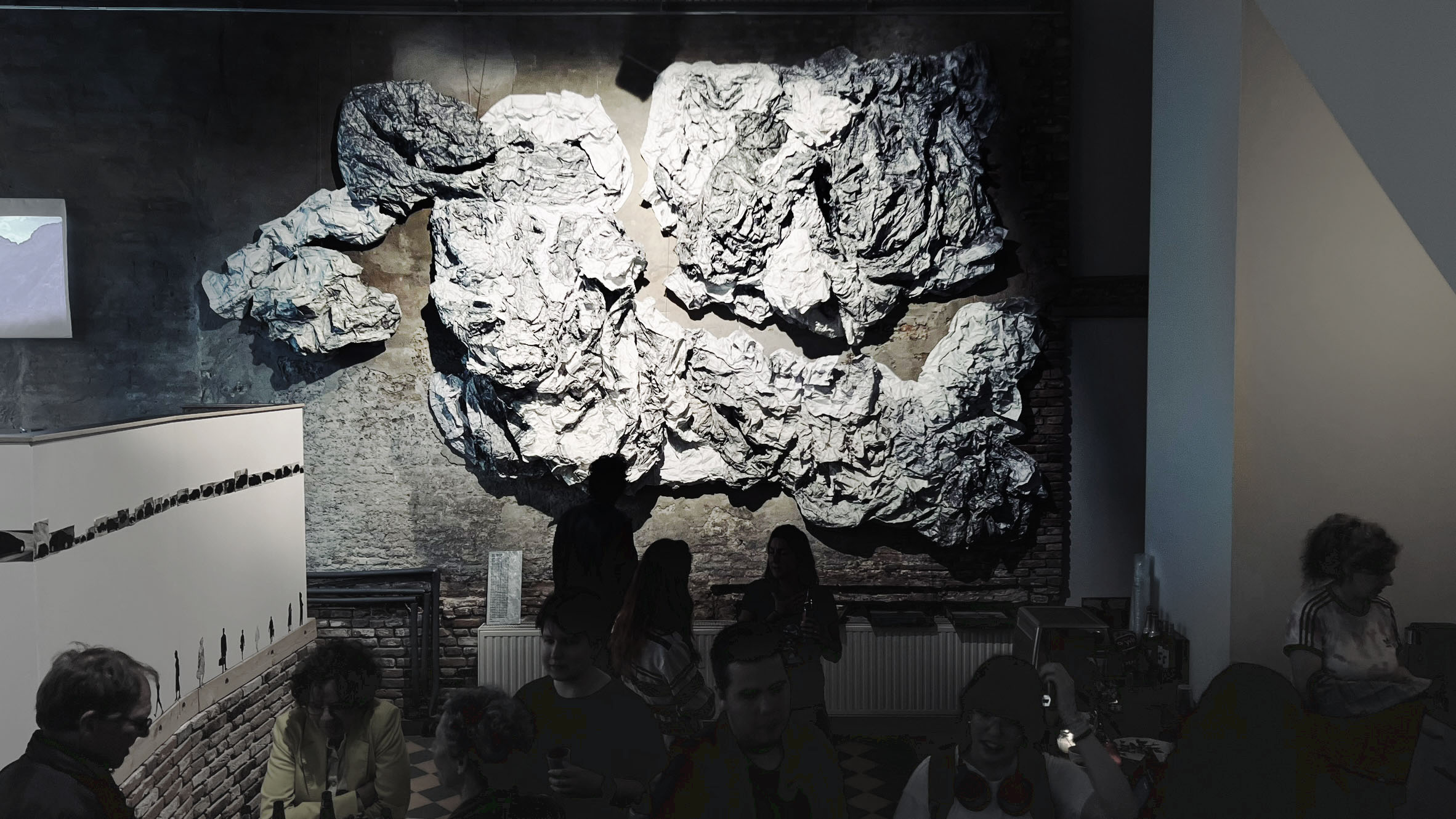
Muraland (the series of Not Leaving but Remain)-The Big Draw Festival 2024 - This project was part of The Big Draw Festival 2024, and it was displayed in the International Drawing Center. When exhibiting the grand paper collage in various contexts, Lin customizes its shape to respond to the space itself. In this time, it takes on a new form like a 'Mural' in the art center. As viewers trace the textures on the artwork, the artist's homeland landscape harmonizes with the background wall, the wall becomes an integral part of the piece. On the contrary, the artwork itself becomes an attachment to the wall at this moment, while the subtle traces of the building's history appear to emerge as one of the subjectivities of the work, bringing the entire piece together.
Ghosts in the foreign land_Field Research Promo
Ghosts in the foreign land_Field Research Promo - Traced back to the 17th century, the Dutch East India Company sought a favorable trade base in East Asia, initially attempting to establish posts in Penghu (the outlying Pescadores of Taiwan) before ultimately settling on Taiwan. While historical records may suggest that Penghu was a temporary stop, the Dutch left a lasting imprint on the local religion, beliefs, and culture that has endured for centuries. It is said that a century ago, residents of Fenggui (Wind Cabin, 風櫃) Village in Penghu were disturbed by the ghost sounds of foreign troops at night around the ruined Dutch Fort built on Snake Head Hill (蛇頭山). They sought help from the deity of Wenwang Temple (溫王殿) where a Taoist spirit medium instructed the villagers to set up a "Bîng KunToh"(Dead Army Table, 冥軍桌), an extra table to offer sacrifices to the departed foreign spirits, which is part of the Ghost Festival, also known as Zhongyuan Pudu Festival (中元普渡節), when the gate of the underworld are believed to open. Since then, during every Ghost Month, residents light incense to guide the souls of deceased soldiers back and prepare dishes representing their respective countries to entertain the foreign spirits. This unique foreign food offering is rare in Taiwanese worship practices. During my initial investigation of the “Bîng KunToh” in early 2024, I discovered it not only honors foreign soldiers from the Netherlands but also France, and Japan (explained in the following note), who died in the area. The offerings for the annual ritual include dishes from different countries, such as red wine, raw beef, raw fish, wasabi and foreign cigarettes, etc. (Note:1884 Qing-French War, France decided to occupy Penghu. However, due to poor local health conditions and sanitation, casualties were severe, with deaths ranging from about 240 to 300 due to combat or illness. In 1898, a Japanese naval ship explosion caused over 200 deaths and disappearances. these all happened in the port, close to the ruin of the Dutch Fort.) Therefore, I conduct a collaborative creation involves 6 artists from Taiwan and the Netherlands, local historians, and community members in Penghu. It also draws on academic input from sociologists and cultural experts well-versed in Penghu's folk traditions. Through participation, observation, and documentation, we aim to uncover local social dynamics and cultural phenomena while addressing local memories and experiences long overlooked in mainstream historical narratives. Via employs multimedia works, including sculpture, painting, and video, to offer fresh perspectives on the shared history between Taiwan and the Netherlands, challenging traditional colonial narratives.

The Big Draw Festival 2024

Datum:
Locatie: International Drawing Center

The artist was invited to customize and install her project Not Leave but Remain as the opening artwork for the International Drawing Center, where it remained on display for six months. The installation was created in direct response to the space, taking on a new form as a "mural," aptly named Muraland. Additionally, the artist conducted a workshop during the Big Draw Festival 2024, further engaging with the center's community.

https://internationaldrawingcenter.world/

1,2,3,Fail!_Dutch Design Week 2023

Datum:
Locatie: Microlab Hall
In samenwerking met: Via-a-Visa Collective

Precarious Precarity: The State of Being Uncertain or Likely to Get Worse
Project Topic: The Failure. As the saying goes, "Failure is the mother of success," and Samuel Beckett adds, "Try again, fail again, fail better." Failure can be as simple as messing up a trick or a recipe, or facing rejection. Sometimes, your failure is someone else’s success. Yet, we keep trying, as failure drives us forward. This exhibition showcases designers and artists reflecting on the meaning and impact of failure
Hybrid Tales For Hybrid Times

Datum:
Locatie: MU Hybrid Art House
In samenwerking met: Lucas Maassen, Alexandre Humbert

Home Sweet Home by Vis-à-Visa, a collective of Design Academy Eindhoven alumni, explores the challenges non-EU artists face in obtaining residence permits. To qualify for a two-year visa, artists must participate in a set number of exhibitions or leave. The installation features a house frame covered in pink cotton candy that melts over time, symbolizing the uncertainty and impermanence of their situation. Each weekend, the house is rebuilt, only to melt again, reflecting their ongoing struggle.
https://mu.nl/en/txt/home-sweet-home

Group Exhibition of The Open Call EXODUS

Datum:
Locatie: Buitenplaats Doornburgh

EXODUS draws from stories in the Bible, Torah, and Koran, connecting to urgent social themes like fleeing to a "promised land," slavery, liberation, leadership, and trust. This group exhibition presents contemporary art and pressing narratives. It flows through cloisters, past small cabinets and large rooms, with dynamic form and content. The exhibition features intimate and personal works, including refined collages, offering diverse perspectives on these timeless stories.
https://www.buitenplaatsdoornburgh.nl/tentoonstelling-exodus/

Graduation Show of Design Academy Eindhoven, Dutch Design Week 2022

Datum:
Locatie: Microtuin

In two years of revisiting these former homes, I utilized the artistic technique of 'frottage' to capture their essence. With minimal intervention—just pencil and paper—I archive the surfaces of these spaces to represent the unwrapable lived spaces, to depict the complexity of attachment and detachment that humans share with their surroundings. I transferred the background of spatial memories into the foreground, identifying both reinforcement and change in our ever-evolving social landscape.
https://www.designacademy.nl/p/study-at-dae/graduation-show/graduation-projects/szu-han-lin

Art Residency in Penghu Islands, Taiwan

Datum:
Locatie: Fenggui (Wind Cabin, 風櫃) Village

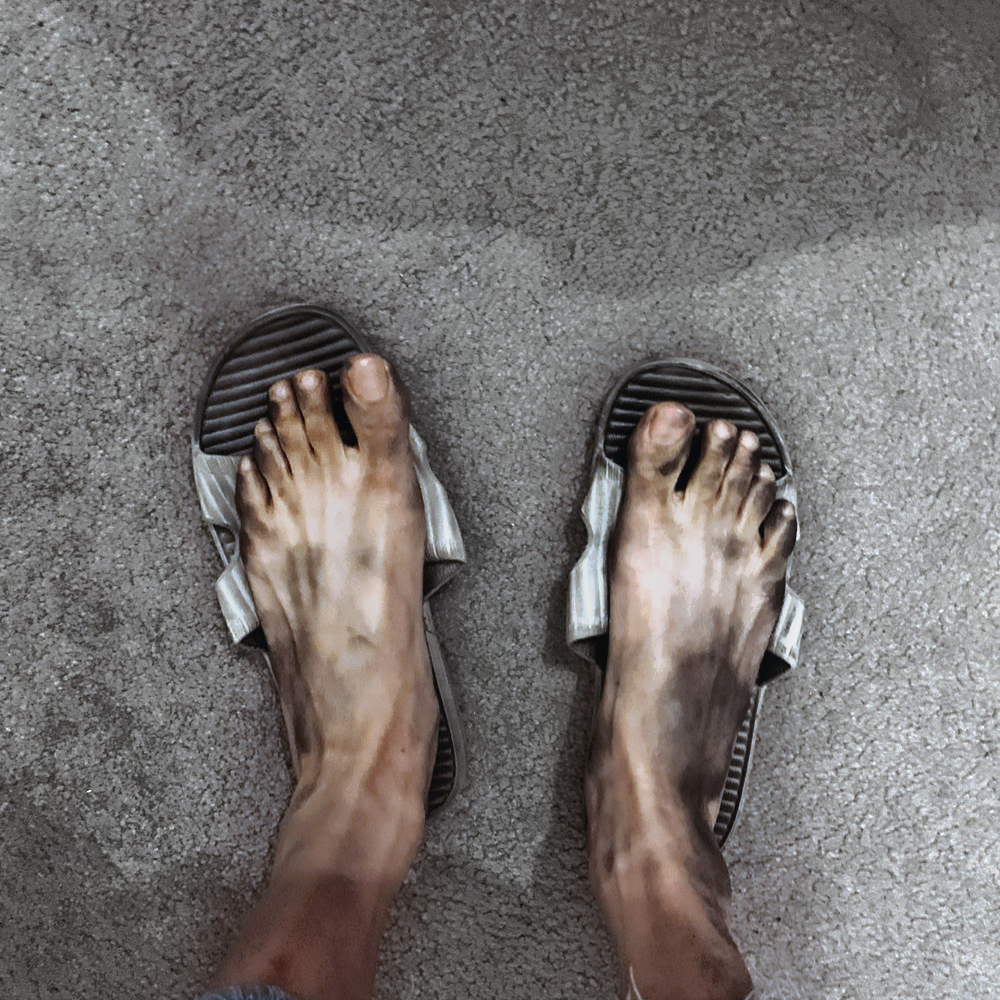
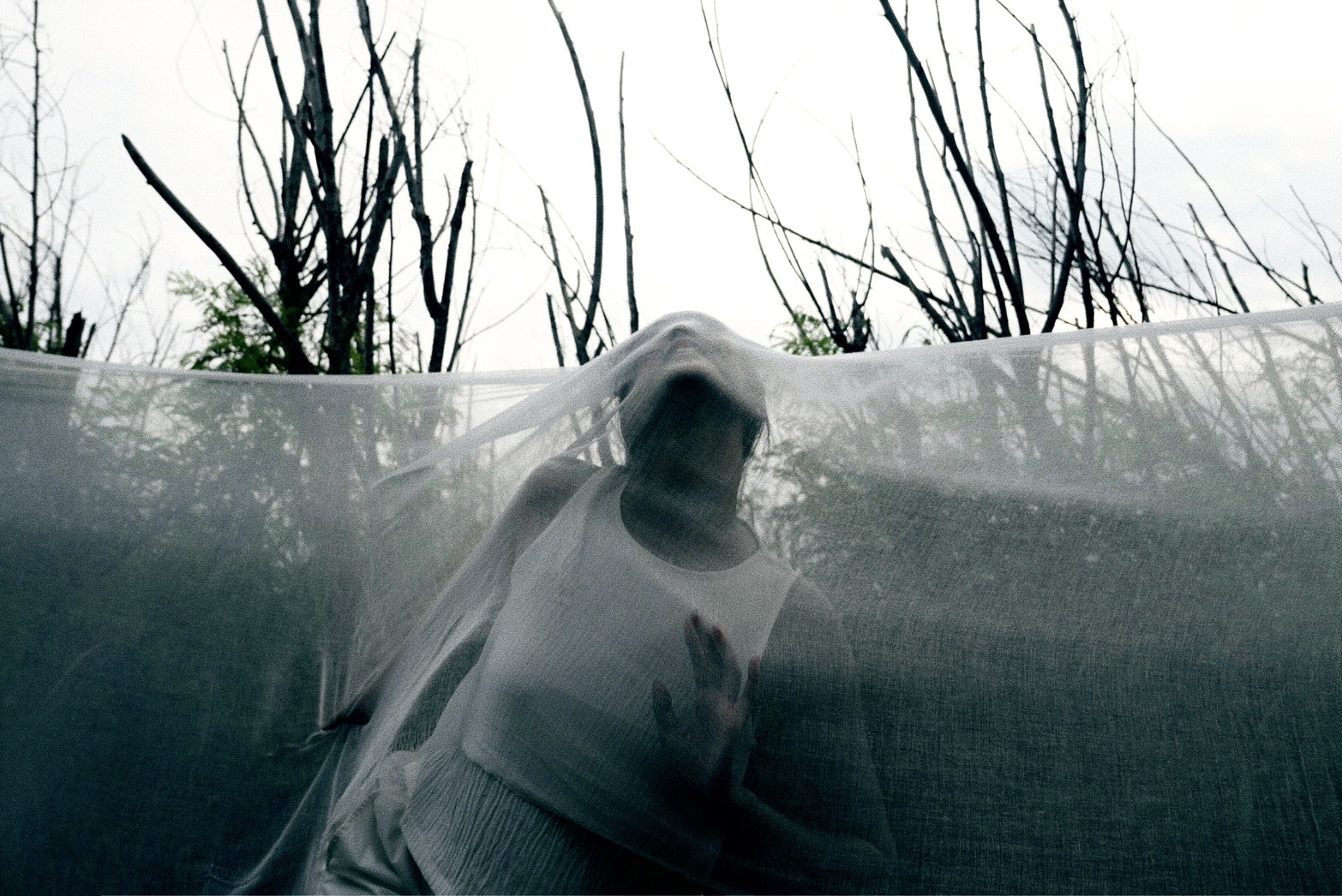
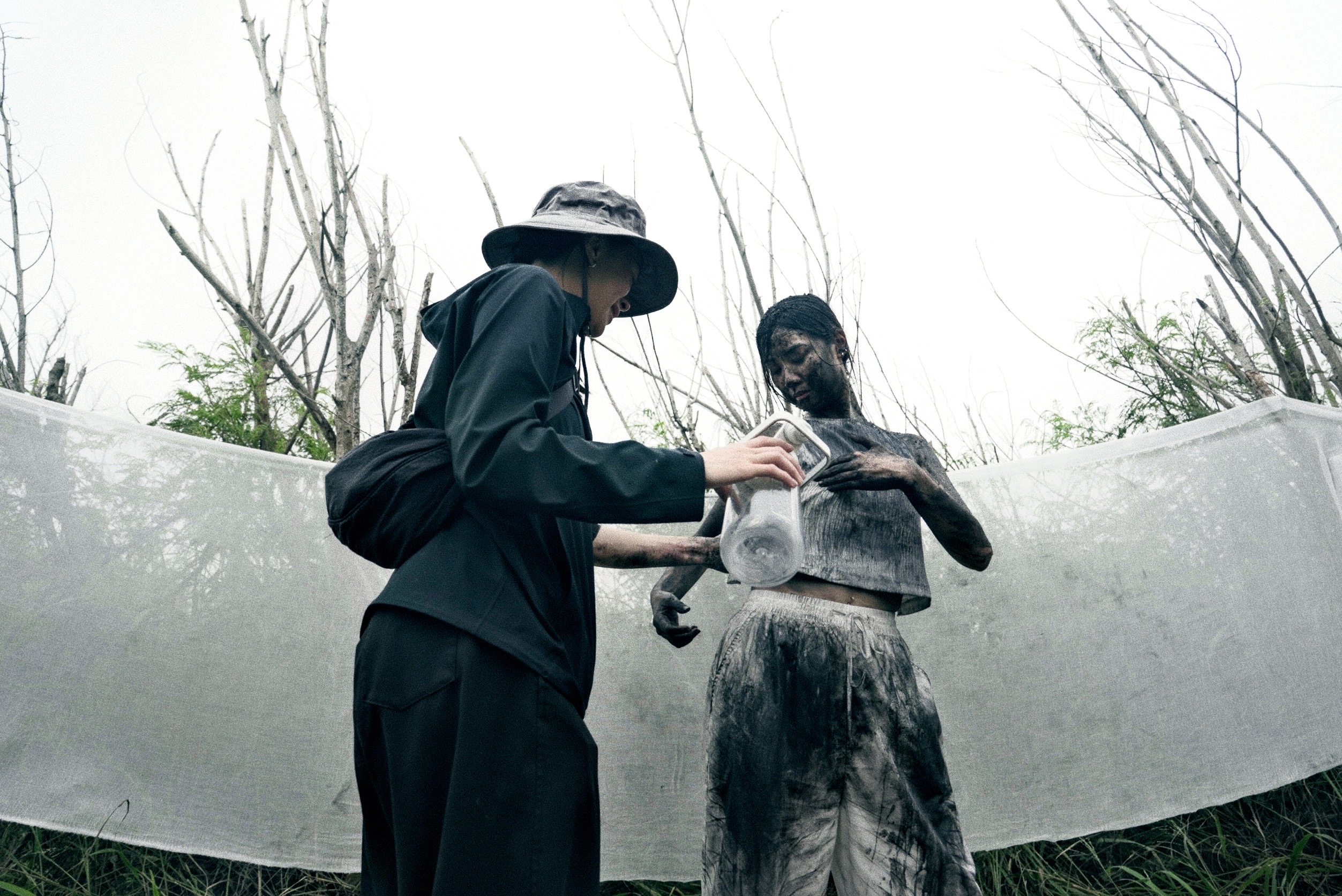
Lin Szu-Han explores colonialism and war in her Penghu art residency. She sees war souls as identity-less spirits. Focusing on "white popinac," an invasive plant introduced by Dutch colonizers, Lin examines its impact on local life. Once valued for charcoal, it's now a nuisance. Her art involves burning white popinac and applying ash to a dancer's skin. As the dancer moves on canvas, it leaves ghostly traces, symbolizing the ebb and flow of local history in Penghu's sea breeze.

https://vimeo.com/manage/videos/1009104834
Deze kunstenaar heeft nog geen toekenningen.