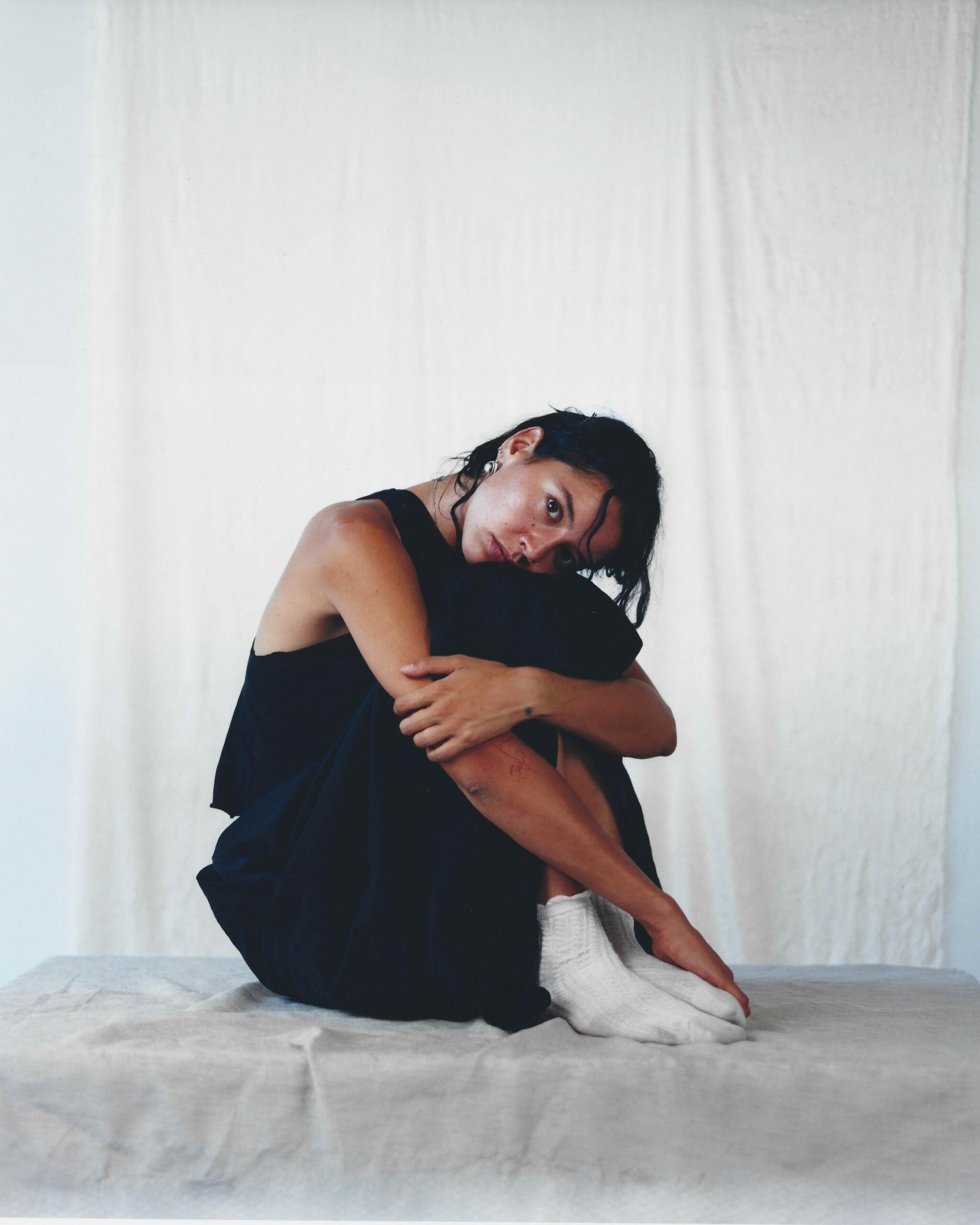
Vera da Costa is a Portuguese multidisciplinary artist based in the Netherlands. Her practice moves between textiles, installation and performance, exploring how materials, bodies and environments inform one another. At the centre of her work is an interest in world-building: creating spaces that can hold different forms of knowledge, sensation, ritual and encounter.
A central thread of her research is a reflection on her Western European context and the unsustainability of its dominant systems of living, relating and producing. She is interested in how ancestral European knowledge and ways of relating to land, materials and community might be revisited and reimagined within the present. Her research moves between academic study and embodied forms of knowledge, giving space to speculation, intuition and imagination as tools for approaching ways of knowing that have been fragmented, suppressed or forgotten.
Textiles are her primary medium of research. Across cultures, textiles have long functioned as vessels for knowledge, stories, memory and cultural continuity. Through weaving, natural dyeing, manipulation and reuse, she approaches fabric as a carrier of these layers, labour and care. Her study of herbalism informs her use of plants as dyes and a broader approach to making rooted in tending, reciprocity and interdependence.
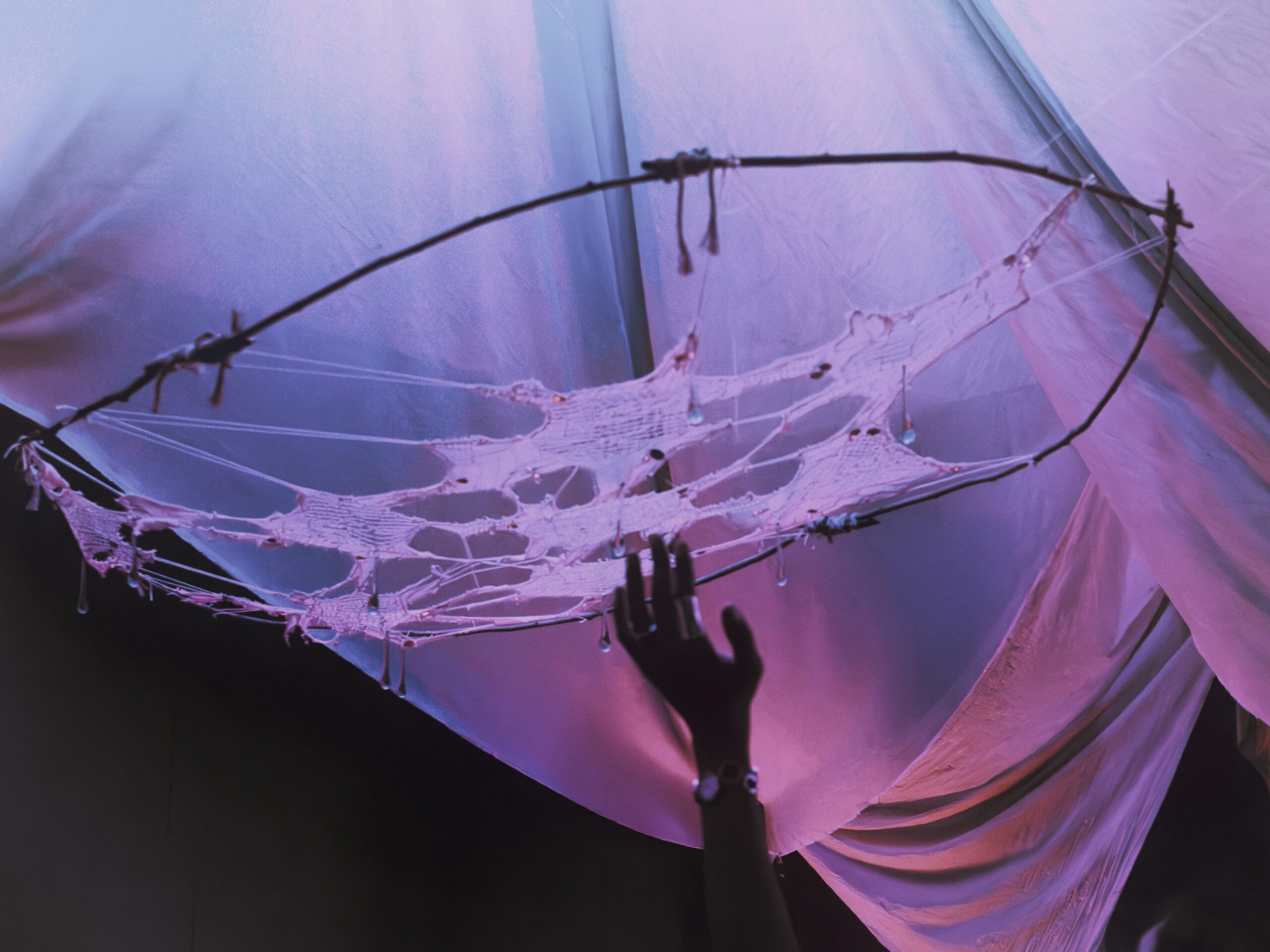
Her work unfolds through immersive installations bringing together textile, light, sound, natural materials and performance. She approaches materials as collaborators with their own histories and agency, exploring how environments can influence perception, movement and relationships. Across her practice, Da Costa explores how constructed environments can become temporary ecosystems where human, material and more-than-human worlds meet, creating spaces for slowness, connection and alternative ways of gathering and relating.
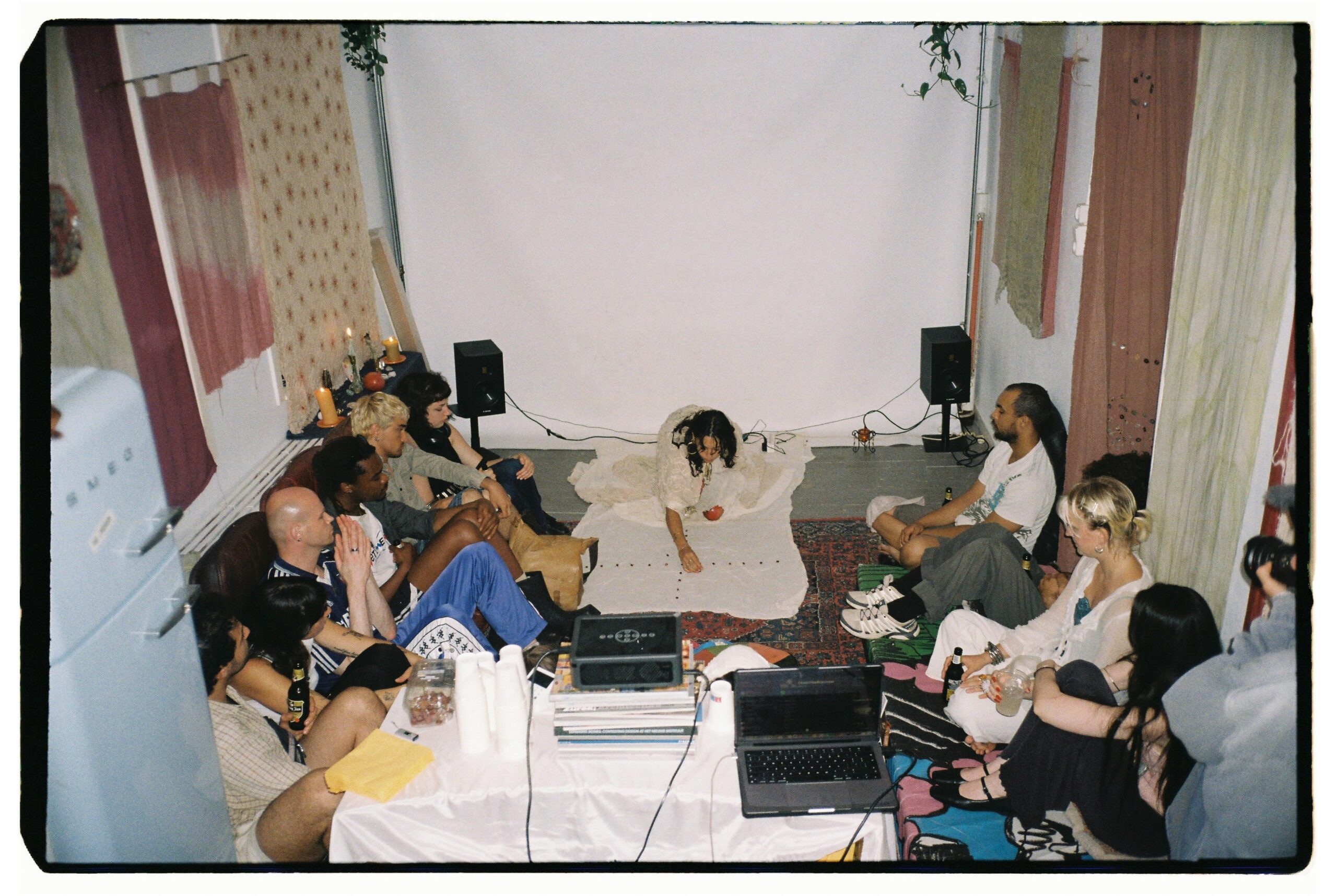
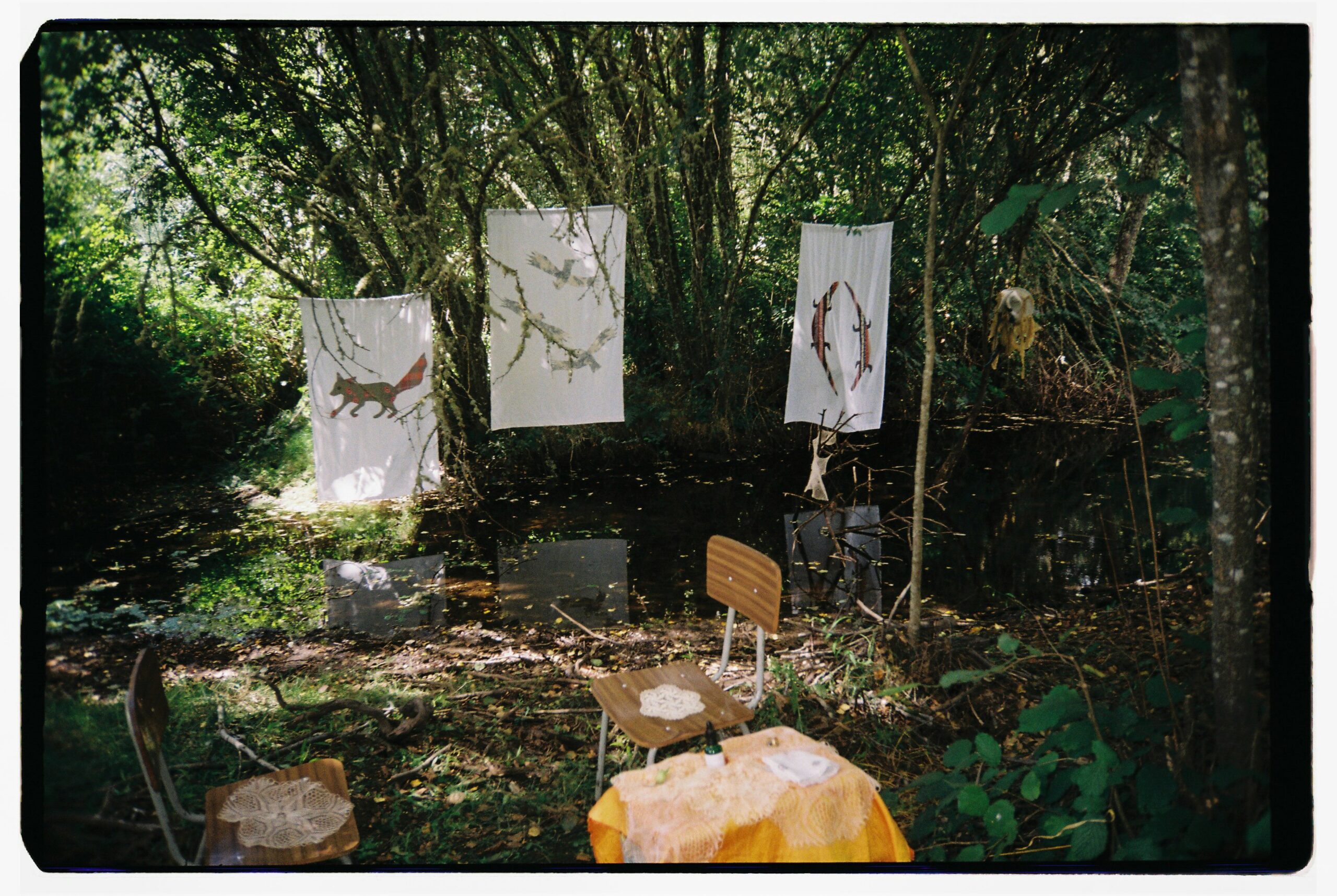
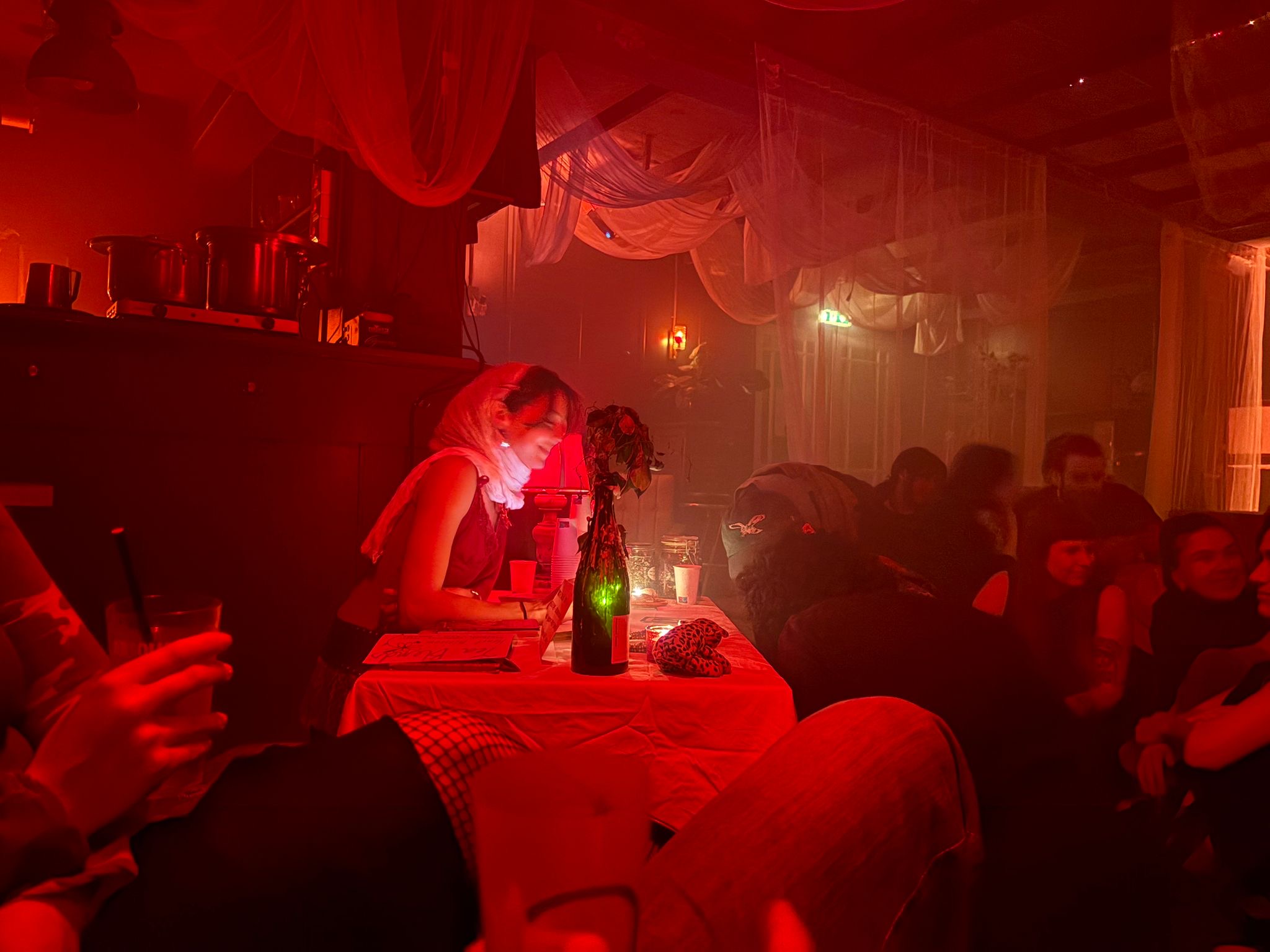
Tending to Rest
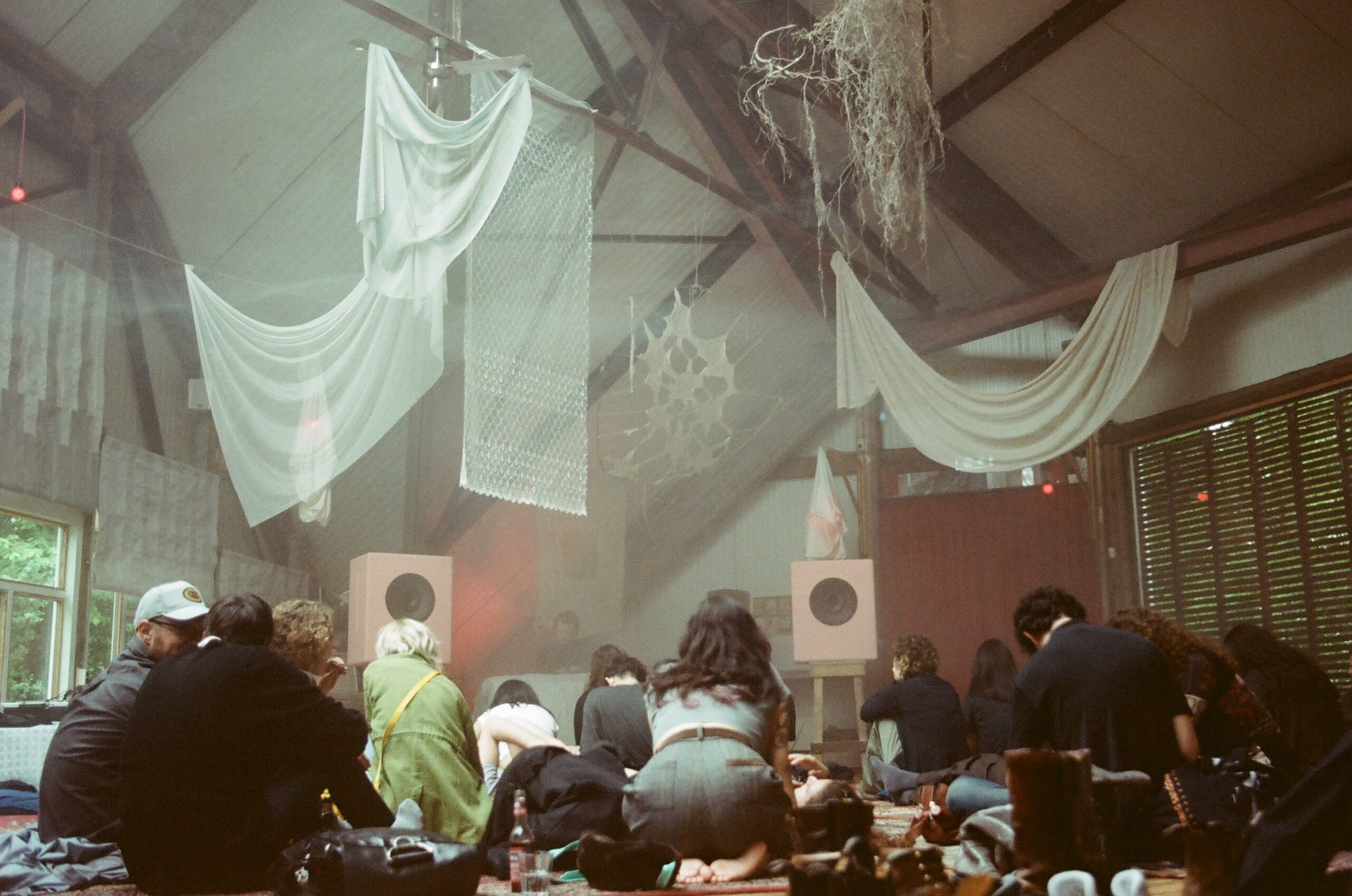
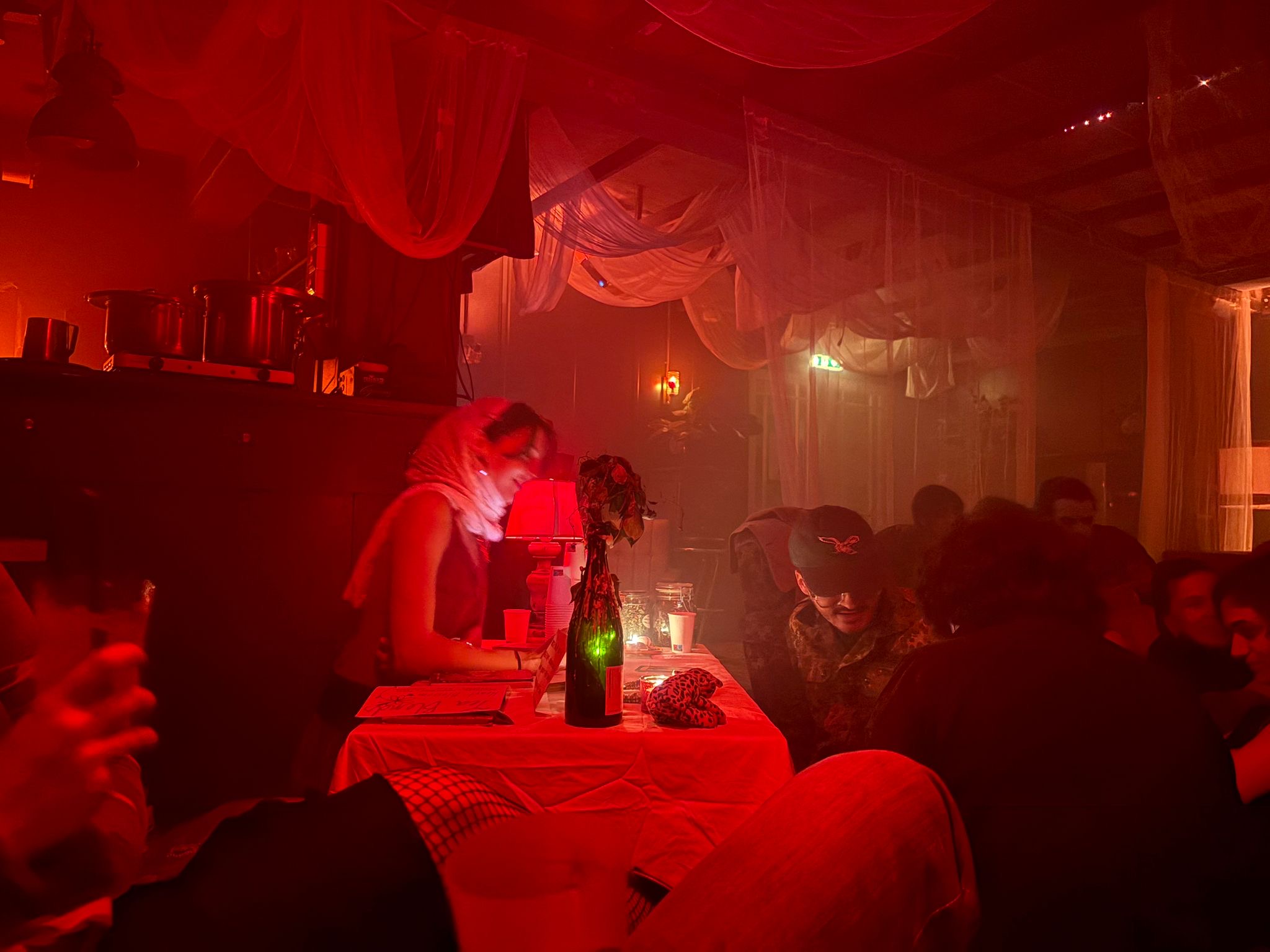
This project is an ongoing practice of giving back to the dancefloor, not as an escape but a connector. Through installations, herbal tea serving, plant-based care and intimacy, the project brings moments of rest, nourishment and connection into nightlife and communal spaces. It explores how care can become an active part of collective celebration, creating environments where bodies can pause, reconnect and feel safe. It began with a simple question: how can we create space for collective rest?
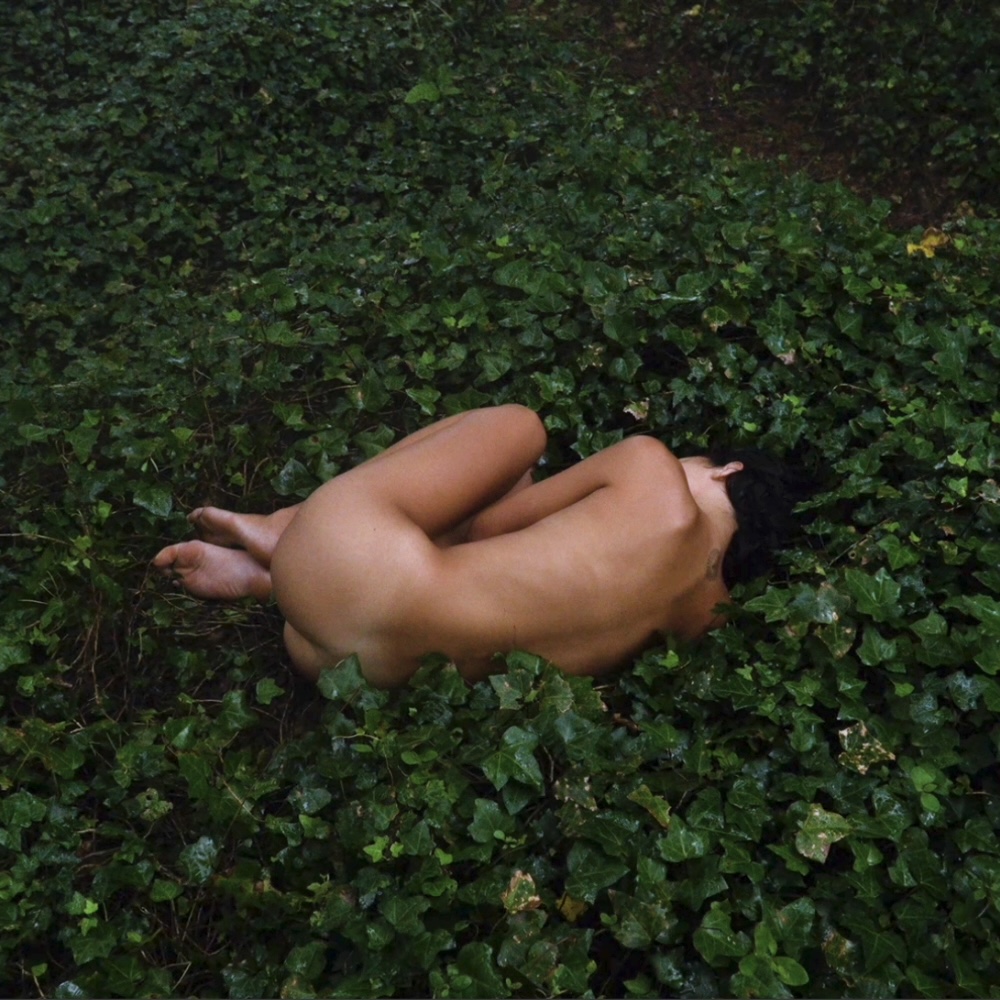
Pietà of Sorrow
Pietà of Sorrow is a multilayered work that exists as a short film, performance, installation, and community gatherings, adapting to each context it inhabits. For some it is a story of birth, for others death, questioning the body as part of the natural world while confronting sorrow, ache, and transmutation. Through symbolisms and movement, living landscapes appear as living paintings, hovering between dreams and reality, through the surreal invites a reflection on what it means to be human.