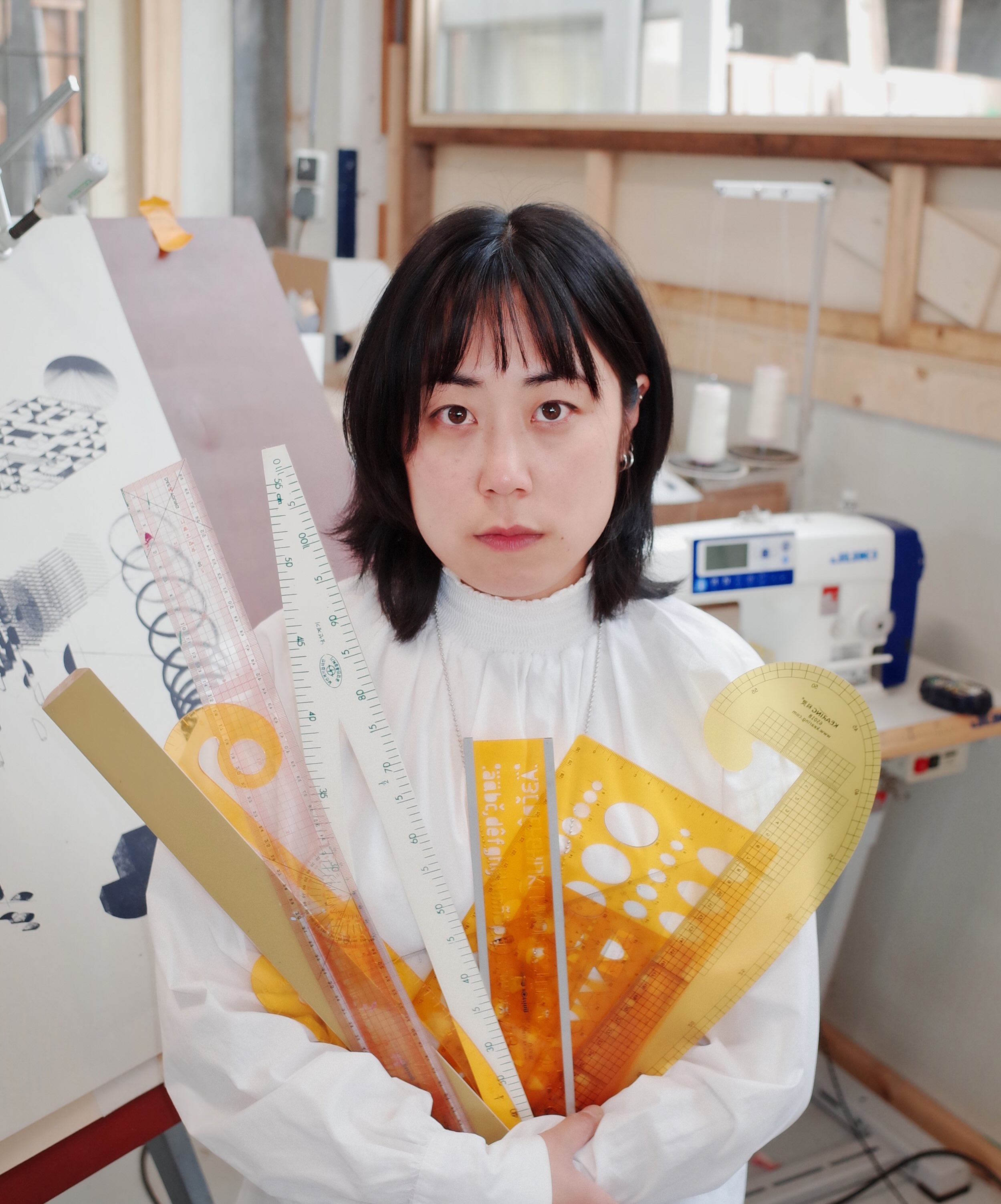
I bring the outsider in an old story and myself, an outsider today, onto the same stage. I collect myths and legends, personal memories and sentences from everyday life, and weave them into text, objects, sound and movement. Visitors enter these installations and performances, experiencing the stories by walking, touching objects and sometimes wearing them.
Some stories have survived longer than I have, changing through many voices and across time. Others arise in my own body: missing or hating someone, wanting to care for them, giving up or holding on, and finding myself in an unfamiliar place.
They do not form a clear narrative at first. Sentences, memories, images and objects float within me until an event, a place or another story brings them together. I observe these relationships and rearrange my writing into diagrams, lexicons or scripts. These guide the materials, sound, movement and visitors’ paths. I build the story and the space together.
I am Korean, born in the United States, raised across several countries and cities, and living in the Netherlands since 2012. I have become used to adapting to languages, cultural expectations and social positions. To some extent, I think of myself as a ‘professional outsider’.
I do not quite know what it feels like to be fully rooted in one place. No language feels entirely mine, nor is there one being I pray to when anxious. I do not see these absences as gaps I must fill. I observe how my body changes when home, language, roles and relationships are not fixed.
For me, the body is a place where social, emotional and temporal relationships become visible. It changes between Korea and the Netherlands, between the studio and my work as a scalp therapist, between Korean and English. I record the selves that endure, perform, defend themselves, try to remain kind or give up. Longing, resignation, sensitivity, resistance and persistence take form through wood, fabric, ceramics, metal, drawing, sound and movement.
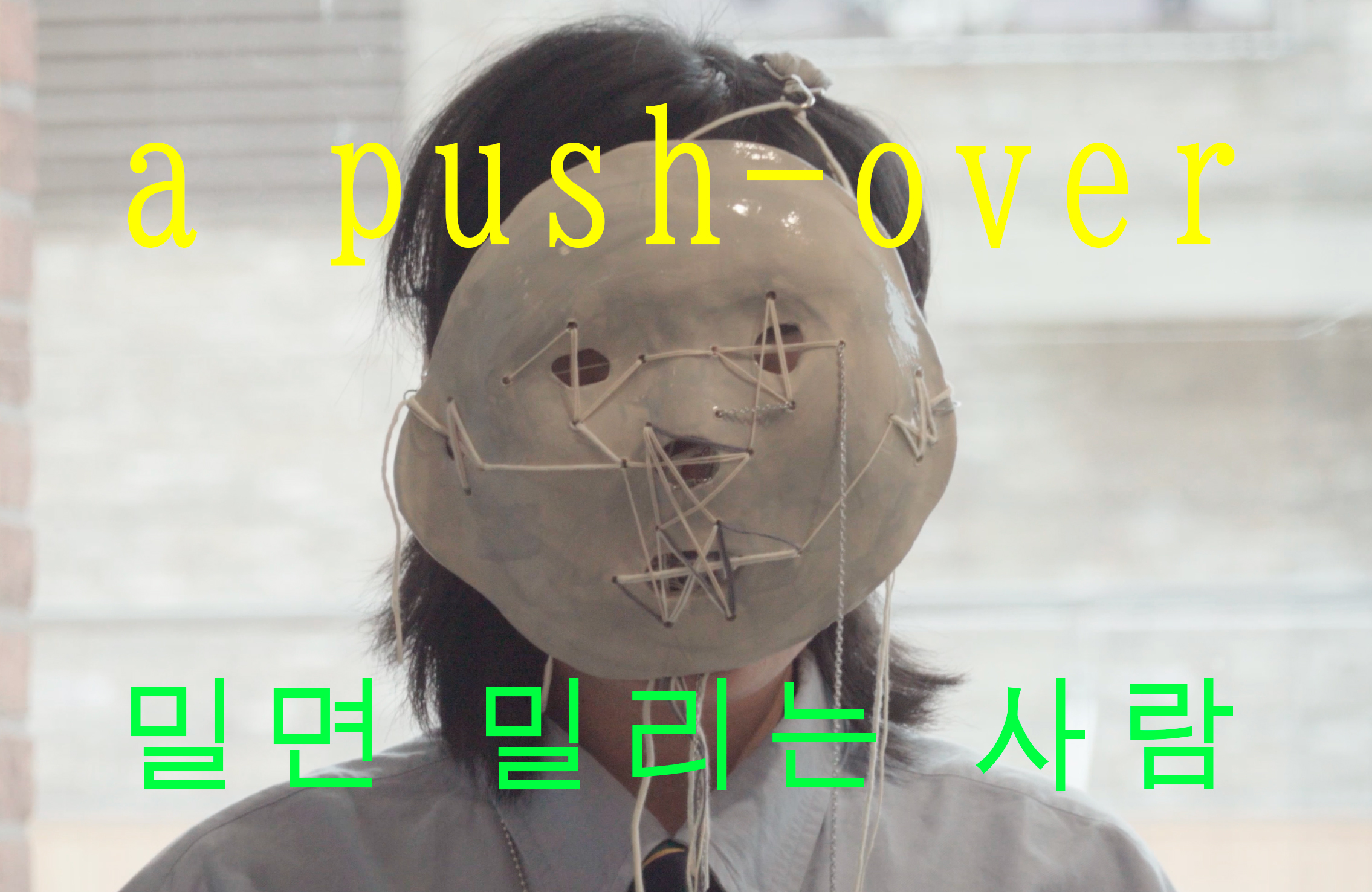
a push-over
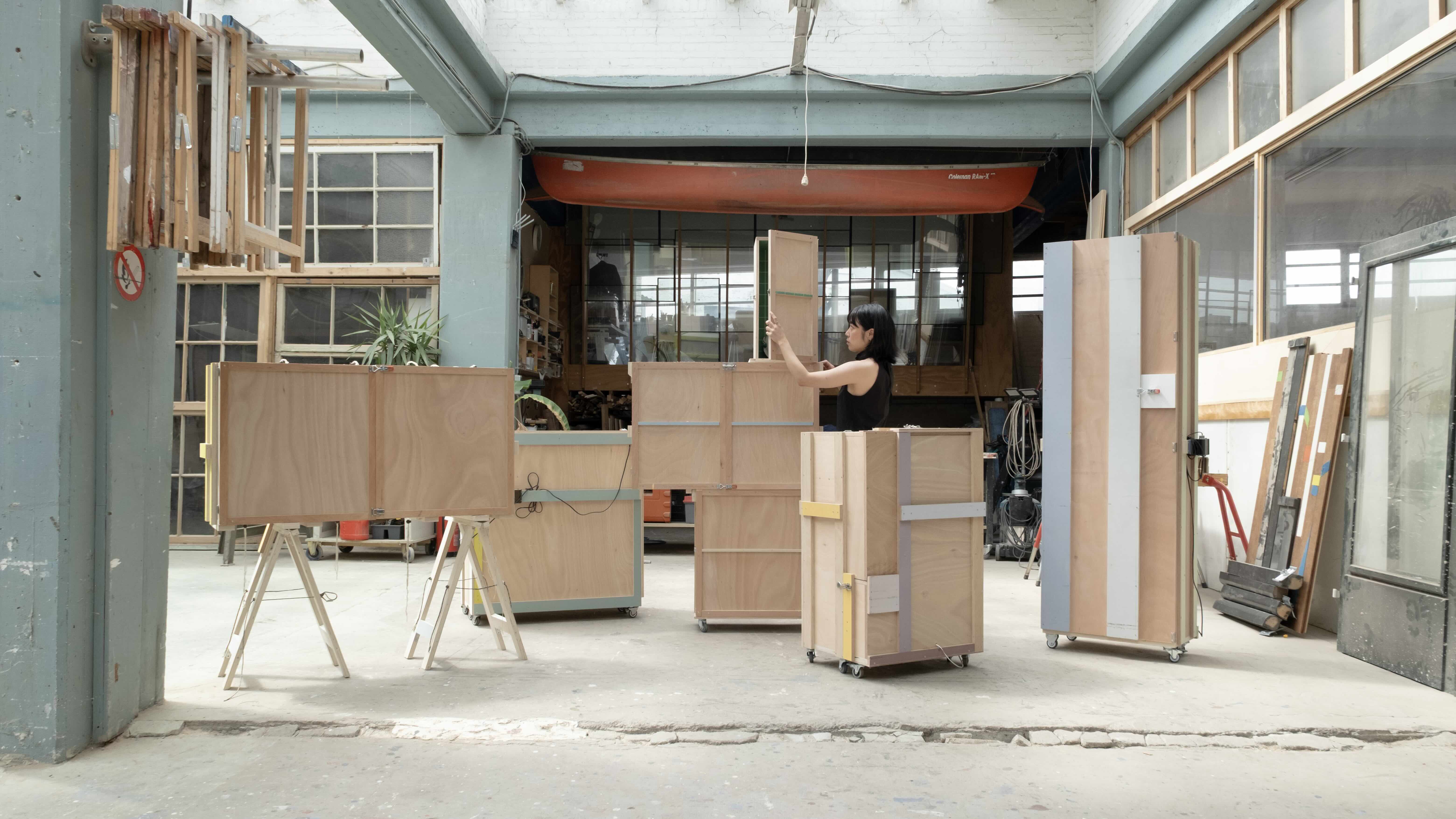
In a push-over, Daeun Lim explores the many versions of herself that emerge in response to everyday social roles and demands. Shaped by migration, language, gender, race, labor, and artistic precarity, these versions are translated into five wheeled trunks containing wearable modular fragments. Presented as a backstage, the installation invites visitors to touch and carefully try on attitudes, gestures, and states of mind.
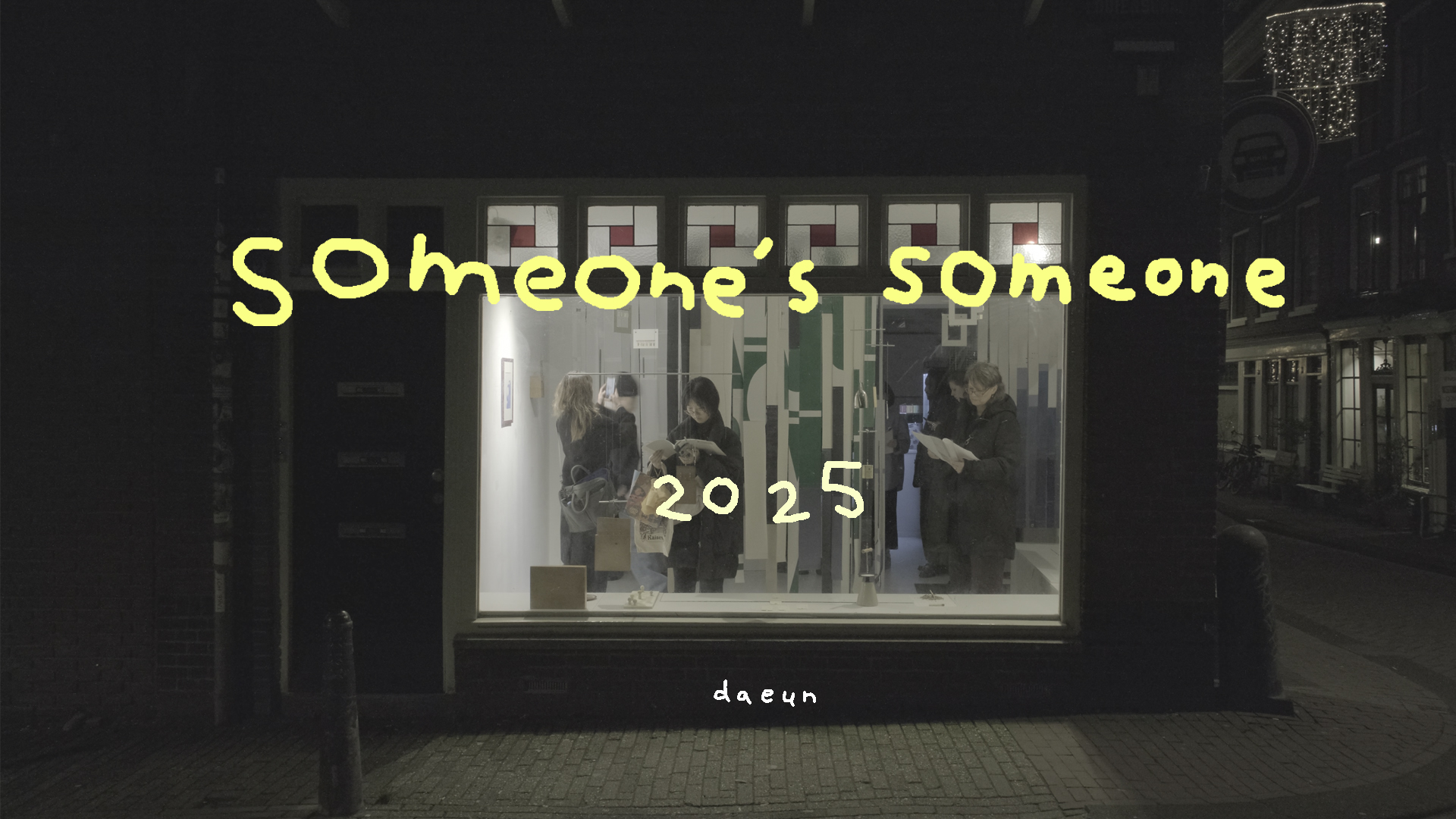
someone's someone
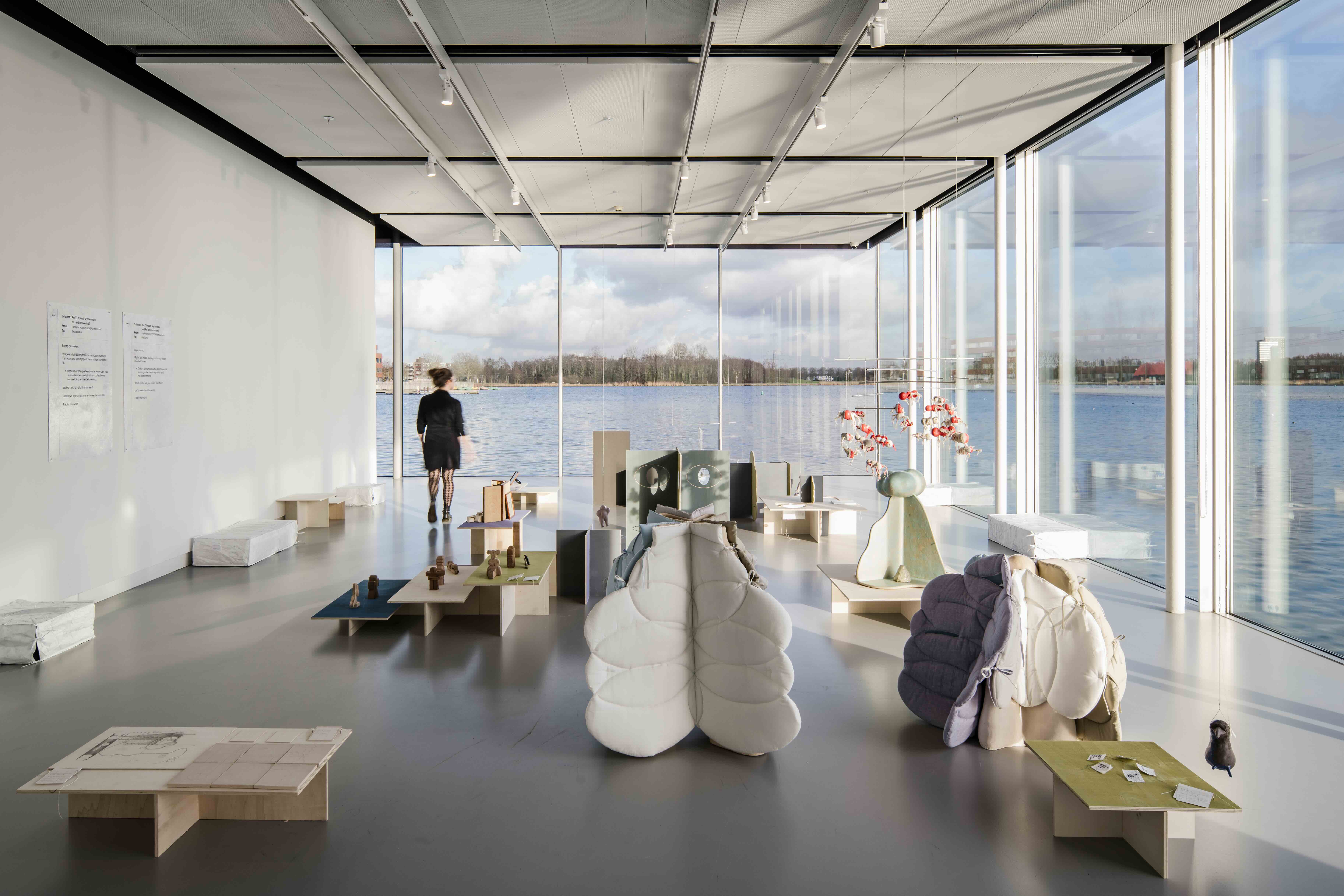
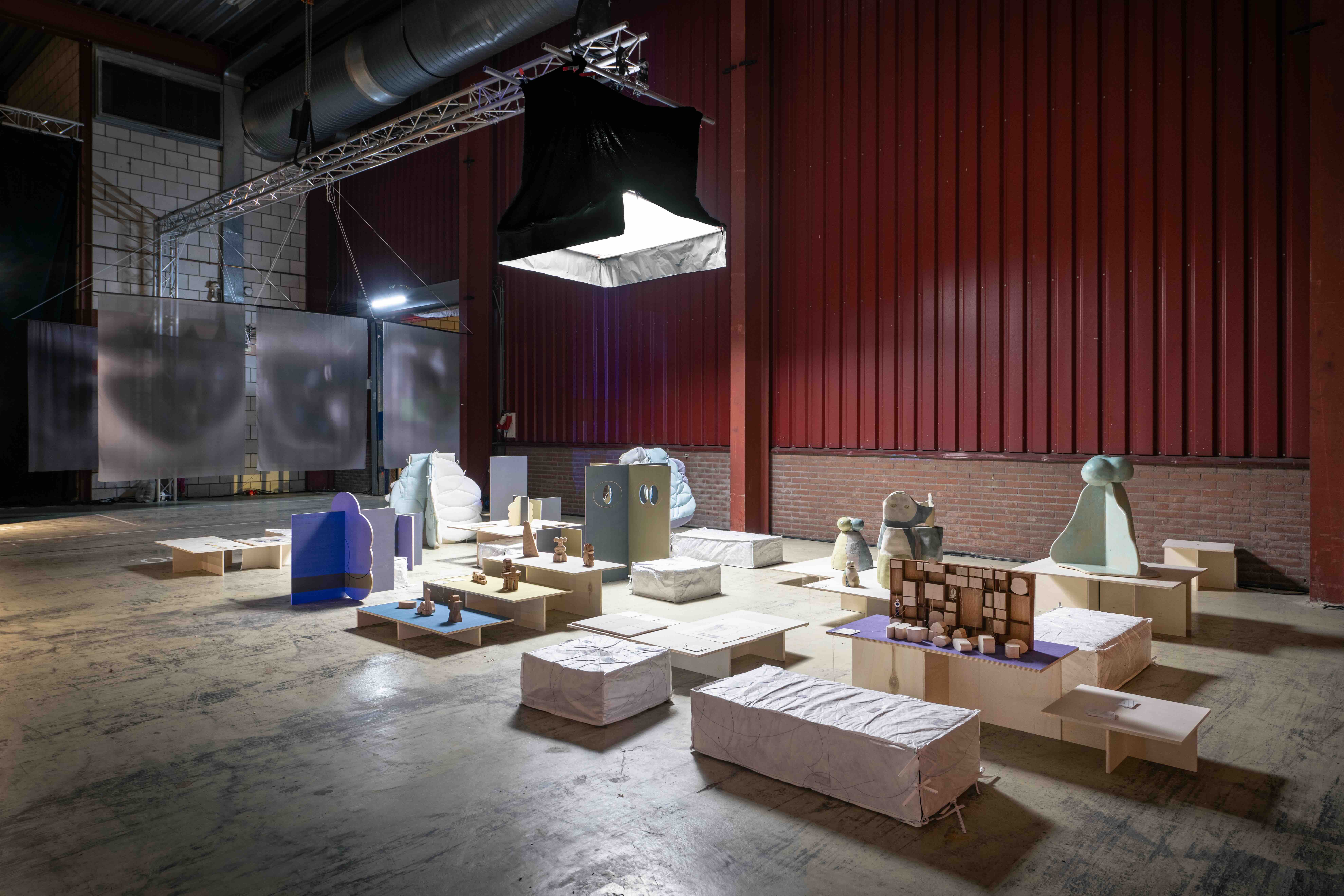
someone’s someone is an installation exhibition composed of objects, sound, and text.
The objects are displayed as translations of the writings Daeun made over the last six months, after experiencing several significant separations from people she loved.
She tries to communicate the subtle changes in her body—her gaze, the way she walks, the scents she reaches for, the music she listens to—when she has someone to miss.
ㅤ
In Korea, there is a saying: “When bodies grow distant, hearts grow distant