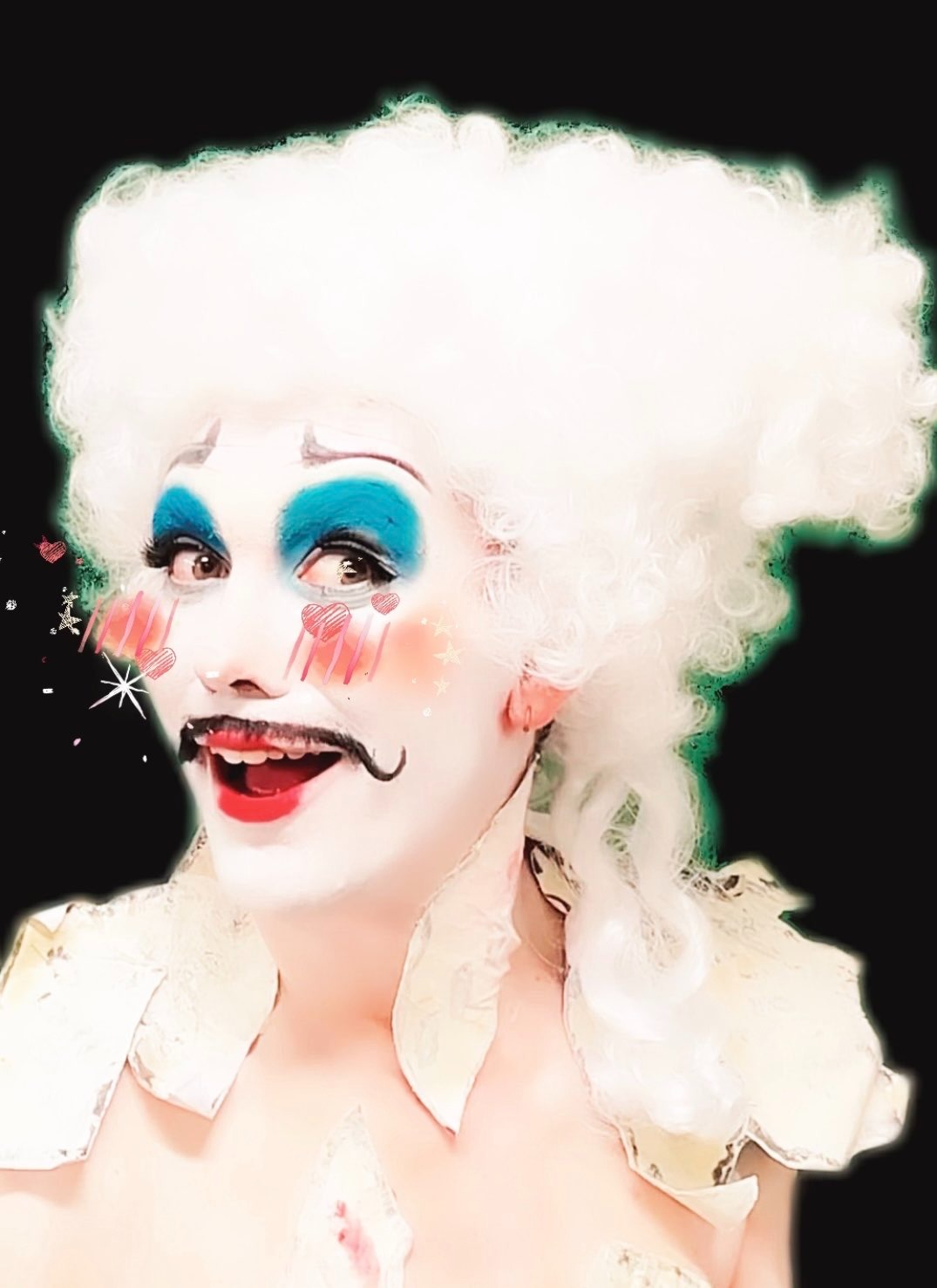
“The central aim of my practice is to become attractive.”
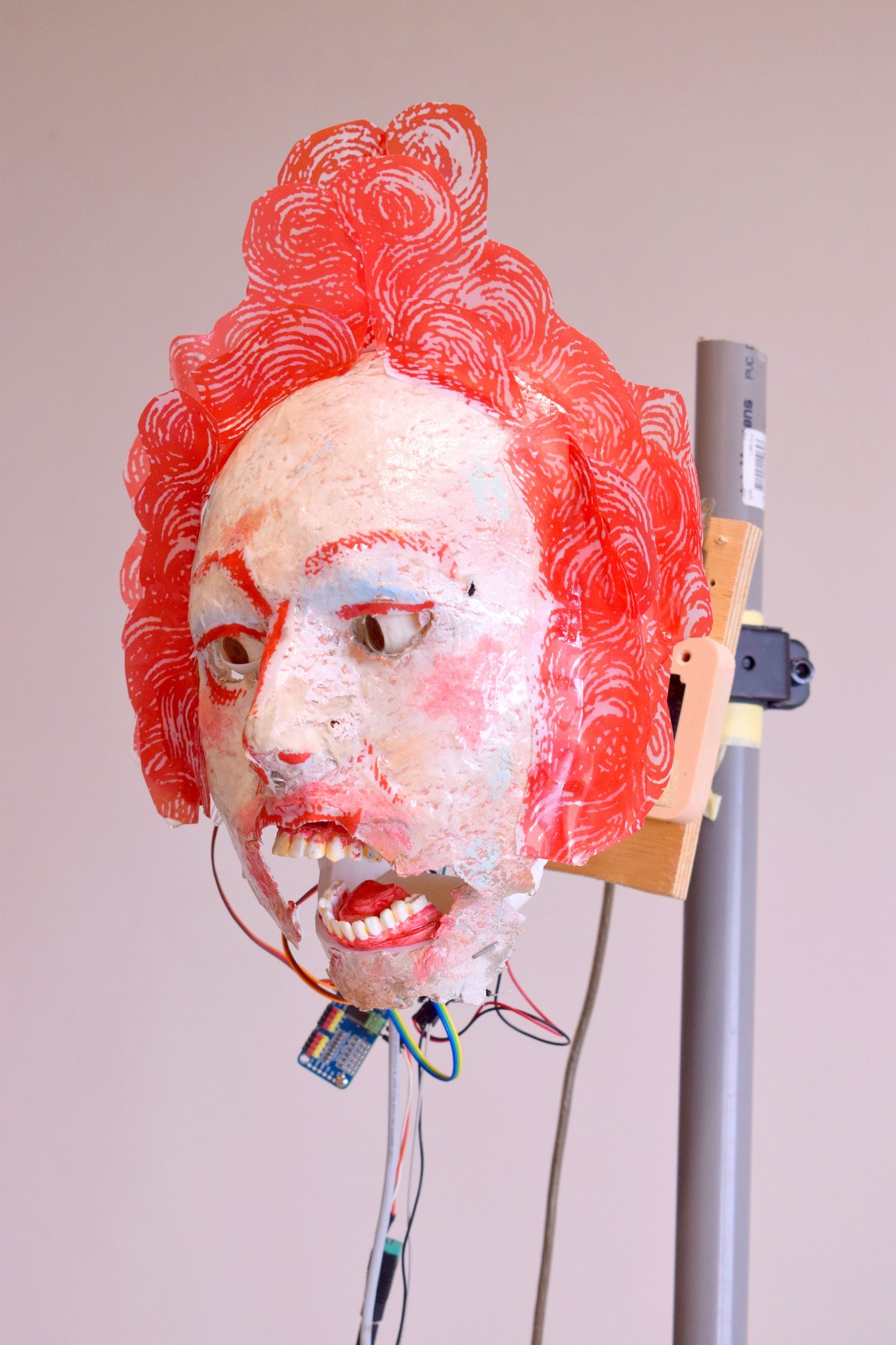
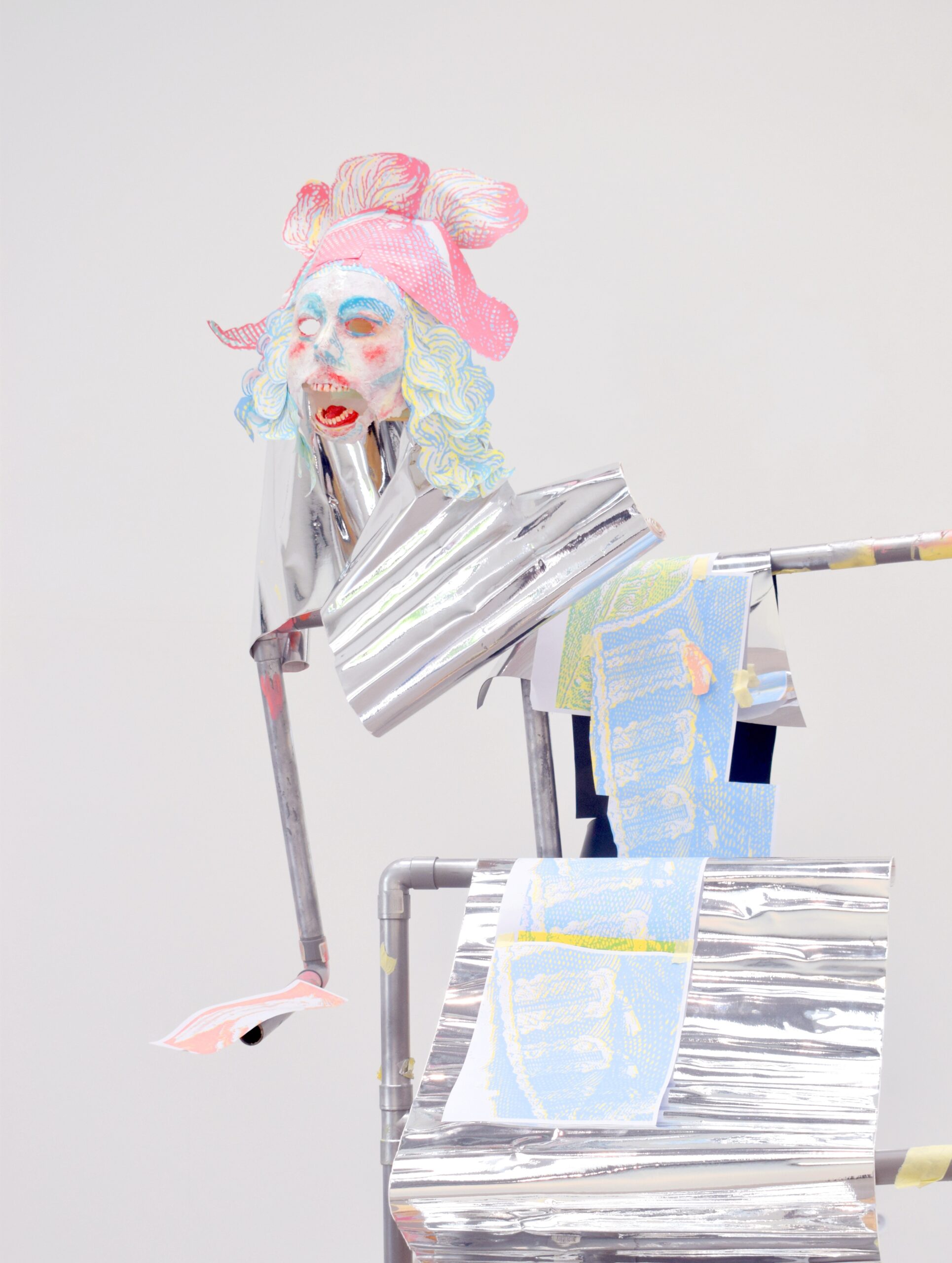
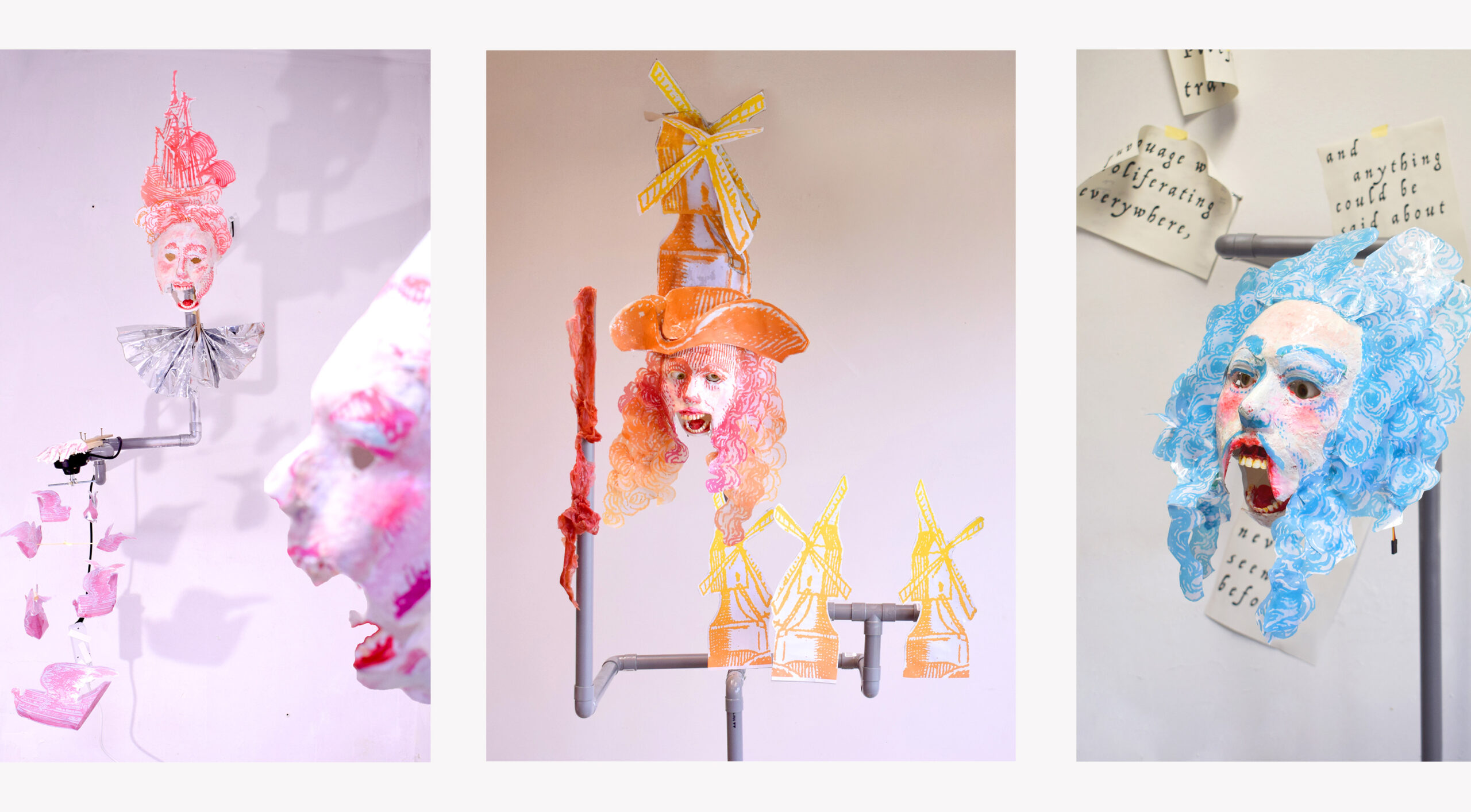
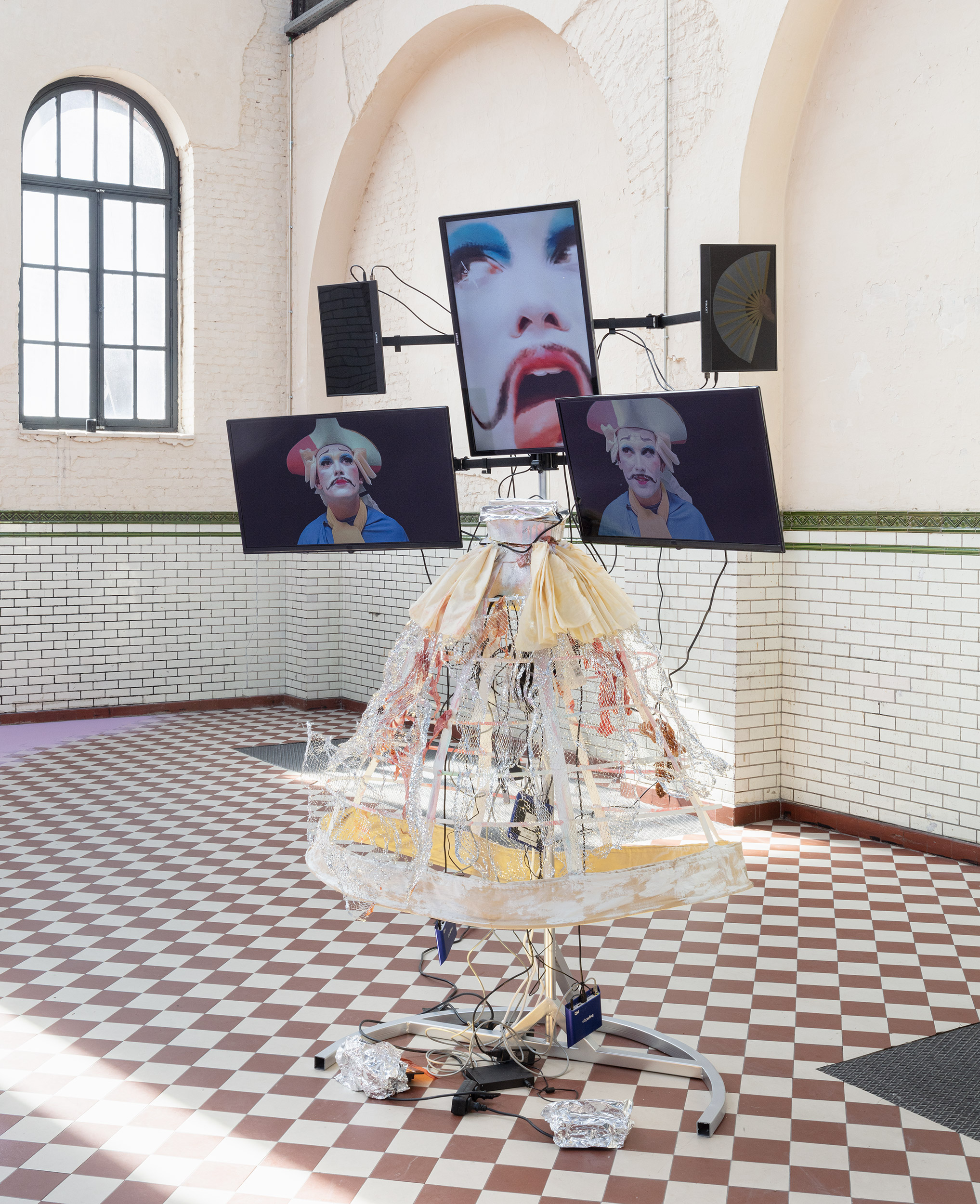
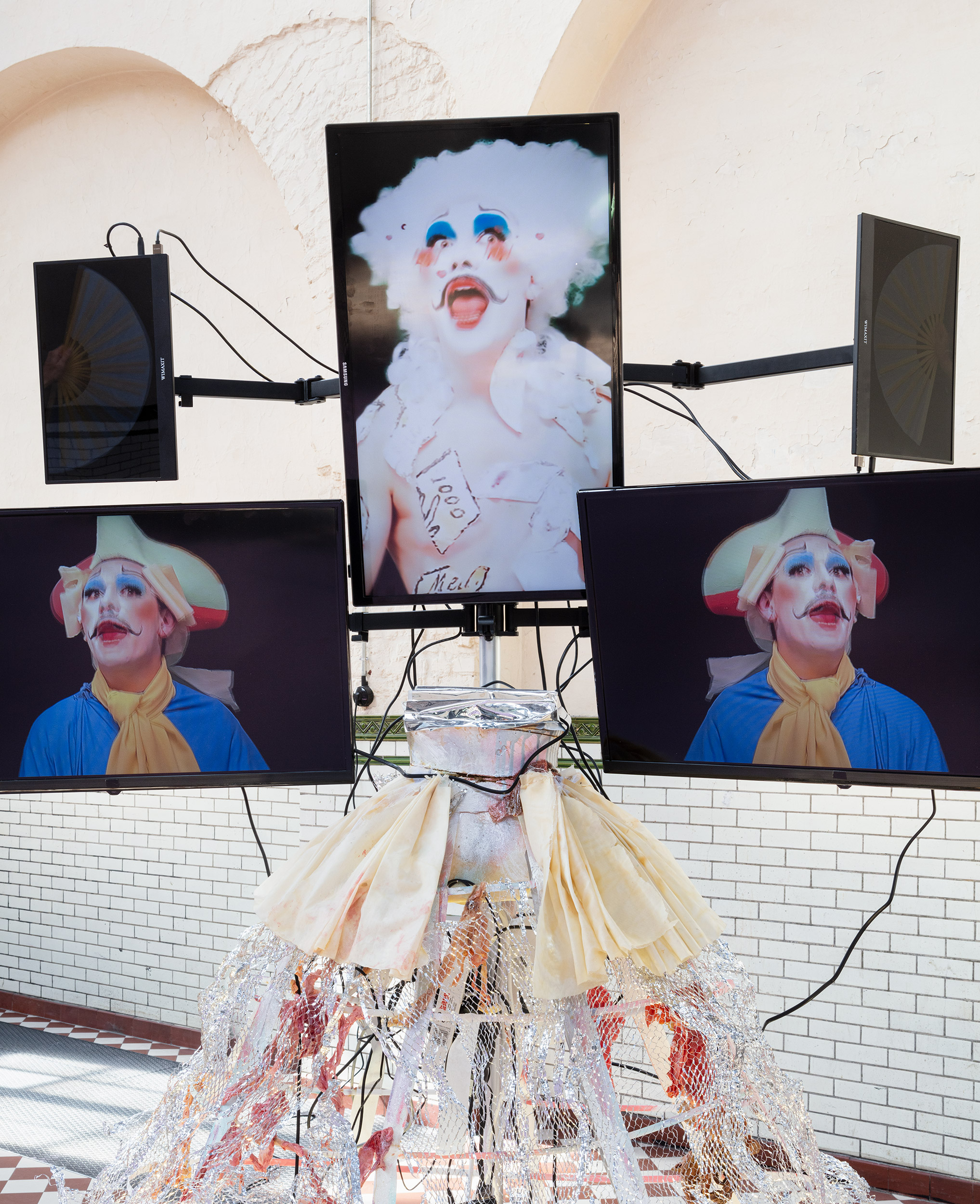
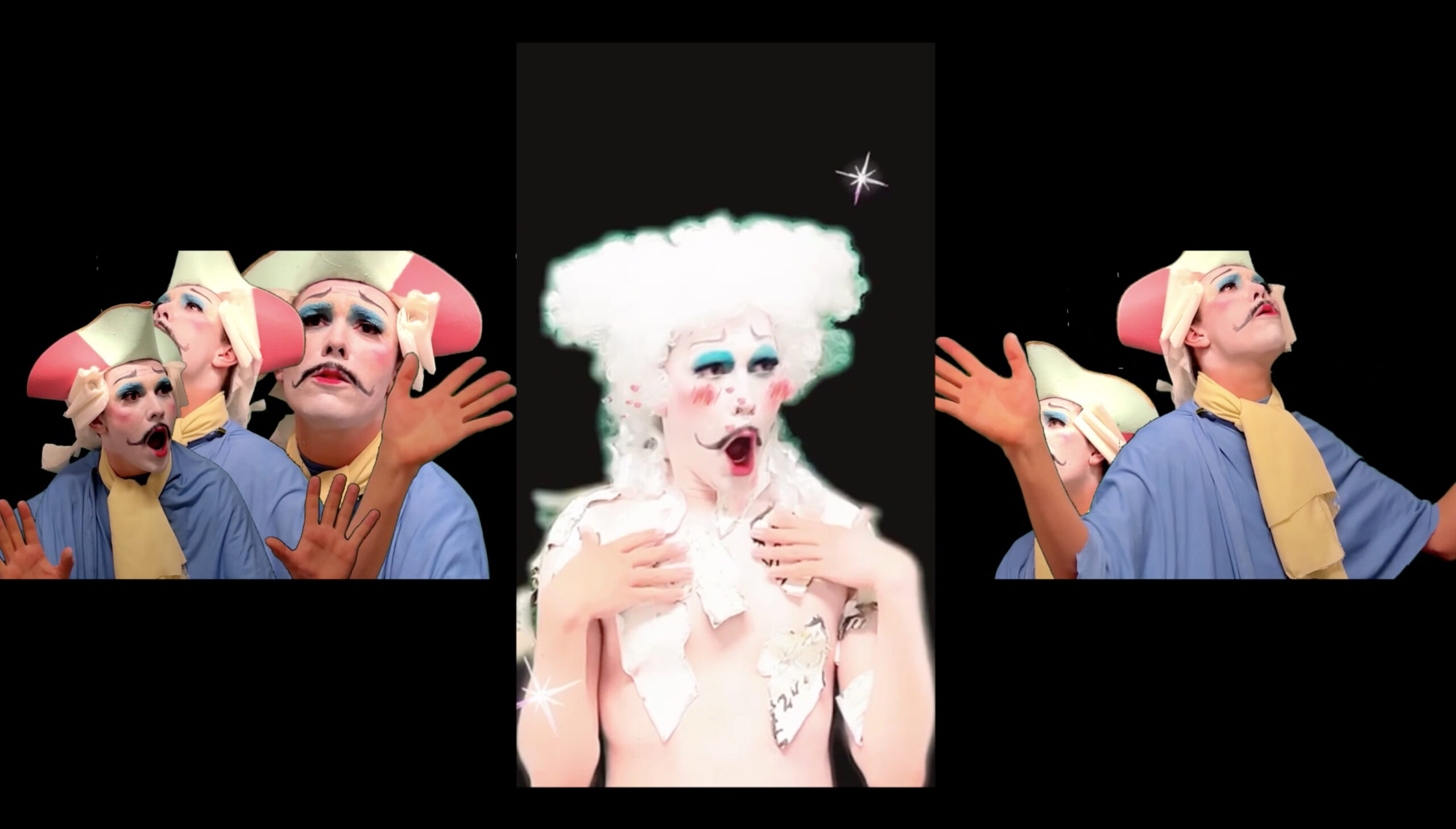
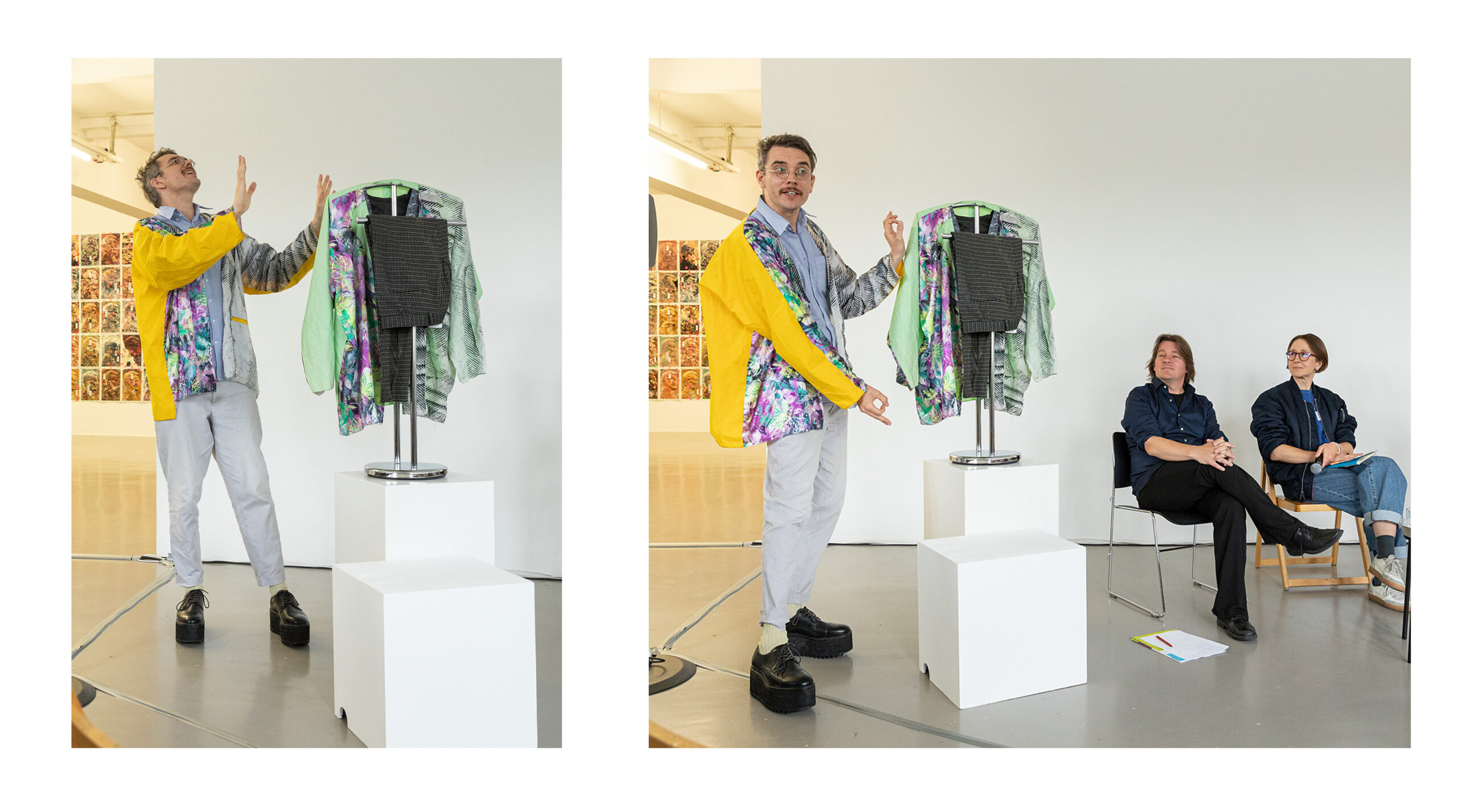
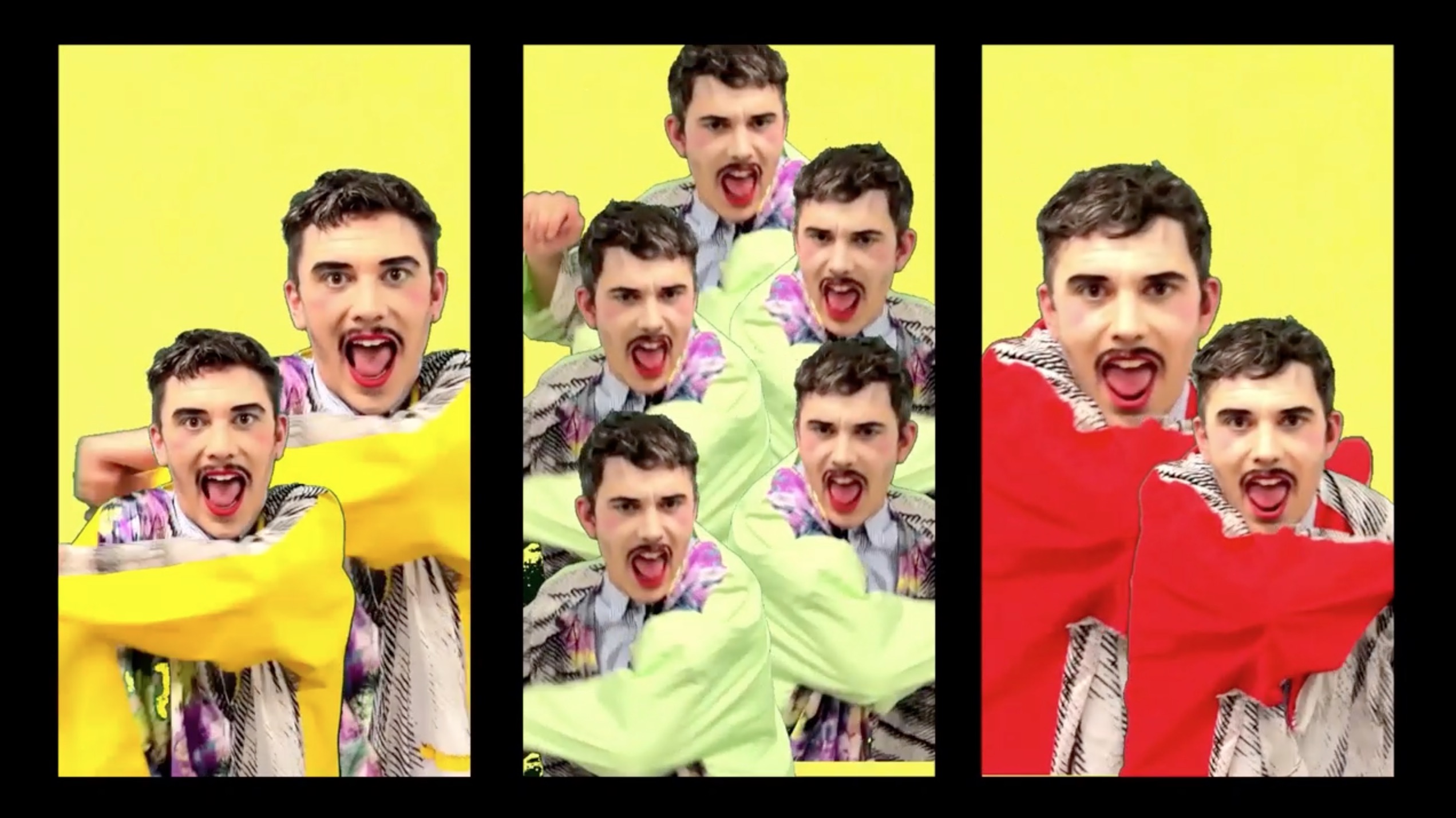
Since few months I jokingly begin studio visits with this statement. In my studio I’m surrounded by glitters and wigs, yet depending on how people know my work, the statement sometimes causes confusion. For although my practice is quite theatrical and campy, it is also an analysis of the financial sector and the socio-economic conditions it has produced throughout history.
I find that attractiveness is rarely discussed in relation to global economics, yet I contend it is one of its structuring principles and can be found on many levels, for instance:
-Shops aim to become attractive to customers;
-Companies seeks to attract investors;
- And states make themselves attractive to companies by offering low tax rates and “flexible” labour markets.
And I—like most artists—also try to become attractive: to funding bodies, to curators, to gallery owners and to residency programs. I write proposals, do studio visits, pitch ideas—hoping to seduce investors into making some form investment
No matter how I twist or turn it, making myself attractive is a fundamental part of my practice and determines the economic conditions in which it can take place. Precisely the fact that this dynamic isn't unique to me as an artist—but rather drives the financial system as whole—currently forms the core of my practice.
Furthermore the fact that a funding application—an alluring promise on a piece of paper—isn’t so different from a share-paper is especially relevant to me as an artist working in the Netherlands — I’m acutely aware of how the invention of the stockmarket and financial speculation have shaped not only the country’s violent colonial project but also its artistic and cultural landscape.